
How to Verify the Quality of Wholesale Frozen Foods: Expert Tips for Buyers
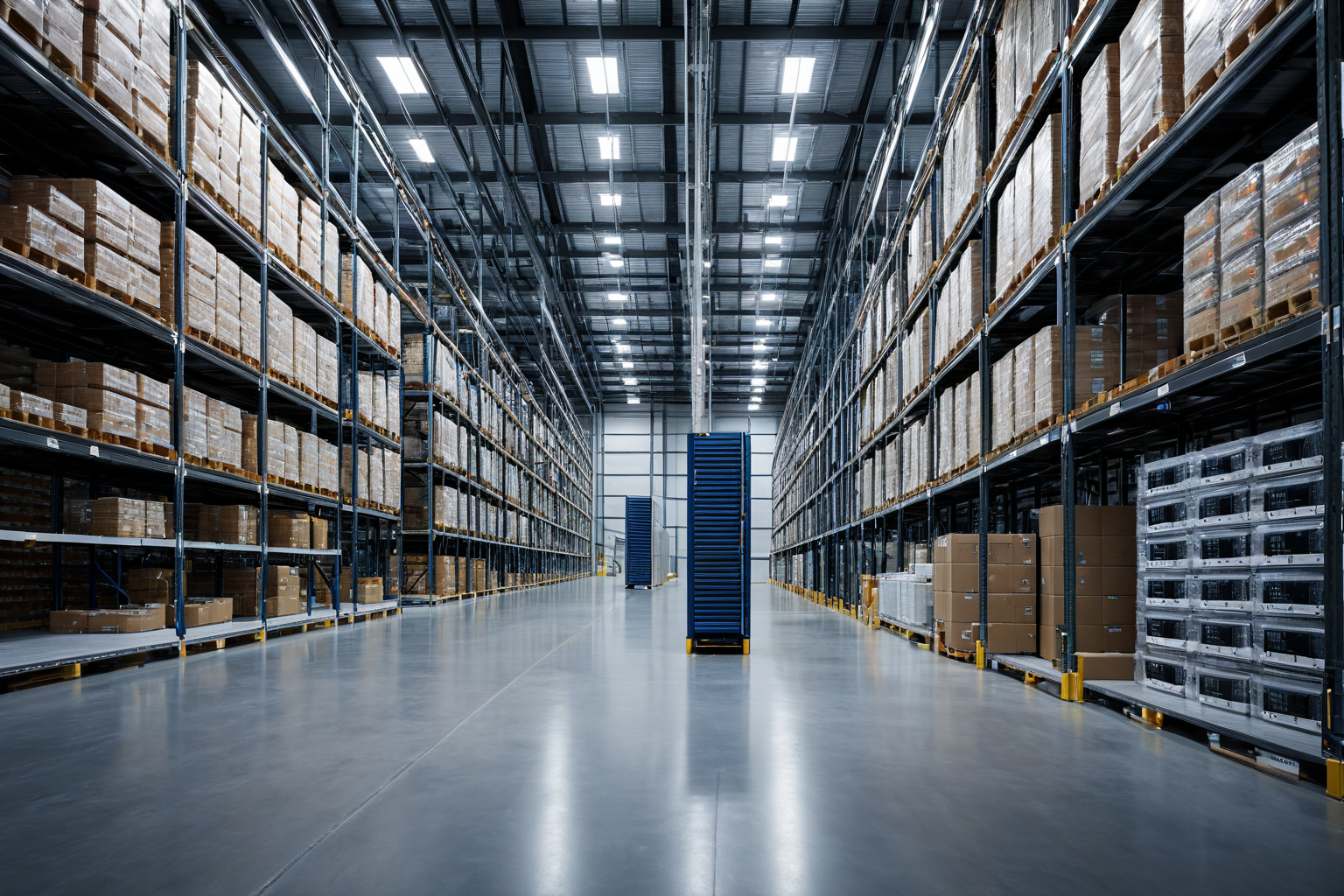
The Core of Wholesale Frozen Food Quality: Cold Chain Management and Shortened Distribution Routes
When purchasing wholesale frozen foods, the most practical way to ensure quality is through cold chain management and improved distribution routes. International examples from China and the U.S. highlight the importance of adhering to global standards, while case studies like Siheung City's small business distribution center and Busan frozen food companies' global market expansion provide tangible benefits. Concerns over Japan's nuclear wastewater have increased consumer interest in freezing periods, with fish safely frozen for up to three months being a key point to note.
Cold Chain Management: An Essential Requirement for Global Standards
China's National Health Commission introduced the Cold Chain Food Traceability Management System in December 2020, marking the start of standardization for frozen food quality management. This system requires temperature-controlled storage and data tracking from production to consumption. In March 2025, norovirus was detected in oysters from Tongyeong, South Korea, leading to a U.S. FDA recall of frozen oyster products—a warning example of food safety risks due to inadequate temperature control.
Cold chain certification and data management are already being discussed on-site. According to Cold Chain News, discussions are underway regarding the implementation of cold chain certification systems and data management frameworks in real-world settings. These systems clarify quality responsibilities for both producers and wholesalers, enhancing consumer trust.
Improving Distribution Routes: Dual Benefits of Cost Reduction and Quality Assurance
A case where seafood distribution was shortened from six to four stages reduced distribution costs by 10%, demonstrating a practical improvement in wholesale frozen food quality management. Logistics News emphasized 'safe distribution of food, pharmaceuticals, and daily goods,' analyzing how such route shortening simultaneously improves quality assurance and cost savings.
In January 2024, Siheung City launched the Small Business Distribution Center to reduce wholesale costs for small businesses while supporting quality management. The center is designed with a cold chain foundation, featuring temperature control systems and data management tools to help wholesalers establish safe frozen food distribution environments. Busan frozen food companies are entering global markets under the 'Safe Agricultural and Aquatic Products' brand, showing how quality management can become an international competitive advantage.
Japan's Nuclear Wastewater Concerns and Frozen Storage Period: Consumer Interest Analysis
A 2023 August report by Newsis noted a significant increase in consumer interest in 'frozen storage' due to concerns over Japan's nuclear wastewater. Information about safely freezing fish for up to three months has been shared, making it essential information for consumers purchasing frozen foods. The Agricultural and Food Products Cold Chain system is responsible for ensuring the supply of fresh food products to citizens, providing a basis for safe frozen food distribution.
Five Key Points for Verifying Wholesale Frozen Food Quality
1. Choose vendors with established cold chain management systems: Wholesalers offering temperature records and certifications ensure better quality. 2. Prioritize frozen foods with shortened distribution routes: Seafood with routes reduced from six to four stages offers both cost savings and more stable quality. 3. Check product traceability information: Vendors with systems like China's Cold Chain Food Traceability Management System are more reliable. 4. Consider freezing storage periods due to Japan's nuclear wastewater concerns: Fish can be safely frozen for up to three months. 5. Utilize regional wholesale systems: Systems like Siheung City's Small Business Distribution Center achieve both quality management and cost reduction.
Key Incidents Related to Frozen Food Quality
In December 2020, China's National Health Commission implemented the Cold Chain Food Traceability Management System, marking the beginning of international standardization for safe frozen food distribution. In March 2025, norovirus was detected in Tongyeong oysters, leading to a U.S. FDA recall of frozen oyster products—a case highlighting safety risks from inadequate temperature management. In January 2024, Siheung City opened the Small Business Distribution Center to support small businesses with reduced wholesale costs and quality management. The center is designed around cold chain principles with temperature control and data management systems. In November 2025, Busan frozen food companies entered global markets under 'Safe Agricultural and Aquatic Products,' demonstrating how quality management can drive international competitiveness.
Investigating the Causes of Frozen Food Quality Issues
The main causes of frozen food quality issues are inadequate cold chain management and complex distribution routes. Lack of temperature data sharing between producers and wholesalers often leads to improper storage or transportation at unsafe temperatures. A case where seafood distribution was shortened from six to four stages reduced distribution costs by 10%, showing how complexity in the supply chain negatively impacts quality control. Concerns over Japan's nuclear wastewater have increased consumer interest in freezing periods. The information that fish can be safely frozen for up to three months has helped address these concerns.
Strategies for Purchasing Safe Frozen Foods
Prioritize wholesalers with cold chain management systems, which provide temperature records and certifications. For seafood, choose products with shortened distribution routes. Seafood with routes reduced from six to four stages offers both cost savings and more stable quality. Check freezing storage period information when purchasing frozen foods. Fish can be safely frozen for up to three months—a critical point given Japan's nuclear wastewater concerns. Utilize regional wholesale systems like Siheung City's Small Business Distribution Center to achieve both quality management and cost reduction.
Essential Information to Verify: The Core of Frozen Food Quality Management
1. Whether a cold chain management system is established: Wholesalers providing temperature records and certifications are more reliable. 2. Whether distribution routes have been shortened: Seafood with routes reduced from six to four stages offers dual benefits of cost savings and quality assurance. 3. Freezing storage period information: Fish can be safely frozen for up to three months. 4. Utilization of regional wholesale systems: Systems like Siheung City's Small Business Distribution Center help reduce quality management costs. 5. Adherence to international standards: Refer to cold chain traceability systems implemented in China and the U.S. when selecting reliable vendors.
Frequently Asked Questions
Q: How long can frozen foods be safely stored? A: Fish can be safely frozen for up to three months. This information has become increasingly important due to concerns over Japan's nuclear wastewater.
Q: How can I verify if a wholesaler has an established cold chain management system? A: Choose wholesalers that provide temperature records and certification information. Vendors with systems like China's Cold Chain Food Traceability Management System are more reliable.
Q: How can regional wholesale systems be utilized? A: Systems like Siheung City's Small Business Distribution Center allow small businesses to reduce quality management costs and purchase safe frozen foods.
Frequently Asked Questions
Verifying the quality of wholesale frozen foods can be achieved through cold chain management and improved distribution routes. Understanding international standards from cases in China and the U.S., as well as learning from Siheung City's Small Business Distribution Center and Busan frozen food companies' global market expansion, provides practical insights. Increased consumer interest in freezing periods due to Japan's nuclear wastewater concerns highlights the importance of knowing that fish can be safely frozen for up to three months. Cold chain certification systems and data management are already being discussed on-site and will become key elements in future frozen food quality management.
You can view similar articles all at once.
View Related ArticlesFAQ
How long can frozen foods be safely stored?
Fish can be safely frozen for up to three months. This information has become increasingly important due to concerns over Japan's nuclear wastewater.
How can I verify if a wholesaler has an established cold chain management system?
Choose wholesalers that provide temperature records and certification information. Vendors with systems like China's Cold Chain Food Traceability Management System are more reliable.
How can regional wholesale systems be utilized?
Systems like Siheung City's Small Business Distribution Center allow small businesses to reduce quality management costs and purchase safe frozen foods.
Korean Source
This article is an English localization of a Korean-language report from BlogScore. Original: 도매 냉동식품 품질 확인, 전문가가 알려주는 실전 팁