
How to Verify Consumer Damage from School Uniform Price Collusion
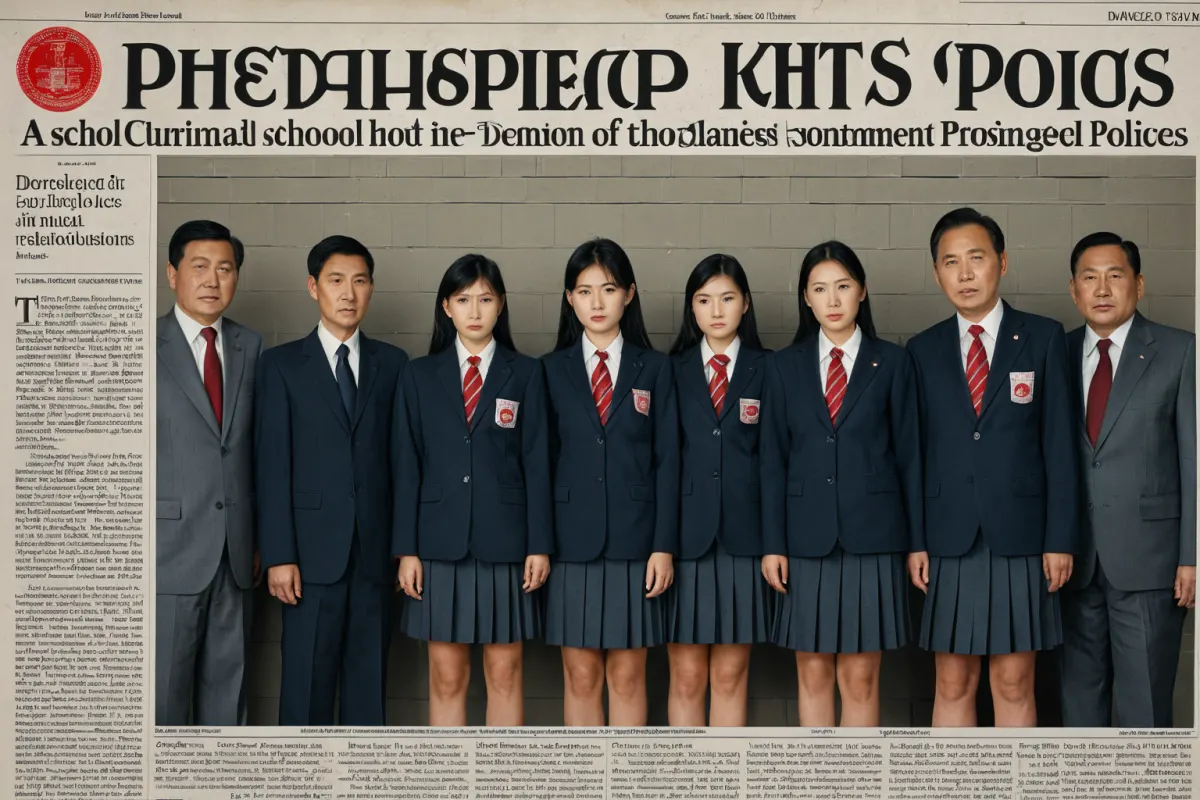
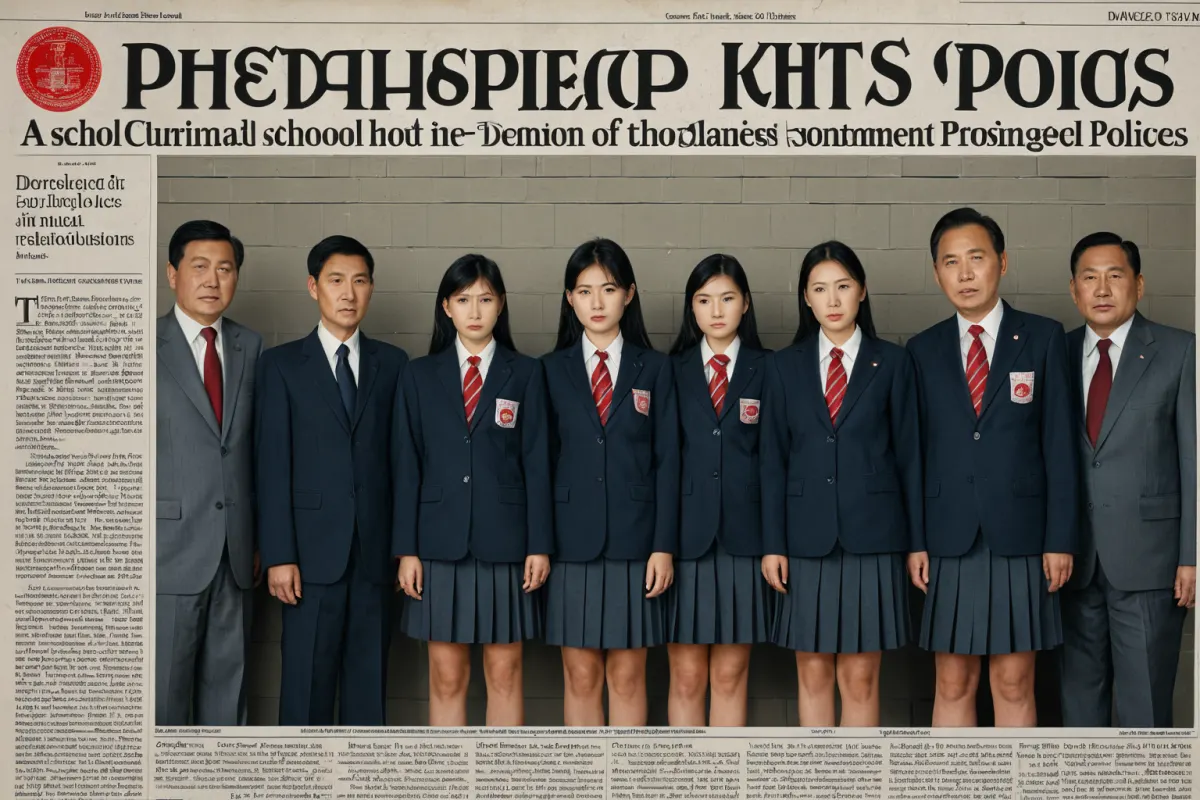
Price Collusion in School Uniforms and Government Response
The government has identified collusion related to rising school uniform prices, with the Fair Trade Commission (FTC) imposing fines and taking comprehensive measures. Following consumer complaints about uniforms priced at 600,000 won—dubbed 'spine-breakers'—the government strengthened price control efforts through a joint initiative by five ministries.
Uniform prices have surged from 300,000 to 600,000 won recently, with collusion in bidding processes uncovered in Gwangju. The FTC has taken action against this, and similar cases have been identified in Ulsan, Yongin, and Yeongcheon, where the FTC is currently reviewing.
Rising Uniform Prices and Collusion Cases
The FTC recently uncovered 260 collusion cases in uniform bidding, imposing a total fine of 32 million won on 27 companies. The FTC chair noted that fines may be insufficient to prevent recurrence and is working with education offices to implement measures to eliminate collusion.
The price surge began with the first collusion case identified in Gwangju, spreading nationwide. The FTC has launched research into online platform operators' practices to better understand fees and consumer impact, while raising the minimum fine by 20 times to strengthen penalties.
Comprehensive Government Response
The government is addressing uniform collusion through a joint effort by five ministries. The FTC has instructed five major uniform manufacturers to enhance anti-collusion measures, expand education, and conduct self-audits. It is also advancing additional actions based on collusion cases uncovered in Ulsan, Yongin, and Yeongcheon.
On August 10, 2026, the FTC held a meeting with uniform manufacturers to discuss anti-collusion strategies and strengthened monitoring systems with 16 local education offices. This approach focuses on preventing collusion at its source rather than merely imposing penalties.
Industry Collaboration for Collusion Elimination
The FTC is working with uniform manufacturers through meetings to develop strategies for eliminating collusion. At a meeting held on August 10, 2026, the FTC chair urged stronger industry self-regulation and established cooperation mechanisms with education offices.
Following identified collusion cases, the FTC has directed five major uniform companies to strengthen anti-collusion measures, expand training, and conduct internal audits. This aims to encourage the industry to build its own monitoring systems to prevent future collusion.

How Consumers Can Verify Damage from Price Collusion
If consumers have suffered damage due to school uniform price collusion, they can report it through the FTC website or consumer centers. Recent complaints about uniforms priced at 600,000 won—referred to as 'spine-breakers'—have led many parents to voice their concerns.
The FTC is actively addressing collusion cases by imposing fines and working toward price stability and a fair market environment. It is also focusing on understanding fees and consumer impact through research into online platform operators.
Expanding Price Monitoring Systems
The FTC is broadening its monitoring systems for key items including processed foods, pork, eggs, school uniforms, and gas stations. This strategic move aims to prevent issues like recent uniform price surges while protecting consumers and ensuring market stability.
As of March 7, 2026, the FTC announced plans to expand monitoring for these key items. This initiative is part of broader efforts to stabilize prices beyond just addressing uniform collusion.
Cause and Background of School Uniform Collusion
The price increase began with the first identified collusion case in Gwangju's bidding process, which later spread to Ulsan, Yongin, and Yeongcheon. The FTC initiated investigations after similar cases were uncovered. Manufacturers allegedly manipulated prices during bidding processes, placing excessive burden on consumers.
Starting February 17, 2026, the government began a joint response by five ministries to address the school uniform pricing issue, which had been labeled 'spine-breakers.' The FTC has already identified 260 collusion cases in uniform bidding and imposed fines totaling 32 million won.
Response Strategies and Safety Information
The FTC has developed multiple strategies to eliminate collusion. First, it raised the minimum fine by 20 times to increase company accountability. It also instructed five major uniform manufacturers to enhance anti-collusion measures, expand training, and conduct self-audits while collaborating with education offices to strengthen monitoring systems.
On August 10, 2026, the FTC held a meeting with uniform manufacturers to discuss anti-collusion strategies and partnered with 16 local education offices to enhance monitoring. This comprehensive, long-term approach aims to permanently address collusion issues.
Information to Verify
To verify school uniform price collusion, consumers can report through the FTC website or consumer centers. With many cases of damage reported due to rising prices around 600,000 won, prompt action is necessary.
The collusion issue began in Gwangju and spread nationwide. The FTC is addressing this through a joint effort by five ministries, imposing fines and promoting industry education to prevent recurrence.
Frequently Asked Questions
Why have school uniform prices risen to 600,000 won?
The price surge resulted from collusion, particularly the first identified case in Gwangju. Similar cases were later found in Ulsan, Yongin, and Yeongcheon, prompting FTC action.
How can consumers report damage caused by school uniform price collusion?
Consumers can report through the FTC website or consumer centers. The FTC is also researching online platform operators to identify additional cases of harm.
What actions has the government taken regarding school uniform collusion?
The government is responding through a joint effort by five ministries, with the FTC adjusting fines and promoting industry education and self-audits to eliminate collusion.
Frequently Asked Questions
Price increases for school uniforms are due to collusion, with the government and FTC implementing comprehensive measures to resolve the issue. Starting from Gwangju's initial case, nationwide collusion has led to ongoing actions by authorities.
The FTC is addressing collusion through fines, meetings with manufacturers, collaboration with education offices, and consumer protection efforts. Consumers can report damage via the FTC website or consumer centers, which plays a crucial role in eliminating collusion.
You can view similar articles all at once.
View Related ArticlesFAQ
Why have school uniform prices risen to 600,000 won?
The price surge resulted from collusion, particularly the first identified case in Gwangju. Similar cases were later found in Ulsan, Yongin, and Yeongcheon, prompting FTC action.
How can consumers report damage caused by school uniform price collusion?
Consumers can report through the FTC website or consumer centers. The FTC is also researching online platform operators to identify additional cases of harm.
What actions has the government taken regarding school uniform collusion?
The government is responding through a joint effort by five ministries, with the FTC adjusting fines and promoting industry education and self-audits to eliminate collusion.
Korean Source
This article is an English localization of a Korean-language report from BlogScore. Original: 공정위 교복 담합 사건, 소비자 피해 확인 방법