
How to Store Tofu Cabbage Salad Without Soggy Results: Expert Tips for Perfect Reheating
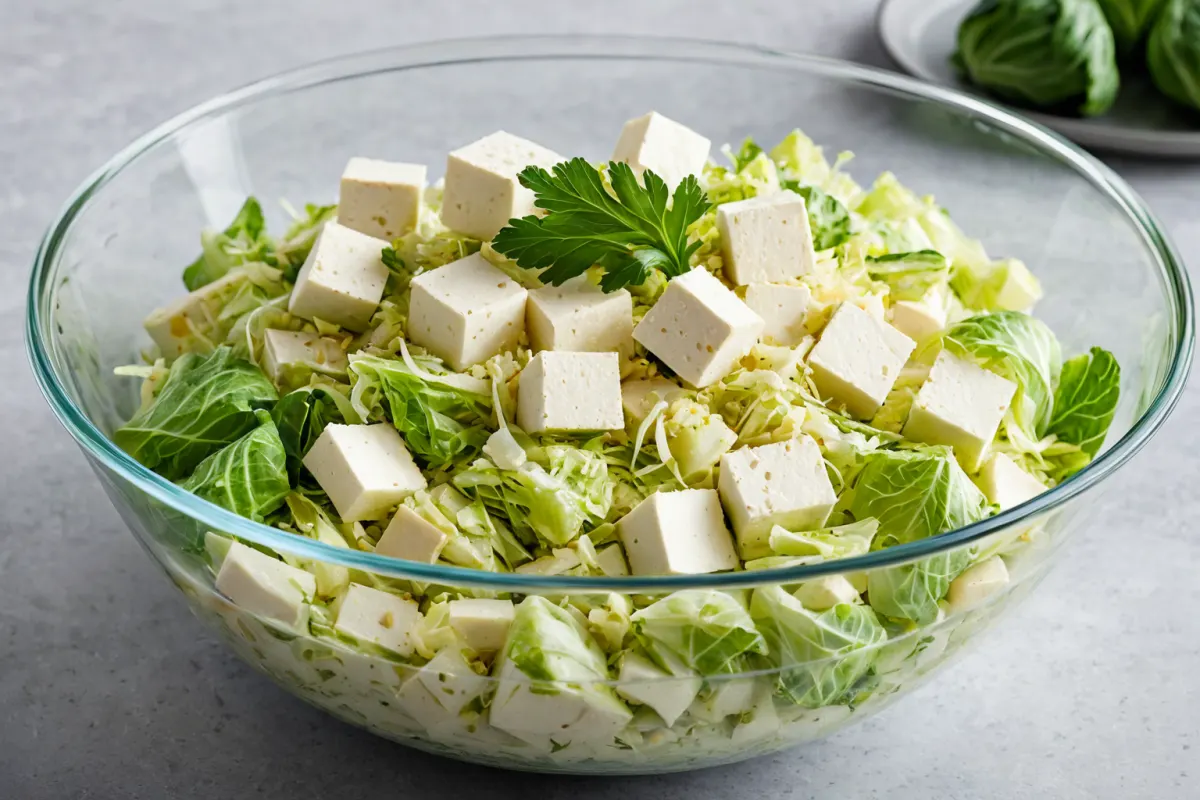
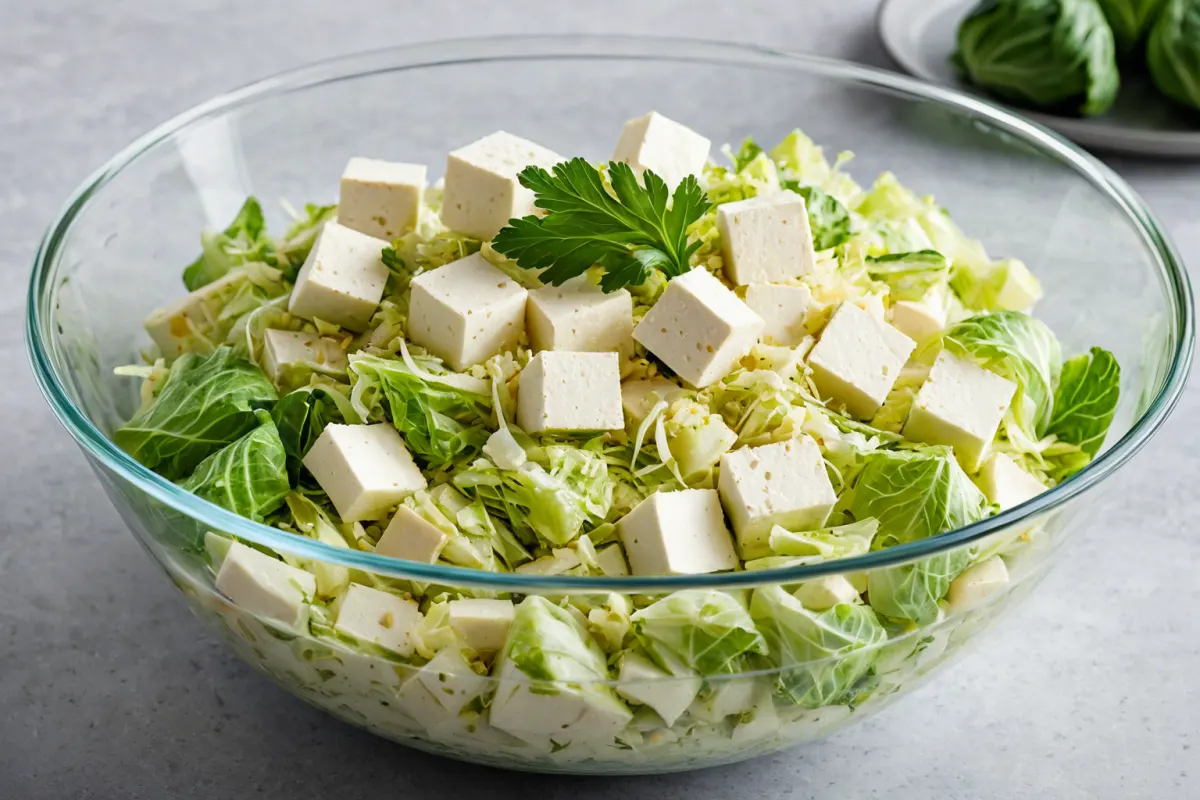
Tofu cabbage salad is convenient when made ahead, but improper storage can cause it to become soggy quickly. The key is not mixing tofu and cabbage from the start, and instead portioning them separately before serving. Just check the condition of each component right before eating and heat only the tofu briefly if needed.
Cabbage holds a lot of moisture, while tofu readily absorbs refrigerator odors. Storing everything together in one container can quickly diminish flavor. A simple change in storage order makes all the difference—keeping it fresh for up to a day.
Core Storage Tips for Tofu Cabbage Salad
The most important factor is managing moisture. Pat tofu dry with kitchen paper to remove surface moisture, and after shredding cabbage, rinse it briefly in cold water before squeezing out excess liquid. Any remaining moisture can pool at the bottom during refrigeration, making the salad taste bland.
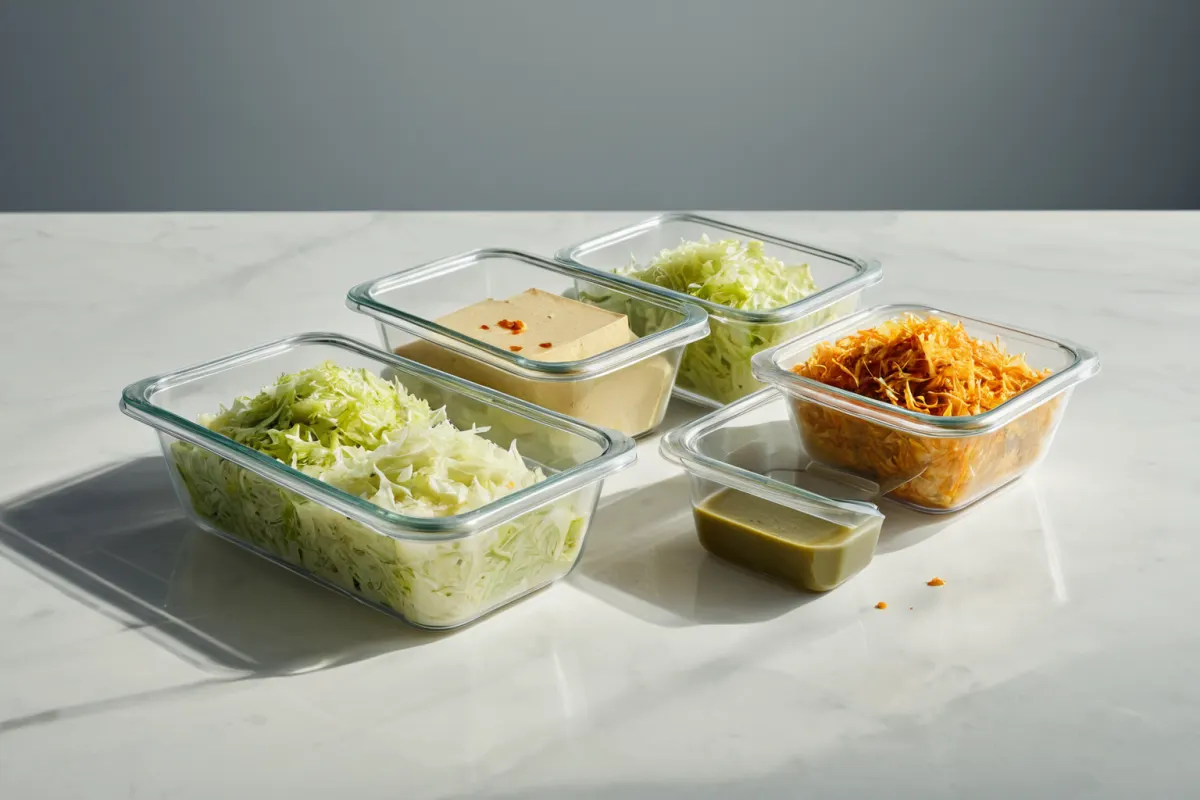
It’s better to add dressing just before eating rather than mixing it in ahead of time. Leaving it mixed for too long causes cabbage to wilt and tofu to crumble. For lunchboxes, the safest approach is to store tofu, cabbage, and dressing separately.
For example, if you prepare it in the morning, put tofu in one container, cabbage in another, and dressings in a small separate bottle. This simple method keeps texture intact until evening.
Explore similar posts on this topic all at once.
View Related ArticlesRecommended Refrigeration Time
Tofu cabbage salad is best consumed on the same day it’s made. If refrigerated, aim to eat it within one day. Tofu doesn’t keep well when unheated and can spoil faster, while cabbage loses its crunch over time.
Store in the inner part of the fridge rather than the door for more stable temperatures. Use airtight containers, and if possible, choose shallow dishes to minimize air exposure.
If planning to eat it the next day, check for odors and excess moisture before eating. If tofu smells sour or there’s pooling liquid at the bottom, discard it to avoid food safety risks.
Reheating When Needed
Tofu cabbage salad is typically eaten cold, but if you prefer warm tofu, heat only the tofu separately, not the entire salad. Heating the cabbage along with tofu will cause it to wilt and release more water.
If using a microwave, transfer tofu to a small dish and heat for 20–30 seconds, checking its texture. Overheating can make tofu dry and crumbly. Adding fresh dressing after reheating enhances flavor significantly.
Another option is to lightly warm tofu on a pan over low heat without adding much oil—just gently heat the surface of the tofu while keeping cabbage raw for better texture.
Why Storage Often Fails
The main reason for failure lies in ingredient properties. Tofu is soft and moisture-rich, easily absorbing surrounding odors, while shredded cabbage releases water quickly as its cells break down. Mixing dressing early worsens this effect, causing more liquid to accumulate over time.
Temperature changes also play a role. Repeatedly opening the fridge door can cause condensation, leading to droplets that make the salad slimy. This is why portioning in single-serving amounts works best.
A common mistake is shredding cabbage too far ahead of time. Left sitting for long periods, it either dries out at the edges or becomes watery—both ruining texture. Ideally, prepare cabbage just before eating.
Practical Lunchbox Example
For lunchboxes, proper organization makes all the difference. One container can hold drained cabbage as a base, another holds cubed tofu, and dressing goes in a separate small bottle to prevent mixing during transport.
If eating at noon, refrigerate overnight and mix with dressing just before serving. For warm tofu, microwave it for about 20 seconds while keeping the cabbage raw—this combination of cold vegetables and warm tofu creates a pleasant contrast.
This salad also makes a great diet-friendly meal. It’s satisfying without being heavy, offering a good alternative to plain chicken breast. Just be careful not to overuse dressing, which can quickly increase calorie content.
Best Dressing Combinations
The right dressing completely changes the flavor profile of tofu cabbage salad. A simple, balanced mix of soy sauce, vinegar, and sesame oil in small amounts works well. Adding a little toasted sesame seeds makes it less bland.
For something lighter, try plain yogurt with lemon juice—though this combination may separate if stored for too long, so it’s better suited for immediate consumption. For spice lovers, a pinch of chili powder adds a nice kick.
The key is managing moisture first before adding dressing. Only after drying tofu and cabbage properly can you add any dressing without losing the salad’s clean taste.
Final Check Before Eating
Always check your refrigerated tofu cabbage salad before eating. If tofu feels slimy, cabbage turns yellowish, or smells off, it’s best to discard it. Summer storage times should be even shorter due to higher temperatures.
If the only issue is minor moisture, simply drain the liquid and add fresh dressing—start with less seasoning since cold food often tastes milder than expected, making over-salting a common mistake.
FAQ
Q. Can I make tofu cabbage salad ahead and eat it the next day?
A. Yes, but eating it on the same day is best. If planning to eat it later, store ingredients separately and keep dressing apart.
Q. Is it okay to reheat the entire salad in a microwave?
A. Not recommended. Heating cabbage along with tofu causes it to wilt quickly—reheating only the tofu gives better results.
Q. What’s most important when eating this as part of a diet plan?
A. Control dressing amount and remove excess moisture from ingredients first. This keeps calories low while maintaining texture.
Storage guidelines may vary by region or season, so always double-check before preparing large batches.
Continue exploring similar topics.
View Category ArticlesFAQ
Can I make tofu cabbage salad ahead and eat it the next day?
Yes, but eating it on the same day is best. If planning to eat it later, store ingredients separately and keep dressing apart.
Is it okay to reheat the entire salad in a microwave?
Not recommended. Heating cabbage along with tofu causes it to wilt quickly—reheating only the tofu gives better results.
What’s most important when eating this as part of a diet plan?
Control dressing amount and remove excess moisture from ingredients first. This keeps calories low while maintaining texture.
Korean Source
This article is an English localization of a Korean-language report from BlogScore. Original: 두부 양배추 샐러드 실패 줄이는 보관 방법과 재가열