
How to Stay Safe in Yangsan's Extreme Heatwave: A 40°C+ Survival Guide
How to Cope With Yangsan's Extreme Heatwave at 40°C+
Yangsan in Gyeongnam recorded a historic high of 42.5°C, the highest temperature ever measured in the region's meteorological history. The government has elevated its heatwave emergency response to Level 2 and is focusing on protecting vulnerable populations and minimizing damage to agriculture and fisheries. Yangsan has now seen temperatures above 40°C for five consecutive days, making this extreme heat a new normal.
The Reality of Temperatures Above 40°C
Yangsan recently recorded a historic high of 42.5°C, reaching severe levels of heatwave conditions. The government has elevated its heatwave emergency response to Level 2 and issued interagency directives for comprehensive action. Yangsan has maintained temperatures above 40°C for five consecutive days, with this extreme weather becoming normalized in daily life.
In Seoul, there have been cumulative reports of 144 heat-related illnesses, prompting vulnerable populations to seek refuge in bathhouses. The WHO has warned that using fans during heatwaves exceeding 40°C can be risky, as it may raise body temperature and increase the risk of heatstroke—a critical piece of information for heatwave preparedness.
Notably, Yangsan's extreme heat has persisted since July 31, 2026, with temperatures remaining above 40°C as of August 2. This represents an unprecedented short-term heatwave in the Gyeongnam region, which the Korea Meteorological Administration has classified as a record-breaking event. The city's urbanization and intensified urban heat island effect have likely contributed to these extreme conditions.
The historic high of 42.5°C was recorded around 2 p.m. on August 2 in Yangsan. This temperature is among the most severe nationwide, with even major cities like Seoul experiencing temperatures above 39°C. However, Yangsan has been particularly affected due to its urban heat island effect, maintaining higher-than-average temperatures compared to typical heatwaves.
Understanding Heatwave Emergency Response Levels
Elevating the heatwave emergency response to Level 2 indicates that conditions have reached a critical stage. At this level, measures include protecting vulnerable populations, minimizing agricultural and fisheries damage, and mitigating urban heat island effects.
Since the government raised its heatwave emergency response to Level 2, Gyeongnam Province has expanded shelter facilities specifically for vulnerable groups in coordination with local authorities. Bathhouses and public swimming pools are being opened free of charge as venues where people can regulate body temperature indoors.
In agriculture, water management practices have been strengthened, particularly for orchards and vegetable farms in Yangsan. Additional irrigation infrastructure has been installed to prevent crop damage from the extreme heat.
To mitigate urban heat island effects, Gyeongnam Province is implementing measures such as using reflective materials on road surfaces and expanding parks and green spaces. These efforts aim to reduce perceived temperatures within the city during prolonged heatwaves.
WHO Warning: Using Fans During Extreme Heat Can Be Dangerous
The WHO has warned that using fans during heatwaves exceeding 40°C can be risky, as it may raise body temperature and increase the risk of heatstroke.
Indeed, Seoul reported a cumulative total of 144 cases of heat-related illnesses, highlighting the urgent need for effective heatwave preparedness. Vulnerable groups have been actively seeking refuge in bathhouses and other public facilities.
This warning is being incorporated into educational and promotional campaigns about heatwave safety. The government and local authorities are providing tailored heatwave response guides based on this information to residents.
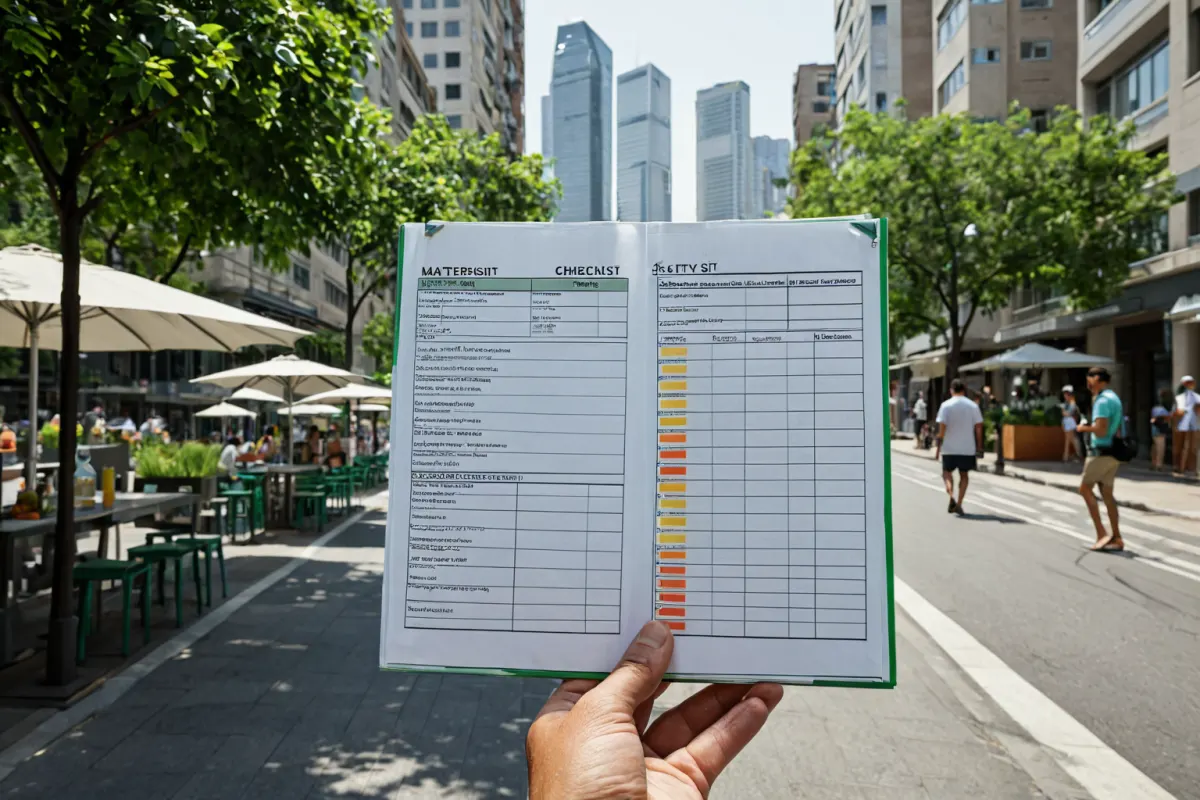
Essential Pre-Outing Checklist
Before heading out, be sure to check these essential items. First, staying hydrated is critical—drink 2-3 liters of water daily. Second, wear lightweight clothing made from moisture-wicking materials to help regulate body temperature.
Third, avoid using fans during extreme heat above 40°C as warned by the WHO. Instead, seek shelter in shaded areas or use air-conditioned facilities. Fourth, adjust your outdoor schedule to before 9 a.m. or after 4 p.m., when sunlight is less intense.
Fifth, apply sunscreen. High UV levels accompany extreme heat, making skin protection essential—especially in Yangsan, where the urban heat island effect can make UV exposure feel more intense. Sixth, check your surroundings; surfaces like roads and building walls can radiate heat, raising perceived temperature, so choose shaded paths when possible.
Measures for Vulnerable Populations
Vulnerable populations face greater risks during heatwaves. Seeking refuge in bathhouses or public facilities is an effective strategy as it allows easier indoor temperature regulation.
Gyeongnam Province has strengthened its measures to protect vulnerable groups, particularly after the heatwave emergency response was elevated to Level 2. This includes establishing dedicated safety networks targeting elderly individuals and those with chronic conditions.
Specifically, Gyeongnam has established a community-based 'Heat Safety Network' system designed to enable residents to check on each other's well-being and provide immediate assistance when needed.
Additionally, educational programs focused on heatwave response are being actively conducted for vulnerable populations. These sessions emphasize proper actions during heatwaves, including the importance of seeking refuge in bathhouses and staying hydrated.
Key Information to Monitor
Yangsan has maintained temperatures above 40°C for five consecutive days, following a recorded high of 42.5°C—the highest ever measured in its meteorological history.
The government has elevated the heatwave emergency response to Level 2 and is focusing on protecting vulnerable populations and minimizing agricultural and fisheries damage—a systematic approach to heatwave management.
Yangsan, a rapidly urbanizing area, has experienced intensified urban heat island effects, contributing to more severe heat conditions. The Korea Meteorological Administration continues to monitor these developments closely and recommends additional response measures as needed.
Agricultural and fisheries sectors have reported damage due to the extreme heat, with support and compensation plans currently under review. Gyeongnam Province is holding expert meetings to explore solutions for mitigating further impacts.
Frequently Asked Questions
Is it dangerous to use fans during heatwaves above 40°C?
The WHO warns that using fans during heatwaves exceeding 40°C can be risky, as they may raise body temperature and increase the risk of heatstroke.
What is the most important item in the pre-outing checklist?
Staying hydrated and wearing lightweight clothing are the most critical items. Drink plenty of water and wear moisture-wicking fabrics to help regulate body temperature.
How do vulnerable populations seek refuge during heatwaves?
Vulnerable groups find effective refuge in bathhouses or public facilities, as these indoor spaces allow for easier temperature regulation.
You can view similar articles on this topic all at once.
View Related ArticlesFAQ
Is it dangerous to use fans during heatwaves above 40°C?
The WHO warns that using fans during heatwaves exceeding 40°C can be risky, as they may raise body temperature and increase the risk of heatstroke.
What is the most important item in the pre-outing checklist?
Staying hydrated and wearing lightweight clothing are the most critical items. Drink plenty of water and wear moisture-wicking fabrics to help regulate body temperature.
How do vulnerable populations seek refuge during heatwaves?
Vulnerable groups find effective refuge in bathhouses or public facilities, as these indoor spaces allow for easier temperature regulation.
Korean Source
This article is an English localization of a Korean-language report from BlogScore. Original: 경남 양산 폭염 40도 대응법: 외출 전 필수 체크리스트