
How to Start Legal Action After Uchang Konecta's Mass Layoffs?
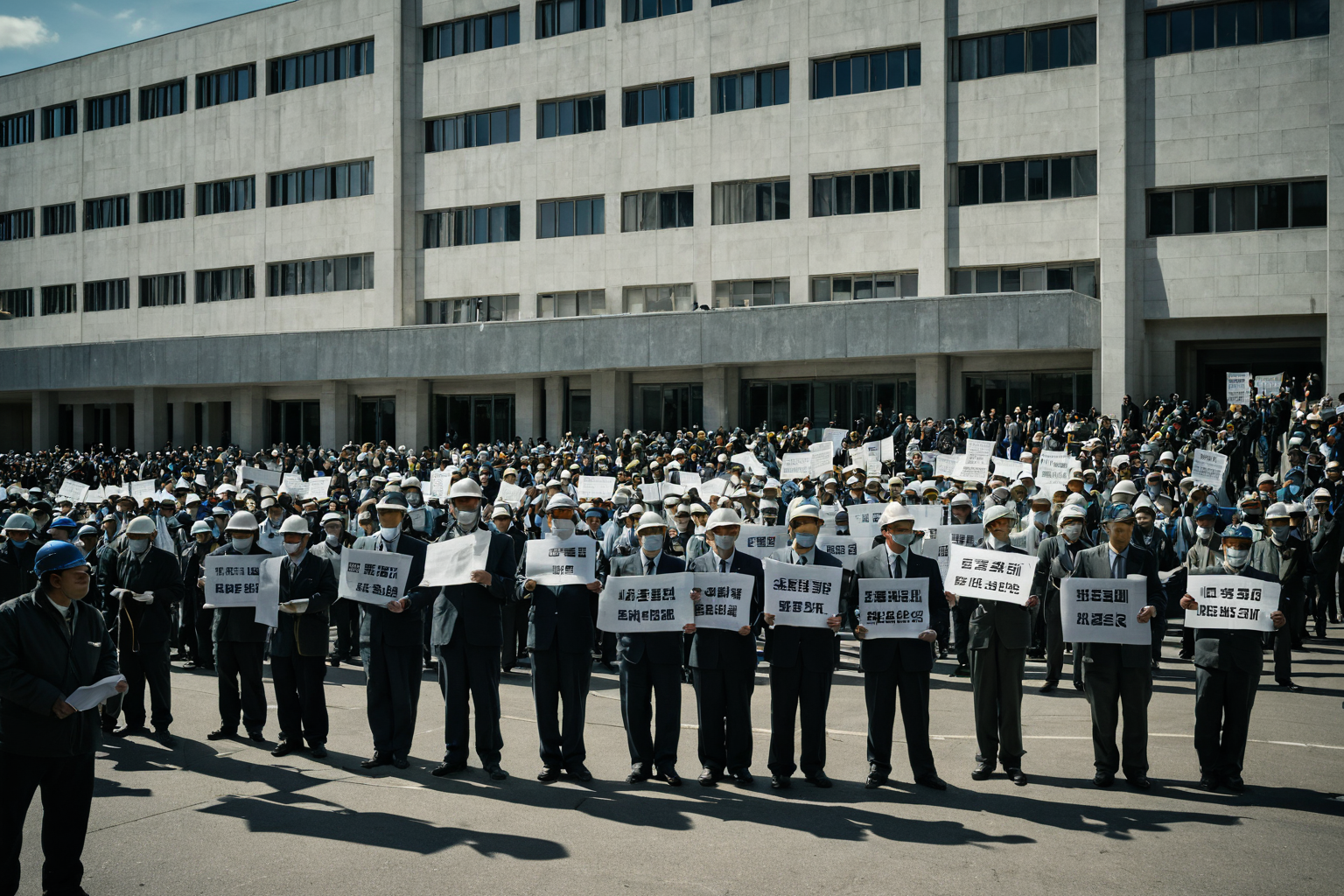
Uchang Konecta Mass Layoffs and Alleged Planned Bankruptcy
On February 5, 2026, workers at Uchang Konecta in Cheonan were abruptly told to pack their belongings and leave within an hour. This incident sparked public controversy as workers protested against the alleged 'planned bankruptcy' and mass layoffs, staging sit-ins and protests outside the Blue House.
Date and Method of Mass Layoffs
Uchang Konecta carried out mass layoffs on February 5, 2026, instructing workers to pack up and leave within an hour. This forced workers to depart immediately after being notified just two hours before their shift ended. The company cited 'planned bankruptcy' as justification, but workers questioned the move since the company was reportedly profitable.
Workers' Tactics of Resistance
After the layoffs, union members and workers staged sit-ins and protests outside the Blue House to demand resolution regarding the alleged planned bankruptcy and mass layoffs. On March 18, 2026, over 1,000 workers protested at the Blue House, demanding their right to survival. Later, workers entered a fourth hunger strike, arguing that 'only workers are abandoned while production continues,' drawing public attention.
By July 16, 2026, Uchang Konecta workers had begun their fourth hunger strike, with union members warning of over 120 days of strikes. Their hunger strike began as dissatisfaction grew over the 'two hours before shift end' layoff incident.
Alleged Planned Bankruptcy and Legal Action
Uchang Konecta is undergoing corporate recovery procedures while facing allegations of 'planned bankruptcy.' Workers challenged the court's bankruptcy ruling with immediate appeals. The Gyeonggi Provincial Government established a joint task force (Common Committee) demanding that the company guarantee employment and restart operations.
On February 14, 2026, Kyungin Ilbo reported on 'losing a 30-year workplace'... Uchang Konecta's 'planned bankruptcy' controversy. On February 26, the committee was launched at Gyeonggi Provincial Government, announcing plans for city-wide protests. On April 22, workers from Uchang Konecta staged a walk to the Blue House demanding government intervention.
Profitable Company Yet Bankrupt
Uchang Konecta unexpectedly went bankrupt six years after being acquired, despite reportedly being profitable. This is one reason workers claim it was 'planned bankruptcy.' The company proceeded with layoffs through bankruptcy procedures, but workers viewed this as a 'cover-up' and felt marginalized.
Response and Social Controversy
The workers' hunger strike began on June 17, 2026, and continued for 28 days. According to the Kyunghyang Shinmun, they are seeking legal recourse after losing their jobs. Protests outside the Blue House and marches have increased public attention, urging government intervention.
On May 22, 2026, Kim Kwang-soo, committee chairman, stopped his hunger strike on the 25th day due to deteriorating health. Workers continue to request sustained attention for their ongoing protest.
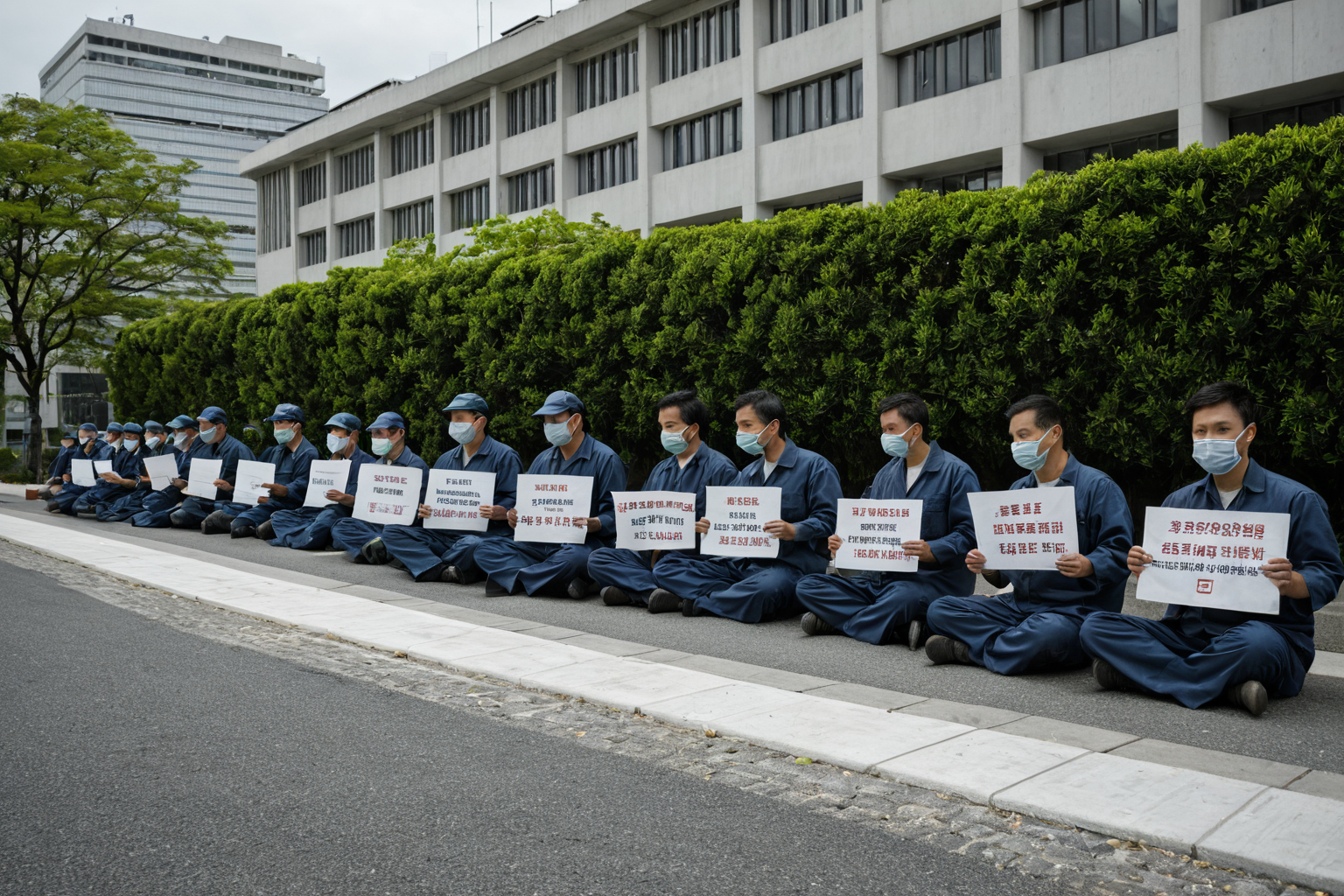
Timeline of Layoffs and Bankruptcy Incidents
On February 5, 2026, Uchang Konecta instructed workers to pack up and leave within an hour. This required them to quickly gather their belongings before the end of their shift.
On March 18, 2026, over 1,000 workers protested at the Blue House demanding survival rights. This was the first large-scale protest after layoffs, raising voices for government intervention.
On April 22, 2026, Uchang Konecta laid-off workers marched to the Blue House demanding government action. They chanted 'Guarantee employment and restart operations.'
On May 22, 2026, Kim Kwang-soo stopped his hunger strike on the 25th day due to health deterioration.
On July 16, 2026, Uchang Konecta workers entered their fourth hunger strike, arguing that 'only workers are abandoned while production continues,' sparking public debate.
Investigation into Alleged Planned Bankruptcy
The bankruptcy process revealed workers were marginalized. Workers claim the company prepared for bankruptcy in advance, suggesting a 'planned bankruptcy.' By July 16, 2026, allegations that Uchang Konecta had prepped both 'bankruptcy and union response' were raised.
Workers demand an end to the cover-up bankruptcy process by Mobais and seek employment responsibility. This supports their claim that the company tried to marginalize workers through bankruptcy procedures.
Legal Action and Social Impact
Uchang Konecta workers filed immediate appeals after the court's bankruptcy ruling. This is a legal expression of dissatisfaction with the sudden bankruptcy despite the company being profitable.
The Gyeonggi Provincial Government established a joint task force, demanding that the company guarantee employment and restart operations. This signals strong action against the company.
Verified Information
The 'planned bankruptcy' allegation at Uchang Konecta has not been confirmed yet. Workers' claims and the company's explanations differ, with legal procedures ongoing. The exact reason for the unexpected bankruptcy of a reportedly profitable company requires further investigation.
The workers' hunger strike began on June 17, 2026, and continued for 28 days as of July 15. This shows their efforts to seek legal recourse after being laid off.
Frequently Asked Questions
What is the basis for claiming Uchang Konecta carried out 'planned bankruptcy'?
Workers claim the company appeared to have prepared for bankruptcy in advance, particularly noting that a profitable company suddenly announced layoffs.
Why are Uchang Konecta workers conducting hunger strikes?
After being told to leave within an hour, they lost their jobs and are protesting the alleged 'planned bankruptcy' while seeking legal action and resolution through hunger strikes.
What issues have workers faced due to 'planned bankruptcy'?
Workers were suddenly laid off despite being at a profitable company, and were marginalized during the company's bankruptcy process. This has caused loss of daily life stability and economic security, leading them to seek resolution through legal action.
Frequently Asked Questions
The Uchang Konecta mass layoffs and alleged planned bankruptcy have led to worker protests and social controversy. After layoffs, workers held sit-ins outside the Blue House, staged marches, established a joint committee, and drew public attention with their slogan 'only workers are abandoned while production continues.' This case has sparked serious debate over corporate responsibility and workers' rights, particularly focusing on why a profitable company suddenly went bankrupt.
You can view similar articles about this topic in one place.
View Related ArticlesFAQ
What is the basis for claiming Uchang Konecta carried out 'planned bankruptcy'?
Workers claim the company appeared to have prepared for bankruptcy in advance, particularly noting that a profitable company suddenly announced layoffs.
Why are Uchang Konecta workers conducting hunger strikes?
After being told to leave within an hour, they lost their jobs and are protesting the alleged 'planned bankruptcy' while seeking legal action and resolution through hunger strikes.
What issues have workers faced due to 'planned bankruptcy'?
Workers were suddenly laid off despite being at a profitable company, and were marginalized during the company's bankruptcy process. This has caused loss of daily life stability and economic security, leading them to seek resolution through legal action.
Korean Source
This article is an English localization of a Korean-language report from BlogScore. Original: 우창코넥타 집단해고 피해자, 법적 대응 절차 어떻게 시작할까?