
How to Spot a Meteor Shower and Best Viewing Tips for International Observers
When Meteor Showers Occur
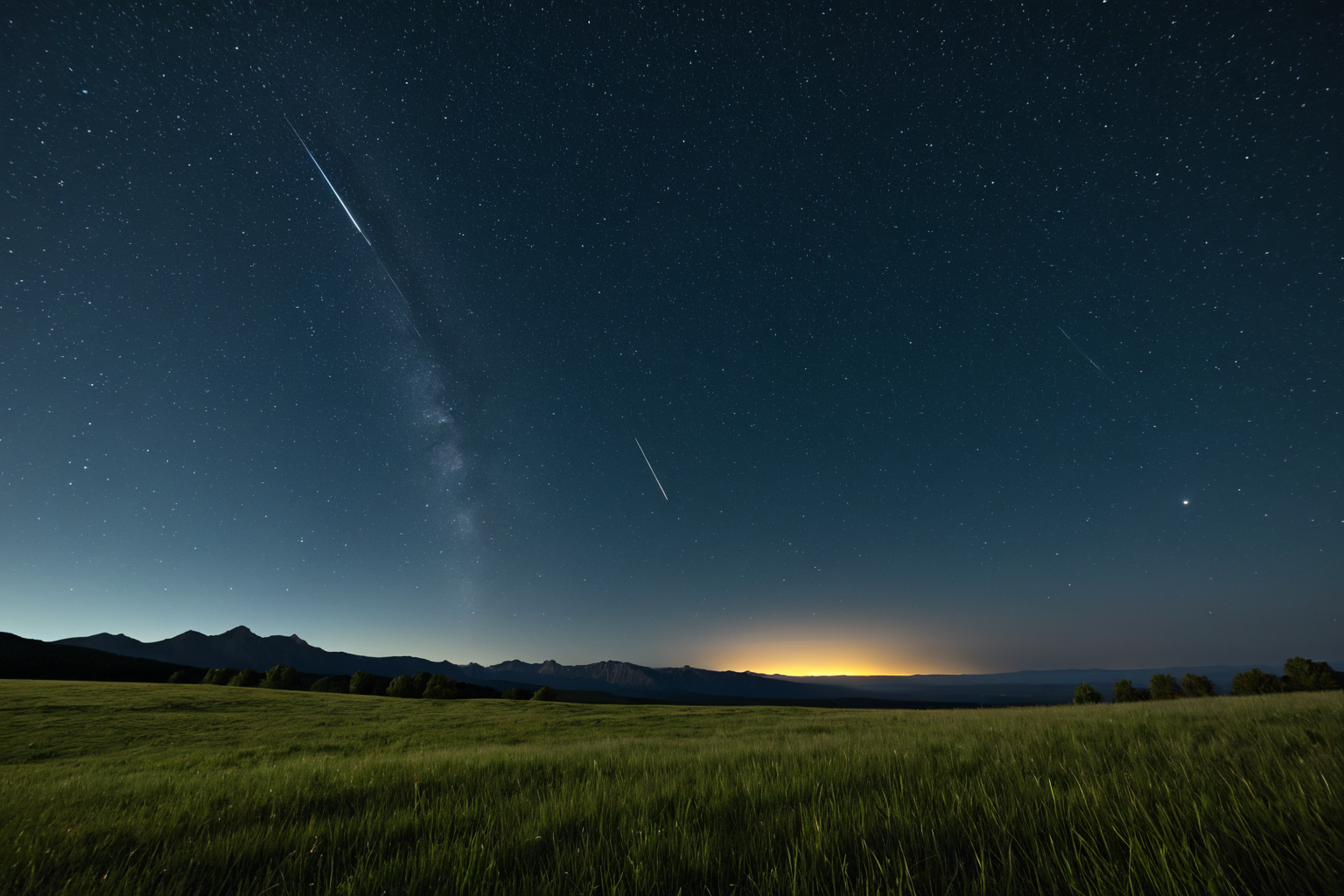
To observe meteor showers, it's essential to know the peak times of major events. The Perseid meteor shower peaks in mid-August, with the optimal viewing time being the early morning of August 13-14, 2026. The Geminid meteor shower is scheduled for December 13-14, 2025, and again in December 2026, with special observation events at Incheon Ganghwa Astronomical Science Center.
How to Check Peak Meteor Shower Times
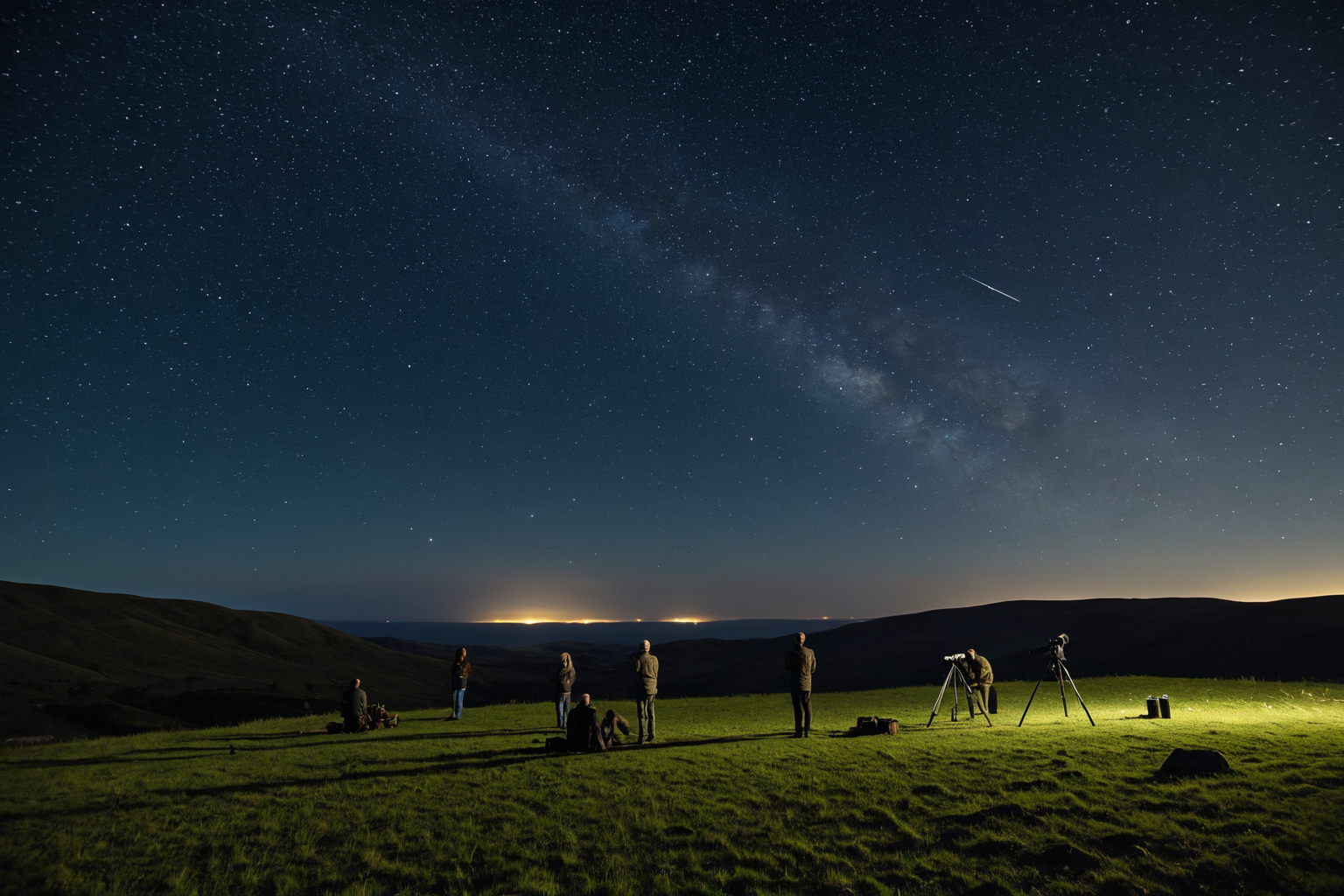
Meteor shower peaks occur annually at specific times and locations. The Perseid meteor shower reaches its peak in mid-August, with the best viewing time being early morning of August 13-14, 2026. It's known that the peak occurs about two hours before dawn. Therefore, the ideal observation window is from the night of August 13 to the morning of August 14.
The Geminid meteor shower occurs around mid-December. Observations are possible on December 13-14, 2025, and in December 2026. The Incheon Ganghwa Astronomical Science Center will host a special observation event, and the Jeungpyeong Joogusan Star Heaven Park is also suitable for viewing meteor showers under winter night skies.
The Lyrid meteor shower can be observed on the morning of April 23, 2026, at around 3 AM. It's one of the annual meteor showers that draws attention alongside the Perseids and Geminids.
Important Tips for Observation
For optimal meteor shower viewing, choose clear skies and dark locations away from city light pollution. In urban areas with significant light pollution, it's difficult to see meteors clearly. Therefore, seek out places with natural scenery and minimal lighting.
When observing the Perseid meteor shower on the early morning of August 13-14, 2026, the two hours before dawn are considered optimal. This is when meteors appear brightest and most frequently. Additionally, clear weather is essential as clouds or rain can obstruct visibility.
For observing the Geminid meteor shower in December 2025, participating in the special observation event at Incheon Ganghwa Astronomical Science Center is recommended. Experts will provide explanations while you observe. Jeungpyeong Joogusan Star Heaven Park is also an ideal location for enjoying winter night skies.
Viewing Tips
When observing meteor showers, it's best to let your eyes adjust to the dark for as long as possible. It typically takes about 20-30 minutes for your eyes to adapt. Therefore, upon arriving at the observation site, take time to look around and allow your eyes to adjust before beginning your observation.
Meteors usually streak across the sky quickly, so it's recommended to scan multiple directions during viewing. For example, the Perseid meteor shower is most visible in the eastern sky, making it ideal to focus on that direction.
For observing the Lyrid meteor shower on the morning of April 23, 2026, at around 3 AM, using a night camera or optical equipment can provide clearer views. However, many people find that observing with the naked eye is sufficient for an enjoyable experience.
Recommended Observation Locations
Incheon Ganghwa Astronomical Science Center hosts special events for Geminid meteor shower observation. The center offers expert explanations and a natural setting ideal for stargazing.
Jeungpyeong Joogusan Star Heaven Park is also well-suited for viewing winter night skies, with minimal lighting and beautiful natural scenery that provides an optimal environment for observing meteors.
The coastal city of Donghae will host 'Shooting Star Mung' events and Perseid meteor shower observation on the early morning of August 13-14, 2026. Located away from urban areas, this location has minimal light pollution, making it ideal for observing meteors.
It's important to check weather conditions and cloud cover before your observation. Poor weather on August 13-14, 2026, could make meteor viewing difficult.
Additional Information on Meteor Shower Peaks
The Perseid meteor shower peaks in mid-August, with the best time to view it being early morning of August 13-14, 2026. The peak is known to occur about two hours before dawn.
The Geminid meteor shower occurs around mid-December, with observation opportunities on December 13-14, 2025, and in December 2026. Incheon Ganghwa Astronomical Science Center will host special observation events, and Jeungpyeong Joogusan Star Heaven Park also offers viewing opportunities.
The Lyrid meteor shower can be observed on the morning of April 23, 2026, at around 3 AM. It's one of the annual meteor showers that draws attention alongside the Perseids and Geminids.
Meteor shower peaks occur annually at specific times and locations. Therefore, it's advisable to check the peak time for your chosen meteor shower before planning your observation.
Additional Tips and Considerations
For optimal meteor shower viewing, choose clear skies and dark locations away from city light pollution. In urban areas with significant light pollution, meteors are difficult to see clearly.
The two hours before dawn are the peak time for the Perseid meteor shower. Therefore, the ideal observation window is from the night of August 13 to the morning of August 14.
Choose locations with minimal lighting and beautiful natural scenery. Incheon Ganghwa Astronomical Science Center and Jeungpyeong Joogusan Star Heaven Park meet these criteria.
Frequently Asked Questions
What is the most important factor when observing a meteor shower?
The most important factors are clear skies and a dark location away from city light pollution. In areas with significant light pollution, it's difficult to see meteors clearly.
When is the peak time for the Perseid meteor shower?
The peak time for the Perseid meteor shower is early morning of August 13-14, 2026. It's known that the peak occurs about two hours before dawn.
Where can I observe the Geminid meteor shower?
The Incheon Ganghwa Astronomical Science Center hosts special observation events for the Geminid meteor shower. The Jeungpyeong Joogusan Star Heaven Park also offers opportunities to view meteors under winter night skies.
Meteor showers provide a wonderful opportunity to experience the beauty of nature. Don't miss the peak times for the Perseids in August 2026, Geminids in December 2025 and 2026, and Lyrids on April 23, 2026. Choose clear skies and dark locations for the best viewing experience.
You can find similar articles in one place.
View Related ArticlesFAQ
What is the most important factor when observing a meteor shower?
The most important factors are clear skies and a dark location away from city light pollution. In areas with significant light pollution, it's difficult to see meteors clearly.
When is the peak time for the Perseid meteor shower?
The peak time for the Perseid meteor shower is early morning of August 13-14, 2026. It's known that the peak occurs about two hours before dawn.
Where can I observe the Geminid meteor shower?
The Incheon Ganghwa Astronomical Science Center hosts special observation events for the Geminid meteor shower. The Jeungpyeong Joogusan Star Heaven Park also offers opportunities to view meteors under winter night skies.
Korean Source
This article is an English localization of a Korean-language report from BlogScore. Original: 유성우 떨어지는 시간 알아보는 방법과 관측 팁