
How to Respond to Ammonia Leaks: Safety Guidelines from the Lotte Wellfood Incident
How to Respond to Ammonia Leaks: Safety Guidelines from the Lotte Wellfood Incident
A ammonia leak incident occurred at Lotte Wellfood's Yeongdeungpo plant on August 21, 2026, with no reported injuries. The cause was identified as a 57-year-old aging pipeline system, prompting the company to issue an apology and commit to preventive measures.
Immediate steps to take during an ammonia leak include: First, move away from high-concentration areas to a safe distance. Second, wear respiratory protection or cover your nose and mouth with a damp cloth while breathing. Third, call 119 (Korea's emergency number) and inform on-site personnel of the incident.
Key Facts About Ammonia Leaks
Ammonia is a colorless gas with strong irritant properties and toxicity that can cause respiratory symptoms or eye irritation upon inhalation. The concentration level determines how urgently action must be taken. The August 21, 2026, incident at Lotte Wellfood's Yeongdeungpo plant was confirmed to result from aging pipelines.
Although ammonia levels were high inside the facility during the incident, no injuries occurred due to swift response efforts and on-site personnel actions.
Incident Details and Timeline
The leak happened at Lotte Wellfood's Yeongdeungpo plant on the morning of August 21, 2026. It originated from a pipeline system inside the facility, specifically due to cracks in aging pipes that released ammonia gas. High concentrations were detected in certain areas within the plant, but no injuries were reported.
On-site personnel immediately responded after the incident. Workers on-site moved to safe locations, and emergency services arrived quickly to measure gas levels and implement safety measures.
Cause Analysis
The main cause of the ammonia leak at Lotte Wellfood's Yeongdeungpo plant was a 57-year-old aging pipeline. The facility’s internal piping had been maintained in an outdated condition without regular inspections or repairs.
Additional details about the incident were reported on August 29, 2026, revealing that the plant’s internal pipeline system had not undergone routine maintenance for years. This neglect contributed to the leak due to pipe cracks and deterioration over time.
Response Measures and Safety Management
For ammonia leaks, immediate actions should include: First, move away from high-concentration areas. Second, wear respiratory protection or cover your nose and mouth with a damp cloth while breathing. Third, call 119 and inform on-site personnel of the situation.
Lotte Wellfood issued an apology after the incident and committed to preventive measures including regular pipeline inspections, replacing aging pipelines, and strengthening safety training for workers.
Regular maintenance is essential to prevent ammonia leaks. Older pipeline systems should be inspected periodically to avoid cracks or damage that could lead to gas release.
Ammonia Leak Response Procedure
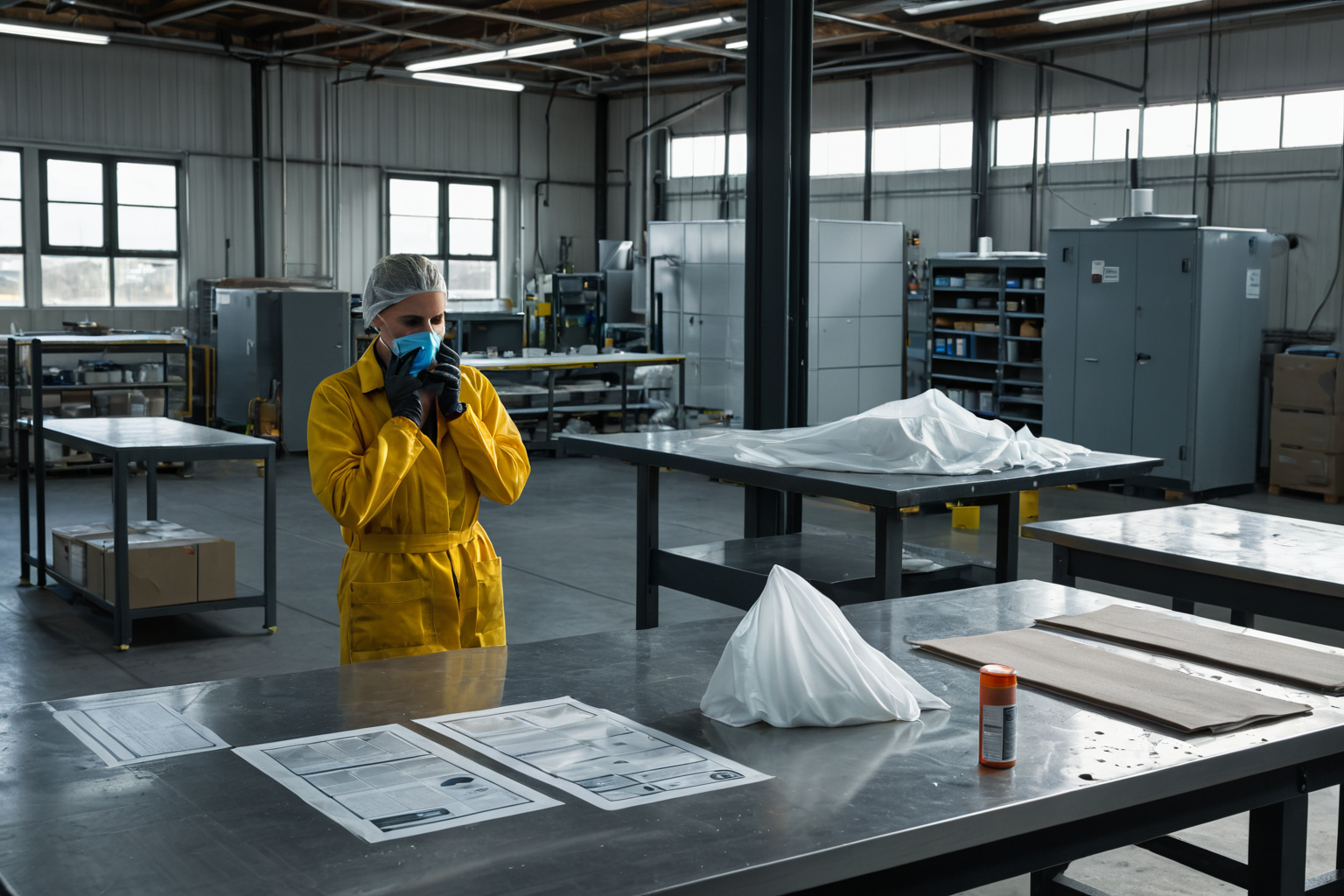
Immediate steps during an ammonia leak include: First, move to a safe location away from high gas concentration areas. Second, wear respiratory protection or cover your nose and mouth with a damp cloth while breathing. Third, call 119 and inform on-site personnel of the incident.
This procedure is critical for saving lives during an ammonia leak. Since ammonia is colorless and hard to detect without specialized equipment, quick action is necessary.
Key Information to Verify
The main verified details of the Lotte Wellfood Yeongdeungpo plant ammonia leak incident are: First, it occurred on August 21, 2026, with no injuries. Second, the cause was a 57-year-old aging pipeline. Third, the company issued an apology and committed to preventive measures.
The incident highlights that neglecting regular inspections contributed significantly to the accident. The outdated pipeline system had not received proper maintenance for years, leading to cracks and eventual leakage.
Frequently Asked Questions
What should I do if an ammonia leak occurs?
Move immediately to a safe location away from high gas concentration areas. Wear respiratory protection or cover your nose and mouth with a damp cloth while breathing, then call 119 and inform on-site personnel.
What is the main cause of ammonia leaks?
The primary cause is aging pipelines that develop cracks over time. Older pipeline systems are more prone to physical damage and gas leaks due to deterioration.
What actions did Lotte Wellfood take after the incident?
Lotte Wellfood issued an apology and committed to preventive measures including regular pipeline inspections, replacing aging pipelines, and strengthening safety training for workers.
Frequently Asked Questions
Preventing ammonia leaks is crucial. Regular maintenance of older pipeline systems is essential. The Lotte Wellfood incident demonstrates that neglecting routine inspections can lead to serious accidents.
This incident serves as a reminder for all companies to prioritize safety management, especially regarding aging infrastructure and pipelines. Regular inspections and repairs are necessary to prevent future incidents.
Find similar articles on this topic in one place.
View Related ArticlesFAQ
What should I do if an ammonia leak occurs?
Move immediately to a safe location away from high gas concentration areas. Wear respiratory protection or cover your nose and mouth with a damp cloth while breathing, then call 119 and inform on-site personnel.
What is the main cause of ammonia leaks?
The primary cause is aging pipelines that develop cracks over time. Older pipeline systems are more prone to physical damage and gas leaks due to deterioration.
What actions did Lotte Wellfood take after the incident?
Lotte Wellfood issued an apology and committed to preventive measures including regular pipeline inspections, replacing aging pipelines, and strengthening safety training for workers.
Korean Source
This article is an English localization of a Korean-language report from BlogScore. Original: 롯데웰푸드 암모니아 누출 사고 대처 방법 및 안전 수칙