
How to Report Flood Damage and Receive Compensation in Gyeongnam: A Step-by-Step Guide
Flood Damage Situation in Gyeongnam
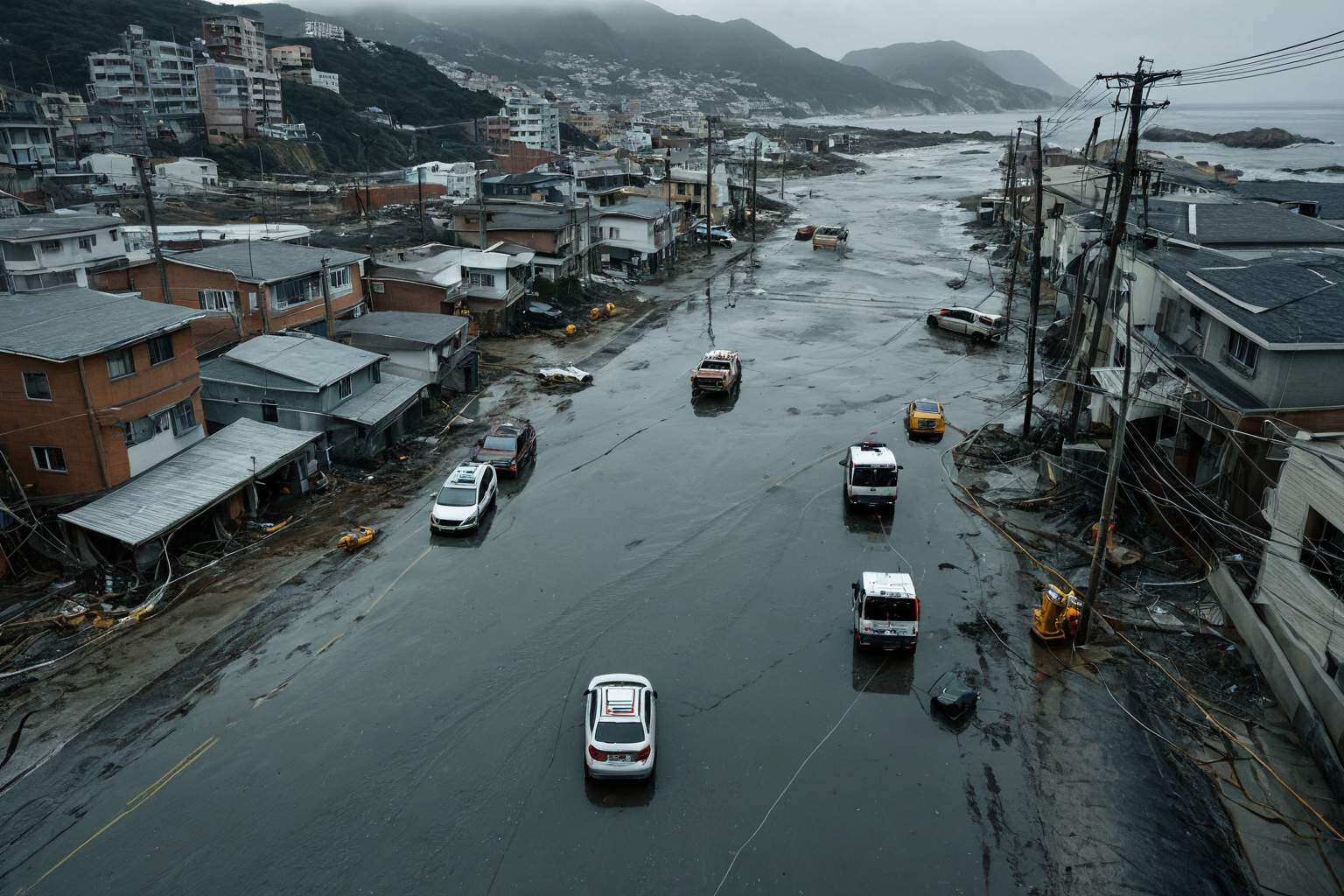
Heavy rains from mid-August caused severe damage across Busan, Gyeongnam, and Jeju. In the southern coastal areas, 568 people were evacuated and five fatalities occurred, with an estimated 1713 vehicles submerged, totaling over 14.5 billion won in damages. The Fire Administration has issued a national emergency mobilization order for rescue operations in Gyeongju and Tongyeong.
Additional Declaration of Special Disaster Area
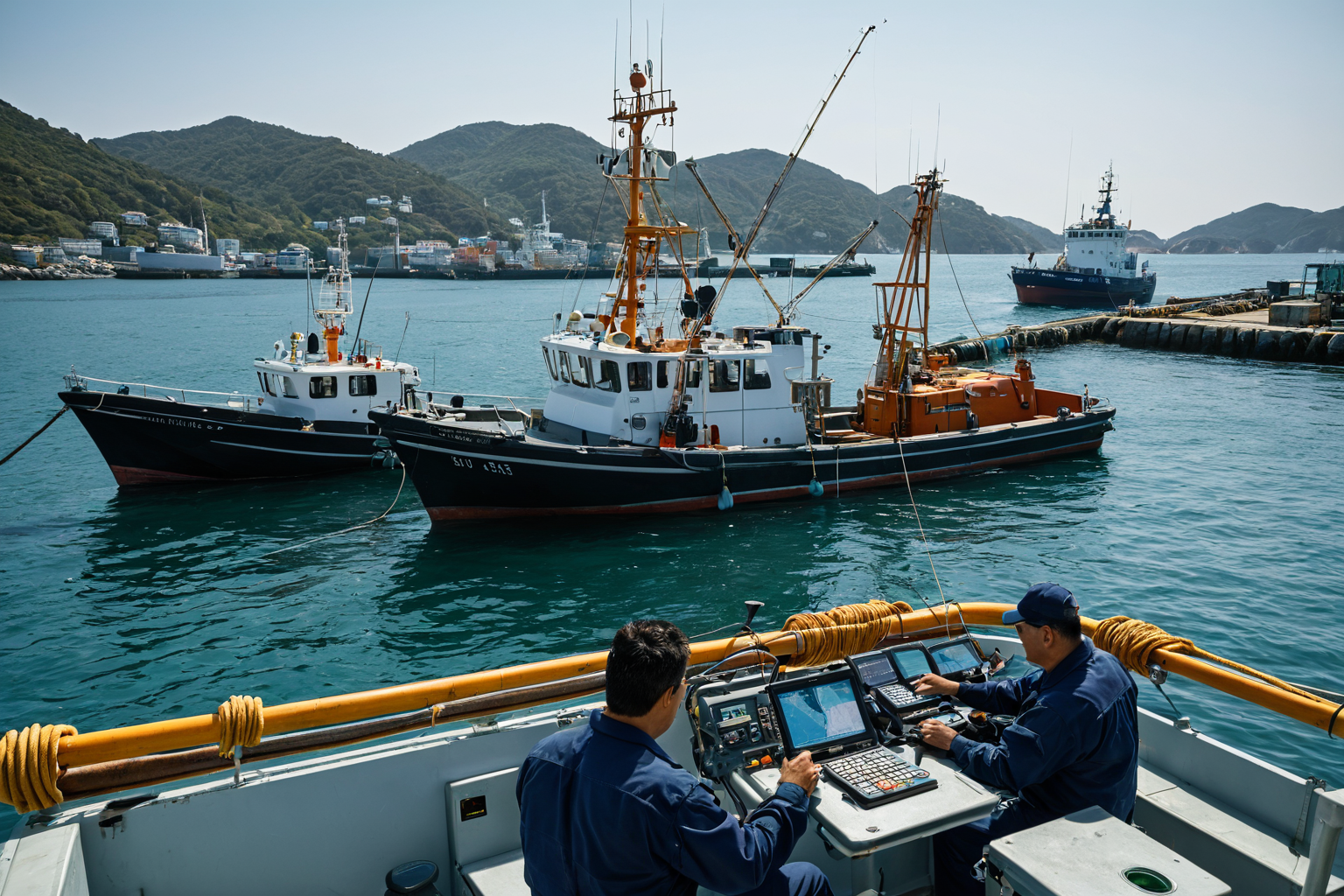
The President declared the entire city of Tongyeong as an additional special disaster area to expedite recovery efforts. While parts of Tongyeong were previously designated, this declaration now covers the whole city. Gyeongju has extended its private property damage reporting period due to the larger-than-expected scale of damages, which is estimated at 100 billion won.
Tongyeong was officially declared an additional special disaster area on September 4, and the application process for the Tongyeong-style livelihood support fund began. This fund provides 350,000 won per household, with applications opening on September 7.
Recovery Efforts and Support Policies
The government has shifted from the Central Disaster Response Headquarters to a Recovery Task Force to support daily life restoration. The Ministry of Public Safety and Security provided 660 million won in disaster relief funds for areas affected by floods between August 15-18. Over 85.2% of flood-related damages have been urgently restored.
Food and livestock businesses are eligible for up to a 30% reduction in HACCP inspection fees. KCA is conducting free inspections of communication equipment on fishing vessels in Gyeongju and Tongyeong, while the Small Shipbuilding Association has donated funds to aid recovery efforts in Gyeongju.
Tongyeong reported additional damage due to high water temperatures causing fish deaths at aquaculture facilities. This is believed to be related to the heavy rains, and the government is incorporating it into comprehensive recovery plans.
Incident Details and Damage Scale
Heavy rain struck Busan, Gyeongnam, and Jeju on August 17, prompting the activation of a Level 1 disaster response. The next day (August 18), 568 people were evacuated and five fatalities occurred in southern coastal areas. The Fire Administration then issued a national emergency mobilization order for rescue operations in Gyeongju and Tongyeong.
Gyeongju extended its private property damage reporting period until August 25, as the scale of damages was larger than anticipated, requiring additional investigation and compensation. Total flood damages in Gyeongju are estimated at 10 billion won, with over 9,500 reports filed.
Tongyeong reported high water temperature-related fish deaths on August 26, which is thought to be linked to the heavy rains. On September 4, the entire city of Tongyeong was declared an additional special disaster area.
Investigation and Recovery Process
The Korea Meteorological Administration attributes the heavy rains to concentrated moisture due to the influence of a high-pressure system over the North Pacific and westerly winds. This weather pattern persisted from mid-August, affecting southern coastal areas significantly.
In the recovery process, government and local authorities collaborated to accurately assess damage through reporting and on-site inspections. Gyeongju received over 9,500 reports of private property damage, with many related to submerged vehicles.
The government has completed urgent restoration for 85.2% of flood damages, with the remainder being addressed in phases. The Small Shipbuilding Association also donated funds to support recovery efforts in Gyeongju, demonstrating private sector involvement.
Response and Safety Information
The Ministry of Public Safety and Security provided 660 million won in disaster relief funds for areas affected by floods between August 15-18. This policy aims to support rapid recovery through simultaneous implementation of the livelihood support fund and disaster relief payments.
Businesses in food and livestock sectors are eligible for up to a 30% reduction in HACCP inspection fees, designed to assist businesses struggling due to damages. The Small Shipbuilding Association has donated funds to aid recovery efforts in Gyeongju.
KCA is conducting free communication equipment inspections on fishing vessels in Gyeongju and Tongyeong to ensure maritime safety, especially preventing communication disruptions caused by heavy rains.
Key Information to Verify
Tongyeong was declared an additional special disaster area on September 4, with the livelihood support fund application process now active. The extension of Gyeongju's private property damage reporting period until August 25 is due to larger-than-expected damage scale requiring further investigation and compensation.
The Tongyeong-style livelihood support fund provides 350,000 won per household, with applications starting on September 7. The government has transitioned from the Central Disaster Response Headquarters to a Recovery Task Force to support daily life restoration.
Frequently Asked Questions
When was Tongyeong declared an additional special disaster area?
September 4, when President Yoon declared the entire city of Tongyeong as an additional special disaster area.
Until when was Gyeongju's private property damage reporting period extended?
Until August 25, due to larger-than-expected damage scale requiring further investigation and compensation.
How much does the Tongyeong-style livelihood support fund provide?
350,000 won per household. Applications began on September 7.
Frequently Asked Questions
The severe flooding in Busan, Gyeongnam, and Jeju has prompted swift government and local responses with expanded support measures following Tongyeong's declaration as an additional special disaster area. The livelihood support fund and disaster relief payments are actively being distributed.
In Gyeongju and Tongyeong, specific recovery activities include free communication equipment inspections for fishing vessels and donations from the Small Shipbuilding Association to aid recovery efforts. Additionally, food and livestock businesses benefit from reduced HACCP inspection fees as part of support policies for affected businesses.
The heavy rains were caused by weather conditions involving moisture concentration due to a high-pressure system over the North Pacific and westerly winds. In the recovery process, government and local authorities have collaborated to assess damage accurately and provide timely assistance. Ongoing vigilance is required to prevent further damages.
View more articles on similar topics in one place.
View Related ArticlesFAQ
When was Tongyeong declared an additional special disaster area?
September 4, when President Yoon declared the entire city of Tongyeong as an additional special disaster area.
Until when was Gyeongju's private property damage reporting period extended?
Until August 25, due to larger-than-expected damage scale requiring further investigation and compensation.
How much does the Tongyeong-style livelihood support fund provide?
350,000 won per household. Applications began on September 7.
Korean Source
This article is an English localization of a Korean-language report from BlogScore. Original: 경남 집중호우 피해 신고 방법과 지원금 수령 절차