
How to Reduce Traffic Congestion at Baekhyun MICE Events
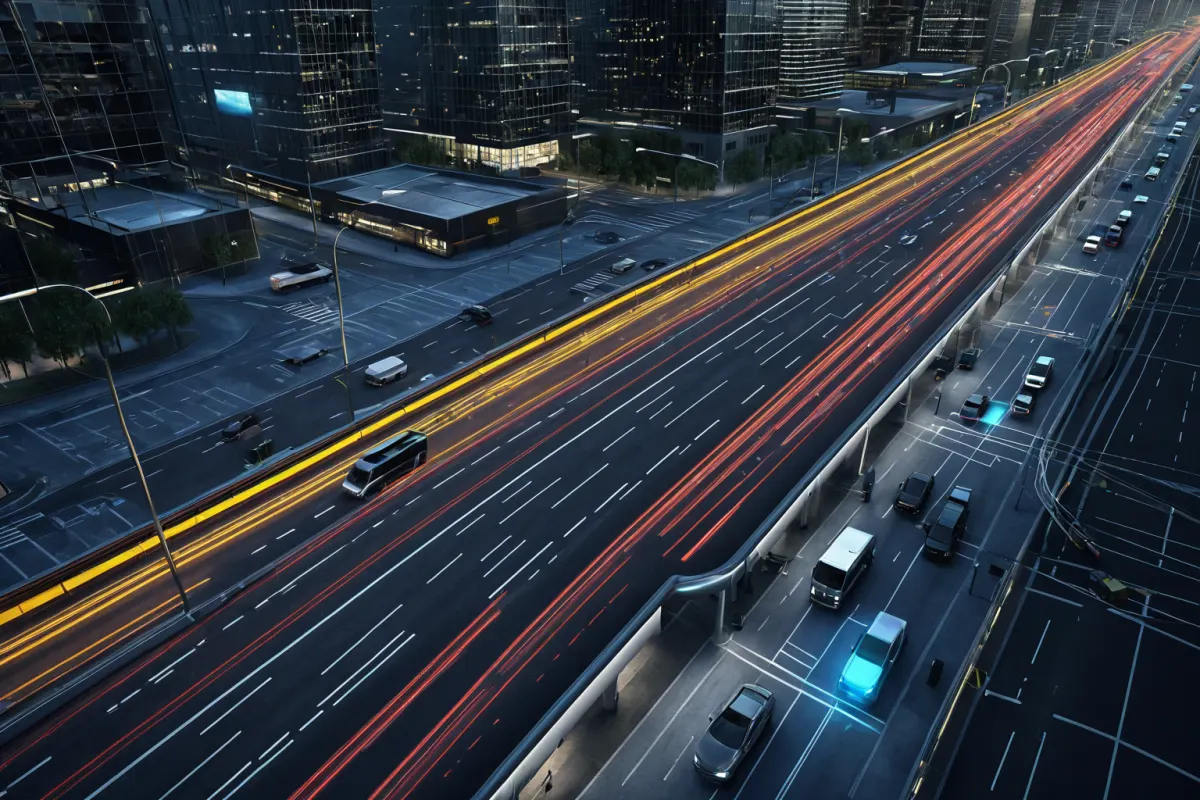
To reduce traffic congestion at Baekhyun MICE events, the key is avoiding mass vehicle arrivals. By dispersing entry times, enhancing shuttles, and adjusting parking guidance, congestion before and after events can significantly decrease.
Especially for large events where arrival times overlap, roads quickly become blocked, making pre-event planning more critical than on-site responses. Visitors need to understand in advance which routes to take and where to disembark.
Dispersing Entry Times
The most effective strategy is dividing entry times. If vehicles arrive simultaneously 1 hour before, 30 minutes before, or just before the event starts, parking lot entrances immediately get blocked.
For example, setting different entry times for invited guests, general attendees, and staff can prevent vehicle clusters. Sending time-specific instructions via text messages or separating QR check-in times is commonly used in practice.
Instead of vague advice like "Arrive early for convenience," clearly dividing groups (e.g., 2 PM vs. 3 PM entry) works much better. People respond to specific schedules, not general suggestions.
You can find similar articles on this topic in one place.
View Related ArticlesShuttle Bus Routes
At venues like Baekhyun MICE, where many vehicles arrive, shuttle buses play a direct role in easing congestion. Connecting nearby subway stations, temporary parking lots, and transfer points can significantly reduce the number of vehicles entering the venue.
The key is not just having shuttles but making their pickup and drop-off locations clear at a glance. If bus stops are complex, pedestrians and vehicles mix, worsening congestion.
For instance, operating the main entrance as a drop-off zone only and the outer temporary parking lot as a pick-up zone simplifies traffic flow. Separating pedestrian and vehicle routes reduces both congestion and accident risks.
Managing Parking Lot Entry Queues
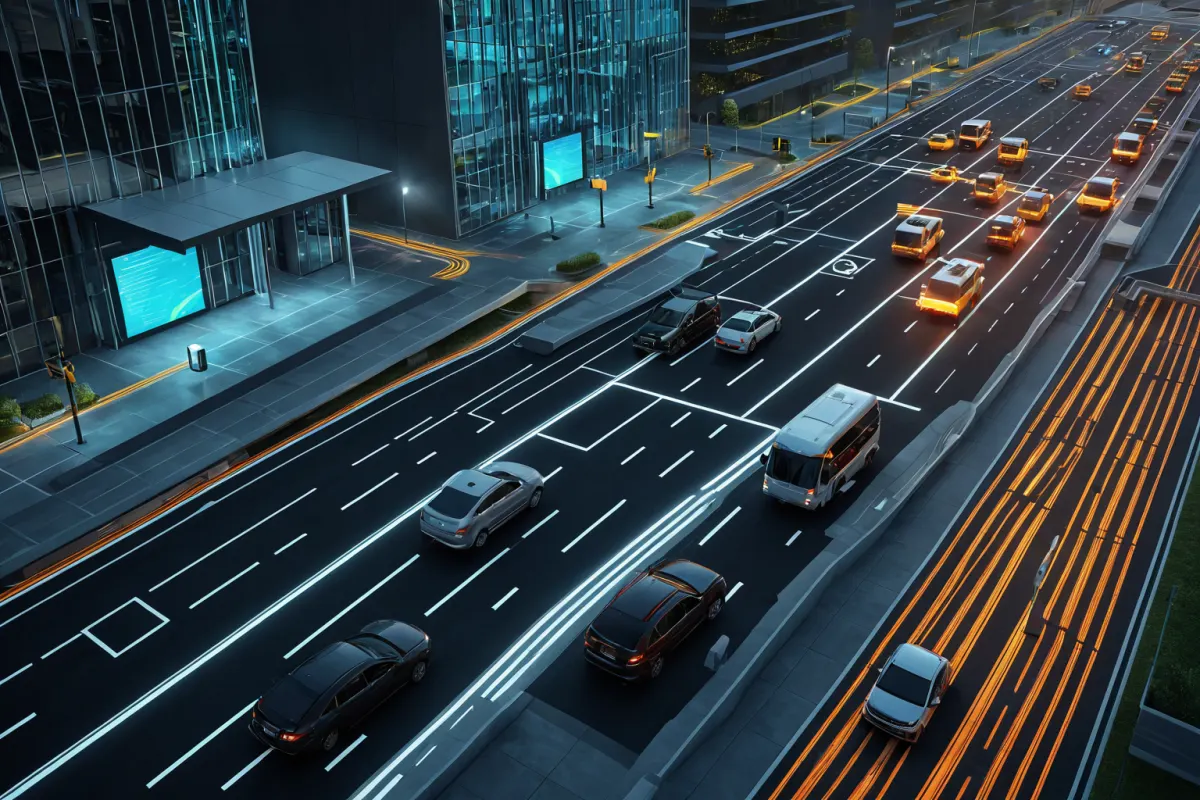
Traffic congestion often starts at the parking lot entrance rather than on roads. If payment, verification, and guidance are handled all at once, vehicles queue up long lines.
To address this, pre-payment systems, license plate recognition, and zone-specific guides can help. For example, separating A-zone for invited guests and B-zone for general visitors speeds up entry.
It’s also important to adjust guidance before parking lots fill up. Real-time updates on available spaces prevent vehicles from backing up at the entrance by directing them to alternative parking areas when full.
Promoting Public Transport
To reduce congestion, visitors need clear reasons to choose public transport. Simply stating "Recommended to use public transit" rarely changes behavior.
Providing details like subway travel time to the venue, shuttle frequency, and walking routes offers practical alternatives. First-time visitors often care more about navigation than parking, so addressing this uncertainty early helps.
For example, a concise phrase like "Shuttle runs every 7 minutes from Subway Exit 3" is easy to remember. This can be included in texts, invitations, or on-site banners.
Pre-Event Planning
The most overlooked aspect of reducing congestion at Baekhyun MICE events is pre-event communication. Even with strong on-site management, visitors arriving by car in large numbers creates limits.
Therefore, guides should include at least three key points: recommended entry times, parking availability, and alternative routes. Adding shuttle pickup locations increases the likelihood of actual behavioral change.
For example, "Recommended arrival before 2 PM, use outer temporary parking if full, shuttle boarding at North Plaza" is clear and concise. Long explanations are often ignored.
On-Site Staff Deployment
At busy events, staff should act as flow managers, not just guides. Deploying them at entrances, crosswalks, parking lot entries, and shuttle stops prevents tangled routes.
Especially in areas where vehicles often make U-turns, active control is needed. Navigation apps may direct drivers to roads that aren’t accessible, so on-site staff must quickly redirect traffic to alternative paths.
In practice, hand signals and clear signage work better than loud verbal instructions. Drivers need quick decisions, so visible guidance from a distance reduces congestion.
Real-World Example of Reduced Congestion
For large-scale events, moving entry time checks earlier and separating vehicle arrival zones is effective. For example, allowing only invited guests inside in the morning while directing general visitors to outer parking with shuttles.
Another method is splitting exit times. After an event ends, having everyone leave simultaneously causes exit congestion, so extending some booth hours slightly helps disperse traffic.
These approaches benefit visitors too. Predictable travel times (even if requiring a short walk) lead to higher satisfaction than waiting in traffic during entry.
The Core of Traffic Management
In summary, reducing congestion at Baekhyun MICE events comes down to three elements: reducing vehicle numbers, distributing time slots, and simplifying routes. One alone isn’t enough; all three must align for effectiveness.
Especially for larger events, assuming visitors will naturally disperse is unrealistic. Visitors tend to move in groups toward the easiest path, so organizers must proactively design traffic flow.
Parking lots, shuttles, guides, and on-site staff must deliver consistent messages. Inconsistent guidance only causes more vehicle tangles.
Frequently Asked Questions
Q1. What is the most effective traffic solution at Baekhyun MICE events?
Dispersing entry times and operating shuttle buses are the most direct solutions. Adding efficient parking lot queue management enhances congestion reduction.
Q2. What should be communicated to attendees first?
Recommended arrival time, parking availability, and shuttle pickup location should be prioritized. These three points help visitors decide their travel mode quickly.
Q3. What is most important on-site for reducing congestion?
Separating pedestrian and vehicle routes is key. Proper staff deployment and clear signage must work together to reduce on-site chaos.
Continue exploring similar topics.
View Category ArticlesFAQ
Q1. What is the most effective traffic solution at Baekhyun MICE events?
Dispersing entry times and operating shuttle buses are the most direct solutions. Adding efficient parking lot queue management enhances congestion reduction.
Q2. What should be communicated to attendees first?
Recommended arrival time, parking availability, and shuttle pickup location should be prioritized. These three points help visitors decide their travel mode quickly.
Q3. What is most important on-site for reducing congestion?
Separating pedestrian and vehicle routes is key. Proper staff deployment and clear signage must work together to reduce on-site chaos.
Korean Source
This article is an English localization of a Korean-language report from BlogScore. Original: 백현마이스 행사 때 교통 체증 줄이는 운영 방법은