
How to Receive a Monthly Pension of 100 Million Won with a Lump-Sum Annuity Calculator


How to Receive a Monthly Pension of 100 Million Won with a Lump-Sum Annuity Calculator
When purchasing an immediate annuity with a lump sum of 100 million won, the monthly payout varies by insurance provider. NH Nonghyup Life offers a lower published interest rate but pays out 443,000 won per month, while Post Office Insurance provides 510,000 won monthly for a 100 million won investment.
Variable annuities offer tax-free benefits if maintained for over 10 years, with monthly premiums under 1.5 million won or a lump sum of up to 100 million won. Returns can fluctuate between -32% and 506%, depending on fund performance.
Starting pension payments early at age 58 guarantees a 3% annual return, while extending to age 68 increases the return by an additional 7.2%. Converting retirement funds into annuities via an IRP account can reduce taxes by up to 30%.
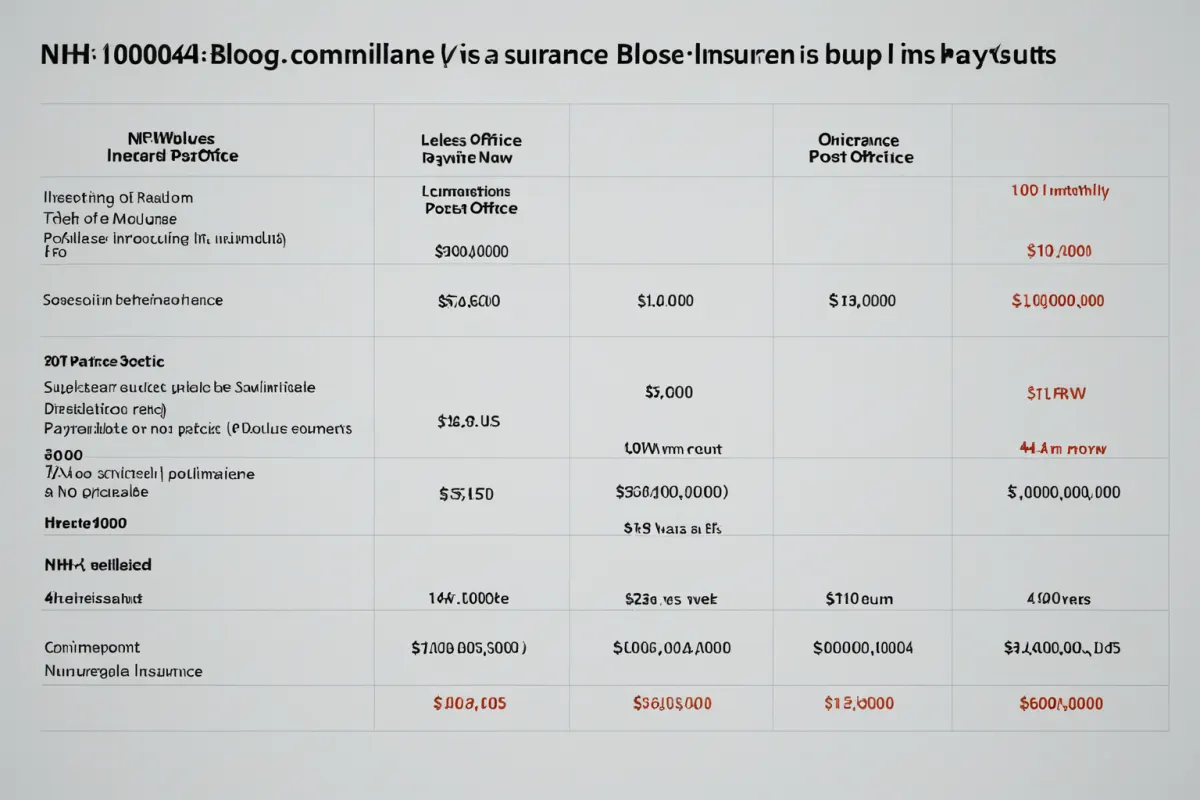
Monthly Payout Comparison by Insurance Provider
NH Nonghyup Life has a lower published interest rate but offers the highest monthly payout. With a 100 million won lump sum, it provides 443,000 won per month. In contrast, Post Office Insurance pays 510,000 won monthly for a 100 million won investment.
Published interest rates across insurers range from the high 3% to 4.0%, but actual payouts do not always align with these rates due to differing operational models and revenue structures.
Post Office Insurance introduced its immediate annuity product on September 22, 2011, offering a monthly payout of 510,000 won for a 100 million won investment—a condition that remains unchanged today.
NH Nonghyup Life’s lower published rate results in higher monthly payouts, making it popular among customers. Given the significant differences in payouts between insurers, it is advisable to use an annuity calculator before signing up.
Variable Annuity Tax-Free Conditions and Returns
Variable annuities qualify for tax-free benefits if held for over 10 years, with monthly premiums under 1.5 million won or a lump sum of up to 100 million won.
Returns can range from -32% to 506%, depending on fund performance and market conditions. It is important to take a long-term perspective, as short-term fluctuations may not reflect the overall trend.
The tax-free benefit aligns with a policy announced on August 16, 2023, which excludes lump-sum savings insurance from health insurance income calculations up to 100 million won, enhancing the tax advantage.
Analyzing data from 2019 to 2023 shows that variable annuity returns reached a maximum of 506% but dropped as low as -32% during the same period. Long-term performance should be prioritized over short-term volatility.
Strategic Early or Extended National Pension Withdrawal
Starting pension payments at age 58 guarantees a 3% annual return, while extending to age 68 increases the return by an additional 7.2%.
If returns exceed 5%, early withdrawal is advantageous; otherwise, extending the payout period is better. Personal income and health should be considered when choosing the optimal time.
Based on the standard retirement age of 63 for national pension withdrawals, early withdrawal at 58 (five years early) or extended payments at 68 (five years later) are possible under the National Pension Act.
Early withdrawal guarantees a 3% annual return, making it favorable only if returns exceed 5%. Extended withdrawal offers an additional 7.2% annual return.
IRP Account Tax Savings Strategy
Converting retirement funds into annuities via an IRP account after age 55 can reduce taxes by up to 30%, as pension income is taxed at a lower rate of 3.3–5.5% compared to the standard income tax rate of 15.4%.
IRP accounts allow for a maximum tax deduction of 16.5% on annual contributions up to 9 million won, with investment returns taxed at the lower pension income rate of 3.3–5.5% instead of standard income tax rates.
Withdrawals from IRP accounts become available after age 55, and no pension income tax is due until then, helping reduce tax burden and manage retirement funds efficiently.
Converting retirement funds into annuities via an IRP account after age 55 can save up to 30% in taxes, making it a key strategy for reducing retirement income tax.
Frequently Asked Questions
Do you need to maintain a variable annuity for over 10 years to qualify for tax-free benefits?
Yes, maintaining a variable annuity for more than 10 years qualifies it for tax-free benefits. Monthly premiums must be under 1.5 million won or the lump sum must not exceed 100 million won.
What is the additional return rate if you withdraw national pension early?
Withdrawing at age 58 guarantees a 3% annual return, while extending to age 68 provides an additional 7.2% return.
How much tax savings can be achieved by converting retirement funds into annuities via an IRP account?
Tax savings of up to 30% are possible due to the lower pension income tax rate (3.3–5.5%) compared to standard income tax rates (15.4%).
You can view a collection of similar articles on this topic.
View Related ArticlesFAQ
Do you need to maintain a variable annuity for over 10 years to qualify for tax-free benefits?
Yes, maintaining a variable annuity for more than 10 years qualifies it for tax-free benefits. Monthly premiums must be under 1.5 million won or the lump sum must not exceed 100 million won.
What is the additional return rate if you withdraw national pension early?
Withdrawing at age 58 guarantees a 3% annual return, while extending to age 68 provides an additional 7.2% return.
How much tax savings can be achieved by converting retirement funds into annuities via an IRP account?
Tax savings of up to 30% are possible due to the lower pension income tax rate (3.3–5.5%) compared to standard income tax rates (15.4%).
Korean Source
This article is an English localization of a Korean-language report from BlogScore. Original: 일시납연금 계산기로 1억 원 연금 월급 받는 방법