
How to Raise Silkworms: Essential Tips for Beginners and Common Mistakes to Avoid
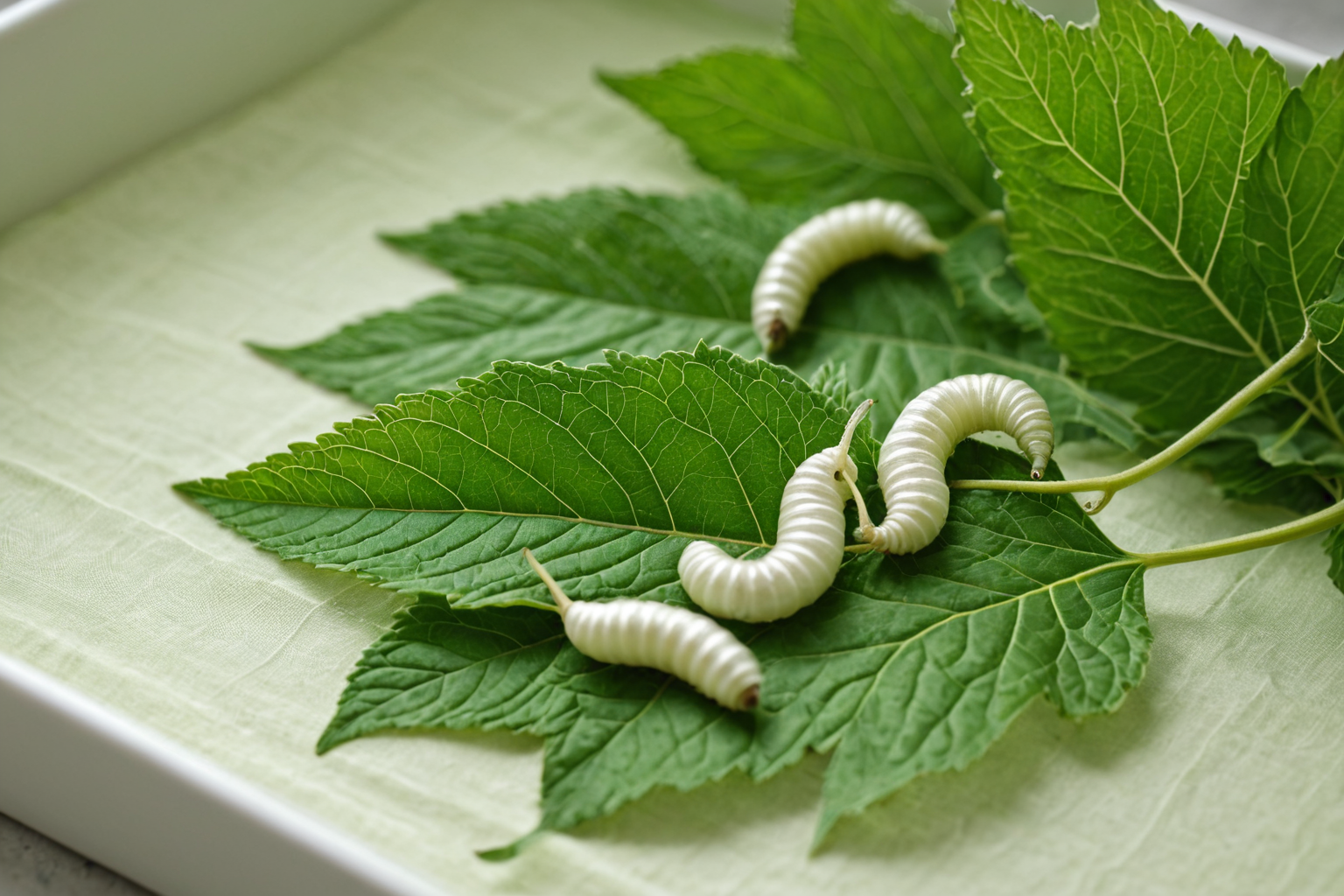
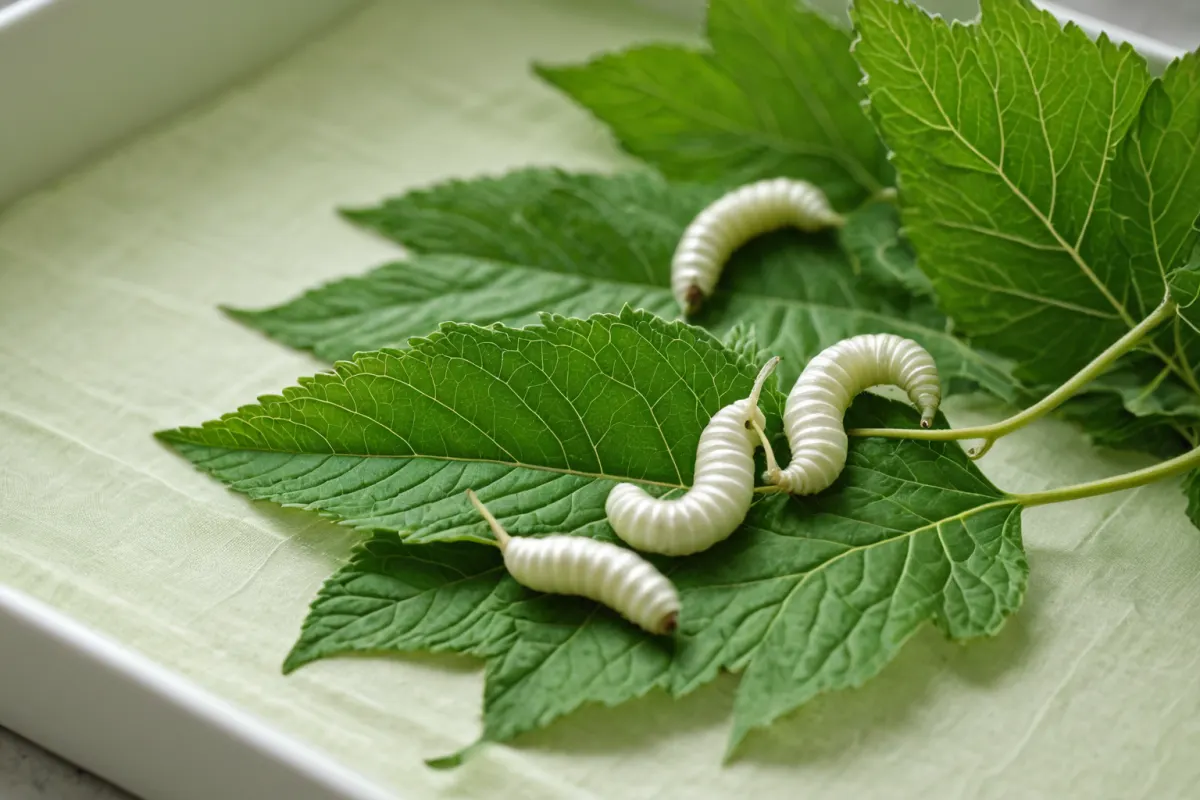
Raising silkworms may seem simple at first glance, but it's actually a delicate process where even small changes in feeding, temperature, or cleanliness can lead to failure. Beginners often mistakenly think 'just mulberry leaves will do,' but silkworms' needs change as they grow through different stages. This guide breaks down easy-to-follow methods for raising silkworms and highlights conditions that help avoid common pitfalls.
Today, many schools use silkworms for educational activities or insect observation. However, since they are living creatures, the required supplies can vary based on location, season, and purpose. For up-to-date information, always check with relevant institutions or official websites. By following this guide step by step, beginners can understand the basics and avoid unnecessary trial-and-error.
Understand the Basics of Silkworm Raising First
As leaf-eating insects, silkworms rely heavily on the freshness and quantity of their food. The key is to feed them small amounts frequently with fresh leaves. Wilted leaves lead to reduced eating, while wet leaves can contaminate the enclosure. So, securing good-quality mulberry leaves is the foundation of successful silkworm care.
Temperature also plays a crucial role. Extreme heat or cold reduces their appetite and affects growth rates. A stable indoor environment works best—avoid direct sunlight or drafts. For beginners, choosing a spot with minimal temperature fluctuations over one that's easily visible can significantly reduce failure risks.
Prepare the Right Food and Environment for Silkworms
The ideal food is fresh mulberry leaves. If possible, use them right after harvesting, and gently remove any dust or debris before feeding. If leaves are too wet, pat them dry with a kitchen towel. Proper food preparation isn't just about labor—it's essential to prevent disease and mold.
Enclosures should be wide-based with good airflow rather than deep containers for easier management. Line the bottom with newspaper or a kitchen towel to simplify cleaning up waste and leftover leaves. For example, start with a small plastic container holding only a few silkworms—overcrowding leads to faster competition over food and contamination.
Adjust Feeding and Care According to Growth Stages
As silkworms grow, their feeding habits change. Tiny larvae prefer finely chopped leaves, while larger ones eat whole leaves. Instead of adding too much food at once, monitor leftovers and replenish regularly. Remove wilted parts from uneaten leaves promptly to keep the enclosure clean.
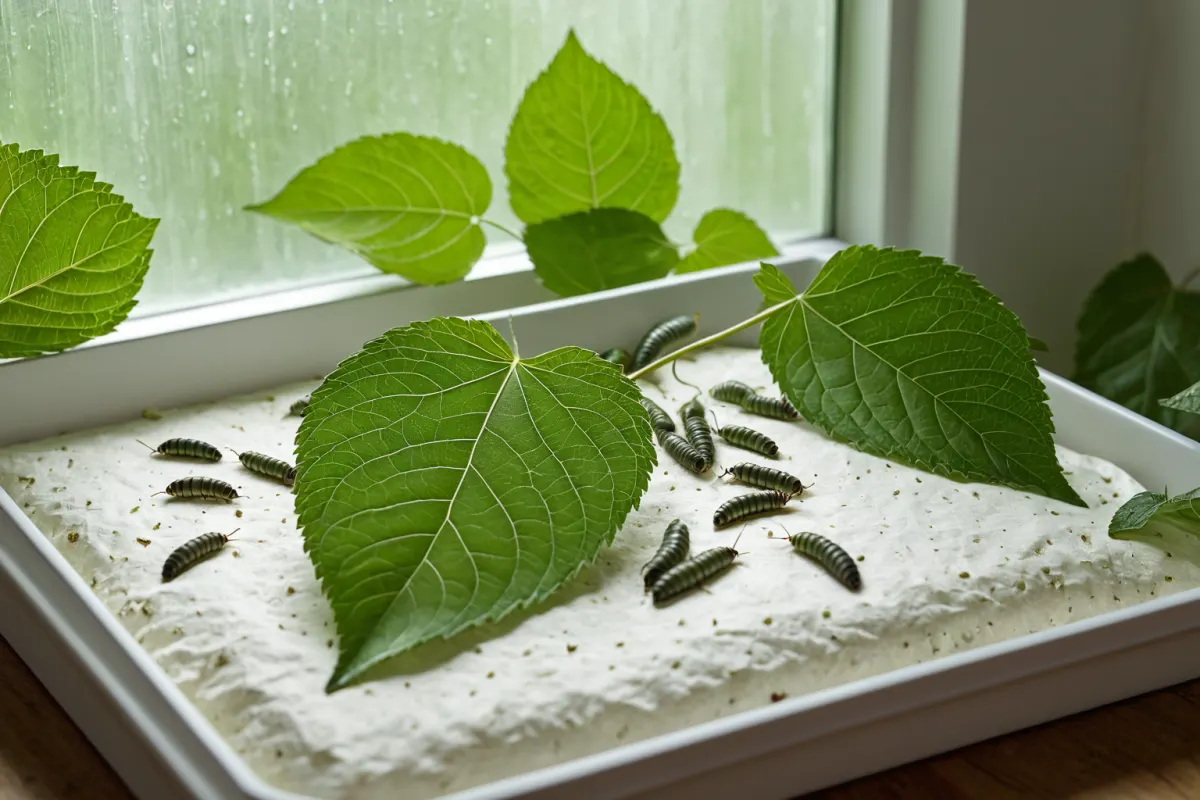
Additionally, silkworms are sensitive during molting periods. They may seem less active or eat less during this time, but it's normal—not a sign of trouble. Beginners should avoid disturbing them immediately if they refuse food; instead, observe for a day. Understanding these growth phases helps prevent unnecessary mistakes.
Common Beginner Mistakes to Avoid
The first mistake is spraying water directly into the enclosure. Excess moisture creates an unhealthy environment and causes leaves to spoil faster. The focus should be on maintaining leaf freshness—not making the enclosure wet.
The second common error is not noticing food shortages soon enough. Silkworms may appear to eat steadily, but their consumption can spike suddenly during growth phases. For example, if leaves disappear quickly by evening after morning feeding, increase portions slightly and monitor conditions closely.
A third mistake is treating silkworms like other insects. Unlike beetles or hard-shelled insects, silkworms require specific care regarding food type and cleanliness. Comparing them to other insects can lead to inappropriate methods, so experienced insect keepers should avoid applying general practices directly to silkworms.
Key Conditions for Reducing Failures: Simple but Consistent
The biggest reason for failure in raising silkworms is inadequate preparation. Securing mulberry leaves, cleaning the enclosure, and checking temperature must all be done consistently. Missing even one step can quickly harm the silkworms. Start small with fewer silkworms to establish a routine before increasing numbers.
Creating a simple checklist helps:
- Confirm leaves are fresh mulberry leaves
- Clean waste and debris from enclosure floor regularly
- Avoid direct sunlight or excessive heat
- Don't overcrowd the enclosure
- Avoid disturbing during molting or inactive periods
Following these basics significantly improves success rates. The key isn't special skills—it's daily habits of observation and care. At first, it might feel tedious, but after just three days of consistent monitoring, you'll start to recognize patterns in their eating habits and health changes.
In Summary: Observation and Hygiene Are Key
Successful silkworm raising boils down to basic management rather than complex techniques. With fresh mulberry leaves, appropriate temperature, a clean enclosure, and proper population control, many failures can be avoided. Don't aim for perfection from the start—focus on daily checks and gradually building familiarity.
Most importantly, monitor food quality and cleanliness consistently. Silkworms react quickly to small changes, so your routine habits directly impact outcomes. By following this guide step by step, beginners can raise silkworms steadily and confidently.
Frequently Asked Questions
Q1. What is the most important factor in raising silkworms?
A1. Fresh mulberry leaves and a clean environment are crucial. Poor food quality or an unclean enclosure can rapidly worsen silkworm health.
Q2. Can I use other types of leaves if mulberry leaves aren't available?
A2. Mulberry leaves are the most suitable for silkworms. Using alternative leaves without confirmation is not recommended; consult official sources before making any changes to their diet.
Q3. What should I do if my silkworms seem to stop eating?
A3. They may be molting—avoid disturbing them immediately and observe for a day. If they remain inactive or show unusual body conditions, reassess the environment and food quality.
FAQ
What is the most important factor in raising silkworms?
Fresh mulberry leaves and a clean environment are crucial. Poor food quality or an unclean enclosure can rapidly worsen silkworm health.
Can I use other types of leaves if mulberry leaves aren't available?
Mulberry leaves are the most suitable for silkworms. Using alternative leaves without confirmation is not recommended; consult official sources before making any changes to their diet.
What should I do if my silkworms seem to stop eating?
They may be molting—avoid disturbing them immediately and observe for a day. If they remain inactive or show unusual body conditions, reassess the environment and food quality.
Korean Source
This article is an English localization of a Korean-language report from BlogScore. Original: 누에 키우기 방법과 주의할 점, 실패를 줄이는 조건 총정리