
How to Raise Silkworms: Optimal Temperature and Humidity Conditions
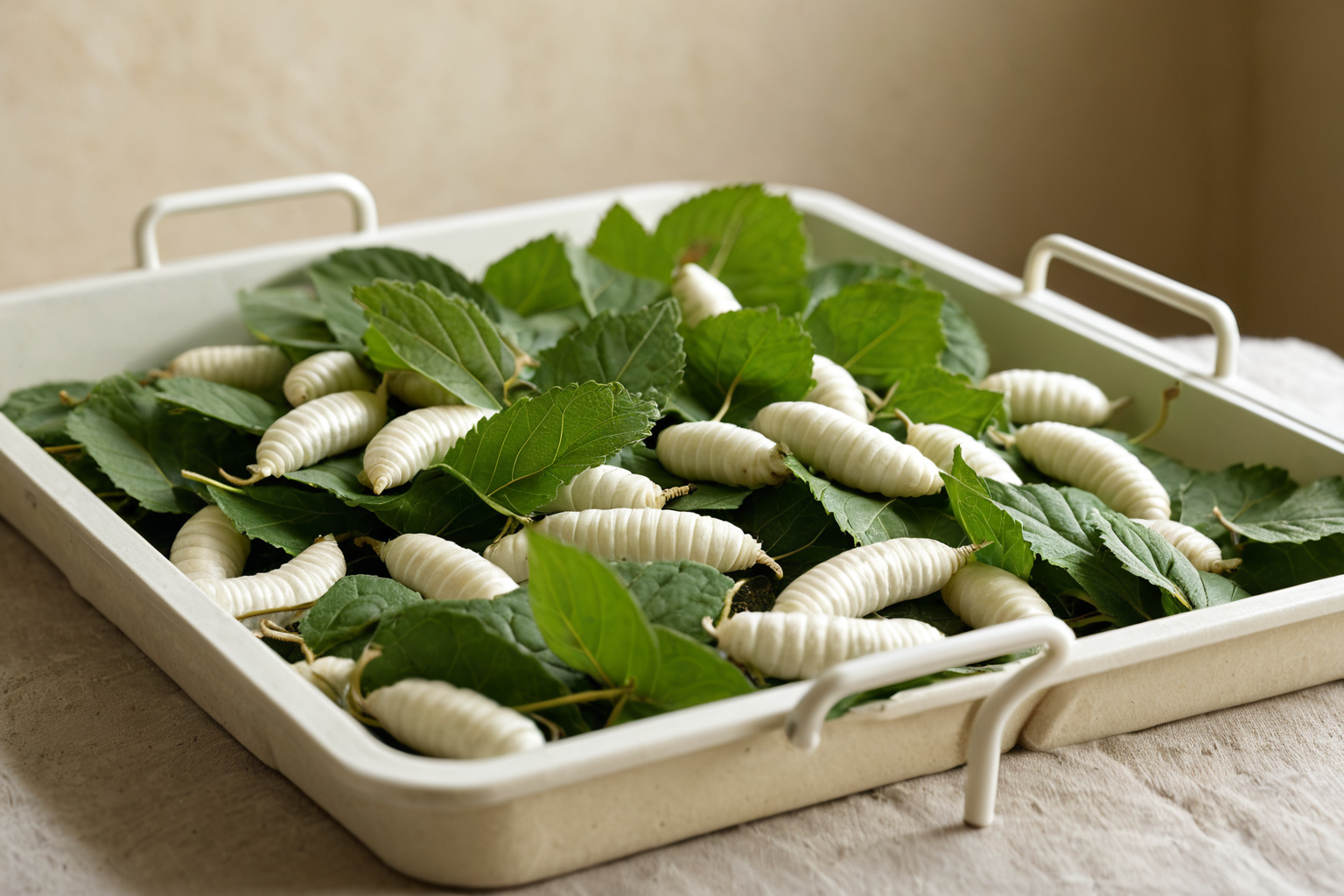
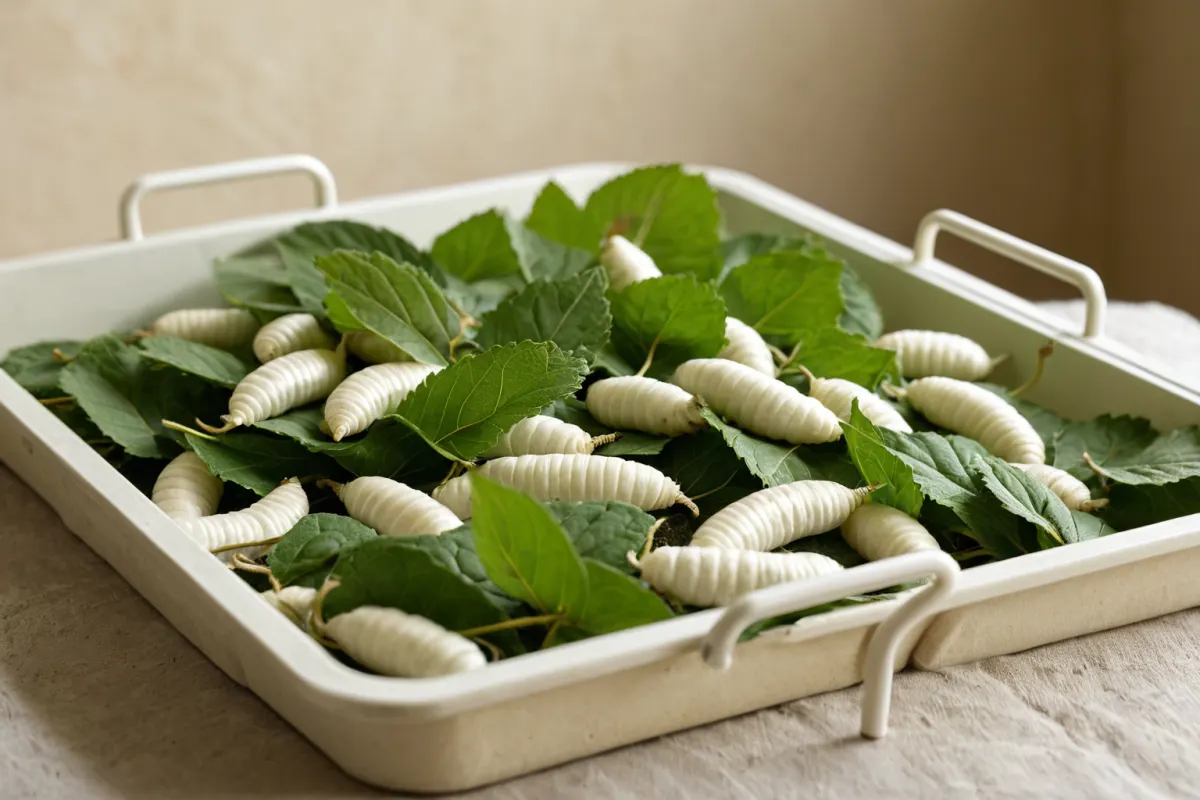
To raise silkworms healthily, the first thing to check is their breeding environment. Especially temperature and humidity for silkworm farming are key factors that influence growth speed, food intake, and successful molting. Beginners might think "just feed them mulberry leaves," but if temperature and humidity aren't right, silkworms can easily become weak.
This article breaks down everything from basic concepts to practical care methods for first-time silkworm raisers, including common mistakes to avoid. The tips are designed for small-scale home farming, so you can use them as a pre-farming checklist before starting your own project.
Environment is Key for Healthy Silkworms
Silkworms are relatively sensitive to environmental changes. If it's too hot or dry, they eat less; if it's too humid, the breeding container becomes damp, leading to bacterial or mold issues. Therefore, maintaining stable temperature and humidity—before even worrying about food—is crucial.
A simple guideline for beginners is "warm but not overheated, dry but not overly moist." However, conditions can vary depending on the silkworm's growth stage or your home environment, so it’s better to observe daily rather than memorize exact numbers. For more precise guidance, check official breeding resources or species-specific guidelines.
Maintain Optimal Temperature for Silkworms
For silkworm farming, consistent indoor temperature is important. Too cold and their activity drops; too hot and they may appear dehydrated or stressed. Avoid placing the breeding container near windows exposed to direct sunlight or close to heaters, as these spots often have large temperature fluctuations.
Beginners should place the container in a room with stable temperatures, like inside a living area rather than next to a window that gets cold at night. If indoor temperatures vary significantly by season, using a simple thermometer to monitor regularly is recommended.
The best way to judge temperature isn’t just by numbers—it’s also about how the silkworms behave. If they’re not eating well or staying still even with the right temperature, recheck the environment. When adjusting temperature, do so gradually rather than all at once for safety.
Humidity Should Keep the Breeding Container Dry but Not Too Dry
Humidity directly affects silkworm health and cleanliness. If too dry, mulberry leaves dry out quickly, leaving silkworms dehydrated. If too humid, the container becomes damp, causing waste and food residue to spoil faster.
A common beginner mistake is spraying water heavily to increase humidity. This can make the container wet, worsening conditions. Focus on keeping mulberry leaves fresh without letting the bottom of the container get soggy. Always wash leaves before feeding but remove excess moisture thoroughly, avoiding damp leaves in the container.
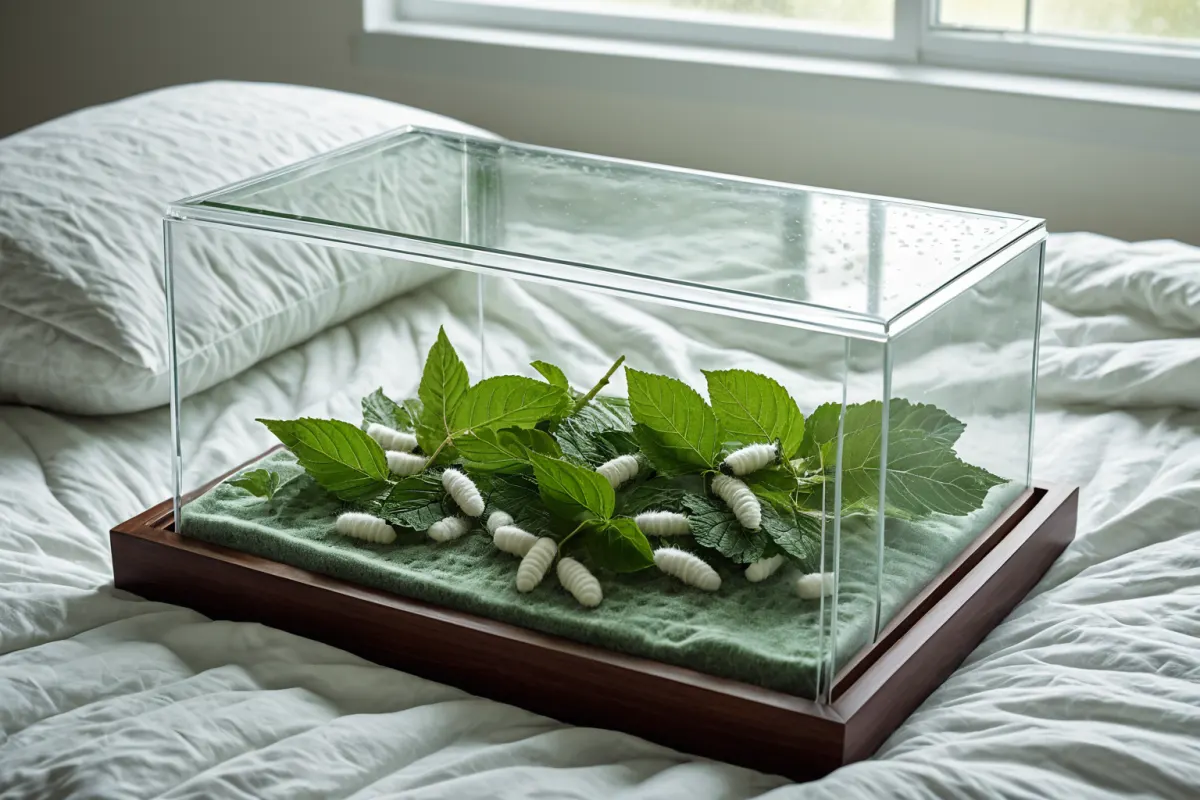
If the edges of mulberry leaves dry out quickly, your environment may be too dry. Move the container away from heating vents and adjust how you cover or store the leaves to prevent drying. Conversely, if water droplets form on the inside walls of the container, it might mean poor ventilation.
Food and Cleanliness Are as Important as Temperature
Silkworms primarily eat mulberry leaves, so leaf freshness is critical. Fresh leaves encourage better eating habits, but even ideal temperature and humidity won’t help if the leaves are bad. Sort between soft and tough leaves, and remove wilted ones promptly.
Cleanliness matters too. Accumulated waste makes the environment dirty quickly and raises humidity. Replace bedding or substrate regularly, and check daily for leftover food and waste. For small-scale beginners, once a day is usually enough.
When changing food, avoid stirring everything up at once—instead, clear old leaves and add fresh ones gradually. During molting periods, silkworms move less, so keep the environment quiet and avoid unnecessary handling.
Simple Care Routine for Beginners
You don’t need to overcomplicate things. Just a small breeding container, dry bedding or paper, fresh mulberry leaves, and a simple tool to check temperature/humidity are enough to get started. The key is consistency: check the same time every day without making sudden changes.
Try this basic routine: Check if leaves are drying in the morning, then clean up waste and leftover food in the evening. Place the container away from direct sunlight or drafts from AC or heaters. If temperature shifts, just move the container slightly for better results.
For example, during dry winter months, keep containers away from windows but replace leaves frequently with smaller portions. In summer, manage them in a shaded indoor area with good airflow to prevent overheating. Small adjustments like these can make a big difference in keeping silkworms healthy.
Common Beginner Mistakes to Avoid
The most common mistake is making drastic changes to temperature or humidity at once. Moving silkworms suddenly to warmer spots or adding too much water can stress them out. Make gradual adjustments and observe for a day before changing again.
Another mistake is not checking the condition of mulberry leaves properly. Even if they look full, leaves might be wilted or damp, making the container wetter than intended. Always use fresh leaves and avoid leaving old ones too long.
Finally, handling silkworms too often isn’t good either. Constantly lifting them can disturb molting or eating habits. Observe regularly but minimize contact for a safer experience.
Summary: Key to Successful Silkworm Raising
To sum up, the core of silkworm farming is stable temperature, proper humidity, fresh mulberry leaves, and a clean environment. When these four elements align, silkworms grow without issues, molting and developing smoothly. It’s not about complex techniques but sticking to basics consistently.
Beginners should start with three simple habits: checking the thermometer, inspecting leaf condition, and cleaning waste daily. Silkworms are sensitive to environmental changes, but once conditions stabilize, care becomes much easier. For more specific details like species-specific temperature or humidity needs, consult official resources or up-to-date guides.
Frequently Asked Questions
Q1. What temperature is ideal for raising silkworms?
Generally, a stable warm indoor environment works best. However, it can vary by species, growth stage, and season, so adjust based on how the silkworms behave.
Q2. Can I spray water to increase humidity?
Over-spraying can make the container wet, causing problems. Keep leaves fresh without making the floor damp—this is safer.
Q3. Can I feed silkworms other than mulberry leaves?
Silkworms naturally eat mulberry leaves. Substitutes vary by purpose and health status, so check official guidelines before trying alternatives. For accurate information, refer to the latest breeding resources.
FAQ
What temperature is ideal for raising silkworms?
Generally, a stable warm indoor environment works best. However, it can vary by species, growth stage, and season, so adjust based on how the silkworms behave.
Can I spray water to increase humidity?
Over-spraying can make the container wet, causing problems. Keep leaves fresh without making the floor damp—this is safer.
Can I feed silkworms other than mulberry leaves?
Silkworms naturally eat mulberry leaves. Substitutes vary by purpose and health status, so check official guidelines before trying alternatives.
Korean Source
This article is an English localization of a Korean-language report from BlogScore. Original: 누에 키우기 온도와 습도 조건, 건강하게 기르는 방법