
How to Properly Dispose of and Store Industrial Plastic Waste
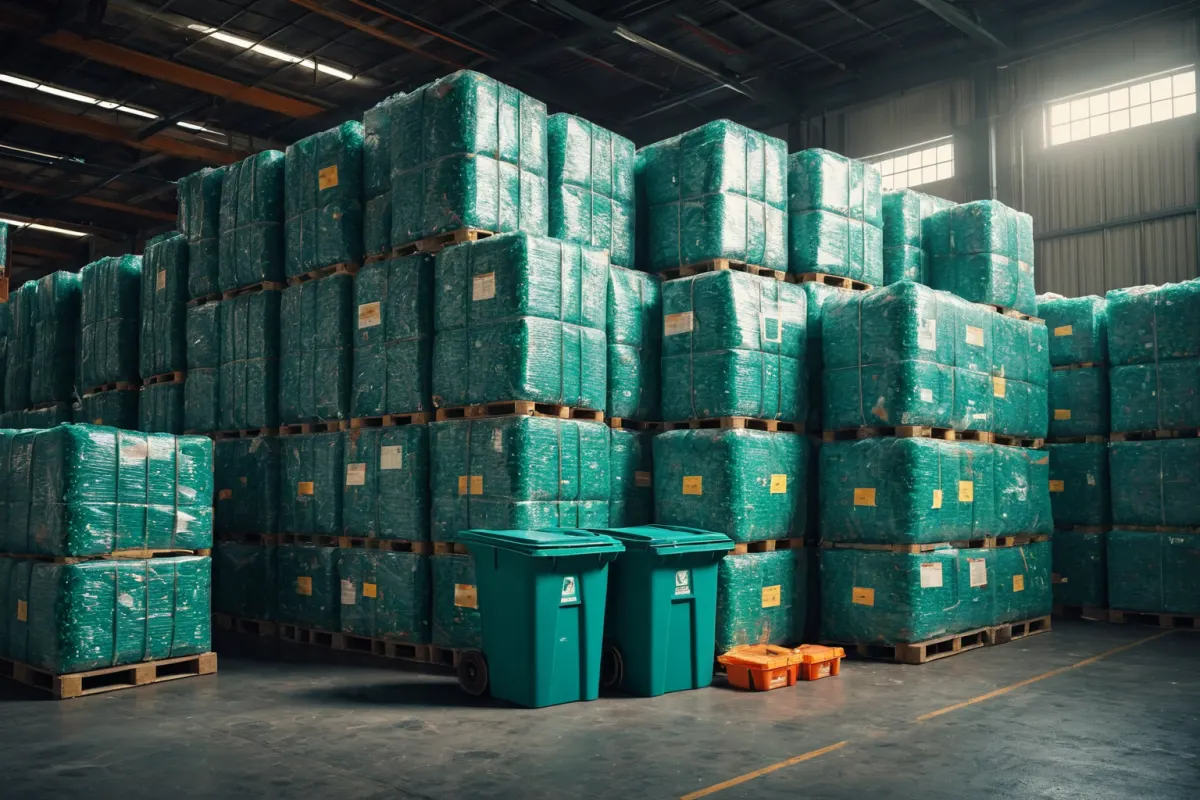
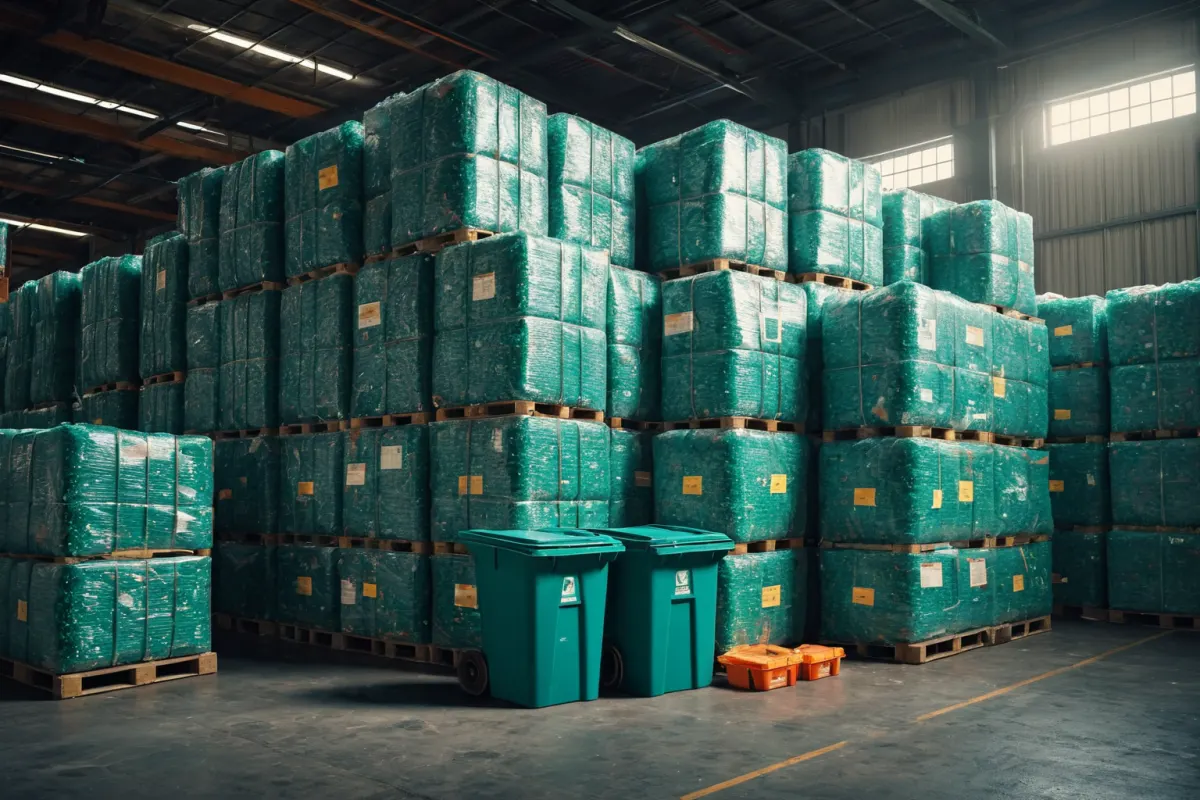
You shouldn’t just throw away industrial plastic waste as regular trash. Most often, it must be classified as industrial waste, following a proper collection, storage, and disposal process. Poor storage conditions can lead to unpleasant odors or even fire hazards.
The two most important factors on-site are: "What type of industrial plastic is it?" and "How cleanly has it been separated?" The answers to these questions determine the disposal method, cost, and which waste management company you should choose.
Classification Criteria for Industrial Plastic Waste
Industrial plastic waste typically comes in mixed forms: discarded synthetic resins, packaging materials, defective injection-molded products, broken containers, etc. The key is whether it’s clean enough to be recycled, heavily contaminated, or mixed with other types of waste.
For example, clean plastic film from factory packaging can often be routed for recycling. However, plastics contaminated with oil or chemicals require specialized handling and must first be verified by an industrial waste disposal company rather than a standard waste management service.
You can view more articles on similar topics here.
View Related ArticlesIndustrial Waste Disposal Process Flow
In practice, the process typically follows these steps: separation, temporary storage, collection request, and outsourcing. The waste type must match what’s expected, and storage areas should be kept clean to avoid disputes later on.
For instance, stacking mixed plastic waste, polystyrene foam, paper, and metal parts together in one corner of a warehouse can increase disposal costs or delay pickup. On the other hand, sorting by category with clear labels makes it easier for service providers to verify and process.
Key Points to Consider When Storing
Storing industrial plastic waste isn’t just about stacking it up—it requires proper handling due to its large volume and light weight. Improper compression or storage methods can lead to accidents during handling.
To prevent issues, avoid placing plastic near areas exposed to rain or contaminated water. Covering the waste with a tarp or barrier is recommended to prevent wind from scattering it. Also, keep away from fire sources—some plastics are heat-sensitive and can release toxic fumes when ignited.
A common oversight is failing to plan for temporary storage duration. Even small amounts of plastic left unattended for too long can lead to complaints or hygiene issues. It’s safer to schedule collection in advance based on your waste volume.
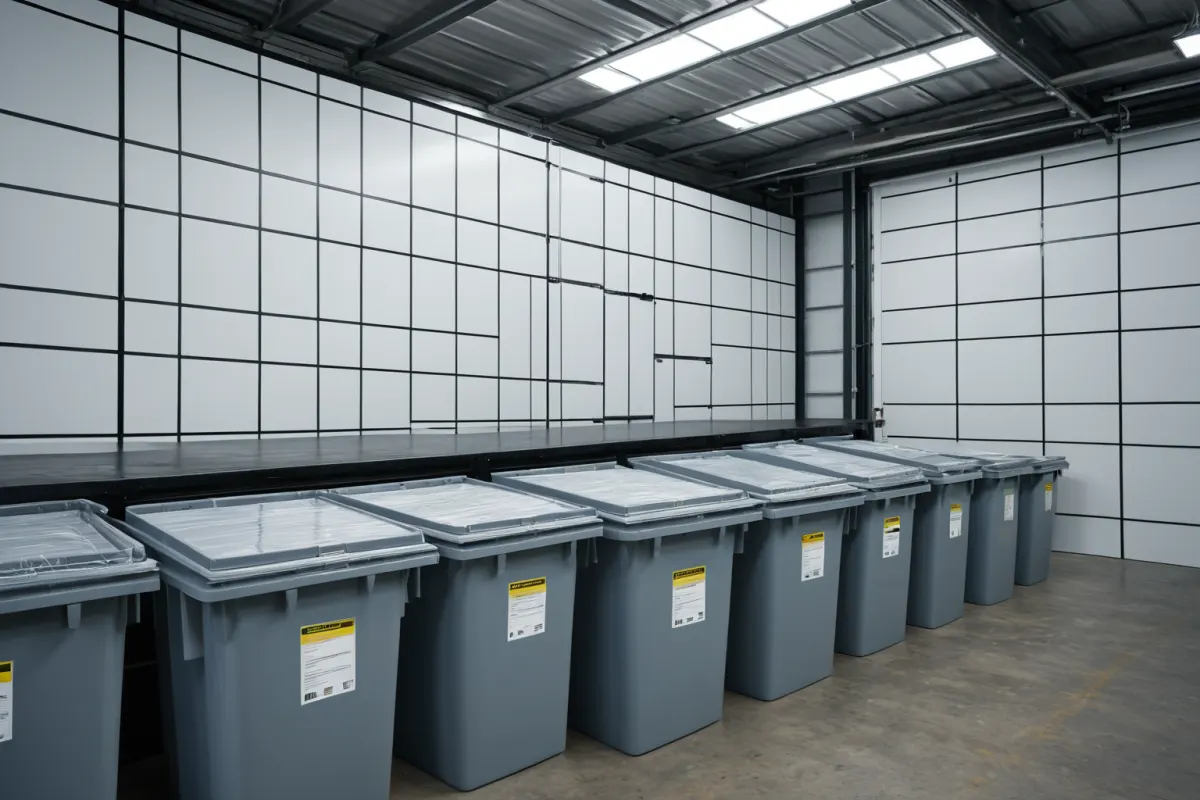
Selecting a Waste Management Company
When choosing a disposal company, don’t just look at price. Also consider whether they are certified for industrial waste handling, what items they accept, their processing method, pickup schedule, and documentation of proper disposal.
For example, two companies might handle the same type of plastic differently—one focusing on recycling while another handles mixed contaminated materials. This difference affects cost, which is why you often hear, "Why are quotes so different?" The key to accurate quotes is clear product identification.
When contacting a company, clearly state whether you have only plastic waste, if it’s mixed with other industrial waste, and if pallets or boxes will be included. Providing photos of your current storage can help avoid misunderstandings.
Why Disposal Costs Vary
Cost isn’t based solely on weight—it varies depending on contamination level, volume, compression status, loading difficulty, transportation distance, and how well it’s sorted.
For instance, clean, compacted plastic is easier to process, leading to lower costs. Conversely, wet or contaminated plastics require additional sorting work, increasing the cost. Simply taking a few minutes to sort before disposal can significantly reduce expenses.
Simple On-Site Sorting Examples
Workplace staff should follow simple separation guidelines: keep plastic film in one area, defective injection-molded products in another, and contaminated containers in a separate zone.
In a logistics warehouse, for example, wrap films, PP bands, and plastic packaging can be collected separately. Containers that need cleaning can go into a different bin. In manufacturing settings, raw material bags, defective molded parts, and broken covers should also be sorted to make communication with service providers smoother.
Sorting in this way makes it easier for waste management companies to assess the site immediately upon arrival, reducing time spent during pickup. Small differences like these can significantly impact quotes and schedules.
Managing Complaints and Accidents
Industrial plastic is light and easily blown away by wind, which can create an untidy appearance around your facility—sometimes leading to neighborhood complaints.
To avoid this, keep storage areas tidy and out of sight from public view. Wrap or compress film plastics for better containment. Also, remove moisture as wet waste tends to smell more. Good basic management makes communication with disposal companies much smoother.
Common Situations: How to Decide
If you generate even small amounts of industrial plastic, it’s safer to confirm the proper waste classification before disposing of it rather than throwing it out directly. Mixing with construction debris or other types of industrial waste can change how it needs to be handled.
Also, don’t assume that "clean-looking" plastic is automatically recyclable. Contamination level and pre-collection condition matter more. When in doubt, take photos and consult your service provider for clarification before proceeding.
Quick Checklist for On-Site Handling
To ensure you’re doing everything right on-site, follow this simple checklist:
- Check if different types of plastic are mixed together
- Verify whether contaminants, liquids, or debris have been removed
- Inspect storage area for wind-blown risks and fire hazards
- Confirm pickup schedule and loading method
- Ensure the waste management company is certified to handle industrial waste
Following just these five steps can significantly reduce unnecessary rework. While it may seem tedious at first, establishing a clear standard makes future handling much more efficient.
FAQ
Q: Is all plastic waste recyclable?
No. Only certain types of clean plastics are suitable for recycling; heavily contaminated or mixed materials require special disposal methods.
Q: Can I temporarily store industrial plastic at my facility?
Temporary storage is acceptable, but you must manage it to prevent wind scattering, fire risks, and hygiene issues. Leaving waste unattended too long can lead to complaints and safety concerns.
Q: Why do disposal costs vary between companies?
Costs differ based on contamination level, volume, sorting status, and collection conditions. Even if items look similar, the actual condition at your site affects pricing.
Proper classification and storage of industrial plastic waste can solve about half the problem. Since each facility has its own needs, it’s best to confirm with your service provider before pickup. Always verify the latest guidelines from local authorities or certified companies to ensure compliance.
Continue reading articles on similar topics.
View Category ArticlesFAQ
Is all plastic waste recyclable?
No. Only certain types of clean plastics are suitable for recycling; heavily contaminated or mixed materials require special disposal methods.
Can I temporarily store industrial plastic at my facility?
Temporary storage is acceptable, but you must manage it to prevent wind scattering, fire risks, and hygiene issues. Leaving waste unattended too long can lead to complaints and safety concerns.
Why do disposal costs vary between companies?
Costs differ based on contamination level, volume, sorting status, and collection conditions. Even if items look similar, the actual condition at your site affects pricing.
Korean Source
This article is an English localization of a Korean-language report from BlogScore. Original: 폐플라스틱 사업장폐기물 처리 방법과 보관 주의점