
How to Prevent Drowsy Driving: A Pre-Departure Checklist
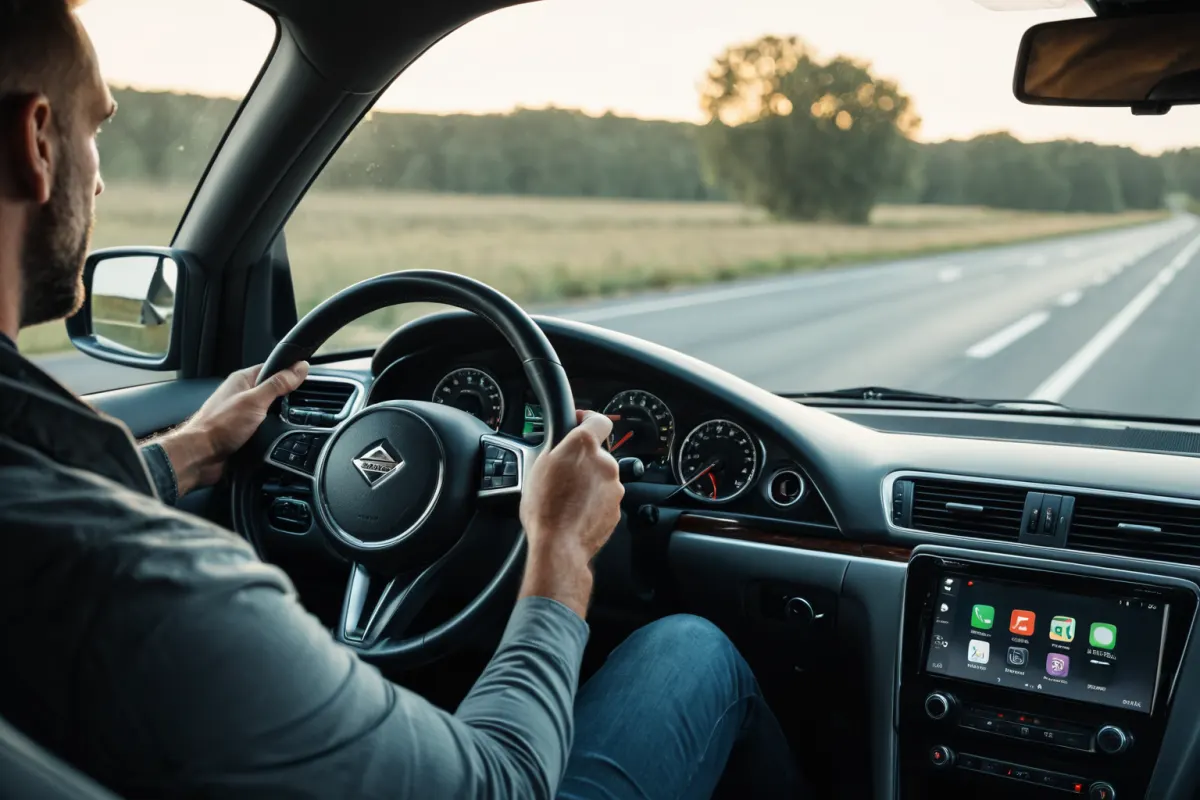
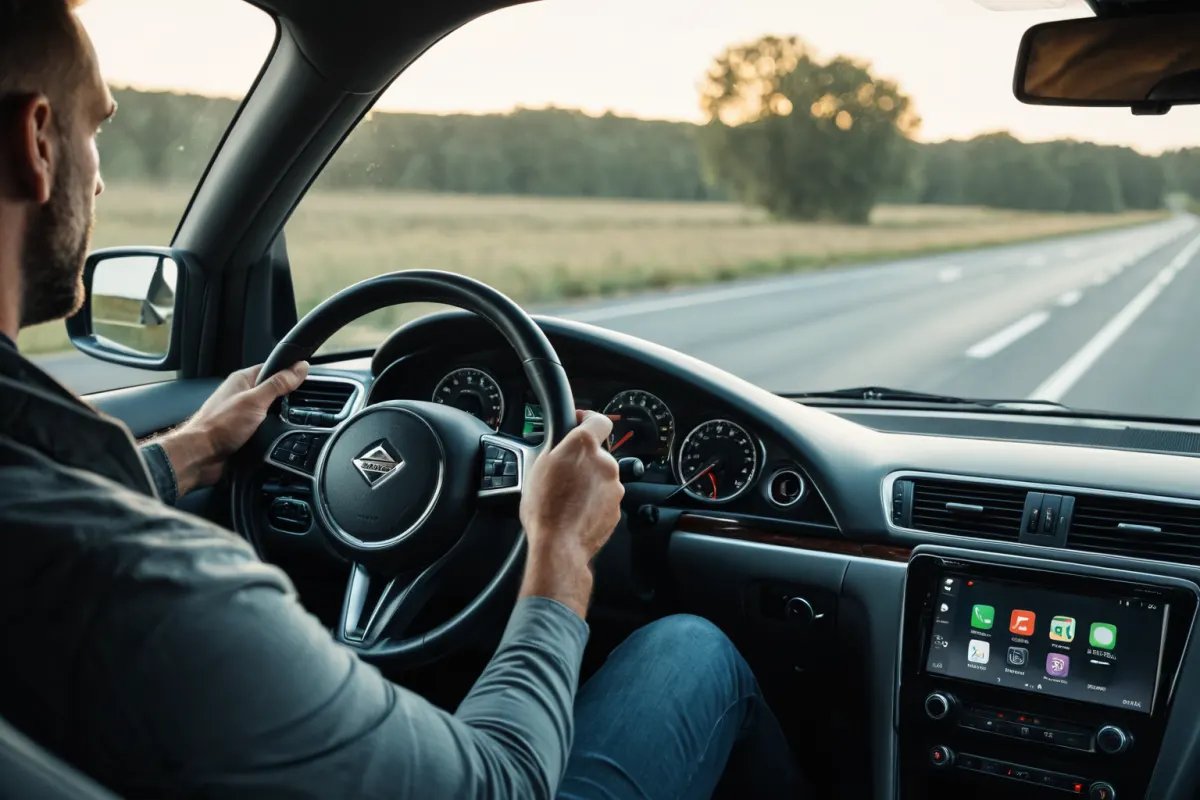
Drowsy driving can be significantly reduced by checking just a few things before you start your journey. The most important step is to avoid driving when tired, followed by planning rest breaks, arranging for a passenger, and ensuring your vehicle is in good condition. For long trips, making it a habit to review this checklist before departure can greatly reduce the risk of accidents.
Check for Drowsiness Signals Before Departure
If you're yawning frequently, feeling heavy-eyed, or having trouble concentrating before driving, these are warning signs that you should not drive. Especially if you had insufficient sleep the previous night or need to leave early in the morning, thinking "I can just push through" is particularly dangerous.
Before leaving, take a moment to assess your condition: How much sleep did you get in the last 24 hours? Are you unusually sleepy after eating? Are any medications causing drowsiness? Many common medications like cold or allergy medicines can cause unexpected drowsiness.
For example, if you went to bed at 2 a.m. and need to leave by 6 a.m., sleep deprivation is more of an issue than your driving skills. Instead of relying on coffee to stay awake, it's safer to delay departure or share driving duties with someone else.
You can find similar articles in one place.
View Related ArticlesDriver Condition Checklist
The most practical part of preventing drowsy driving is reviewing a simple checklist right before departure. It doesn't need to be complicated—just a quick glance at the following items will suffice.
- If you've slept less than 6 hours, reconsider long-distance driving
- If yawning more than three times, prioritize rest
- If eyelids feel heavy or vision is blurry, stop immediately
- Avoid driving after taking cold medicine, sleeping pills, or the next day after drinking alcohol
- If you've eaten a large meal, take a short walk before departure
This checklist helps determine if you're in a safe condition to drive. Eating heavily before driving can cause drowsiness more quickly than expected. Instead of just having coffee and leaving immediately, it's better to move your body for 10 minutes to increase alertness.
Planning Rest Breaks to Prevent Drowsy Driving
In long-distance driving, planning rest breaks is almost the entire solution to preventing drowsy driving. It's far more stable to plan a break every two hours rather than trying to drive non-stop to your destination.
When you reach a rest area, get out of the car and walk for about five minutes instead of just sitting inside. If possible, take a moment away from the wheel rather than simply rolling down windows to stay awake.
In reality, many accidents occur because drivers delay breaks due to thinking "I can make it a little further." While this advice may sound cliché, safety should always come before reaching your destination when it comes to drowsy driving.

How Vehicle Checks Affect Drowsiness
Drowsiness isn't just about the driver's physical state. If the car interior is too hot, your seat position is uncomfortable, or the climate control feels stifling, your concentration can drop quickly. Small discomforts can accumulate and lead to faster drowsiness.
Before departure, adjust the air conditioning or heater to a comfortable temperature and make sure your driving posture is correct. Also, clean the front windshield and side mirrors to maintain clear visibility, which helps sustain focus.
If your vehicle has a drowsiness prevention system, don't rely on it too much. These systems are only supplementary; they don't replace driver fatigue management. It's more important to take breaks before the system alerts you.
Immediate Actions When Feeling Drowsy
When feeling sleepy while driving, avoid relying solely on opening windows to stay awake. While it might make you feel alert for a moment, drowsiness can quickly return.
The safest action is to pull over at the nearest rest area or safe location. Taking 15-20 minutes to nap or hydrate and move your body before continuing is far more effective. However, repeatedly telling yourself "just a little further" defeats the purpose.
Consider coffee or energy drinks as emergency measures only. Caffeine can help but doesn't eliminate sleep deprivation. For example, even if you drink coffee during long night drives, if drowsiness continues for over 30 minutes, it's better to take a break immediately.
Situations Where Drowsy Driving Accidents Often Occur
Drowsy driving accidents often happen at night, early morning hours, after lunch, or during long stretches of monotonous highway driving. The longer you sit in the same position with minimal environmental stimulation, the faster drowsiness builds.
Another common situation is short trips where drivers become complacent thinking "it's just a quick drive." This leads to neglecting seatbelt use and skipping rest checks, continuing while tired.
Drowsy driving accident statistics show that serious collisions often result from this behavior, so it's not something to take lightly. Especially on highways, losing lane control due to drowsiness can lead to major accidents.
Example Pre-Departure Check
For example, imagine leaving for Busan with your family at 7 a.m., but you only slept 5 hours the previous night and were busy taking care of kids. This combination creates multiple warning signs before departure. In this case, it's better to delay departure by an hour or switch drivers.
Conversely, if you got over 7 hours of sleep the previous night, had a light breakfast, and checked your route and rest areas in advance, your trip will be much safer. These small preparations make a significant difference on long journeys.
Before departure, it's more important to commit to "rest before feeling sleepy" rather than thinking "I'll rest if I get sleepy." Once drowsiness hits hard, it's difficult to push through with willpower alone.
Core Drowsy Driving Prevention Checklist
To summarize the key points: delay departure if you're sleep-deprived, plan rest breaks for long trips, and stop immediately when feeling sleepy. Adding factors like adjusting interior temperature, correcting posture, and checking medications will enhance prevention effectiveness.
Preventing drowsy driving is more about habits than special skills. Simply taking one minute before departure to check your condition can significantly reduce the risk of dangerous driving. This habit becomes even more important when driving alone.
FAQ
Q1. Does chewing gum help when feeling sleepy?
It might provide a temporary alertness boost, but it doesn't solve drowsiness at its root. If you feel sleepy, rest should be your priority.
Q2. Can I drive immediately after drinking coffee?
Caffeine can help but isn't a cure-all. If you're sleep-deprived, rest is more important than caffeine.
Q3. Should I feel safe driving if my car has drowsiness prevention systems?
No, these are supplementary features only. The system may alert you after fatigue has already built up, so your own judgment remains crucial.
Since traffic safety guidelines and related regulations can change frequently, it's recommended to double-check before long trips.
Continue exploring similar topics.
View Category ArticlesFAQ
Does chewing gum help when feeling sleepy?
It might provide a temporary alertness boost, but it doesn't solve drowsiness at its root. If you feel sleepy, rest should be your priority.
Can I drive immediately after drinking coffee?
Caffeine can help but isn't a cure-all. If you're sleep-deprived, rest is more important than caffeine.
Should I feel safe driving if my car has drowsiness prevention systems?
No, these are supplementary features only. The system may alert you after fatigue has already built up, so your own judgment remains crucial.
Korean Source
This article is an English localization of a Korean-language report from BlogScore. Original: 졸음운전 예방 방법 체크리스트, 출발 전 무엇을 볼까