
How to Prepare for Multi-Use Facility Drills: Essential Checklist and Process
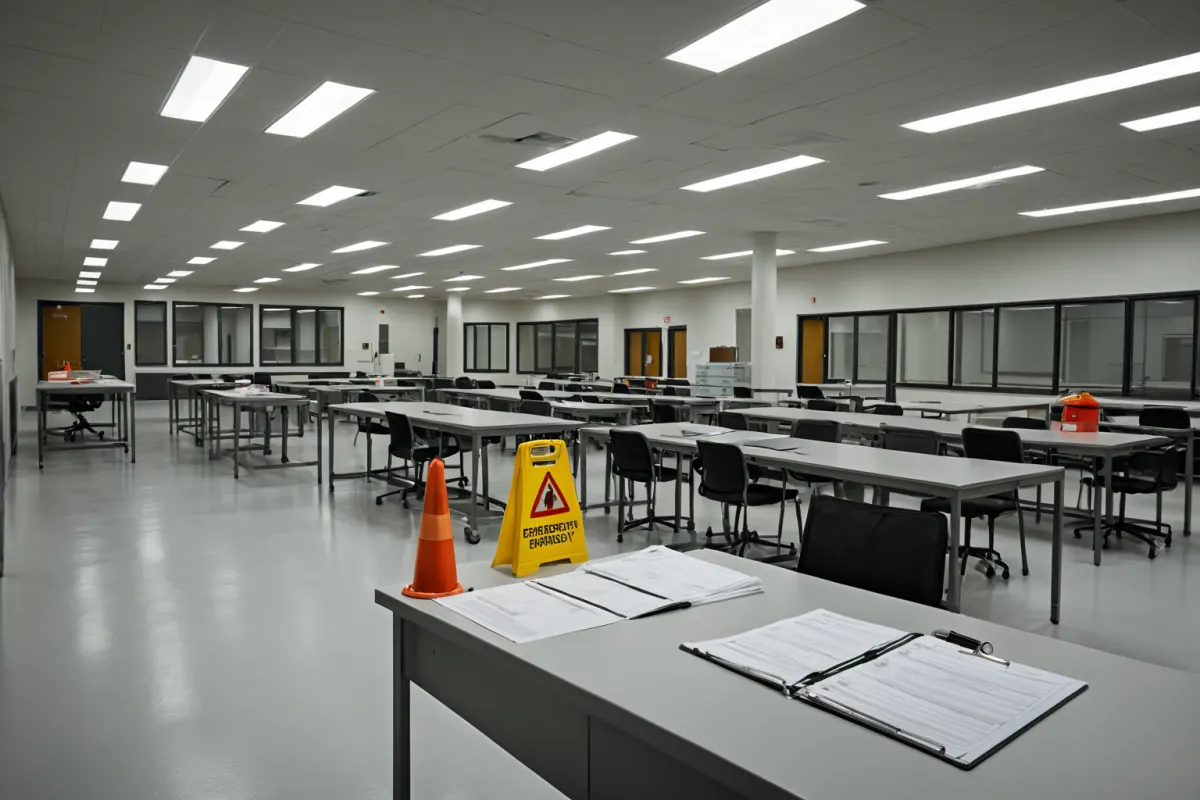
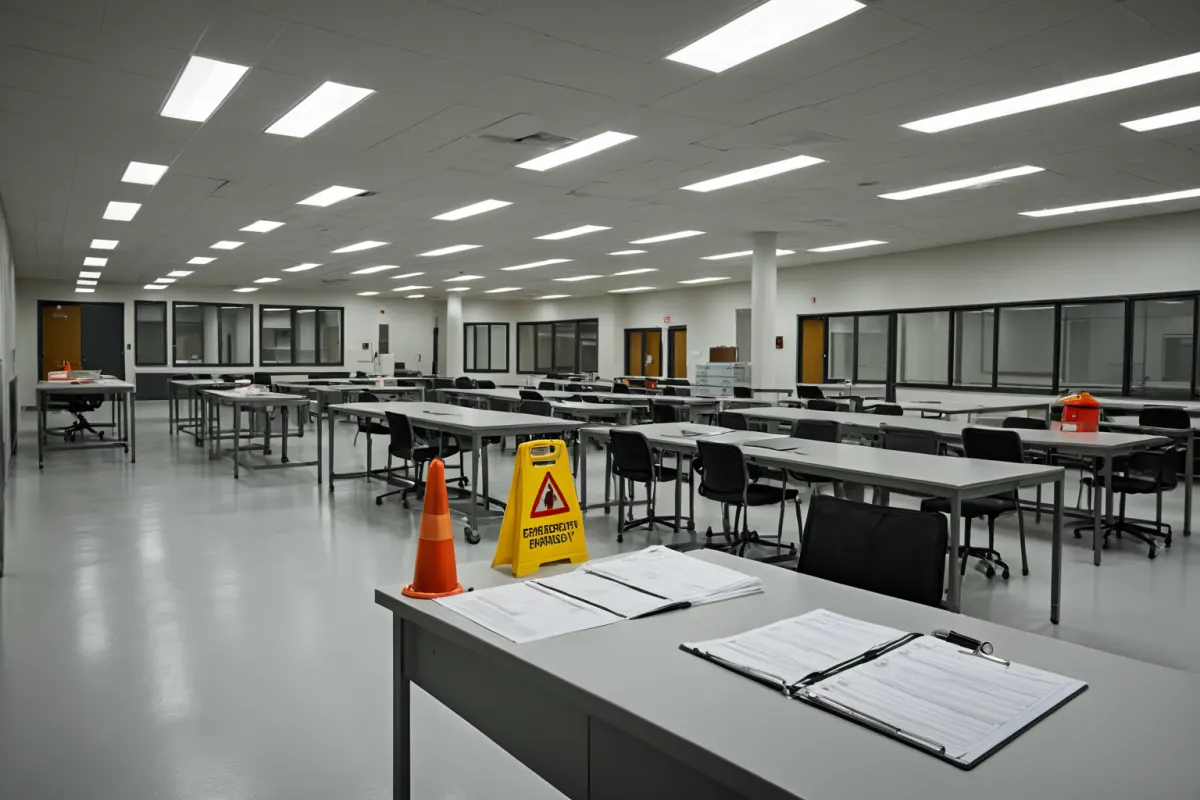
Preparing for a multi-use facility drill isn't as complicated as it seems. The key is to have training notice materials, participant list, emergency contact list, safety instructions, and record-keeping documents ready in advance, and on the day of the drill, first confirm evacuation routes and role assignments. Starting without proper preparation often leads to a superficial drill, making pre-drill checks crucial.
Especially for those conducting their first drill, it can be overwhelming to wonder, "What should I prepare first?" This guide organizes the essential items and process so you can implement them immediately.
Essential Items for Multi-Use Facility Drills
The core of preparation focuses on documents and signage that can be used immediately on-site, regardless of facility size. Below are common essentials:
- Training plan or instructions
- Participant list with contact information for responsible parties
- Evacuation route maps and assembly point guides
- Staff deployment schedule
- Checklists, record sheets, and photo documentation materials
- Public address system or announcement equipment
- Emergency communication plan
For example, a 50-person training facility requires more than a single-page notice. It's far more practical to clearly mark evacuation directions per floor, assembly locations, door statuses, and stairwell usage.
Explore more articles on similar topics in one place.
View Related ArticlesPre-Drill Checkpoints
The drill begins before the start button is pressed. Facility operators must first confirm that evacuation routes are accessible. Blocked exits or obscured signage significantly reduce drill effectiveness.
First, check emergency exits, fire extinguishers, stairways, and assembly points. Next, communicate the drill start time and procedures to participants, then assign responsible and assistant staff. Vague instructions can cause hesitation, disrupting the drill flow.
In practice, a 10-minute pre-drill check is most critical. Verify that PA systems are working and evacuation guides have agreed on which doors to direct people through for smoother operations.

Standard Drill Sequence
Multi-use facility drills typically follow the sequence Announcement → Evacuation Guidance → Assembly → Headcount → Documentation. Sticking to this flow prevents disorganization.
First, announce the drill and provide clear, concise movement directions. Then, staff should manage crowd flow around staircases and exits. Short instructions like "Use left staircase" or "Assemble at main entrance" work better than lengthy explanations.
After assembly, verify all participants are present. In facilities with mixed groups (students, visitors, staff), cross-reference the list to check for missing individuals and note any delayed movements in specific areas.
Commonly Overlooked Items
During drills, on-site signage is often lacking compared to paper documents. For example, verbally directing people to assembly points can lead to confusion in large facilities. Clear visual markers like floor markings or banners are essential.
Another frequently missed item is backup guides. If more people gather than expected, traffic jams can occur at evacuation routes. Having just one extra guide can significantly improve flow.
For office-style multi-use facilities, pre-writing broadcast messages is advisable. Ad-hoc announcements can lead to confusion. A simple phrase like "This is a drill. Please move according to instructions" works best.
Different Preparation Levels by Facility Size
Small facilities may only need basic checklists, while larger multi-story or multi-exit buildings require more detailed preparations. In high-traffic areas like mixed-use buildings with many visitors, managing traffic flow is critical.
For example, in a building housing both cafes and training centers, assigning specific responsible parties per area and sending simultaneous start signals minimizes confusion. Smaller offices may only need to announce briefly to all staff and confirm one evacuation route.
Adjusting preparation levels based on facility size reduces unnecessary stress. It's more effective to include only the exact information needed for your site rather than creating excessive materials.
Practical Example
Consider a training center with a basement level and three ground floors. Essential items would include drill instructions, floor-specific evacuation maps, instructor contact lists, student rosters, broadcast messages, and assembly point signs.
The process could be: Inform instructors 30 minutes before the drill, check PA systems 10 minutes prior, then have floor staff guide students to staircases upon announcement. Once assembled, verify attendance against the roster, note any missing persons, and document key issues for future improvement.
This method works well even for first-time organizers. Focusing on "Check preparation → Guide → Move → Verify → Document" ensures a successful drill without complex procedures.
Post-Drill Documentation Tips
After the drill, documentation is crucial for improving future sessions. Rather than simply noting that a drill occurred, record specific points where issues arose: "Long lines at second-floor staircase," "Insufficient PA volume," or "Missing assembly point signage." This helps prevent recurring problems.
Reusing previous records to refine materials saves time and effort. Organizing all documents—plans, checklists, photos, and improvement notes—in one file simplifies management for future drills.
FAQ
Q1. What should be prepared first for a multi-use facility drill?
A. Start with the training plan and emergency contact list. These enable quick assignment of roles and sequence planning.
Q2. Does a larger number of participants mean more complex preparation?
A. The focus shifts from documents to clear guidance systems. Evacuation maps per floor, staff guides, and assembly point signage are essential for managing crowd flow.
Q3. What should be documented after the drill?
A. Attendance verification results, issue notes, and photos are basic requirements. These allow immediate improvements in future drills.
Recent changes in facility types and safety standards mean it's advisable to review current guidelines before each operation.
Continue exploring similar topics.
View Category ArticlesFAQ
What should be prepared first for a multi-use facility drill?
Start with the training plan and emergency contact list. These enable quick assignment of roles and sequence planning.
Does a larger number of participants mean more complex preparation?
The focus shifts from documents to clear guidance systems. Evacuation maps per floor, staff guides, and assembly point signage are essential for managing crowd flow.
What should be documented after the drill?
Attendance verification results, issue notes, and photos are basic requirements. These allow immediate improvements in future drills.
Korean Source
This article is an English localization of a Korean-language report from BlogScore. Original: 다중이용시설 훈련 준비물과 진행 순서 정리