
How to Prepare for Heatwaves: Essential Pre-Heatwave Checklist
Key Points Summary
Health Management: Essential Checklist for Heatstroke Prevention
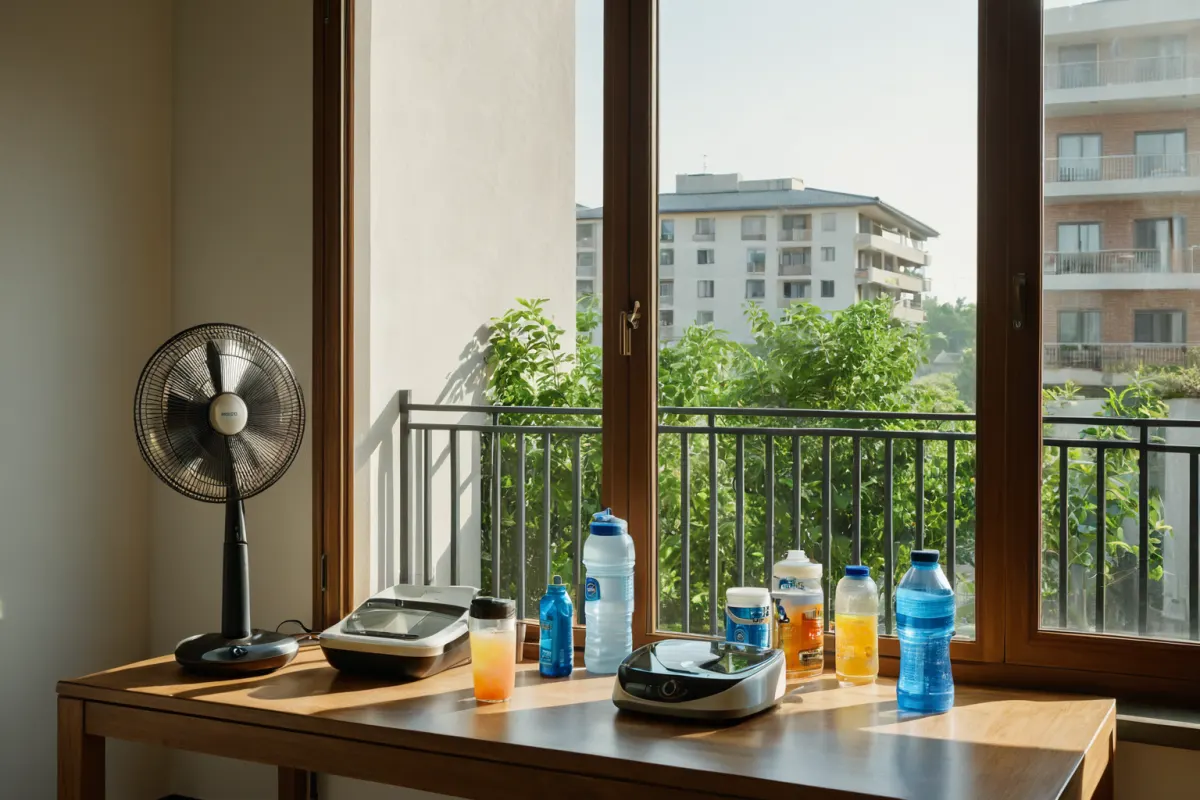
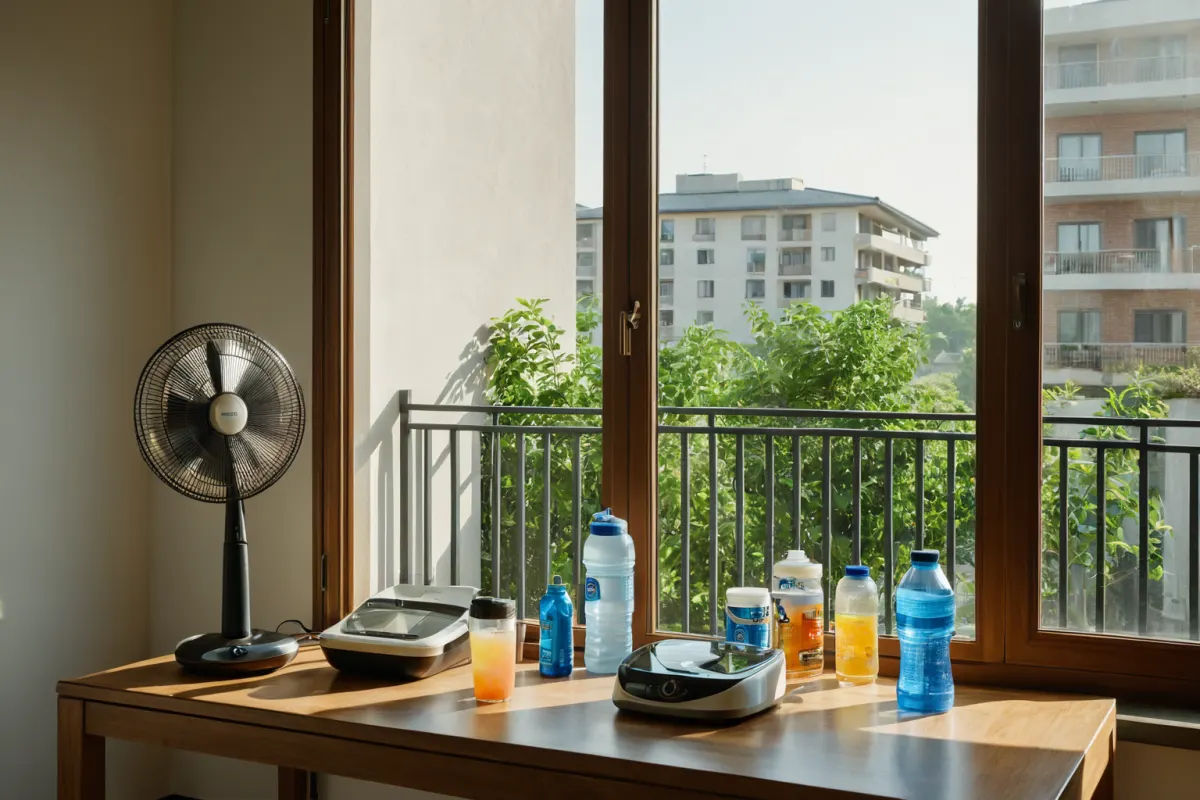
Thorough health preparation before a heatwave is crucial. Headaches and dizziness can be early signs of heat-related illness, so regular temperature checks and adequate hydration are essential, especially for the elderly and children. According to WHO guidelines, using fans during temperatures above 40°C may actually raise body temperature, making it prohibited in such conditions. This occurs because fans circulate indoor air without allowing sweat to evaporate, disrupting the body's natural cooling mechanism. Starting in 2025, revised occupational safety regulations will require mandatory measures when perceived temperature exceeds 31°C at work sites, marking a significant step in worker protection. Additionally, many people are reducing living expenses due to high cooling costs; statistics show that four out of ten individuals cut back on cooling bills, with the elderly and vulnerable groups facing greater financial strain. Therefore, actively utilizing government cooling cost support programs is necessary for heatwave preparedness.
Vehicle Check: Essential Pre-Heatwave Measures
Pre-heatwave vehicle inspections are critical for survival. Checks should include sun tinting condition, air conditioning performance, and tire pressure adjustment. Storing auxiliary batteries or butane gas inside vehicles is strictly prohibited as it can lead to major explosions. In 2026, Tata Daewoo Mobility and KGM will offer free heatwave-prepared vehicle inspections, enhancing safe travel. During heatwaves, interior car temperatures can rise above 60°C, so minimizing electricity use while operating in-car refrigerators or air conditioning is advisable. To prevent heat buildup inside vehicles, park in shaded areas when possible and use sun tinting films appropriately. Also, reduce items inside the vehicle to minimize heat retention and consider using in-car cooling devices for safe transportation.
Worksite Safety Checks: Construction and Project Site Preparedness
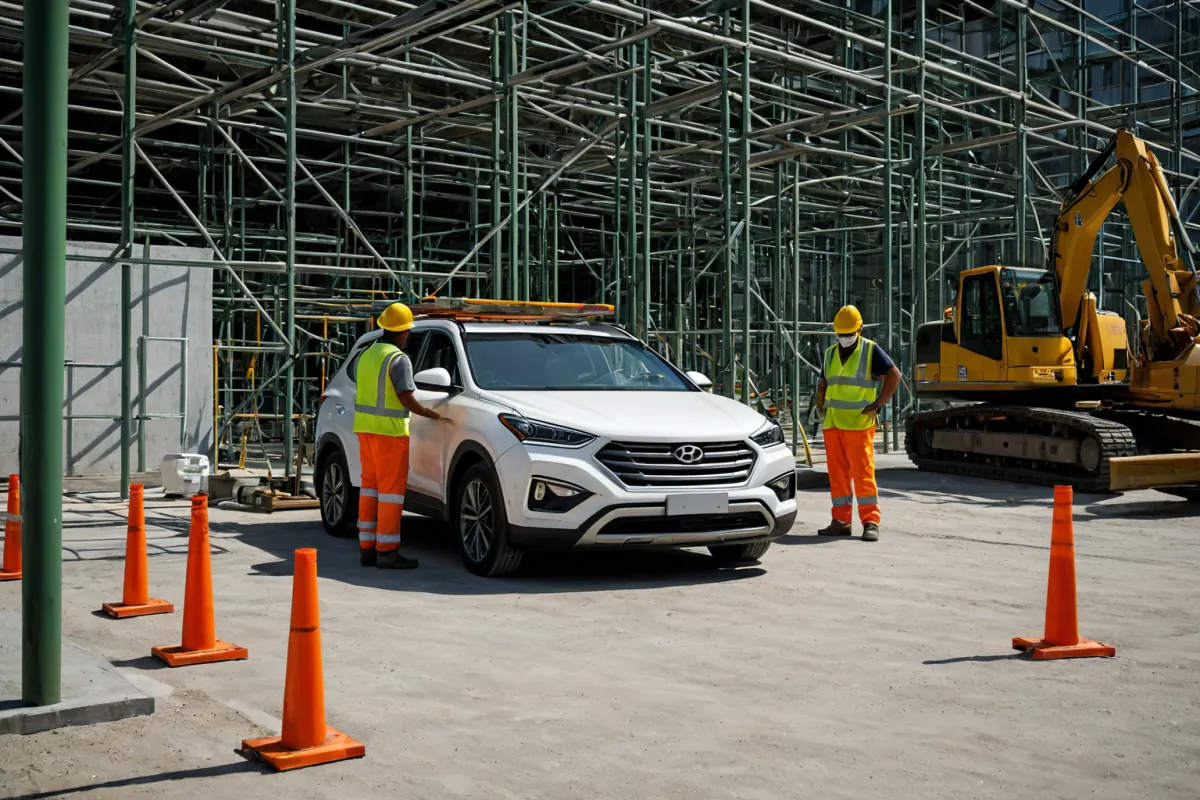
Heatwave preparedness is especially critical at construction and project sites. Since the second half of 2024, HJ Heavy Industry has conducted heatwave safety inspections at construction sites, while DL Construction has implemented concentrated periods for heat-related illness prevention with enhanced site response measures. Chungnam Province inspected 28 construction sites for heatwave preparedness, and Yeoncheon County held a meeting to review summer disaster and heatwave preparedness. Hwaseong Special Self-Governing City is conducting special safety inspections at residential construction sites, which will continue until 2026. These site inspections help identify gaps in health management during heat warnings. Heatwave preparedness on construction sites requires proper physical condition management and extended rest periods for workers. With the 2025 occupational safety regulation revision requiring mandatory measures when perceived temperature exceeds 31°C, site managers must establish response plans and strengthen worker education. Additionally, adjusting work hours to avoid high-temperature periods between 2 p.m. and 5 p.m. is recommended during heatwaves.
Support for Vulnerable Groups and Cooling Cost Relief
With four out of ten people reducing spending due to cooling costs, support policies for vulnerable groups are gaining emphasis. Elderly and low-income individuals face higher health risks during heatwaves, making it necessary for communities and businesses to collaborate on cooling cost relief programs. The 2025 occupational safety regulation revision includes specific guidelines for supporting the elderly and vulnerable populations, contributing to a faster response system during heatwaves. Heatwaves rank as the second most significant health threat after infectious diseases, highlighting the urgency of preparedness. Communities should consider opening public facilities like libraries, community centers, and sports complexes as cooling spaces for vulnerable groups, actively promoting these locations to protect their health.
Upcoming Schedule and Prevention Strategies
Starting in 2025, revised occupational safety regulations will require mandatory measures when perceived temperature exceeds 31°C at work sites. This marks a significant step for worker protection in construction sites and factories. By 2026, heatwaves are expected to intensify, making it crucial to include heatwaves, typhoons, and floods in climate disaster preparedness checklists. Dongducheon Fire Station is conducting inspections and training on heatstroke response equipment to enhance on-site capabilities. By July 15, 2026, Chungnam Province plans additional quality and safety inspections at construction sites for heatwave preparedness, reflecting a systematic management approach for intensifying heatwaves. In 2026, companies and the government will expand heatwave education programs to ensure the safety of both workers and general citizens.
What You Should Check
1. Health status check before heatwaves: Confirm early symptoms like headaches or dizziness
2. Verify no auxiliary batteries or butane gas stored inside vehicles
3. Identify gaps through safety inspections and develop response strategies
FAQ
Q: Why is using fans dangerous during heatwaves above 40°C?
A: Fans circulate indoor air without allowing sweat to evaporate, disrupting the body's natural cooling mechanism. WHO guidelines prohibit fan use at temperatures above 40°C.
Q: What changes will the 2025 occupational safety regulation revision bring?
A: Mandatory measures will be required when perceived temperature exceeds 31°C at work sites, a significant step in worker protection.
Q: When will free vehicle inspection services for heatwave preparedness be available?
A: In 2026, Tata Daewoo Mobility and KGM will offer free heatwave-prepared vehicle inspections.
You can view similar articles in one place.
View Related ArticlesFAQ
Why is using fans dangerous during heatwaves above 40°C?
Fans circulate indoor air without allowing sweat to evaporate, disrupting the body's natural cooling mechanism. WHO guidelines prohibit fan use at temperatures above 40°C.
What changes will the 2025 occupational safety regulation revision bring?
Mandatory measures will be required when perceived temperature exceeds 31°C at work sites, a significant step in worker protection.
When will free vehicle inspection services for heatwave preparedness be available?
In 2026, Tata Daewoo Mobility and KGM will offer free heatwave-prepared vehicle inspections.
Korean Source
This article is an English localization of a Korean-language report from BlogScore. Original: 폭염 발생 전 대비 방법: 미리 준비해야 할 필수 체크리스트