
How to Predict Seafood Price Fluctuations Using Real-Time Data
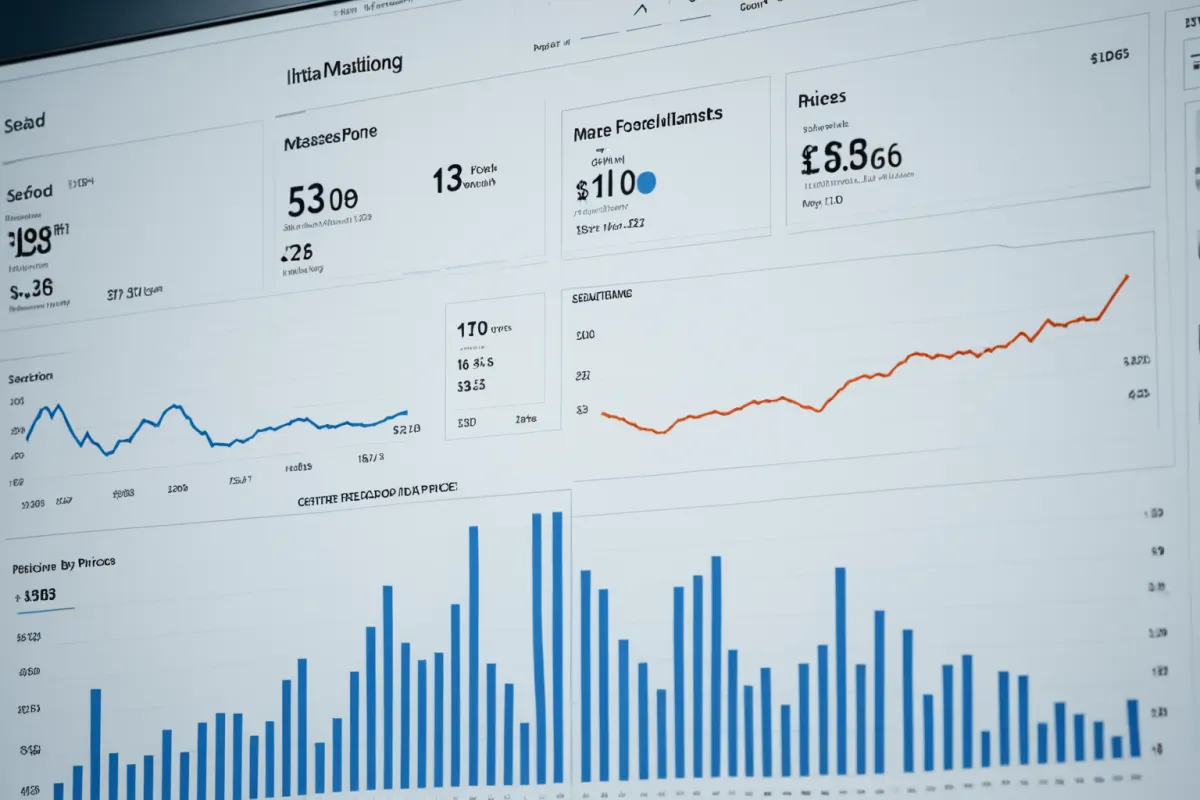
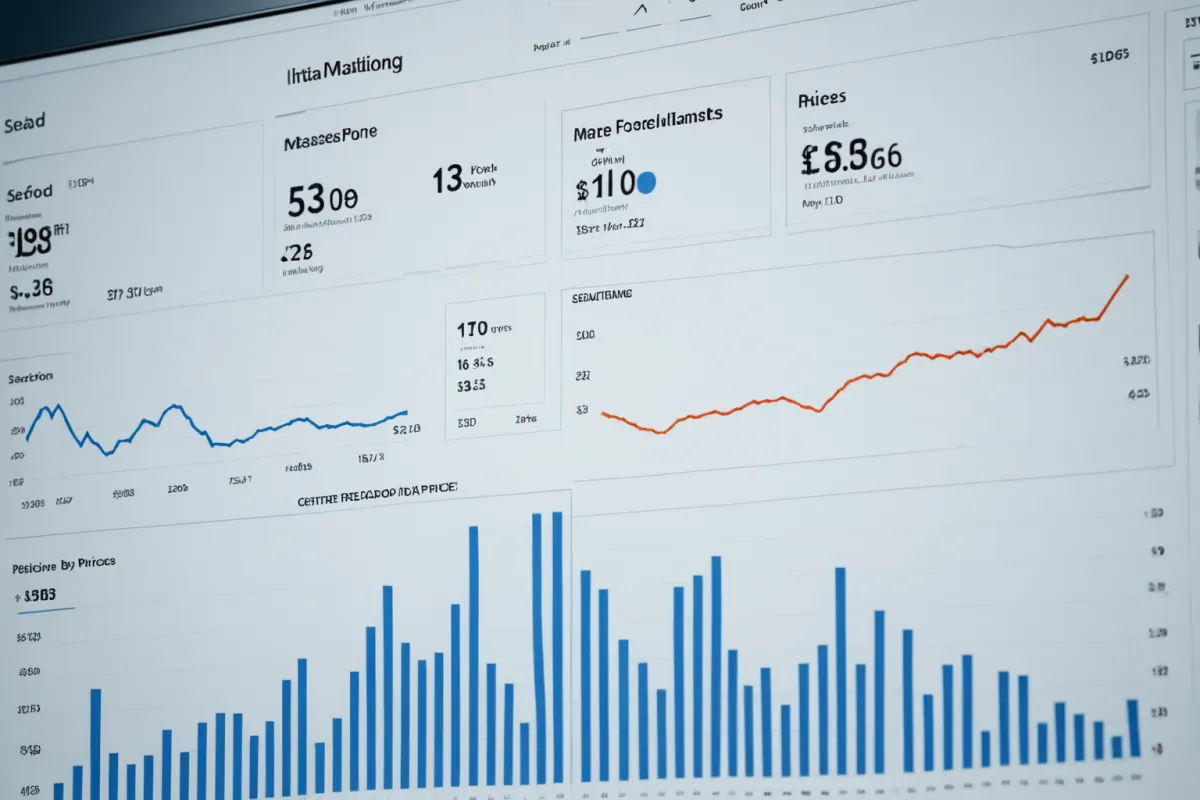
Data-Driven Strategies for Predicting Seafood Price Fluctuations
Seafood price fluctuations result from multiple factors including extreme weather, rising fuel costs due to the Middle East conflict, and increased air freight rates. Recent reports show import prices rising at a 28-year high, with April's consumer inflation reaching 2.6% due to international oil prices.
In May, producer prices surged by 3.9%, making seafood price prediction increasingly critical. The Middle East conflict has caused a 8.6% monthly increase in fuel prices for fishing vessels, intensifying financial pressure on fishers.
Key Elements of Real-Time Data Utilization
Predicting seafood price changes requires real-time data collection and analysis. Multiple variables such as oil price fluctuations, climate change, and international shipping costs must be considered comprehensively.
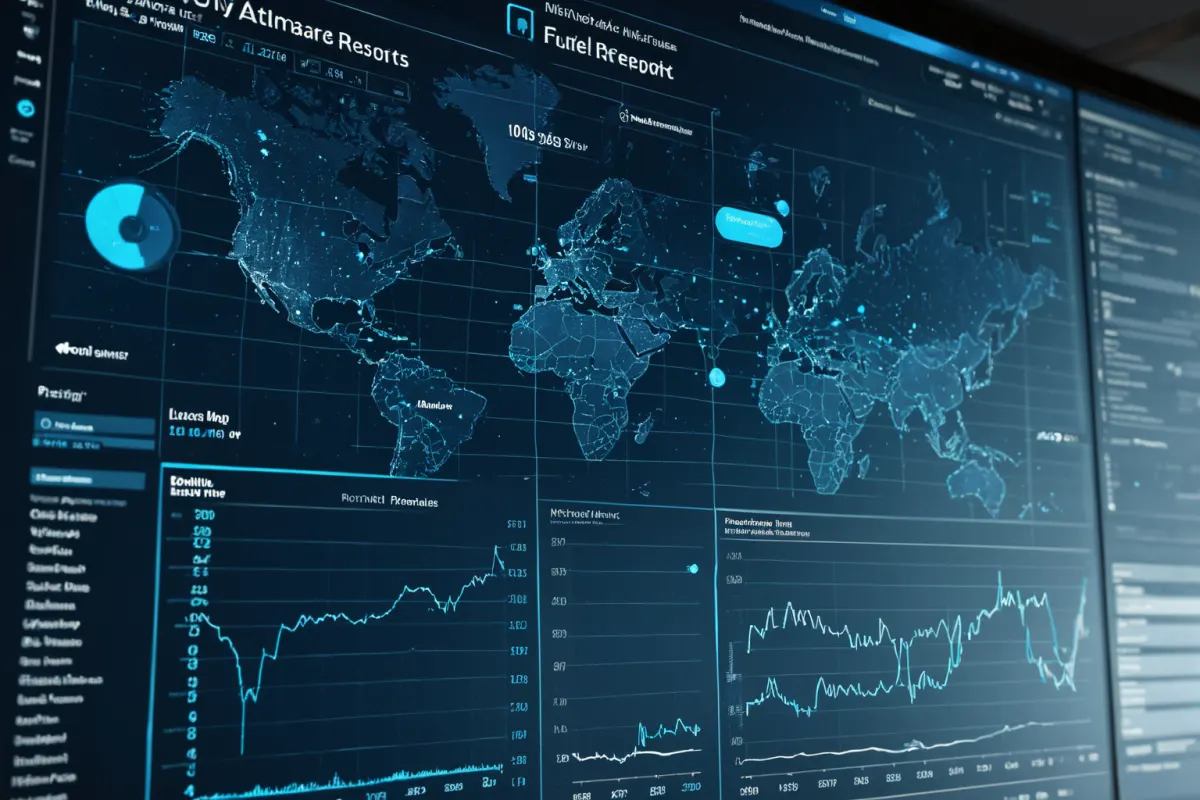
Real-time data platforms integrate seafood export/import status, fishing vessel departure rates, and weather forecasts to predict price movements. Recently, in North Gyeongsang Province (Gyeongbuk), a policy providing 20% support for increased fuel costs has drawn attention as an example of effective real-time data utilization.
Middle East Conflict and Fuel Price Fluctuations
Due to the Middle East conflict, fuel prices for fishing vessels have risen by 8.6% within a month. This directly contributed to higher seafood production costs and price increases, particularly impacting large fishing vessels' operations.
Rising fuel costs also affect air freight rates, influencing imported fresh food prices. Since mid-April, imported seafood prices began rising, with producer prices increasing by 3.9% in May.
Government Support Policies and Data Utilization
Gyeongbuk implemented emergency fuel cost support for fishers amid rising oil prices, offering to cover 20% of the increased costs. This targeted approach, based on real-time data analysis, focuses support on regions experiencing severe financial pressure.
Government policies use data analysis to predict fuel cost increases by time and region, enabling targeted support allocation. This is considered a successful example of policy development using real-time data.
Developing Seafood Price Fluctuation Prediction Models
Real-time data-based seafood price fluctuation prediction models comprehensively analyze climate change, international oil prices, air freight rates, and export/import statistics. These models apply machine learning algorithms to improve accuracy.
The models primarily process three types of data: real-time weather data, international oil price changes, and marine seafood market trends. They focus on combining these data points to predict price movements.
Data Collection and Analysis Methods
Real-time data collection is mainly conducted through APIs. Platforms integrate public APIs from the Ministry of Oceans and Fisheries, international oil price providers, and the Korea Meteorological Administration.
In the analysis phase, machine learning compares historical data with current conditions. For example, patterns from previous events like the Middle East conflict's impact on fuel prices in March 2026 are used to inform future predictions.
Strategies for Utilizing Real-Time Data
The seafood industry is improving demand forecasting and inventory management using real-time data. For instance, they adjust import volumes ahead of expected price increases or optimize distribution routes based on predicted regional demand changes.
Data-driven decision-making benefits both producers and consumers. Producers can prepare for price fluctuations in advance, while consumers benefit from greater price stability.
Limits of Price Fluctuation Prediction
While real-time data-based predictions offer high accuracy, they have limited responsiveness to unexpected events like earthquakes or floods. In such cases, data-driven models may not handle exceptional situations effectively.
Additonally, seafood price fluctuations are linked to international political issues, making it difficult to predict changes due to policy shifts or conflicts. Therefore, data-based models should be supplemented with considerations for major events.
Effectiveness of Government Support Policies
The fuel cost support policy implemented in Gyeongbuk has been effective by targeting fishers experiencing severe financial pressure through real-time data analysis. This case is being highlighted as a successful example of data-driven policy development.
The government plans to expand the use of real-time data in policy development, strengthening collaboration between the Ministry of Oceans and Fisheries and private companies.
Future Outlook for Data-Driven Predictions
Future seafood price fluctuation predictions will become more refined. As AI and big data technologies advance, real-time data analysis speed and accuracy are expected to improve.
Especially given the 3.9% producer price surge in May 2026, data-based prediction is expected to play a crucial role in stabilizing the seafood market.
Key Points for Verifying Price Fluctuation Predictions
To improve prediction model accuracy, regular data validation is necessary. Key indicators include import prices, producer prices, and fuel price change rates.
The April consumer inflation of 2.6% and May's 1.2% increase serve as important reference points for evaluating how well the prediction models reflect actual market responses.
FAQ: Seafood Price Fluctuation Prediction
What information do real-time data-based seafood price fluctuation prediction models analyze?
Prediction models comprehensively analyze climate change, international oil prices, air freight rates, and export/import statistics. This covers the main factors influencing price changes.
How are government support policies operated based on real-time data?
The government analyzes real-time fuel cost increase data to provide targeted support for fishers experiencing severe financial pressure in specific regions. For example, Gyeongbuk implemented a policy covering 20% of increased oil prices.
What are the limitations of real-time data utilization?
Predicting unexpected events like earthquakes or floods is challenging, as well as predicting impacts from international political issues. Additionally, data collection and analysis costs can be high.
Frequently Asked Questions
Seafood price fluctuations result from multiple factors, and real-time data-based prediction models along with government support policies are key strategies for effective response. The 8.6% fuel price increase due to the Middle East conflict and Gyeongbuk's 20% fuel cost support policy demonstrate successful examples of this approach.
For future market stabilization, closer integration between real-time data analysis technology and government policies is needed. This will help predict and respond to price fluctuations effectively.
Given the current market situation with April's consumer inflation at 2.6% and May's producer prices rising by 3.9%, real-time data-based prediction has become an important tool for both the seafood industry and consumers.
You can view similar articles on this topic in one place.
View Related ArticlesFAQ
What information do real-time data-based seafood price fluctuation prediction models analyze?
Prediction models comprehensively analyze climate change, international oil prices, air freight rates, and export/import statistics. This covers the main factors influencing price changes.
How are government support policies operated based on real-time data?
The government analyzes real-time fuel cost increase data to provide targeted support for fishers experiencing severe financial pressure in specific regions. For example, Gyeongbuk implemented a policy covering 20% of increased oil prices.
What are the limitations of real-time data utilization?
Predicting unexpected events like earthquakes or floods is challenging, as well as predicting impacts from international political issues. Additionally, data collection and analysis costs can be high.
Korean Source
This article is an English localization of a Korean-language report from BlogScore. Original: 해산물 가격 변동을 예측하는 실시간 데이터 활용법