
How to Observe the Perseid Meteor Shower: A Complete Guide to Timing, Location, and Equipment
Perseid Meteor Shower Observation Period and Peak Dates
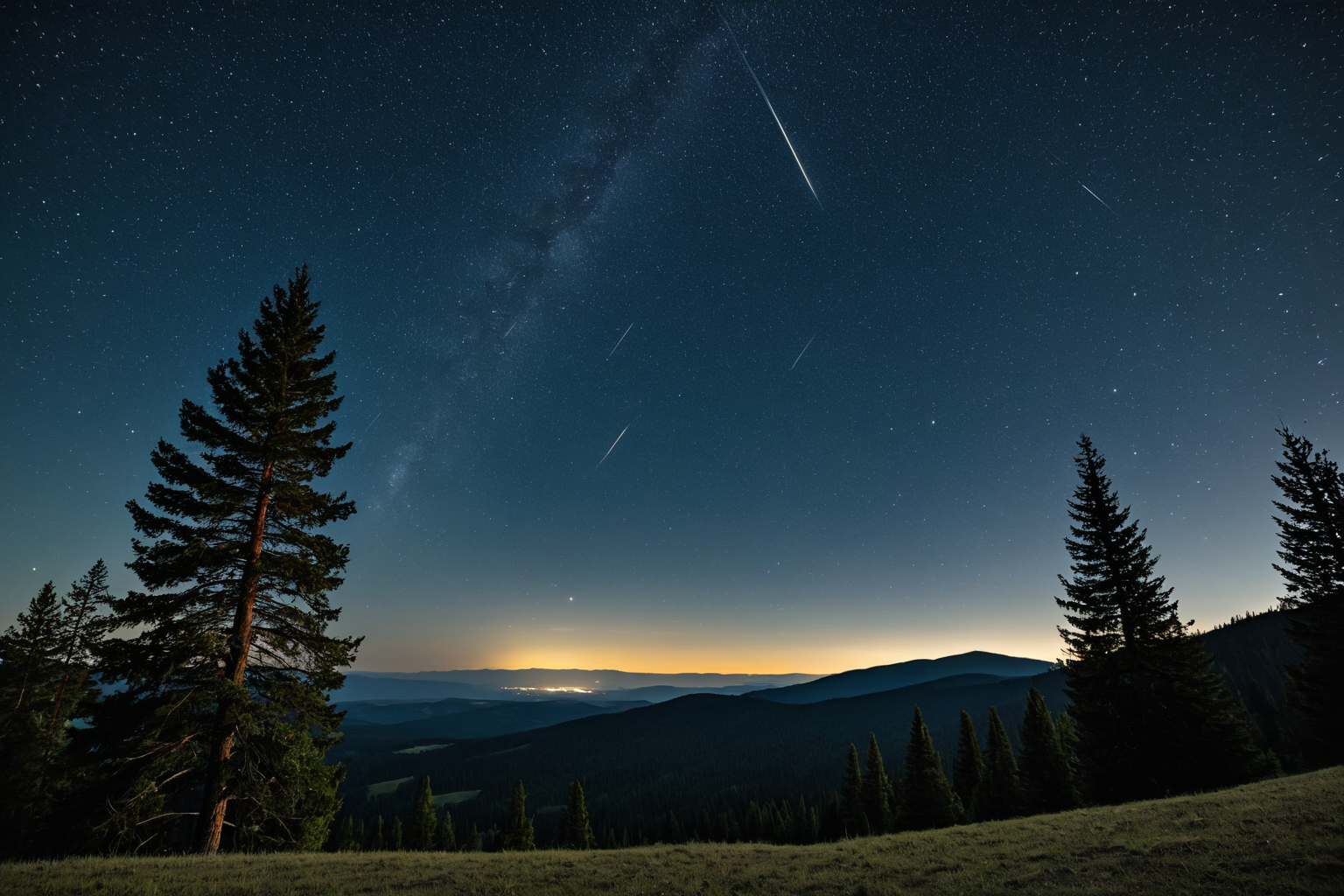
The Perseid meteor shower is visible from late July to mid-August each year, with its peak occurring on the night of August 12–13, 2026. This summer celestial event is a highlight for astronomy enthusiasts worldwide, painting the nighttime sky with streaking meteors. For optimal viewing, find a dark location where your eyes can adjust to the darkness before looking toward the constellation Perseus.
Best Time and Location for Observation
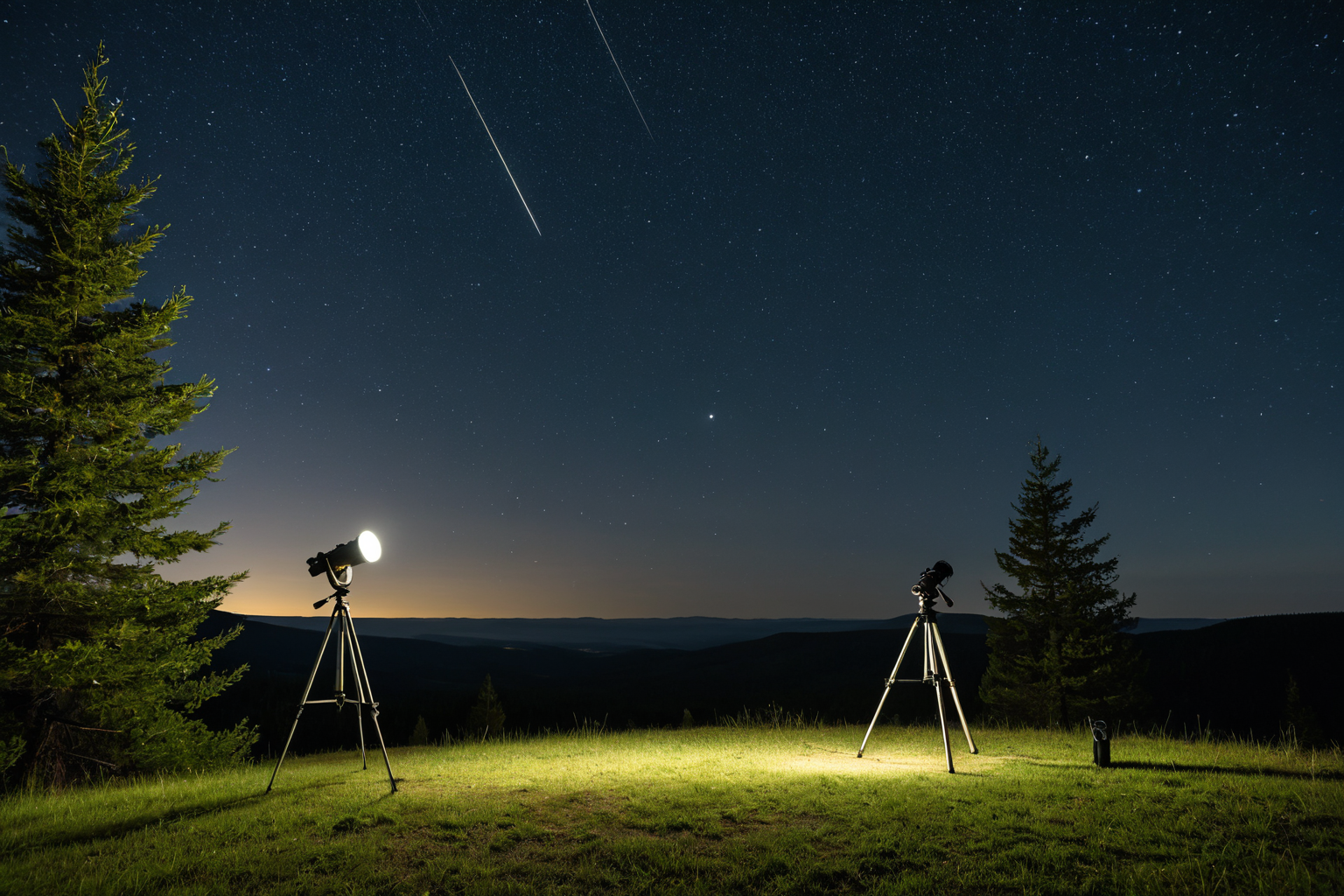
The peak of the Perseid meteor shower occurs around 11:30 PM local time. Observing before or after this time will yield the most meteors. Choose a location with minimal light pollution, such as mountainous areas or coastal regions, to enhance visibility. It’s recommended to look up at the entire sky for an immersive experience.
Special Events and Observation Programs at Astronomy Centers
The Ganghwa Astronomy Science Center will host special observation events during the peak of the Perseid meteor shower on August 12–13, 2026. The Donghae Byulnuri Observatory will offer a family-friendly program titled "Meteor Shower Meme" from August 11–14, featuring guided tours by professional astronomers and astrophotography workshops. Jeongpyeong Jokusan Observatory will hold an observation event on August 13, focusing on interactive astronomy experiences for children.
The Seodaemun Natural History Museum is also offering astrophotography classes focused on meteor showers and summer constellations. These sessions teach techniques like long-exposure photography with a fixed camera to capture the best images during the Perseid shower.
Observation and Photography Tips
The Perseid meteor shower can be observed without special equipment. However, allowing your eyes 15–20 minutes to adjust to the dark will help you spot more meteors. For photography, use a tripod with long exposures (30 seconds or longer) at ISO settings between 800 and 1600, focusing on infinity.
Be mindful of avoiding brightly lit urban areas due to light pollution, which can hinder visibility. Always choose safe locations for observation, and consider bringing a companion when moving around in the dark.
Observation Period and Meteor Count
The Perseid meteor shower is visible from late July through mid-August each year, with an estimated 60–120 meteors per hour during the peak on August 12–13. This number can vary based on location and weather conditions.
On the night of August 12, 2024, the Perseid meteor shower peaked around 11:30 PM local time, with observers reporting the highest number of meteors at that hour. The shower is consistently visible from late July to mid-August, with optimal viewing after 10 PM.
Strategies for Choosing Observation Location and Time
The most important factors for observing the Perseid meteor shower are a dark location and the right time of night. Urban areas often have too much light pollution to see meteors clearly, so outdoor locations like mountains or beaches are ideal. Plan your observation around the peak period in mid-August.
For best results, observe after 10 PM when the constellation Perseus is higher in the sky, with the highest concentration of meteors around 11:30 PM local time.
Astronomical Background and Observation History
The Perseid meteor shower occurs when dust particles from the Perseus constellation collide with Earth’s atmosphere. This annual event is visible from late July to mid-August, peaking around August 12–13 each year.
Historically documented as an ancient astronomical phenomenon observed since antiquity, modern astronomers continue to study the Perseids to better understand interactions between Earth and cosmic dust.
Important Notes for Observation and Photography
Avoid light-polluted urban areas and choose safe locations. When moving in dark areas, always bring a companion for safety. For photography, secure your camera on a tripod with long exposures (30+ seconds), ISO 800–1600, and focus at infinity.
Consider bringing water and wearing breathable clothing to stay comfortable during summer nights when observing the meteor shower.
Additional Information and Precautions
Check weather forecasts before heading out, as cloudy conditions can obstruct views. Also, verify that your chosen location has proper safety measures in place, especially if visiting mountainous or coastal areas.
Frequently Asked Questions
Q: Do I need special equipment to observe the Perseid meteor shower?
No special equipment is required. All you need is a dark location where your eyes can adjust for 15–20 minutes before observing.
Q: When is the peak time of the Perseid meteor shower?
The peak occurs around 11:30 PM local time on August 12–13 each year. Observing during this window will give you the best chance to see the most meteors.
Q: How do I photograph the Perseid meteor shower?
Use a tripod with long exposures (30 seconds or more), ISO 800–1600, and focus on infinity for optimal results. This technique helps capture the trails of meteors across the sky.
The observation period runs from late July through mid-August annually, with the peak in 2026 occurring on August 12–13, when observers can expect about 60–120 meteors per hour.
You can explore more articles on similar topics in one place.
View Related ArticlesFAQ
Do I need special equipment to observe the Perseid meteor shower?
No special equipment is required. All you need is a dark location where your eyes can adjust for 15–20 minutes before observing.
When is the peak time of the Perseid meteor shower?
The peak occurs around 11:30 PM local time on August 12–13 each year. Observing during this window will give you the best chance to see the most meteors.
How do I photograph the Perseid meteor shower?
Use a tripod with long exposures (30 seconds or more), ISO 800–1600, and focus on infinity for optimal results. This technique helps capture the trails of meteors across the sky.
Korean Source
This article is an English localization of a Korean-language report from BlogScore. Original: 페르세우스 유성우 관측 방법: 시간, 장소, 준비물 완전 가이드