
How to Observe Meteors: Weather and Location Matter
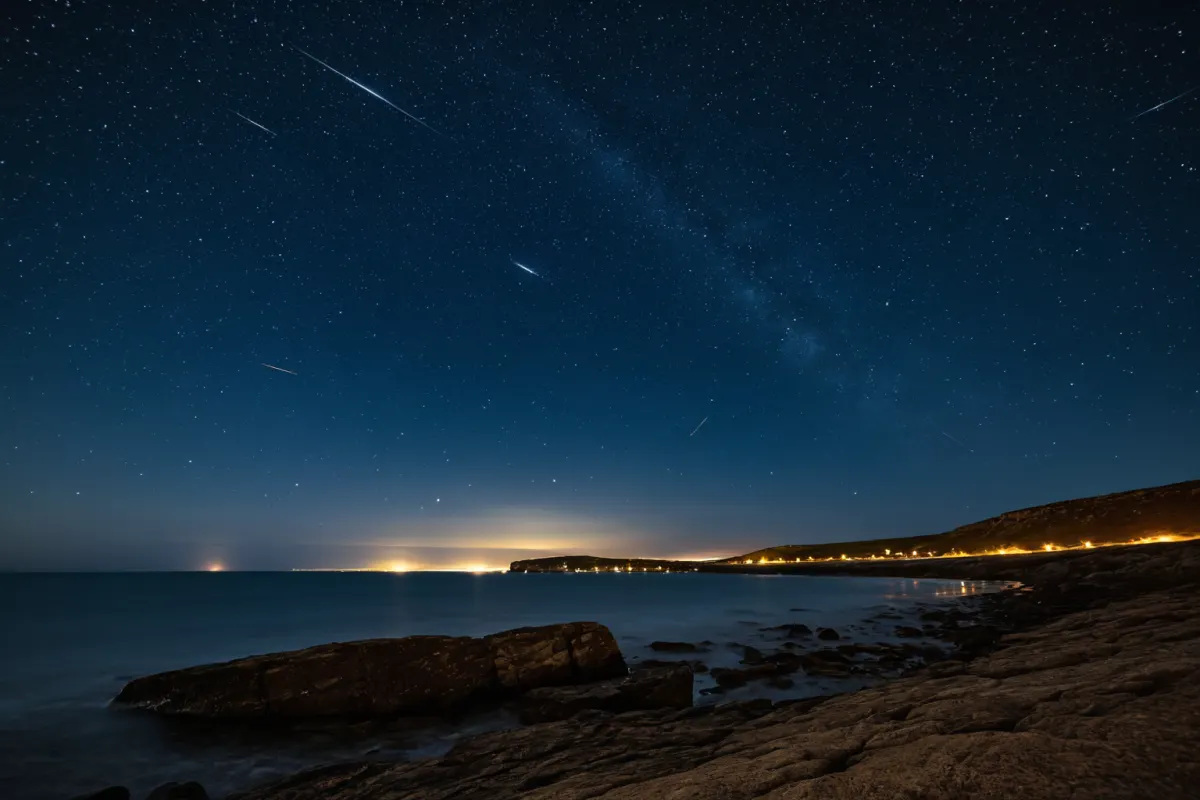
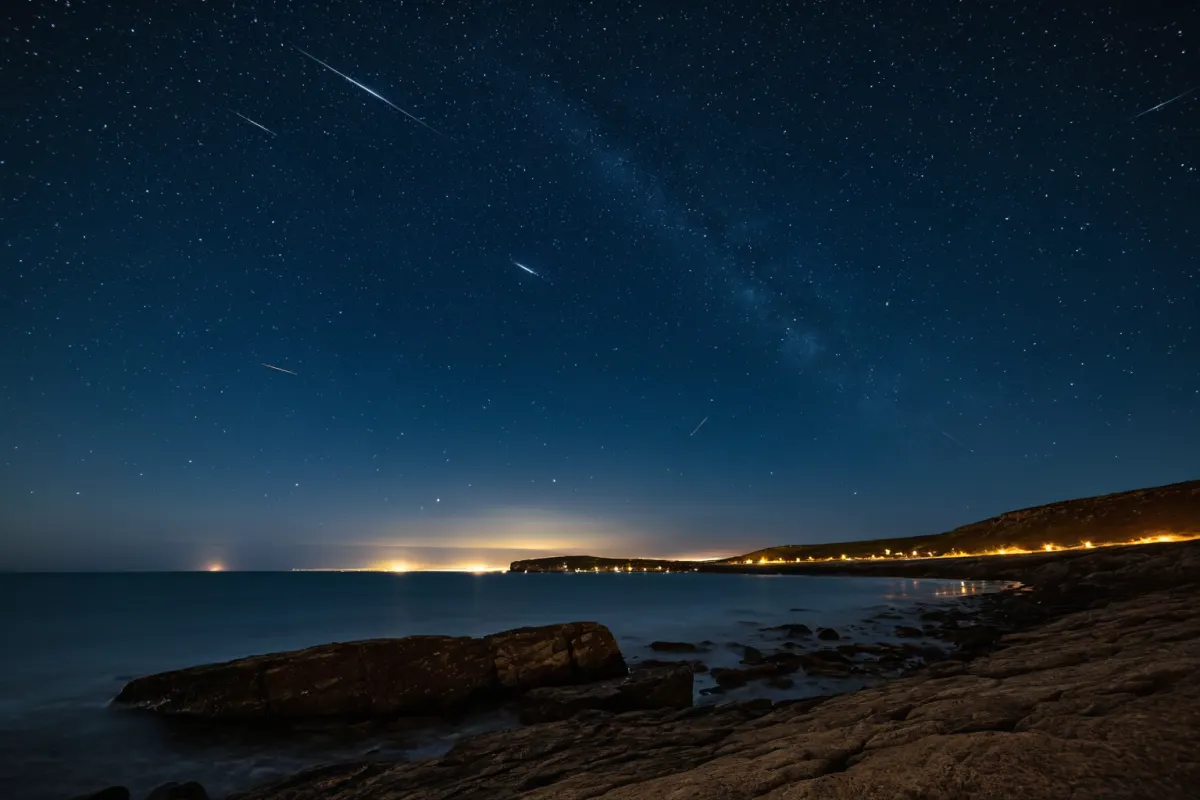
Optimal Conditions for Meteor Watching: The Importance of Weather and Location
In mid-August 2026, the Perseid meteor shower will reach its peak, offering viewers up to about 100 meteors per hour. During this time, it's essential to let your eyes adjust to dark skies with minimal ambient light, as bright city lights can hinder visibility.
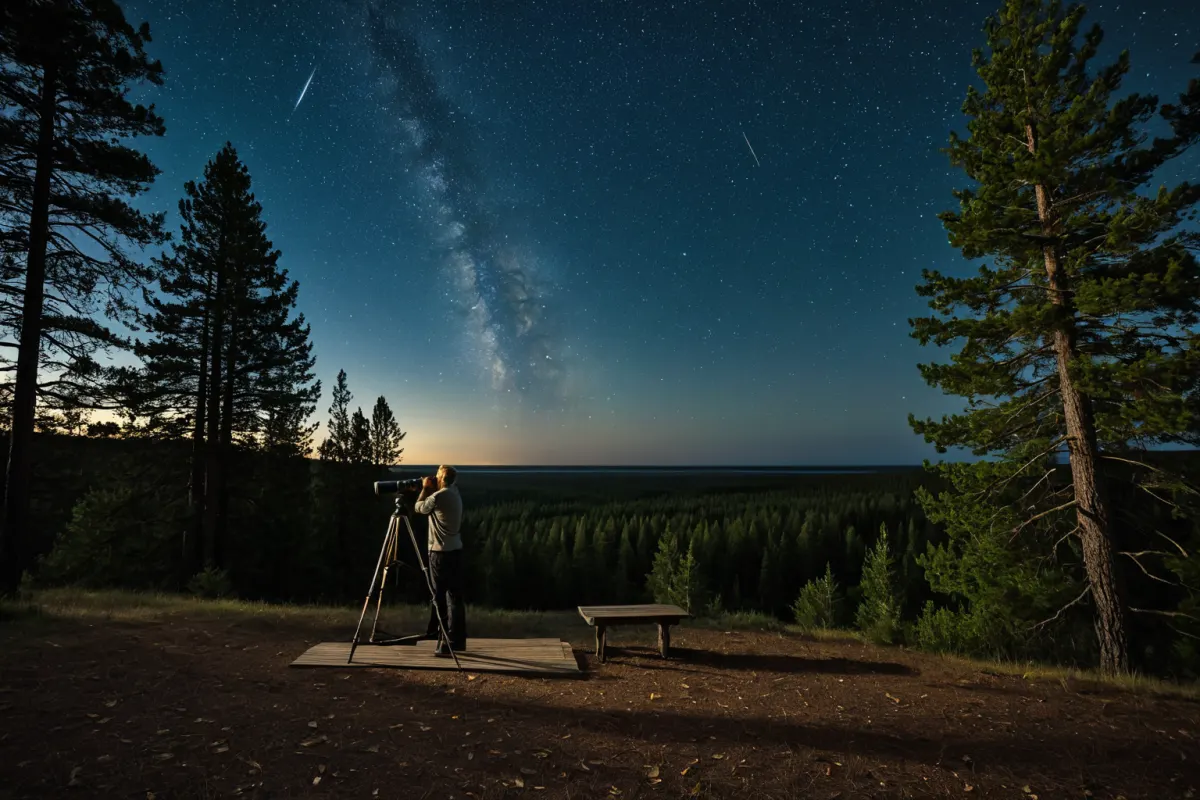
Perseid Meteor Shower Viewing Schedule and Locations
The best time to observe the Perseid meteor shower is from the evening of August 12th through the early morning of August 13th, 2026. The Seobulri Observatory in Donghae City will offer a 'Meteor Shower Experience' program for the public, running from August 11th to 14th. The Ganghwa Astronomical Science Museum will host special viewing events on August 13th, allowing visitors to experience the beauty of the meteor shower firsthand.
It's important to choose a time when the moon is not visible, as moonlight can interfere with observations. Mid-August is ideal because the moon phase is waning, creating excellent viewing conditions. In urban areas with significant light pollution, minimizing surrounding lights and moving to darker locations is essential for successful observation.
Meteor Observation Techniques: Eye Adaptation and Viewing Methods
To observe meteors effectively, your eyes need time to adjust to the dark environment. It's recommended to spend about 20-30 minutes in a dark area with minimal lighting before starting your observation. Avoid using bright screens from phones or other electronic devices during this period.
Choose viewing times when there is no moonlight, such as between the evening of August 12th and early morning of August 13th, when the Perseid meteor shower peaks at approximately 100 meteors per hour.
Select a location with minimal surrounding light and good astronomical conditions. Coastal areas or mountainous regions are ideal for observing meteors, while urban settings may make observation difficult due to light pollution.
Viewing Tips and Safety Information
When observing at night, be mindful of your surroundings to avoid tripping or slipping hazards. It's advisable to choose safe paths when traveling to viewing locations and to go with a companion rather than alone.
Check the weather in advance as cloudy or rainy conditions can make observation difficult. Mid-August is summer, so temperatures may be high; bring plenty of water and dress appropriately for nighttime temperatures.
Select safe locations for viewing, especially when considering areas like mountains or coastlines that may pose risks. After observing, remember to clean up any trash or debris left behind to preserve the environment.
Checking Viewing Information: Latest Resources and Advice
For the most current information on meteor observation, refer to resources provided by astronomical organizations. The 2026 Perseid meteor shower is expected to peak at around 100 meteors per hour, which appears to be an increase compared to 2025.
Minimize surrounding light and allow your eyes to adapt to the dark when observing. Special viewing events hosted by Donghae City and Ganghwa Astronomical Science Museum offer opportunities for the public to experience the meteor shower firsthand, including guidance on observation techniques.
Select locations with minimal lighting and good astronomical conditions, such as coastal or mountainous areas away from urban light pollution. Check weather forecasts before heading out, as cloudy or rainy conditions can obstruct views.
Be mindful of your surroundings during nighttime observations to avoid hazards like tripping or slipping. Choose safe paths when traveling to viewing locations and consider going with a companion for added safety.
FAQ: Answers to Common Meteor Observation Questions
Q: When is the best time to observe meteors? A: The optimal viewing period for the Perseid meteor shower is from the evening of August 12th through the early morning of August 13th. This period offers excellent conditions with minimal moonlight.
Q: Where should I choose to observe meteors? A: Select a location with minimal surrounding light and dark surroundings. Coastal areas or mountainous regions with good astronomical conditions are ideal for meteor observation.
Q: How do I adapt my eyes for meteor observation? A: Spend about 20-30 minutes in a dark area with minimal lighting to allow your eyes to adjust. Avoid using bright screens from phones or other electronic devices during this time.
Frequently Asked Questions
Meteor observation varies depending on weather and location, with optimal viewing conditions available during the peak of the 2026 Perseid meteor shower in mid-August. During this time, minimize surrounding light, allow your eyes to adapt to darkness, and consider attending special viewing events at Donghae City and Ganghwa Astronomical Science Museum for a firsthand experience.
When planning your observation, consider weather conditions and surroundings to enjoy a safe viewing experience. The Perseid meteor shower is expected to produce about 100 meteors per hour during its peak, which appears to be an increase compared to 2025. For the best results, check weather forecasts and prepare by minimizing light pollution before your observation session.
Those planning to observe meteors should verify weather conditions and viewing locations in advance, learn how to minimize surrounding light, and prioritize safety during nighttime observations for a enjoyable experience.
You can find similar articles all in one place.
View Related ArticlesFAQ
When is the best time to observe meteors?
The optimal viewing period for the Perseid meteor shower is from the evening of August 12th through the early morning of August 13th. This period offers excellent conditions with minimal moonlight.
Where should I choose to observe meteors?
Select a location with minimal surrounding light and dark surroundings. Coastal areas or mountainous regions with good astronomical conditions are ideal for meteor observation.
How do I adapt my eyes for meteor observation?
Spend about 20-30 minutes in a dark area with minimal lighting to allow your eyes to adjust. Avoid using bright screens from phones or other electronic devices during this time.
Korean Source
This article is an English localization of a Korean-language report from BlogScore. Original: 별똥별 관측 방법, 날씨와 위치에 따라 달라요