
How to Know When a 'Severe Heat Warning' Text Message Arrives
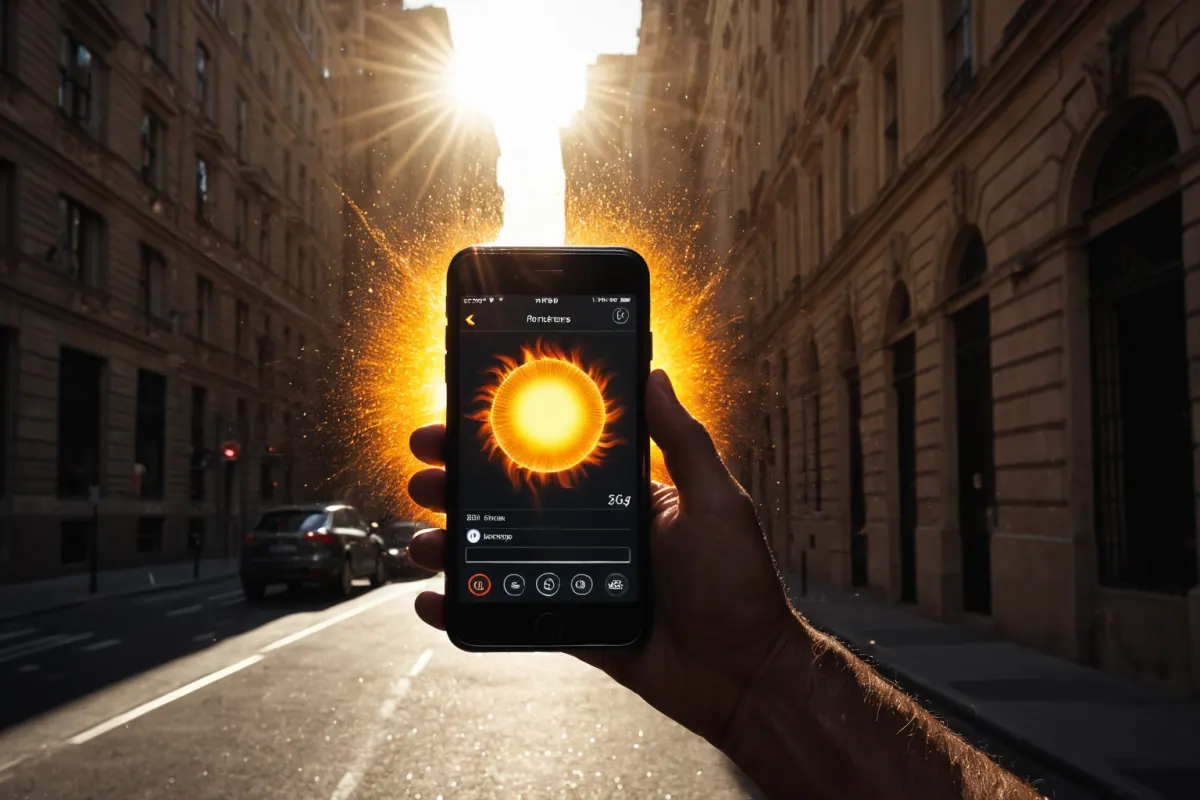
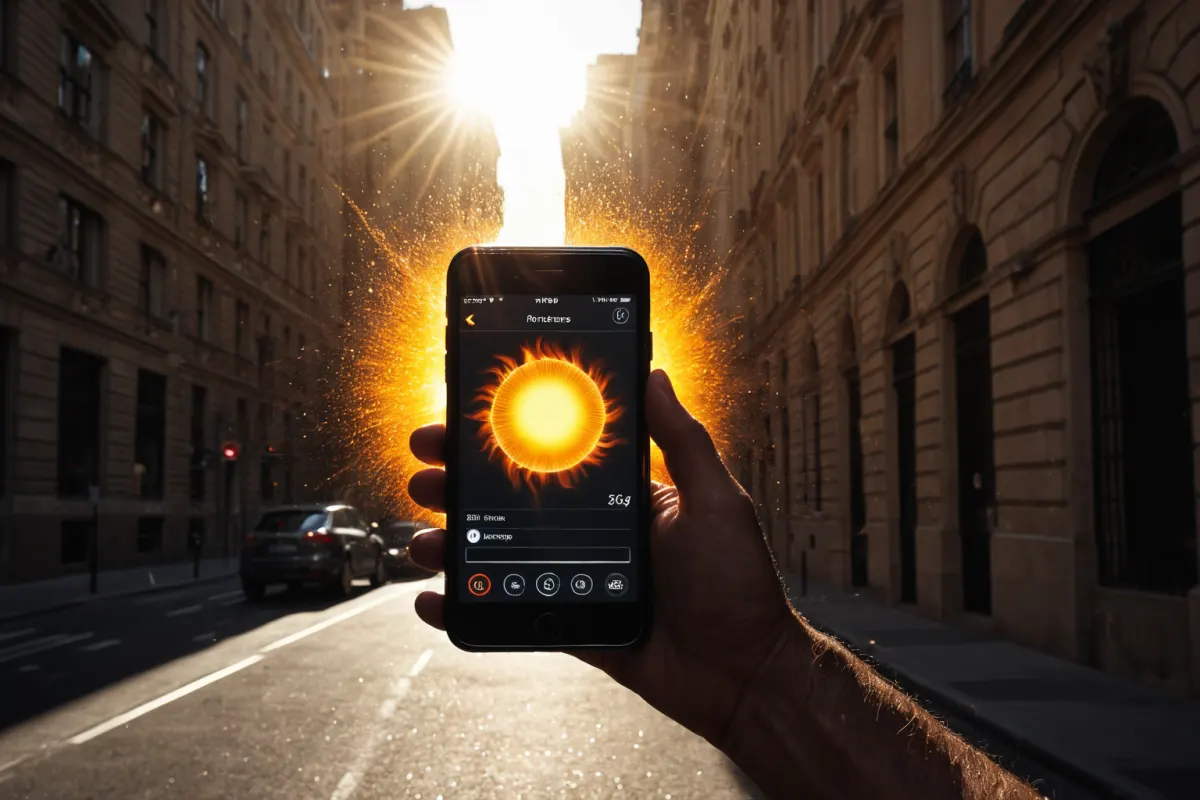
A 'Severe Heat Warning' text message means that the current heat has reached a dangerous level, making it more likely that an alert will be sent. However, the timing of when the message arrives can vary depending on local conditions and the alert system, so it's best to check both weather alerts and your emergency text settings rather than waiting passively.
Especially, a 'Severe Heat Warning' should be treated as a stronger signal than just a regular heat advisory. Checking whether you've received the message can help you take immediate action, such as drinking water on schedule, adjusting outdoor activities, or protecting children and elderly family members.
When Severe Heat Warning Texts Are Sent
Heat-related texts aren't sent just because it's hot—they're triggered when the risk level is assessed to be high. Factors like perceived temperature, nighttime temperatures that don't drop significantly, and consecutive days of extreme heat are all taken into account.
So even on the same day, some areas might receive a warning while others only get a lower-level advisory. Urban areas, for example, may experience more rapid increases in perceived risk due to the urban heat island effect.
You can find similar articles on this topic all in one place.
View Related ArticlesHow to Check When a Text Message Arrives
The first thing to check is your phone's emergency text settings. On both Android and iOS, if you've turned off emergency alerts, the message might arrive but won't show up on your screen.
Second, check your carrier's spam blocking settings. Apps or default filters that block spam can sometimes stop emergency texts from showing up, so you might miss them even though they arrived earlier.
Third, verify the weather alert based on your location. Even within the same city district, some administrative areas may have alerts while others don't, so it's important to check alerts for your specific address area.
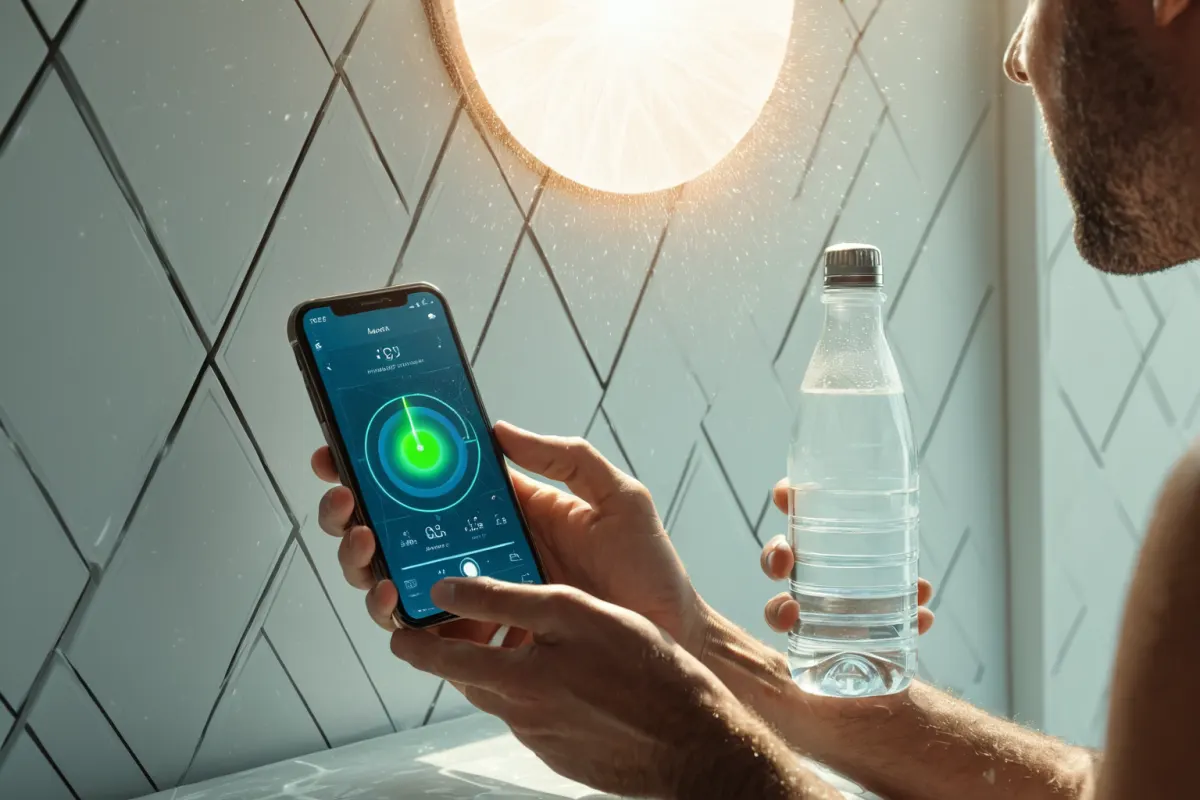
How to Check Your Emergency Text Settings
Even if you're new to this, following these steps will make it simple:
- Check whether emergency and safety alert messages are allowed in your phone settings.
- Make sure notification sounds and vibrations aren't turned off.
- Ensure that 'Do Not Disturb' mode isn't enabled.
- Check both your message inbox, notification center, and lock screen.
- Confirm that your carrier's spam blocking feature isn't set too strictly.
For example, if you usually receive alerts but suddenly stop getting them on a certain day, 'Do Not Disturb' mode is often the cause. Conversely, if you get notifications but miss them, adjusting how they display on your lock screen or changing the sound settings can help prevent future misses.
Precautions to Take Before Receiving a Severe Heat Warning
It's safer to prepare in advance rather than waiting for the message. Outdoor workers should reduce work during peak heat hours, and if going outside is necessary, bring water and wear hats as basic precautions.
At home, block direct sunlight with curtains or blinds and avoid turning on fans or air conditioning too late. Especially on nights when heat lingers, dehydration or headaches can occur during sleep, so drinking fluids before bed is important.
For example, if elderly parents live alone, calling them first might be more practical than waiting for the text message. A 'Severe Heat Warning' is just an advisory—actual safety depends on your daily habits.
Why Localized Alerts Vary by Area
'Severe Heat Warning' texts aren't sent to all areas at once. Weather alerts are divided based on the actual risk level in each area, so while one neighborhood might get a warning, your own could still be under a lower-level advisory.
This difference comes from factors like sea breezes, mountainous terrain, urban density, and nighttime temperatures. So people with long commutes should check both their home area's risk and the areas they travel through.
Why Relying Only on Text Messages Can Be Risky
Emergency alerts are fast but don't always provide detailed information. During times of heavy network traffic, messages might arrive slightly delayed, and how you receive them can depend on your phone's condition.
So even while waiting for the 'Severe Heat Warning' message, it's better to immediately take basic actions like opening windows, drinking water, and checking on vulnerable people. Treat the text as a confirmation rather than a trigger for action—take steps first.
Common Mistakes When Checking Alerts
Many people only check their regular message app when looking for these alerts. However, emergency messages often appear as top notifications or pop-ups on your lock screen, making them easy to miss if you don't look there.
Another common confusion is between safety alert texts and emergency alerts. Both are important but differ in urgency and delivery method, so read the full message instead of just skimming the title.
For instance, if your phone suddenly starts making loud notification sounds when it's usually quiet, don't panic—instead, understand why the sound is happening and respond appropriately.
Building a Habit for Checking Alerts
A 'Severe Heat Warning' message isn't just one-time information—it's a starting point to adjust your daily routine. Don't just check temperatures; look at perceived temperature, nighttime temperatures, and humidity for a more realistic picture of what you need to prepare for.
Especially for children, elderly people, pets, or outdoor workers, it's important to regularly monitor their condition. Drink water frequently, and if dizziness or nausea occurs, move to shade or indoors immediately.
FAQ
Q: Why might a 'Severe Heat Warning' text arrive late?
Timing can vary based on how local alerts are assessed and sent, your phone settings, and network conditions. So it's better to check weather alerts alongside your notification settings rather than waiting for the message alone.
Q: What should I do if I don't receive an emergency text?
First, check whether emergency alerts are enabled on your phone, if 'Do Not Disturb' mode is active, and if spam blocking is too strict. If that doesn't work, verify the weather alert for your specific location.
Q: What should I do immediately after receiving a 'Severe Heat Warning'?
The top priorities are drinking water, reducing outdoor activities, checking on elderly or children, and managing indoor temperatures. Avoid unnecessary movement or prolonged exposure to the sun.
Note: The latest alert standards and text delivery systems can vary by location and time, so it's safest to double-check today's guidelines before acting.
Continue exploring similar topics.
View Category ArticlesFAQ
Why might a 'Severe Heat Warning' text arrive late?
Timing can vary based on how local alerts are assessed and sent, your phone settings, and network conditions. So it's better to check weather alerts alongside your notification settings rather than waiting for the message alone.
What should I do if I don't receive an emergency text?
First, check whether emergency alerts are enabled on your phone, if 'Do Not Disturb' mode is active, and if spam blocking is too strict. If that doesn't work, verify the weather alert for your specific location.
What should I do immediately after receiving a 'Severe Heat Warning'?
The top priorities are drinking water, reducing outdoor activities, checking on elderly or children, and managing indoor temperatures. Avoid unnecessary movement or prolonged exposure to the sun.
Korean Source
This article is an English localization of a Korean-language report from BlogScore. Original: 폭염경보격상 문자 언제 오나 확인 방법