
How to Identify the Cause of Insomnia with a Sleep Study
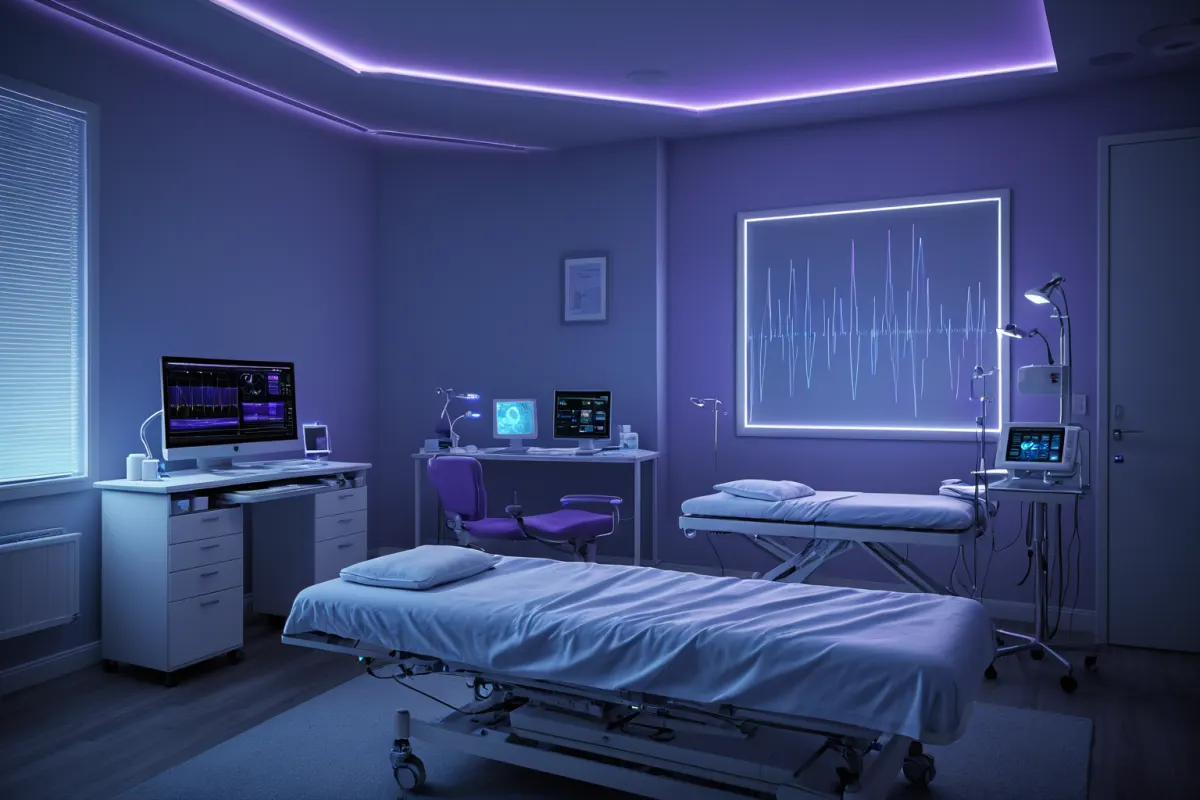
If you've been struggling with insomnia for a long time without knowing the cause, a sleep study is the most direct way to find out. It can help determine whether your difficulty sleeping stems from stress, breathing issues like snoring, or disruptions in your sleep cycle that cause frequent awakenings—giving you a clearer path toward treatment.
Especially if it takes you a long time to fall asleep, you wake up multiple times during the night, or you feel unrested in the morning, these symptoms are more than just tiredness. In such cases, an objective sleep study can help narrow down the cause.
How a Sleep Study Identifies Insomnia Causes
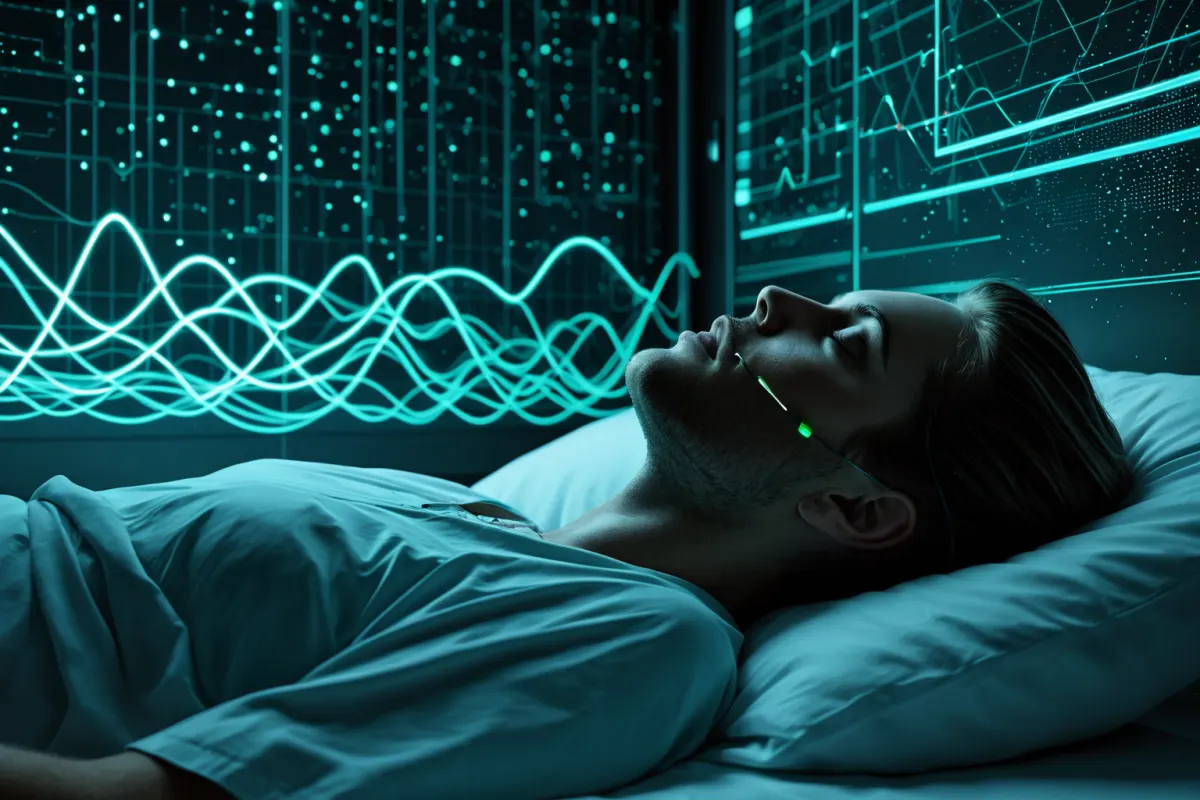
A polysomnography (sleep study) measures multiple factors during sleep, including brain waves, eye movements, muscle tension, breathing patterns, oxygen levels, and heart rate. In essence, it provides a multi-angle view of your sleep, helping you see how your actual sleep pattern differs from what you feel.
Insomnia isn't just about 'not being able to fall asleep.' Some people struggle to fall asleep, others wake up frequently during the night, and some wake up too early in the morning. A sleep study helps distinguish between these different types of insomnia.
You can find more articles on similar topics here.
View Related ArticlesWhen a Sleep Study Is Recommended
If you've had trouble sleeping for just a few days, you may not need an immediate sleep study. However, if insomnia persists for over a month, or if it significantly impacts your daytime concentration and daily life due to fatigue and drowsiness, it's worth considering.
Snoring heavily or feeling like you're stopping breathing during sleep are also important signs. What seems like simple insomnia might actually be undiagnosed sleep apnea. In such cases, the cause may not be psychological alone.
If you're experiencing significant depression, anxiety, or stress, your sleep issues could be related to these emotional factors. At this point, it's essential to evaluate both your sleep patterns and emotional state together, often through consultation at a sleep clinic or insomnia specialist.
Preparation Before the Sleep Study
A typical sleep study is conducted overnight at a hospital. On the day of the test, try to maintain your normal routine but avoid caffeine and long daytime naps, as these can affect results.
If you're taking any regular medications, inform your doctor beforehand. Some drugs like sleeping pills, antidepressants, or allergy medicine may interfere with sleep study results. Never stop them without consulting a healthcare professional.
When first entering the sleep lab, attaching sensors to your body might feel unfamiliar, but it's generally not uncomfortable. Most people get used to it and try to fall asleep as usual. Sometimes anxiety about the test itself can make it harder to sleep, which is also noted in the results.
Key Results to Look For
Don't just look at total sleep time—also consider sleep efficiency (how much of your time in bed was actually spent sleeping) and how often you wake up during the night. These factors are crucial for understanding what's happening with your sleep.
Another important factor is sleep stages. Too much light sleep or not enough deep sleep can leave you feeling unrefreshed, which is common among people under stress or dealing with anxiety.
For example, if you slept 7 hours but still feel tired, it might mean you didn't get enough deep sleep or woke up frequently. Conversely, if it takes over an hour to fall asleep, the focus will be on addressing your ability to initiate sleep.
How Treatment Varies Based on Results
The advantage of a sleep study is that treatment can be tailored based on the cause. If it's just poor sleep habits, lifestyle adjustments may help. If there's sleep apnea, specific treatments for that condition will be needed. And if anxiety or depression is present alongside insomnia, emotional support might become more important.
For instance, if a study shows frequent nighttime awakenings and breathing issues, the clinic may recommend further tests. On the other hand, if results are mostly normal but insomnia remains severe, the focus shifts to examining your sleep habits and stress response patterns.
In many cases, this process reveals that treating insomnia isn't just about medication—it requires looking at sleep timing, how you fall asleep, stress responses, and daily routines together for real improvement.
Real-Life Examples of Sleep Study Use
For example, Mr. A, a company employee, felt he took over an hour to fall asleep every night and woke up multiple times. The sleep study revealed that his issue was actually obstructive sleep apnea with frequent breathing interruptions. In this case, addressing the breathing problem was more critical than managing insomnia alone.
On the other hand, Ms. B showed no major breathing issues in her study but had low sleep efficiency and frequent awakenings. Her high stress levels and long phone use before bed were also noted, leading to a treatment plan focused on improving sleep habits and managing stress.
This shows that even though insomnia symptoms may seem similar, the underlying causes can vary widely. That's why many people seek out specialized sleep clinics like Seoul Sleep Center for both testing and consultation.
What to Look For When Choosing a Clinic
When selecting where to get a sleep study, make sure they have proper equipment and offer thorough explanations of results. It’s more helpful to choose a clinic that provides not just the test but also guidance on next steps based on your results.
Some people look for insomnia clinics or specialized Korean medicine centers, but it's still important to check how they assess sleep issues and whether they consider other possible conditions. The key is distinguishing between simple fatigue and more complex sleep disorders.
Most importantly, don't jump straight to long-term medication based only on the symptom of 'not being able to sleep.' Instead, take time to identify the root cause—especially if you also experience snoring, breathing pauses, or excessive daytime drowsiness.
FAQ
Q. Do I need a sleep study if I have insomnia?
A. Not necessarily. However, it's helpful if symptoms persist for more than a month or are accompanied by snoring, breathing pauses, or frequent awakenings.
Q. Does not sleeping well on the night of the test invalidate the results?
A. No, it doesn't. The fact that you struggled to sleep is actually useful information for your doctor, who will consider it alongside other factors.
Q. Does treatment start immediately after a sleep study?
A. It depends on the results. Treatment may involve lifestyle changes, medication, psychological approaches, or additional treatments for other sleep disorders.
A sleep study provides objective data to identify insomnia causes rather than relying on guesswork. The longer symptoms persist without proper evaluation, the more beneficial it becomes to get an accurate diagnosis. Always consult with a medical provider for the most up-to-date guidelines and recommendations.
Continue exploring similar topics.
View Category ArticlesFAQ
Do I need a sleep study if I have insomnia?
Not necessarily. However, it's helpful if symptoms persist for more than a month or are accompanied by snoring, breathing pauses, or frequent awakenings.
Does not sleeping well on the night of the test invalidate the results?
No, it doesn't. The fact that you struggled to sleep is actually useful information for your doctor, who will consider it alongside other factors.
Does treatment start immediately after a sleep study?
It depends on the results. Treatment may involve lifestyle changes, medication, psychological approaches, or additional treatments for other sleep disorders.
Korean Source
This article is an English localization of a Korean-language report from BlogScore. Original: 수면다원검사로 불면증 원인 확인하는 법