
How to Handle Inadequate Safety Inspections at Sports Facilities
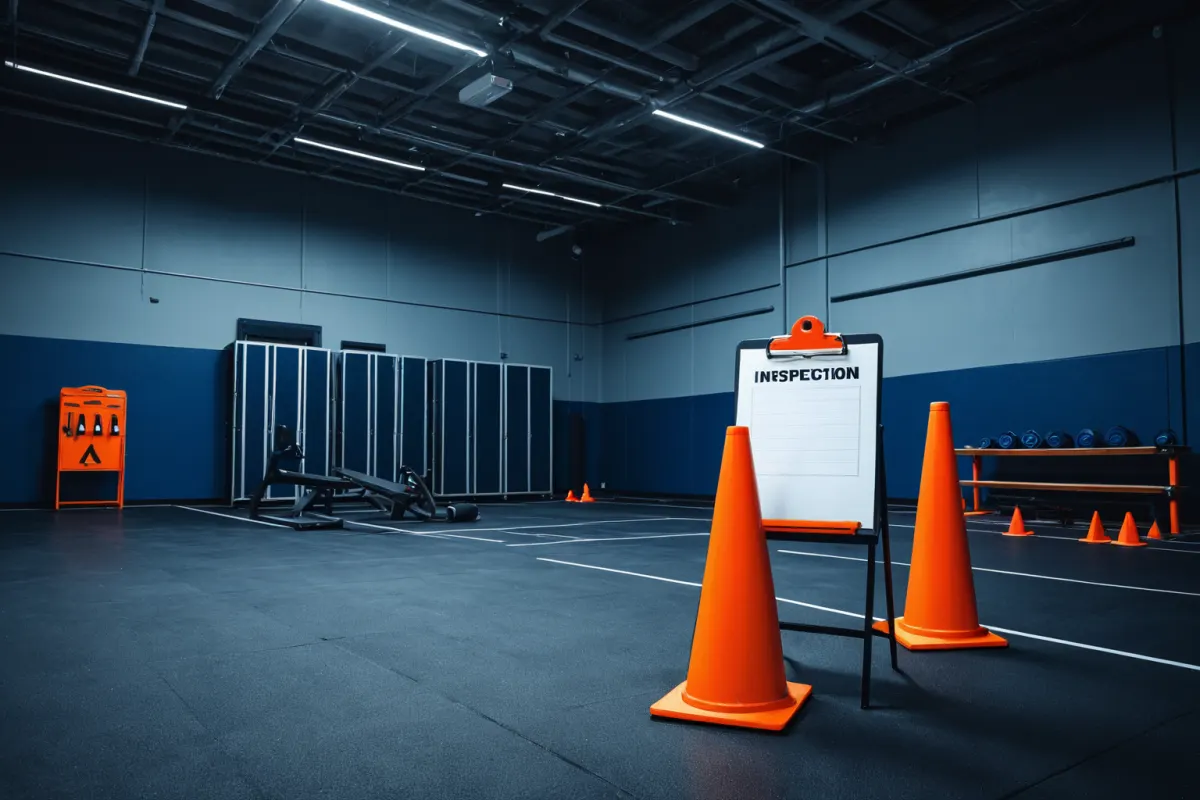
Receiving an 'inadequate' rating in a sports facility safety inspection rarely leads to immediate closure. Instead, operators are typically given a period to make improvements, after which the facility is rechecked before any further action is taken. The key is to clearly understand what needs fixing and by when, while keeping proof of completion.
A common mistake is treating the inspection results lightly. While the required actions may vary depending on the facility type, most require removing hazards and passing a re-inspection to move forward. Especially after an 'inadequate' rating, it's important not just to read the instructions but to immediately document the improvement items and deadlines.
First Items to Check After an Inadequate Rating
Upon receiving inspection results, the first thing to review is the specific reasons for the inadequate rating. Instead of vague terms like 'inadequate safety management,' look for detailed breakdowns of what specifically failed—such as railing height, slippery floors, fire extinguisher placement, lighting, or access point security—as these details determine how you should address each issue.
Second is the improvement period. This is the window given to correct issues before facing further consequences. Missing this deadline can lead to delayed re-inspections, administrative review, or operational restrictions.
The third item is required documentation. Photos, quotes, repair records, and before-and-after comparisons are often requested. Simply completing repairs isn't enough—you need proof that work was done, so taking photos right after completion is a good habit to develop.
Find more articles on similar topics in one place.
View Related ArticlesWhat to Do During the Improvement Period
The main focus during this period should be restoring or improving specific issues to meet safety standards. For example, if floors are reported as slippery, consider installing non-slip pads or replacing flooring. If emergency exit signage is lacking, you'll need to reorganize lighting and pathways.
It's important to remember that repairs alone aren't sufficient in most cases. Safety inspections often evaluate management systems, not just physical fixes—so updating fire extinguisher check dates or organizing regular inspection records can help streamline the process. Even small facilities benefit from having documentation ready for re-inspection.
For example, an indoor badminton facility might address lighting brightness, ceiling obstructions, floor cracks, and first-aid kit placement all at once. A gym could verify equipment stability, check cable wear, and confirm emergency contact information is posted to avoid missing items.
Common Follow-Up Actions After Inadequate Ratings
If corrections are completed within the improvement period, a re-inspection usually follows. If not, additional follow-up may be required or administrative penalties could be considered. In short, subsequent actions depend more on whether you actually fixed issues by the deadline than just receiving an 'inadequate' rating.
Items directly impacting safety are reviewed most strictly. Issues like poor access control, blocked emergency exits, or neglected structural damage will receive higher priority. Minor issues like missing signage often can be resolved more quickly.
Critical to this process is communication with the responsible official. Clarify what needs fixing first, whether photos alone suffice, and if an on-site re-inspection is necessary—this helps avoid wasted time. Instead of simply saying 'done,' send a brief summary including completion dates and work details.
Common Improvement Examples from the Field
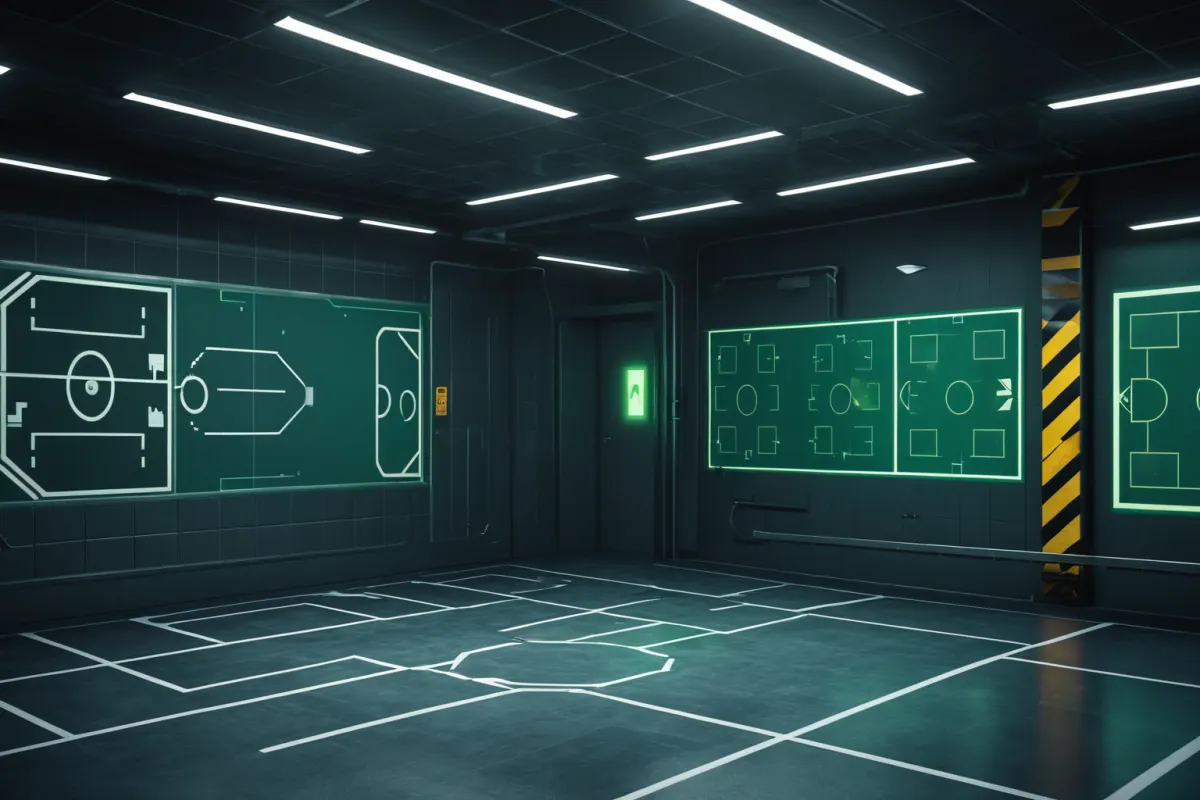
The most frequent issues operators face are often simple to fix: broken door handles, missing slip warnings on floors, loose exercise equipment bolts, or expired fire extinguishers. These problems can usually be resolved with quick repairs rather than major construction.
For example, a small taekwondo school might prioritize fixing raised mats and wall impact protection while reducing hand-trap hazards near frequently used doors. A pool facility would typically check non-slip mats, lifeguard deployment, and life-saving equipment availability—all of which require broader checks.
Instead of relying on memory, creating a checklist is highly recommended. A simple four-column format—'Issue Found,' 'Action Taken,' 'Completion Date,' and 'Proof Photo'—can make re-inspection preparation much easier. This documentation also makes it simpler for new staff to continue the process if personnel change.
Key Points When Checking with the Korea Sports Promotion Agency
When receiving safety inspection notices, you may see references like 'Korea Sports Promotion Agency - Sports Facility Safety Inspection.' The most important details are not the agency name but the inspection criteria, facility type covered, and submission requirements. Even for similar facilities, inspection items vary based on industry and size.
Additionally, local procedures can differ by region, so it's a good habit to check the department or contact information provided in the notice. Since 'inadequate' ratings may require different solutions even within the same facility type, adapting your response to match specific facility characteristics helps avoid repeat issues.
After an inspection, proper documentation becomes especially important. To prevent future similar feedback, it's advisable to manage repair histories, regular inspection dates, and staff handover records in one place. Organizing these details upfront will make responding to subsequent inspections much faster.
Recommended Action Sequence
To minimize confusion, follow this sequence:
- List each inadequate item separately
- Clearly mark the improvement period and submission deadline
- Address urgent safety hazards first
- Take photos before and after work with receipts
- Submit a brief summary of completed actions
For example, on the day you receive notice, categorize each issue. The next day, get quotes and begin repairs. After completion, bundle photos with dates for submission. This approach ensures quick verification by officials and clear explanations during re-inspections.
Frequently Asked Questions
Q1: Does an 'inadequate' safety inspection rating immediately shut down a sports facility?
Most often, facilities receive a correction period first rather than immediate closure. However, if serious hazards remain unaddressed or deadlines are missed, further action may follow.
Q2: Is completing repairs within the improvement period enough?
Repairs are important, but you also need supporting documentation like photos or inspection records. Inspectors focus more on 'how' you fixed issues than simply saying they were fixed.
Q3: What can be done to avoid repeated inadequate ratings?
Maintain a record of improvements made, regular inspection schedules, staff handovers, and documentation. Running daily checklists specifically for safety can also prevent recurring issues.
Addressing an 'inadequate' rating in sports facility inspections ultimately comes down to timely corrections and clear evidence. Facility types have slightly different standards, so it's safest to base your response on the specific items listed in your notice and accompanying guidelines. Since procedures may change over time, always double-check current agency instructions before implementing any changes.
Continue exploring similar topics.
View Category ArticlesFAQ
Does an 'inadequate' safety inspection rating immediately shut down a sports facility?
Most often, facilities receive a correction period first rather than immediate closure. However, if serious hazards remain unaddressed or deadlines are missed, further action may follow.
Is completing repairs within the improvement period enough?
Repairs are important, but you also need supporting documentation like photos or inspection records. Inspectors focus more on 'how' you fixed issues than simply saying they were fixed.
What can be done to avoid repeated inadequate ratings?
Maintain a record of improvements made, regular inspection schedules, staff handovers, and documentation. Running daily checklists specifically for safety can also prevent recurring issues.
Korean Source
This article is an English localization of a Korean-language report from BlogScore. Original: 체육시설 안전점검 미흡 시 개선기간과 후속조치