
How to Handle Home Flooding from Heavy Rains in Geoje and Tongyeong
How to Handle Home Flooding from Heavy Rains in Geoje and Tongyeong
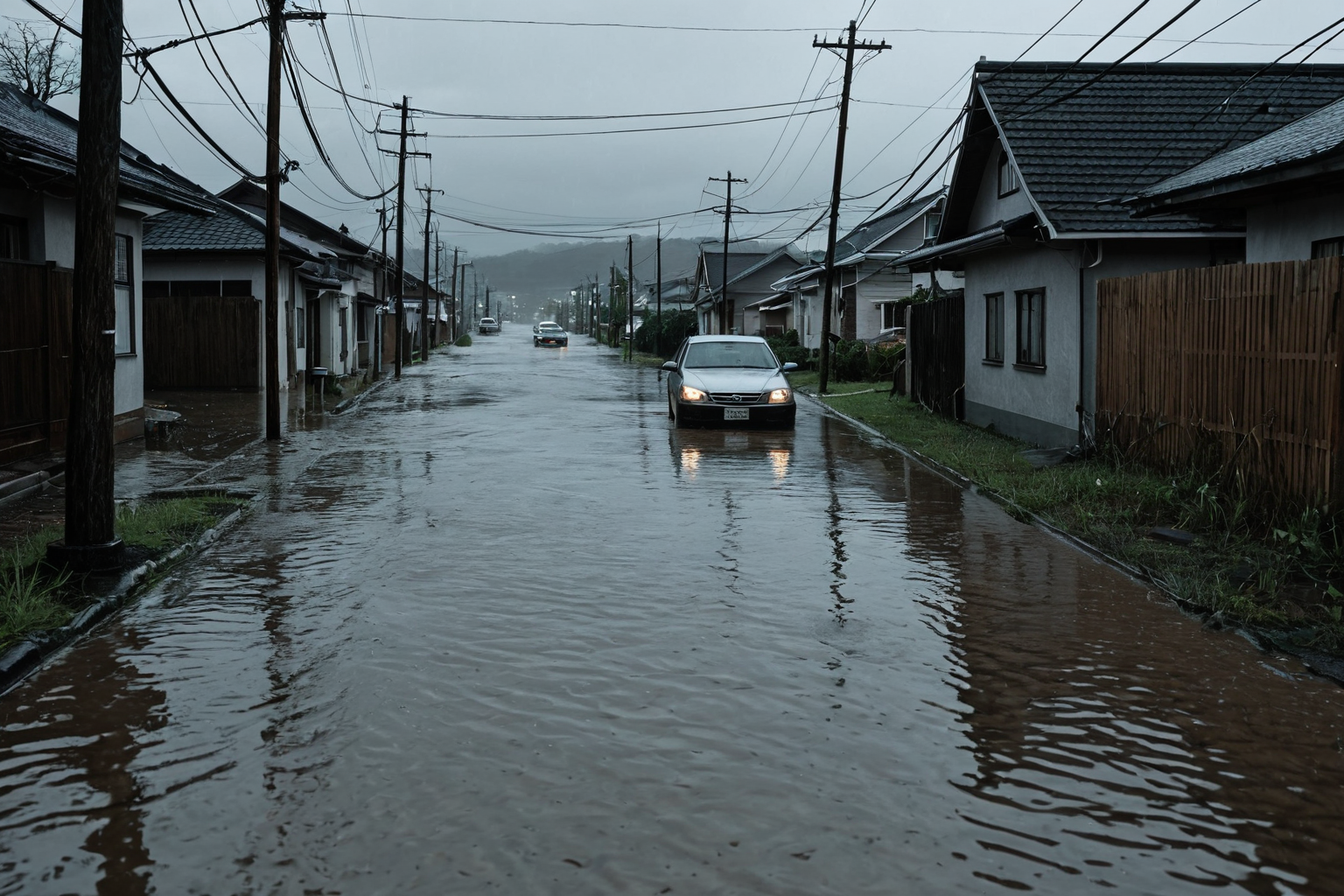
Record-breaking rains have caused severe flooding in Geoje and Tongyeong, South Korea, with Geoje recording 780–956mm of rainfall and Tongyeong 767mm. The heavy rain led to road closures, landslides, and a tragic death, forcing 159 people to evacuate. The government has declared the area a special disaster zone and deployed 550 volunteer firefighters nationwide for recovery efforts.
Flooding Damage Overview
Heavy rain persisted for three days in Geoje and Tongyeong, with Geoje recording up to 956mm and Tongyeong 767mm. This caused home flooding, road closures, landslides, and a fatality due to a landslide in an apartment complex in Geoje's Sanseong-dong area. A total of 159 people evacuated, with some staying at temporary facilities.
Geoje experienced rainfall exceeding 780mm over three days, causing roads to flood and landslides. The government declared the area a special disaster zone and deployed 550 volunteer firefighters for recovery efforts.
The rainfall in Geoje surpassed the record set during Seoul's 2022 heavy rain (934mm), indicating severe potential for flooding. Tongyeong also saw significant home flooding, particularly in low-lying residential areas.
The landslide fatality occurred in an apartment complex in Sanseong-dong, Geoje, which was already designated as a landslide risk area. However, the heavy rain caused unexpected collapse, resulting in one death. Neighboring residents were evacuated due to the emergency situation.
Government and Agency Response
President Lee Jae-myung declared Geoje and Tongyeong special disaster zones following a request from Gyeongsangnam-do Province. This reflects the government's proactive response to recovery efforts and support for affected residents. Additionally, 550 volunteer firefighters nationwide have been deployed for flood recovery.
Entertainer Im Young-woong donated 200 million won to aid Geoje and Tongyeong victims, bringing his total donations to 2.7 billion won. This has helped mobilize public support for the affected areas. Gyeongsangnam-do Governor Park Wan-su inspected the site to promise recovery support for displaced residents, emphasizing collaboration between government and citizens.
The flooding began on August 17, 2026, with the highest rainfall recorded on that day. Following the declaration of a special disaster zone on August 19, recovery efforts accelerated, including community clean-up activities organized by Baeul Mountain Agricultural Cooperative on August 21.
There is also a need to improve emergency response manuals. In Geoje, unclear evacuation procedures during flooding led to residents being in danger. The government and local authorities plan to revise these manuals and provide enhanced pre-disaster education for residents.
How to Handle Home Flooding
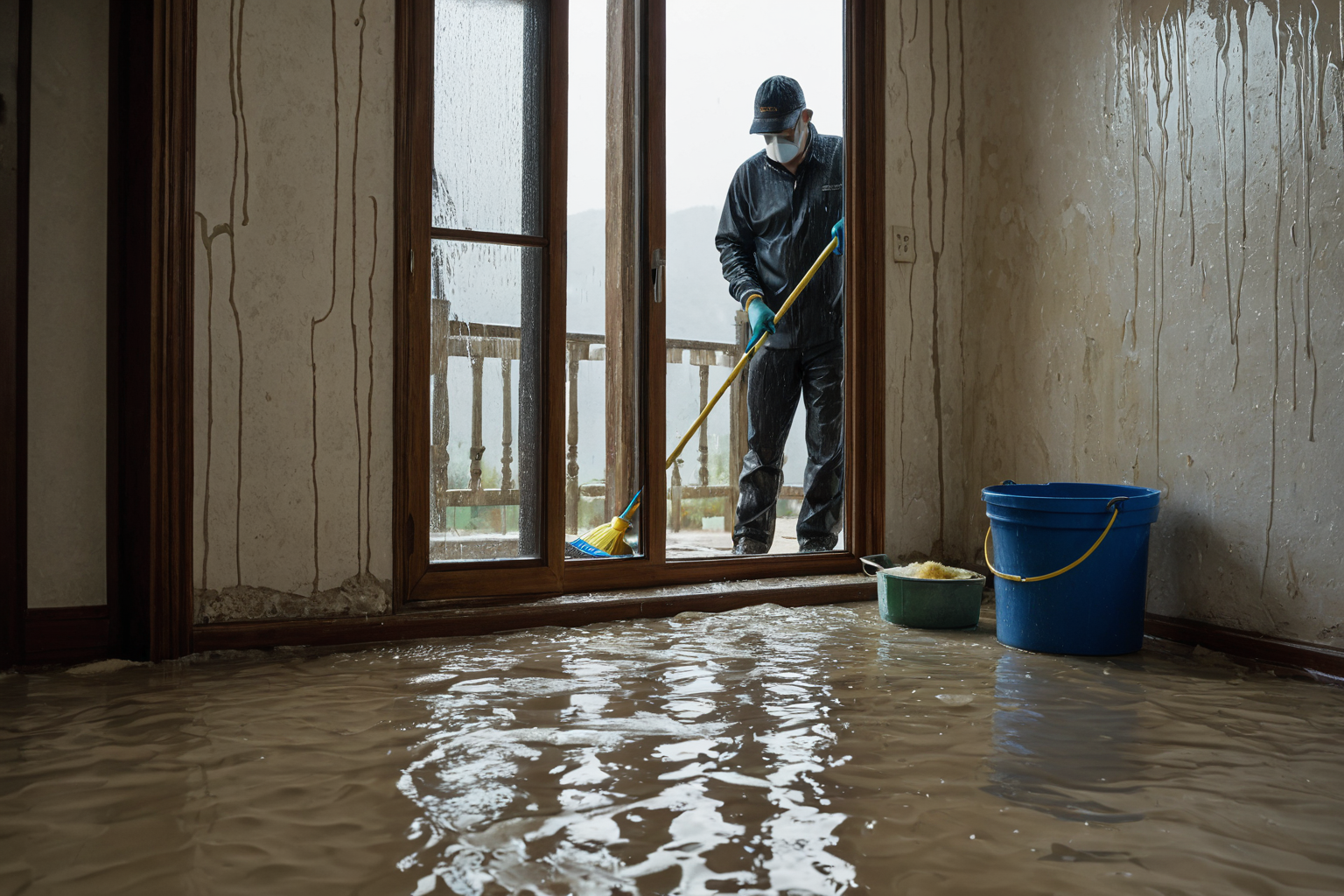
If your home is flooded, immediately cut off electricity and gas supplies. Contacting emergency services should be the first step. Electrical devices in contact with water pose a risk of electric shock, so turning off power and closing doors is essential for safety. Additionally, floodwater often contains pollutants and fine particles, making masks mandatory to prevent respiratory issues.
After flooding, thorough cleaning and disinfection are necessary. Do not store furniture or electronics while wet; instead, seek professional help for proper handling. Flooded areas are prone to mold and bacterial growth, so disinfect thoroughly and allow full drying.
To minimize damage, preparation is key. Check drainage systems, identify flood-prone areas, and secure emergency evacuation routes. Homes in low-lying areas should consider waterproofing measures before heavy rains arrive.
Need to Improve Emergency Response Manuals
Based on the current situation, there are many aspects of emergency response manuals that need improvement. Unclear evacuation and recovery procedures during flooding have exacerbated damage. Therefore, the government and local authorities plan to revise these manuals and strengthen pre-disaster education for residents.
Specifically, immediate actions during home flooding should include cutting off electricity and gas, moving to a safe shelter, and reporting the incident. To achieve this, regional emergency manuals need updating, and educational programs should be provided to residents.
Additionally, authorities recognize the need for rapid information sharing at the scene during disasters. Real-time tracking of flood conditions by region will help provide prompt guidance to residents.
Key Information
To accurately assess the damage in Geoje and Tongyeong, multiple agencies are collaborating. As of now, confirmed details include: 1 death, 159 evacuations, rainfall in Geoje (780–956mm), and Tongyeong (767mm). Additionally, 145 households totaling 245 people are staying at temporary facilities, with some returning to normal life as recovery progresses.
The government and local authorities are using the 550 volunteer firefighters and donated funds for recovery. Im Young-woong's donations have accumulated to 270 million won, contributing to rapid recovery efforts for affected residents.
Geoje experienced its worst flooding on August 17, 2026, when rainfall peaked. This data has been used by the government to develop recovery plans.
Frequently Asked Questions
What should be done first if your home floods?
Immediately cut off electricity and gas supplies, then move to a safe shelter.
How should furniture and electronics be handled after flooding?
Have them professionally cleaned, disinfected, and dried thoroughly.
What support does the government provide?
The declaration of a special disaster zone has deployed recovery personnel and funds. Temporary residents receive daily life recovery support.
Frequently Asked Questions
The flooding in Geoje and Tongyeong was severe, but with proactive government action and public support, recovery is underway. Homeowners should immediately cut off electricity and gas, evacuate to a safe area, and thoroughly disinfect after flooding. Future improvements to emergency response manuals and enhanced resident preparedness will be crucial.
You can find similar articles in one place.
View Related ArticlesFAQ
What should be done first if your home floods?
Immediately cut off electricity and gas supplies, then move to a safe shelter.
How should furniture and electronics be handled after flooding?
Have them professionally cleaned, disinfected, and dried thoroughly.
What support does the government provide?
The declaration of a special disaster zone has deployed recovery personnel and funds. Temporary residents receive daily life recovery support.
Korean Source
This article is an English localization of a Korean-language report from BlogScore. Original: 거제 통영 폭우로 인한 주택 침수 대처 방법