
How to Handle Heatstroke in Extreme Heat: Emergency First Aid Steps


If you feel dizzy, break out in cold sweat, or experience headaches and vomiting due to extreme heat, heatstroke should be suspected first. The most important emergency step is moving the person to a cool place, loosening their clothing, and having them drink small amounts of water while rapidly lowering body temperature. If consciousness is impaired or there's no improvement within 30 minutes, call 119 immediately.
First Steps for Heatstroke Emergency Care
Heatstroke often occurs after prolonged exposure to high temperatures. What may initially seem like simple fatigue can quickly progress to heat exhaustion or heat stroke, making early intervention crucial.
The first action should be moving the affected person to a shaded area or an air-conditioned indoor space. Next, cool areas where major blood vessels run—such as the neck, armpits, and groin—to help lower body temperature.
For example, if you're working outdoors and suddenly feel your face flush and lose energy, stop work immediately. Here's what to do: Don't give large amounts of water at once; instead, offer small sips every five minutes. Loosen clothing completely, including buttons and waistbands, for easier breathing.
You can view similar articles on this topic all in one place.
View Related ArticlesWhy Call 119 When Warning Signs Appear
Mild heat discomfort may improve with rest, but heat stroke can be life-threatening. Especially if there's a change in consciousness or slurred speech, do not leave the person alone.
If any of these symptoms appear, seek emergency care or call 119 without delay: high fever, severe confusion, repeated vomiting, seizures, falling down, or skin that feels extremely hot with no sweating.
Do not force water on someone who is unconscious, leave them alone, or submerge them in cold water for extended periods. An unconscious person may choke on vomit, making the situation more dangerous.
Cooling Methods You Can Do at Home
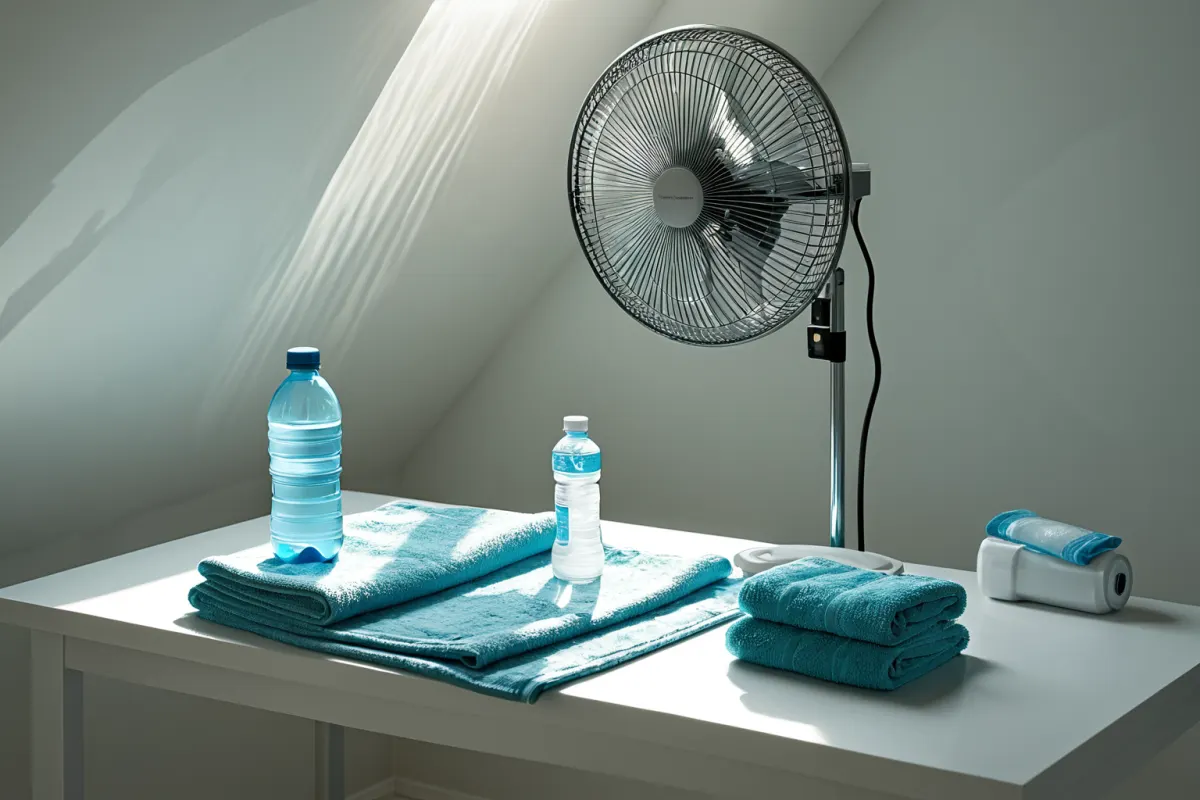
The key before reaching a hospital is to lower body temperature quickly. At home, use fans and air conditioning together, and consider wet towels or ice packs for cooling.
A practical method is to dampen the skin and allow airflow to evaporate moisture, which helps cool the body. Mist with a spray bottle or wipe arms and neck with a wet towel while using a fan—evaporation will draw heat away. Apply ice packs indirectly by wrapping them in a towel; avoid direct skin contact for extended periods.
For example, if an elderly person suddenly becomes lethargic after staying indoors on a hot day, simply opening windows may not be enough. Turn on the air conditioning, have them drink water slowly, and check their condition every 10 minutes for safety.
Distinguishing Heat Exhaustion from Heat Stroke
Both conditions stem from extreme heat but require different levels of care. Heat exhaustion often involves heavy sweating, dizziness, and fatigue, while heat stroke occurs when the body's temperature regulation fails, potentially leading to loss of consciousness.
Heat exhaustion can usually be resolved by resting in a cool environment and replenishing fluids and electrolytes. In contrast, heat stroke requires immediate action—do not wait. Even if symptoms seem mild externally, internal body temperature may be dangerously high.
A simple way to assess: "Is the person mentally clear?" If they speak unclearly or can't recall names, don't dismiss it as ordinary fatigue; treat it as an emergency.
Special Considerations for Children and Elderly
Children, elderly individuals, and those with chronic conditions are more vulnerable to heat exposure. They dehydrate faster at the same temperature and may not accurately communicate their symptoms.
In such cases, focus on behavioral changes rather than assuming "everything looks fine." Look for signs like reduced speech, lack of appetite, appearing dazed, or unsteady walking—these could indicate heatstroke.
For caregivers, check body temperature and condition upon returning home after outings. Allow 20–30 minutes of rest in a cooled space. For elderly individuals living alone, phone checks may not be sufficient; actual visual assessment is safer.
Real-Life Scenarios for Heatstroke Response
Responding by situation makes it easier to remember:
- Headache during outdoor work: Stop immediately, move to shade, sip small amounts of water, cool neck and armpits
- Nausea and dizziness after exercise: Stop activity, loosen clothing, move to cooled area, check improvement within 30 minutes
- Loss of consciousness with slurred speech: Call 119 immediately, ask for help from others, prioritize cooling body temperature
The key is not to dismiss symptoms as "just a little rest needed." Heatstroke can worsen rapidly even when starting mildly, making early recognition vital.
Essential Items to Prepare for Heatwaves
Emergency care must be accessible on the spot. Having basic items ready at home, in your car, or at work makes response faster and more effective.
Recommended supplies include bottled water, electrolyte drinks, small towels, ice packs, fans, spare clothing, and hats. For frequent outings, consider a water bottle and portable cooling towel.
Especially important: Never leave children or pets alone in a car during heatwaves—the temperature inside can rise dangerously fast within minutes. Heatstroke often begins with minor oversights in daily routines.
FAQ
Q1. Should I give lots of water if heatstroke is suspected?
No. Only small sips are recommended when the person is conscious. Do not force-feed if vomiting or drowsy.
Q2. Is a cold bath the fastest way to cool down?
Cooling may help, but it's difficult and risky for an individual to do alone. Instead, move to a cool place and use damp towels with airflow—this is safer.
Q3. Can I skip seeing a doctor if symptoms disappear?
Mild heat exhaustion may improve with rest, but repeated or persistent dizziness requires medical attention. Especially for older adults and those with pre-existing conditions, caution is advised.
Heatwave and heatstroke guidelines can change annually; consult the latest information from health authorities during peak seasons.
Continue exploring articles on similar topics.
View Category ArticlesFAQ
Should I give lots of water if heatstroke is suspected?
No. Only small sips are recommended when the person is conscious. Do not force-feed if vomiting or drowsy.
Is a cold bath the fastest way to cool down?
Cooling may help, but it's difficult and risky for an individual to do alone. Instead, move to a cool place and use damp towels with airflow—this is safer.
Can I skip seeing a doctor if symptoms disappear?
Mild heat exhaustion may improve with rest, but repeated or persistent dizziness requires medical attention. Especially for older adults and those with pre-existing conditions, caution is advised.
Korean Source
This article is an English localization of a Korean-language report from BlogScore. Original: 폭염 온열질환 급증 때 응급대처 방법: 이렇게 하세요