
How to Handle and Prevent Cardiac Arrest During Sedated Endoscopy
Causes and Response to Cardiac Arrest During Sedated Endoscopy
Cardiac arrest during sedated endoscopy can occur due to respiratory distress, excessive sedative administration, or post-anesthesia hypoxia. This serious medical incident poses life-threatening risks during what should be a routine procedure, making accurate patient assessment and real-time monitoring essential. Recent reports from the past five years highlight excessive use of anesthetics like propofol as a key cause, often stemming from medical staff errors or insufficient monitoring.
Incidents and Current Status
A case was reported on January 10, 2022, involving cardiac arrest and hypoxic brain damage following lidocaine anesthesia, attributed to inadequate sedative dosage control and lack of respiratory monitoring. On March 19, 2024, a patient with diabetes and kidney failure died from cardiac arrest after receiving propofol during recovery; the underlying conditions made anesthetic response unpredictable. On July 1, 2024, another case involved cardiac arrest during extracorporeal membrane oxygenation (ECMO) therapy for respiratory failure, where adequate monitoring of respiratory status was not maintained.
For a 40-year-old male who has been in a coma for 100 days following sedated endoscopy on April 6, 2026, brain death is suspected, with an ongoing investigation into alleged negligence. This case suggests issues with sedative dosage control and monitoring procedures. While courts have not always ruled in favor of medical negligence claims, investigations into negligent homicide continue. On July 6, 2026, the official start of a criminal investigation for negligent homicide due to brain death prompted medical staff to submit evidence.
Primary Causes of Cardiac Arrest
The majority of cardiac arrest incidents during sedated endoscopy result from respiratory distress and hypoxia caused by excessive sedatives. Anesthetics like propofol suppress breathing, requiring precise adjustment based on patient weight, underlying conditions, and individual responses. Patients with diabetes or kidney failure, for instance, often have unpredictable reactions to anesthetics, necessitating additional monitoring and caution.
Analysis of past cases shows that medical negligence leading to cardiac arrest frequently involves improper drug dosage control or delayed emergency response. For example, in the March 19, 2024 case, healthcare providers failed to adjust propofol doses considering the patient’s diabetes and kidney failure, causing respiratory distress that led to cardiac arrest. Similarly, on July 1, 2024, inadequate monitoring of respiratory status during ECMO therapy contributed to the incident.
Cardiac arrest has also been reported during extracorporeal membrane oxygenation (ECMO) for respiratory failure, underscoring the importance of real-time monitoring and rapid response. ECMO is a high-risk procedure requiring complex machinery; without prompt adjustments to changes in respiratory status, serious complications can occur.
Response and Prevention Strategies
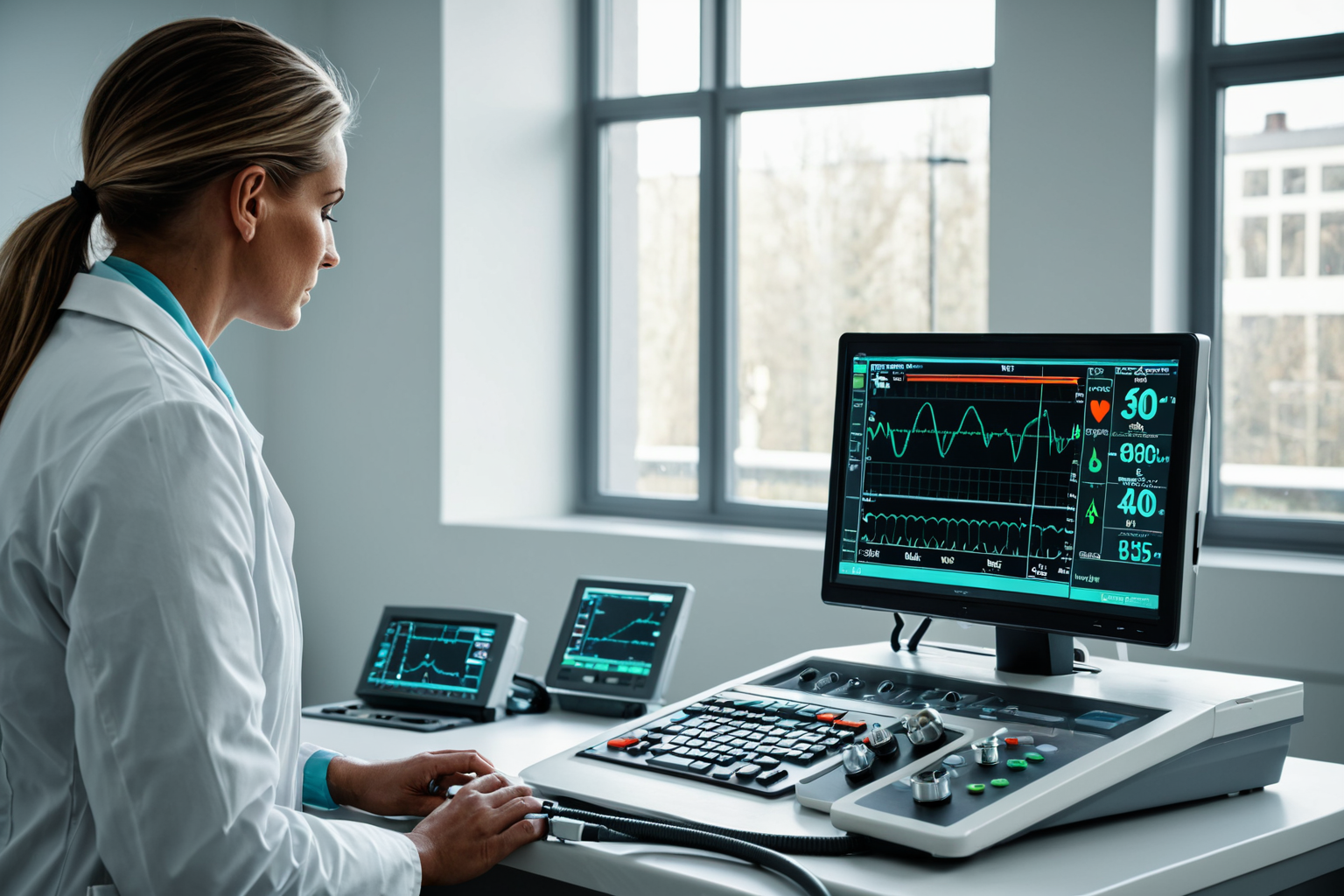
Immediate cardiopulmonary resuscitation (CPR), oxygen administration, and quick intervention by physicians and emergency teams are critical when cardiac arrest occurs. Continuous monitoring of the patient’s respiratory status using specialized equipment during sedated endoscopy is essential, along with accurate pre-procedure patient assessment. Recent advancements in medical technology have improved real-time oxygen saturation monitoring devices, aiding in preventing cardiac arrest.
Prevention involves adjusting sedative doses according to patient weight, underlying conditions, and individual responses while continuously monitoring heart rate and oxygen saturation during the procedure. Medical staff should receive emergency response training, and patients must be clearly informed of post-anesthesia precautions. Elderly or high-risk patients require additional safety checks, with observation for a period after the procedure being standard practice.
Medical institutions are encouraged to strengthen safety protocols for sedated endoscopy, especially for patients with multiple underlying conditions who may need additional assessments to evaluate risk. Regular staff training and evaluations should prioritize patient safety.

Medical Disputes and Legal Responses
Disputes arising from cardiac arrest during sedated endoscopy typically stem from excessive sedative use or inadequate monitoring. While some courts have not acknowledged medical negligence, investigations into negligent homicide continue in certain cases. For instance, the April 6, 2026 case involving brain death led to a detailed review of sedative dosage control and monitoring procedures by authorities.
Medical disputes involve life-or-death decisions, making accurate judgment and response critical for healthcare providers. Therefore, medical institutions should conduct thorough pre-procedure diagnostics and patient assessments, coupled with real-time monitoring during the procedure to prevent accidents. Enhanced communication between providers and patients regarding the process and potential risks is also vital.
Information to Verify and Precautions
If undergoing sedated endoscopy, patients must inform healthcare providers about any underlying conditions or drug allergies. Report any discomfort or breathing difficulties immediately after sedative administration to prevent serious incidents like cardiac arrest.
Consulting with medical staff before the procedure to understand the process and potential risks is advisable. Elderly or high-risk patients should undergo additional safety checks, with observation for a period post-procedure being standard. Medical staff must clearly communicate post-sedation precautions and instruct patients to report any discomfort immediately.
Frequently Asked Questions
What should be done if cardiac arrest occurs during sedated endoscopy?
Immediate cardiopulmonary resuscitation (CPR), oxygen administration, and prompt intervention by physicians and emergency teams are necessary.
Can excessive sedative use during sedated endoscopy be prevented?
Yes, through accurate patient assessment and real-time monitoring to adjust sedative doses appropriately.
What should be done if consciousness does not return after sedated endoscopy?
Counsel with medical staff to develop a treatment plan and confirm responsibility through legal procedures.
FAQ
What should be done if cardiac arrest occurs during sedated endoscopy?
Immediate cardiopulmonary resuscitation (CPR), oxygen administration, and prompt intervention by physicians and emergency teams are necessary.
Can excessive sedative use during sedated endoscopy be prevented?
Yes, through accurate patient assessment and real-time monitoring to adjust sedative doses appropriately.
What should be done if consciousness does not return after sedated endoscopy?
Counsel with medical staff to develop a treatment plan and confirm responsibility through legal procedures.
Korean Source
This article is an English localization of a Korean-language report from BlogScore. Original: 수면내시경 중 심정지 발생 시 대처 방법과 예방법