
How to Grow Autumn Potatoes: Best Practices from the National Institute of Agricultural Science
Optimal Planting Time for Autumn Potatoes
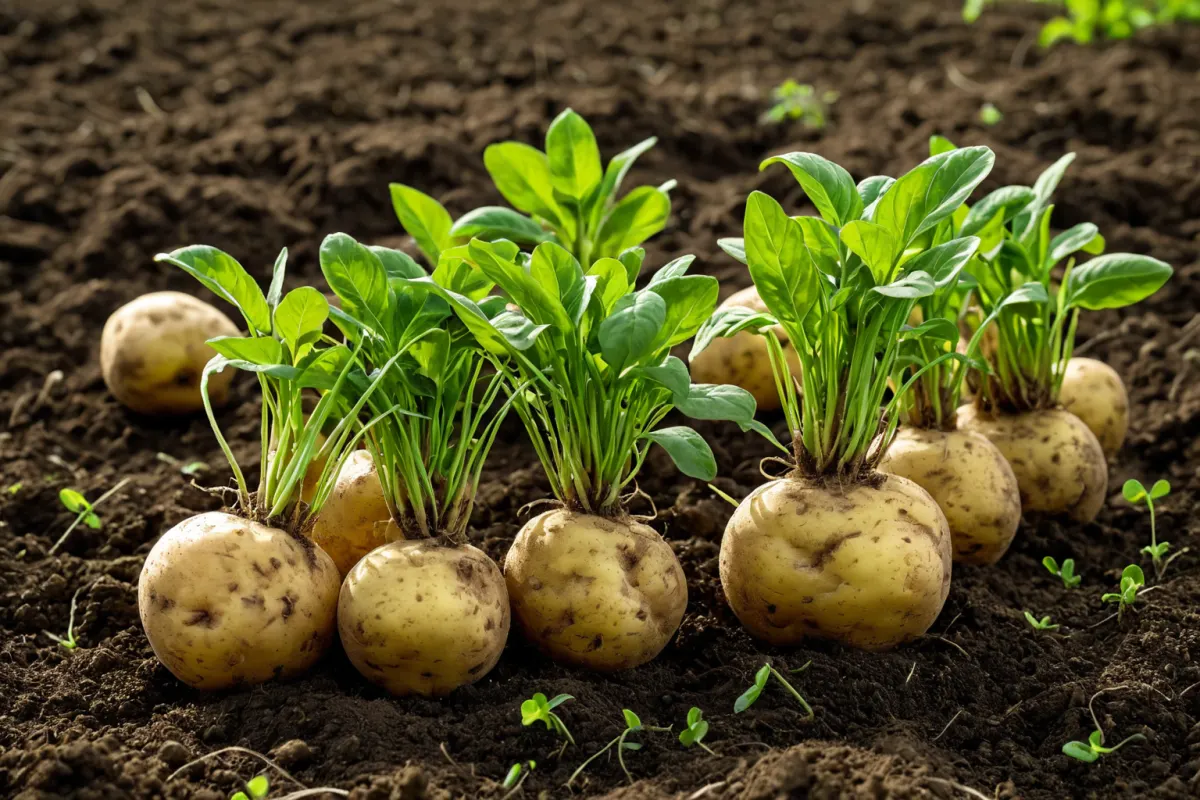
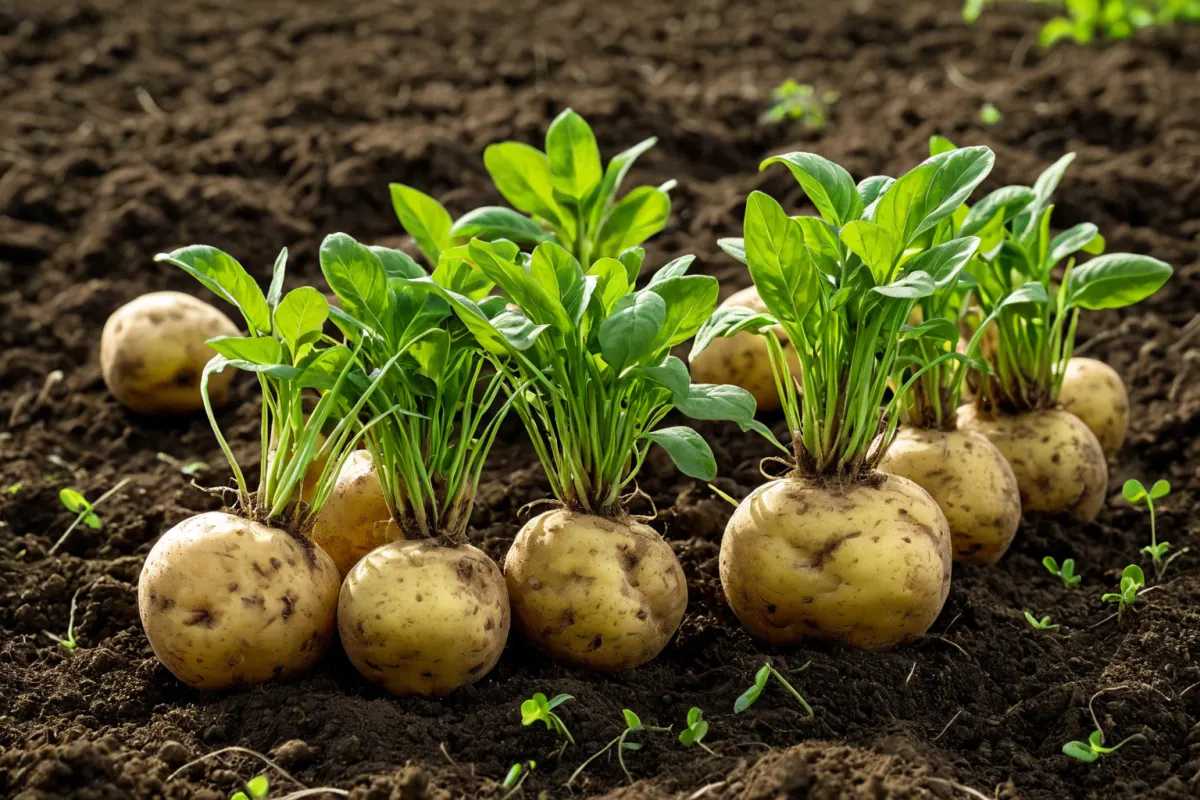
To successfully grow autumn potatoes, it's best to plant whole seed potatoes rather than cutting them. The National Institute of Agricultural Science (NIAS) has recommended this approach since 2020, and Jeju Island has improved its planting methods based on this guidance to increase yields. Checking the color of seed potatoes and encouraging sprouting in shaded areas is also important.
The Core of Autumn Potato Cultivation: Using Whole Seed Potatoes
NIAS emphasizes that planting whole seed potatoes without cutting them increases harvest yield. In an official announcement on August 10, 2020, NIAS stated 'Plant autumn potatoes whole, not cut,' a practice now adopted across Jeju Island.
The quality of seed potatoes is crucial for successful cultivation. NIAS explains that seed potatoes should have a healthy green color and sprouting should be checked before planting in shaded areas. Overuse of compost can lead to disease and pest problems, so caution is needed.
Variety Characteristics: 'Saebong' Variety and Potato Chip Production
The 'Saebong' variety is known for being ideal for potato chip production. A 2024 report by Chosun Biz noted this variety received high ratings for taste and nutrition, establishing itself as a key variety in South Korea's potato industry.
NIAS is focusing on developing various varieties including 'Saebong,' and new varieties designed to adapt to climate change are currently under development. This is an important factor in enhancing the sustainability of autumn potato cultivation.
Declining Autumn Potato Planting Area and the Rise of 'Tongil Potatoes'
The planting area for autumn potatoes has recently decreased. According to a report from October 2025, the planting area dropped from 2,428 hectares to 1,190 hectares. This decline is estimated to be influenced by climate change and shifts in agricultural structure.
Conversely, 'Tongil Potatoes' are emerging as a new alternative. Tongil potatoes refer to potato cultivation technology that applies the method of planting whole seed potatoes, gaining attention on Jeju Island. In September 2023, Jeju Province was conducting research to improve the 'Tongil Potato' planting method to increase yield.
National Institute of Agricultural Science's International Achievements: Technology Transfer to Guatemala
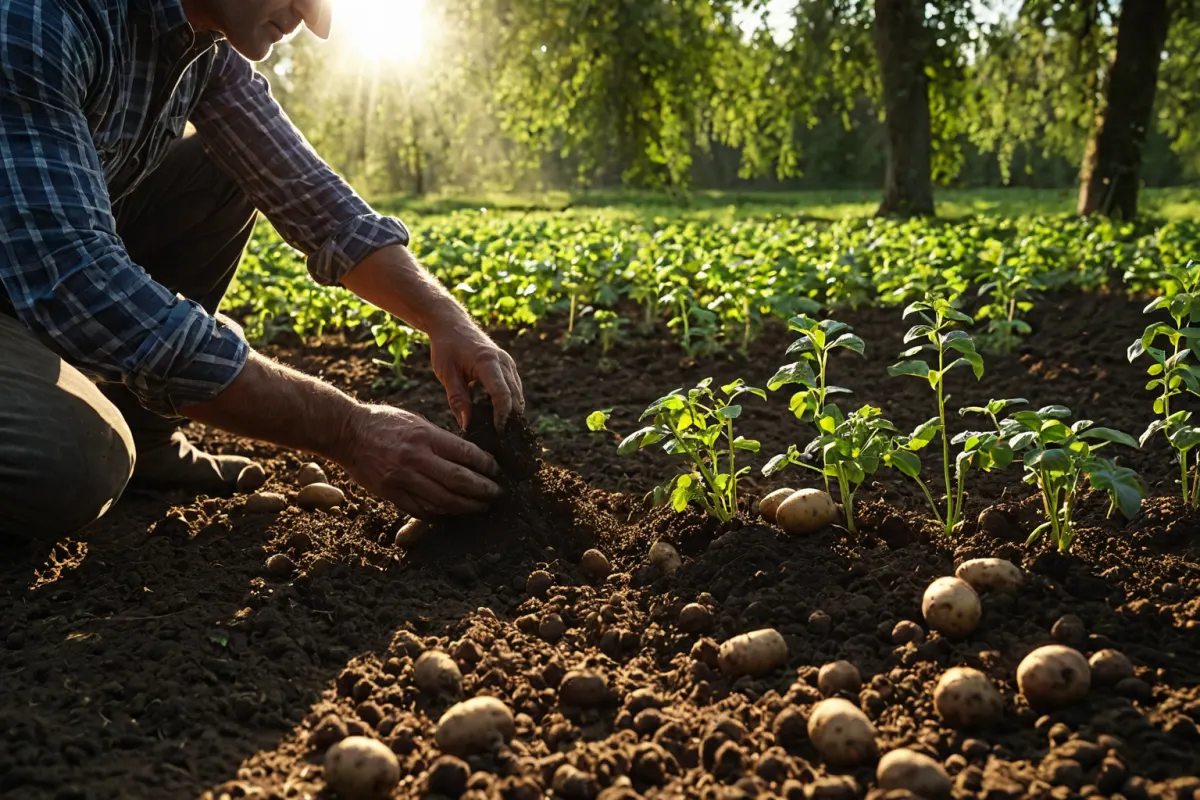
NIAS transferred potato farming technology to Guatemala, improving production efficiency by 20%. This was confirmed in a report from August 2026, demonstrating that South Korea's seed potato production technology is among the world's best.
In Guatemala, farmers expanded potato cultivation areas and improved quality through NIAS's technical support. This case illustrates that Korean agricultural technology has competitive international standing.
Optimal Planting Time and Management Techniques
The optimal time for autumn potato cultivation is late September to early October. During this period, plant whole seed potatoes and check sprouting and soil moisture before planting. Jeju Island applies these management techniques to increase yield.
NIAS is also focusing on developing new varieties to adapt to climate change, which is an important strategy for enhancing the sustainability of autumn potato cultivation.
The Changing Role of Autumn Potatoes: From Famine Crop to High-Income Crop
Autumn potatoes were once considered a famine crop but have now become a high-income crop recognized for their taste and nutrition. A 2024 Chosun Biz report emphasized that the term 'famine crop' is outdated.
Compared to sweet potatoes, regular potatoes are known to have higher nutritional value, which is an important factor driving development in the potato industry.
Important Considerations During Cultivation
Avoid overusing compost when growing autumn potatoes. Excessive compost can lead to disease and pest problems. NIAS recommends using only appropriate amounts of compost.
Additionally, it's important to check the color and sprouting status of seed potatoes. Only choose healthy green-colored seed potatoes and confirm they have sprouted in shaded areas.
National Institute of Agricultural Science's Technological Innovation
NIAS has stated that South Korea's domestic potato production technology has reached world-class levels, as confirmed by a 2024 Daily Naver report.
In particular, seed potato production technology is demonstrating global competitiveness, contributing to the international competitiveness of South Korea's potato industry.
Latest Trends in Autumn Potato Cultivation
As autumn potato planting areas decrease, 'Tongil Potatoes' are emerging as a new alternative. Jeju Province is conducting research to improve the 'Tongil Potato' planting method to increase yield.
NIAS is also focusing on developing new varieties to adapt to climate change, which is an important strategy for enhancing the sustainability of autumn potato cultivation.
Verified Information
The practice of planting whole seed potatoes to increase harvest yield has been verified through NIAS's official announcements and Jeju Island's practical examples. Additionally, it has been confirmed that the 'Saebong' variety is suitable for potato chip production.
The decline in autumn potato planting area is estimated to be influenced by climate change and shifts in agricultural structure, while 'Tongil Potatoes' are emerging as a new alternative. The technology transfer case to Guatemala demonstrates South Korea's competitive international agricultural technology.
Frequently Asked Questions
Why should autumn potatoes be planted with whole seed potatoes?
Planting whole seed potatoes results in more stable growth and higher yield. NIAS has been recommending this approach since 2020.
Why is the 'Saebong' variety suitable for potato chip production?
The 'Saebong' variety received high ratings for taste and nutrition, and provides a distinctive texture when used in potato chips.
What are the reasons behind declining autumn potato planting area?
The decline in autumn potato planting area is estimated to be influenced by climate change and shifts in agricultural structure. Jeju Province is researching 'Tongil Potatoes' to increase yield.
Frequently Asked Questions
Successful autumn potato cultivation relies on planting whole seed potatoes with appropriate management techniques, following NIAS recommendations and Jeju Island's practical examples. The 'Saebong' variety and 'Tongil Potatoes' are playing important roles in the current potato industry.
The case of technology transfer to Guatemala demonstrates that South Korea's agricultural technology has international competitiveness. Moving forward, NIAS will continue focusing on developing new varieties to adapt to climate change, enhancing sustainability in the potato industry.
You can view similar articles at once.
View Related ArticlesFAQ
Why should autumn potatoes be planted with whole seed potatoes?
Planting whole seed potatoes results in more stable growth and higher yield. NIAS has been recommending this approach since 2020.
Why is the 'Saebong' variety suitable for potato chip production?
The 'Saebong' variety received high ratings for taste and nutrition, and provides a distinctive texture when used in potato chips.
What are the reasons behind declining autumn potato planting area?
The decline in autumn potato planting area is estimated to be influenced by climate change and shifts in agricultural structure. Jeju Province is researching 'Tongil Potatoes' to increase yield.
Korean Source
This article is an English localization of a Korean-language report from BlogScore. Original: 농진청 가을감자 재배 방법: 최적의 시기와 관리법