
How to Get Your Drone License in South Korea: Requirements and Preparation Guide
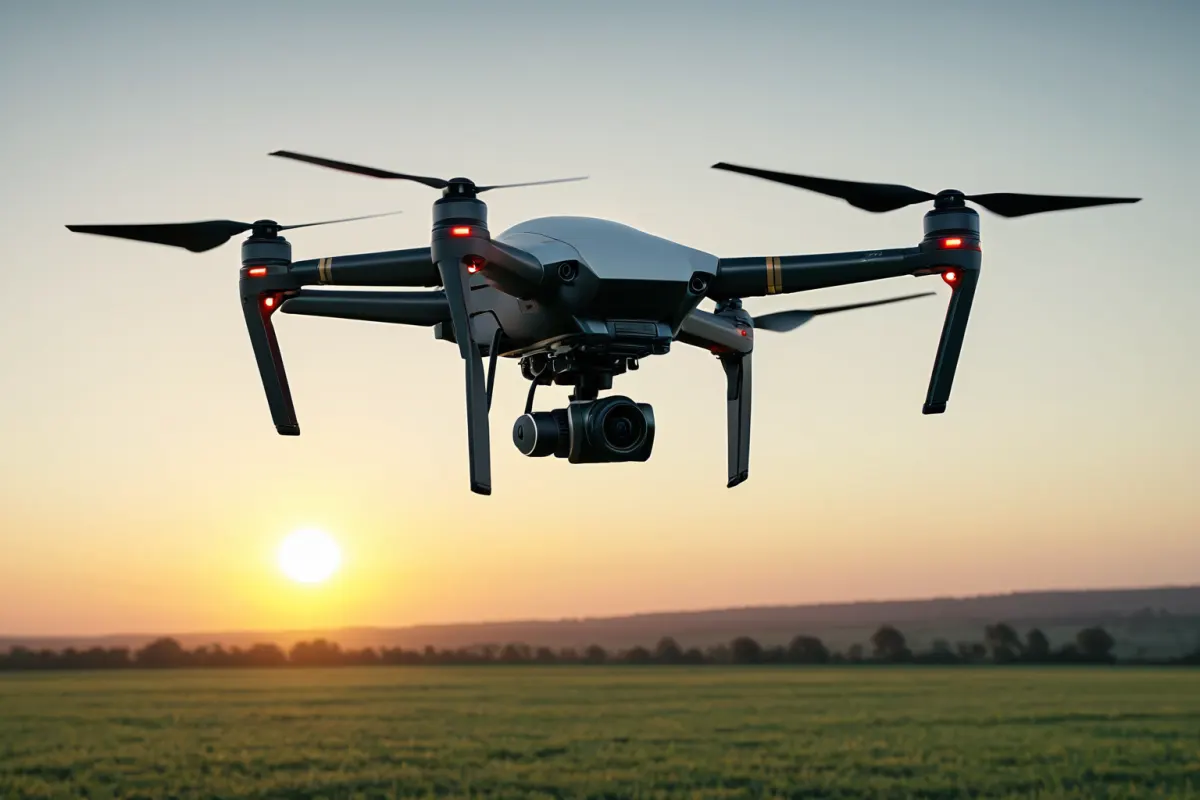
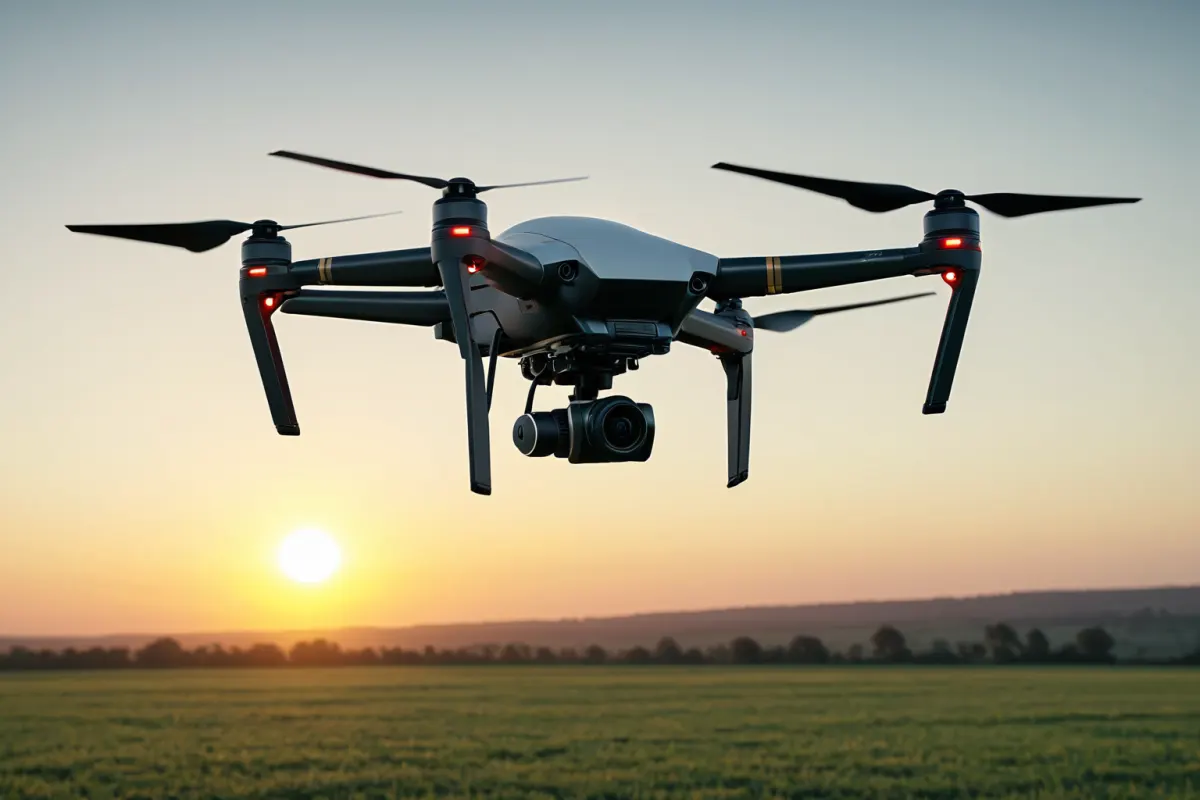
Obtaining a drone license might seem more challenging than it actually is, but once you start preparing, the process can become confusing with all the requirements: eligibility, written exam, practical test, and necessary items. In short, the type of drone license you need depends on what kind of drone you're using and for what purpose. The basics involve completing required training and preparing for the exams.
Many beginners ask, "Can I get a license just by being good at flying drones?" The reality is that understanding aviation regulations, drone mechanics, and safety procedures is more important than flight skills alone. This article will guide you through all the requirements, preparation items, and exam steps needed to obtain your drone license.
Drone License Eligibility Requirements
A drone license typically refers to a national qualification related to operating unmanned aircraft. The first thing to confirm is whether you meet the eligibility criteria: you must be of a certain age, have no disqualifying factors, and complete required training before taking the practical exam.
An important point often overlooked is that having a license doesn't mean you can operate any drone freely. Depending on the drone's weight, purpose, and location, additional reporting or approval may be necessary, so think of the license as just the starting point.
For example, if you plan to use a drone for surveying purposes, you'll need more structured preparation than for casual hobby flying. Conversely, beginners using drones for personal photography can start by familiarizing themselves with regulations and safety training.
You can find similar articles on this topic in one place.
View Related ArticlesWritten Exam Preparation
The written exam focuses more on your knowledge of safe drone operation than actual flying skills. Topics often include aviation regulations, flight theory, aircraft structure, weather conditions, and human factors.
Instead of just solving practice questions, it's more effective to first learn the terminology. For example, understanding how wind direction and speed affect flights, why battery management is important, or the pre-flight check sequence will help you during the exam.
New pilots often lose points on regulation-related questions rather than flight skills. So when starting your studies, focus on being able to explain why a particular answer was wrong instead of just memorizing answers for one practice test.
Practical Exam Preparation
The practical exam isn't about flashy maneuvers—it's about consistently performing set flight procedures like takeoff, hovering, forward and backward flight, side movements, turns, return to home, and landing with stability.
The key here is solid fundamentals rather than complex tricks. Instead of moving the controls quickly, focus on maintaining visual fixation and fine-tuning your control through repeated practice. At first, small mistakes may feel significant, but repeating the same motions multiple times will help you gain confidence.
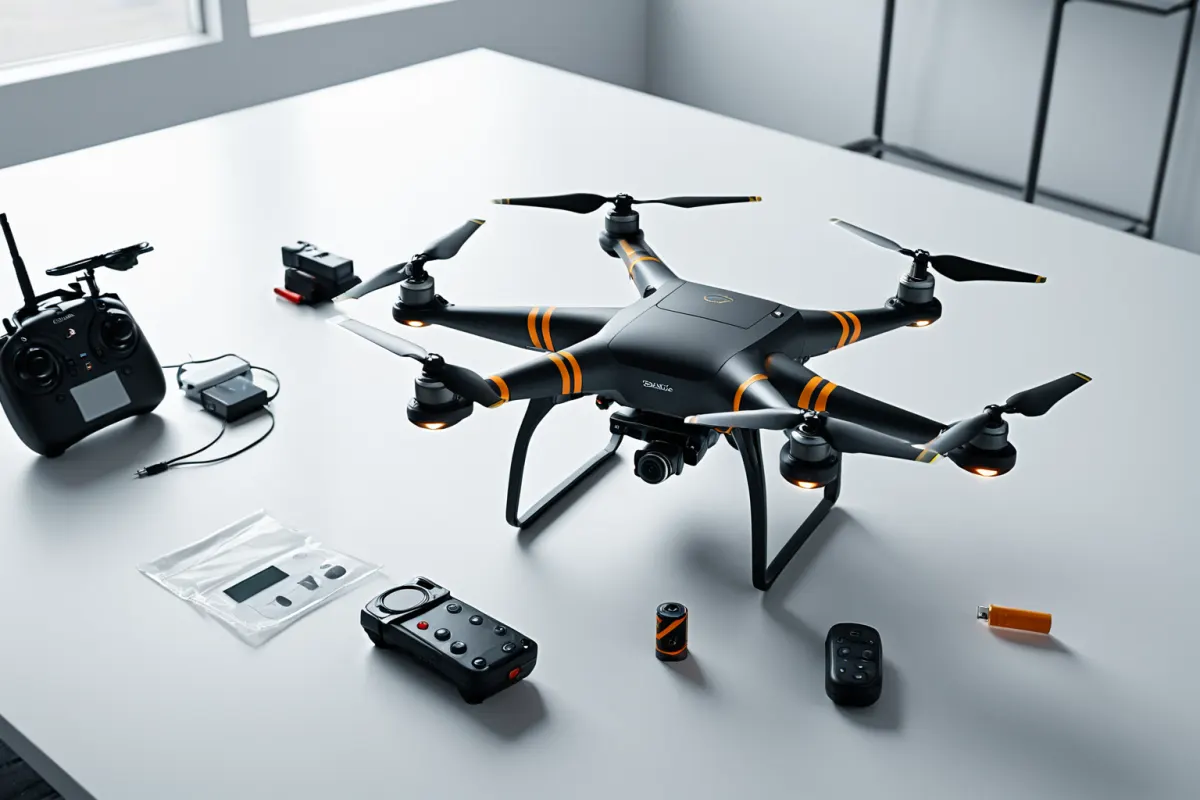
Practicing at a drone school or training facility is much more efficient than practicing alone. Especially experiencing different conditions like windy days and indoor vs. outdoor environments can reduce anxiety during the actual exam.
Preparation Checklist
The items you need for your drone license may vary slightly depending on the type of exam and educational institution, but there are some essentials: identification, writing tools, personal protective equipment, training materials, spare batteries or charging devices.
If you're preparing for practical exercises too, it's recommended to bring extra batteries and chargers, as well as spare propellers. Missing even a small part can interrupt your practice sessions, making equipment checks particularly important for beginners.
For example, many people go to their first training session thinking "I just need my ID," only to realize they forgot to charge the battery and waste valuable practice time. So it's best to check the drone status, controller charging, and battery storage conditions the night before your session.
Selecting a Drone Training Program
When choosing a drone training program, don't just pick one based on proximity—look for programs with high practical exam preparation ratios. If classes are long but flight time is limited, you won't get the real-world experience needed to lower the perceived difficulty.
A good training institution balances flight practice time, instructor feedback, and clear explanations of exam formats. Especially for beginners, it's better if they explain why certain maneuvers are necessary rather than making theory too complex.
When selecting a drone school, consider these criteria:
- Sufficient practical flight time
- Repetition of actual exam movements
- Combined coverage of aircraft inspection and safety training
- Responsive post-class question support
Recommended Preparation Sequence
The most straightforward preparation sequence is: first confirm the license type and eligibility requirements, then study written content, and finally combine this with practical training. You don't need to buy a drone right away—many beginners start by using school equipment to get comfortable before making a purchase.
For beginners, dividing your time into two weeks for regulations and theory followed by two weeks of flight practice can reduce stress. Short but frequent sessions are better than long, infrequent ones for developing muscle memory.
If you already own a commercial drone like DJI, familiarizing yourself with its settings and control response before the exam can be helpful. However, remember that exam preparation should focus on test requirements rather than hobby flying techniques.
Drone Surveying and VTOL Applications
If your goal isn't just casual use but professional applications like drone surveying or VTOL (Vertical Take-Off and Landing), you'll need to consider these fields as well. These areas require understanding mission planning and stable flight patterns rather than just basic flying skills, so additional learning after obtaining the license is often necessary.
Drone surveying, for instance, requires precise flight paths, altitude maintenance, photo spacing, and drone stability—all of which directly affect results. VTOL drones have different takeoff and landing mechanisms compared to standard multi-rotors, so understanding their structure can help avoid mistakes when choosing equipment.
In professional settings, a license is just the beginning. Some people even connect drone operation with aircraft maintenance qualifications, showing that drones require not only piloting skills but also maintenance and safety inspection knowledge.
Common Mistakes to Avoid
The most common mistake is starting preparation based solely on exam dates without accounting for training completion, document preparation, and practice time. If the timeline is tight, you might not develop sufficient practical flying skills in time.
Another frequent error is focusing too much on flight practice while neglecting regulations. Drones may seem like small devices, but they're connected to aviation safety, so understanding operational restrictions and flight approval criteria is essential.
Finally, many mistakenly think that having a license means you're ready for professional work immediately. Different applications—photography, surveying, inspections, or teaching—require different skill sets, so continued practice aligned with your specific goals is necessary after obtaining the license.
FAQ
Q. Can I prepare for a drone license on my own without formal training?
It's possible to study independently, but preparing for both written and practical exams alone may take longer. Many beginners find it most efficient to learn the theory on their own while getting hands-on help from a school for practical training.
Q. What is the most important item to bring?
While identification and basic exam materials are important, for practical tests, drone condition and battery management matter more. The key is not forgetting your equipment check.
Q. Do I need a license if I already own a hobby drone?
This depends on the type of drone and flying purpose. Casual recreational flying versus professional use has different standards, so you should confirm the appropriate qualification and regulations for your specific situation.
Note: Drone-related regulations and exam criteria may change over time, so it's recommended to verify the latest information from official announcements and training institutions before taking the exam.
Continue exploring similar topics on this subject.
View Category ArticlesFAQ
Can I prepare for a drone license on my own without formal training?
It's possible to study independently, but preparing for both written and practical exams alone may take longer. Many beginners find it most efficient to learn the theory on their own while getting hands-on help from a school for practical training.
What is the most important item to bring?
While identification and basic exam materials are important, for practical tests, drone condition and battery management matter more. The key is not forgetting your equipment check.
Do I need a license if I already own a hobby drone?
This depends on the type of drone and flying purpose. Casual recreational flying versus professional use has different standards, so you should confirm the appropriate qualification and regulations for your specific situation.
Korean Source
This article is an English localization of a Korean-language report from BlogScore. Original: 무인항공기 드론자격증 취득 조건부터 준비물까지