
How to Diagnose Cauda Equina Syndrome: Key Tests and Procedures
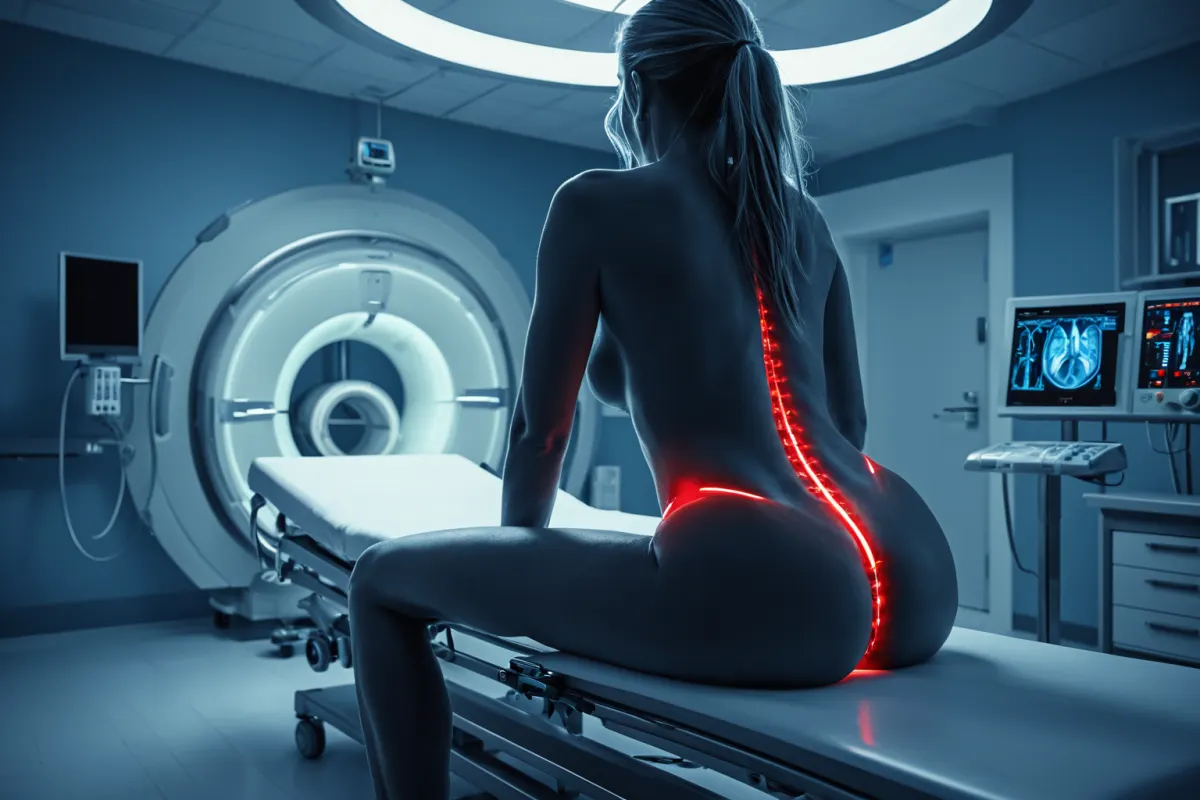
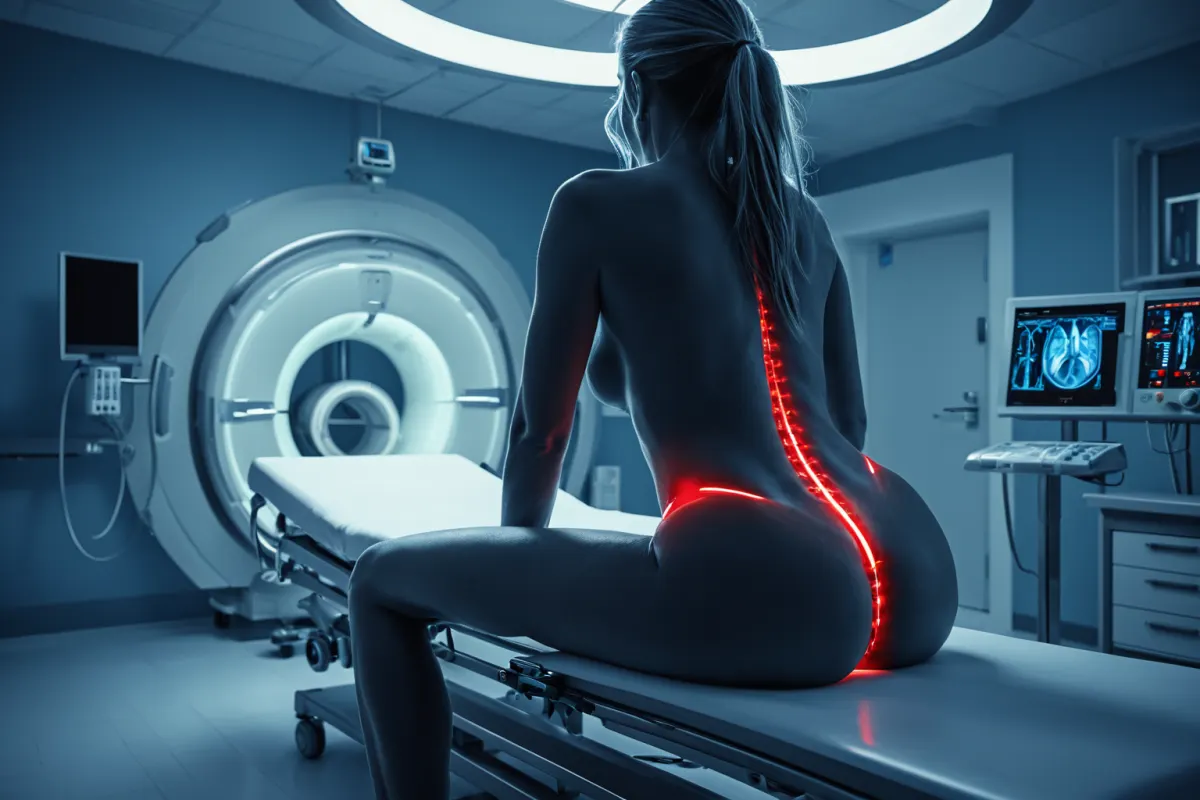
Cauda equina syndrome diagnosis isn't just about back pain—it involves checking for sensory changes in the legs, urinary or bowel changes, and then confirming with emergency MRI to see if nerves are compressed. If you have numbness around the groin area, difficulty urinating or leakage, and weakness in both legs, seek medical attention immediately.
This condition can be mistaken for common back pain like a herniated disc, so don't dismiss it as "just needing rest." Diagnosis focuses more on neurological symptoms and how quickly they're progressing rather than just the pain itself.
Key Diagnostic Criteria for Cauda Equina Syndrome
The first thing doctors look at is symptom combinations. If you have lower back pain along with numbness or weakness in both legs, plus urinary issues or bowel control problems, it raises a high suspicion of cauda equina syndrome.
Particularly important are changes in sensation around the groin, anus, and inner thighs—the "saddle area." Many patients only notice these as a vague discomfort, so detailed questioning is crucial for diagnosis.
For example, if you've had back pain but recently (within 1-2 days) noticed weaker urine flow, worsening constipation, and difficulty climbing stairs due to leg weakness, it's unlikely to be just muscle strain. This requires immediate emergency evaluation.
You can find similar articles on this topic in one place.
View Related ArticlesNeurological Examination Checklist
In the clinic, doctors carefully assess leg strength, sensation, reflexes, and walking ability. They test ankle lift strength, toe movement, knee reflexes, and foot sensation to determine which nerves might be compressed.
<Urinary issues are more than just "frequent urination." Doctors ask whether you're having trouble starting urine flow, feeling incomplete emptying, leaking when coughing, or struggling to hold it. These changes can occur if the cauda equina nerve bundle is compressed.
In some cases, doctors will also check sensation around the anus and anal sphincter strength. While this may be uncomfortable, it's an essential part of diagnosing cauda equina syndrome—don't skip it even if it feels brief.

What MRI Shows in Cauda Equina Diagnosis
The most critical test for cauda equina syndrome is an MRI. It can show whether the disc between vertebrae has bulged significantly, if the spinal canal is severely narrowed, or if there's another cause like a tumor, bleeding, or infection.
What matters most in the MRI isn't just whether a disc is present but how much pressure it's putting on the nerves. The actual compression of nerve pathways is key to diagnosis.
If an immediate MRI isn't possible, CT scans may be used as a backup—but for conditions like cauda equina syndrome where rapid assessment is needed, MRI is far superior. That's why emergency rooms prioritize quick MRI imaging.
When Emergency Care Is Needed
Cauda equina syndrome can lead to permanent nerve damage if not treated promptly, so any suspicion should be taken seriously. If you suddenly can't urinate, experience numbness in the groin area, or have weakness in both legs, this is an emergency.
Seek same-day medical care if these symptoms are present:
- Difficulty urinating or sudden urinary leakage
- Numbness around the groin/saddle area
- Weakness or numbness in both legs
- Bowel control issues
- Sudden worsening of back pain with leg symptoms
In reality, many cases are discovered when someone with a long-standing herniated disc lifts something heavy and experiences sudden symptom worsening. However, it can also occur without any trauma, making it easy to miss if you only focus on pain intensity.
Commonly Missed Warning Signs
A common mistake in self-assessment is thinking "back pain is just back pain." Cauda equina syndrome focuses more on neurological changes than pain level—so even without severe pain, it should be considered.
For example, sudden worsening constipation alone doesn't mean cauda equina. But if it's accompanied by weak urine flow, numbness in the groin area, and leg weakness, that changes the picture significantly.
At home, check for recent changes in urination habits, whether both legs feel equally sensitive, or if one foot feels unusually weak when walking on flat surfaces. However, self-checks are just a starting point—always get medical confirmation if you're concerned.
Treatment and Rehabilitation After Diagnosis
After diagnosis, treatment depends on the cause. If a herniated disc is responsible, surgery to relieve nerve pressure may be discussed quickly. For bleeding, infection, or tumors as causes, different treatments are required.
Post-treatment rehabilitation often focuses on restoring leg strength, sensation, and urinary/bowel function. Recovery speed varies based on how long nerves were compressed—early diagnosis is absolutely critical.
Urinary function may not return immediately after treatment, so it's helpful to track symptom changes carefully. Clinics monitor urine patterns, sensory changes, and walking ability as part of the rehabilitation plan.
What to Prepare Before Your Appointment
When visiting a doctor, write down when symptoms started, when they worsened, and when urinary or bowel changes began. While it's rare to photograph these issues, documenting leg strength or gait changes with notes can make explanations easier.
Medication history is also important—especially if you're taking blood thinners, as this helps determine bleeding-related causes. Also share past medical history like previous herniated discs, spinal surgery, cancer treatment, or infections.
For example, saying "Three days ago I noticed my left foot felt weak when lifting it, and today I couldn't urinate properly" helps the doctor quickly assess urgency. Even brief details like this can speed up diagnosis.
FAQ
Q. Do you suspect cauda equina syndrome based only on back pain?
A. No. You need a combination of back pain plus sensory changes in legs, weakness, and urinary or bowel issues to raise suspicion.
Q. What tests are used for diagnosis?
A. Neurological exams combined with MRI are the most important. CT scans or additional tests may be used as supporting tools if needed.
Q. Should I see a doctor even if symptoms seem vague?
A. Yes, especially if you have any numbness in the groin area, urinary issues, or weakness in both legs. Nerve damage can become permanent if left untreated for too long.
Cauda equina syndrome is often confused with common back pain, but when urinary/bowel changes and saddle-area sensation changes appear, it becomes a higher priority. If symptoms are new or worsening rapidly, don't delay seeking emergency care.
Keep in mind that latest diagnostic standards and emergency room protocols may vary by hospital—so if you're concerned about symptoms, contact your local medical facility for immediate guidance.
Continue exploring similar topics.
View Category ArticlesFAQ
Do you suspect cauda equina syndrome based only on back pain?
No. You need a combination of back pain plus sensory changes in legs, weakness, and urinary or bowel issues to raise suspicion.
What tests are used for diagnosis?
Neurological exams combined with MRI are the most important. CT scans or additional tests may be used as supporting tools if needed.
Should I see a doctor even if symptoms seem vague?
Yes, especially if you have any numbness in the groin area, urinary issues, or weakness in both legs. Nerve damage can become permanent if left untreated for too long.
Korean Source
This article is an English localization of a Korean-language report from BlogScore. Original: 마미증후군 진단 방법: 검사 항목과 절차