
How to Compare Portable Air Conditioners: Prioritize Noise Levels
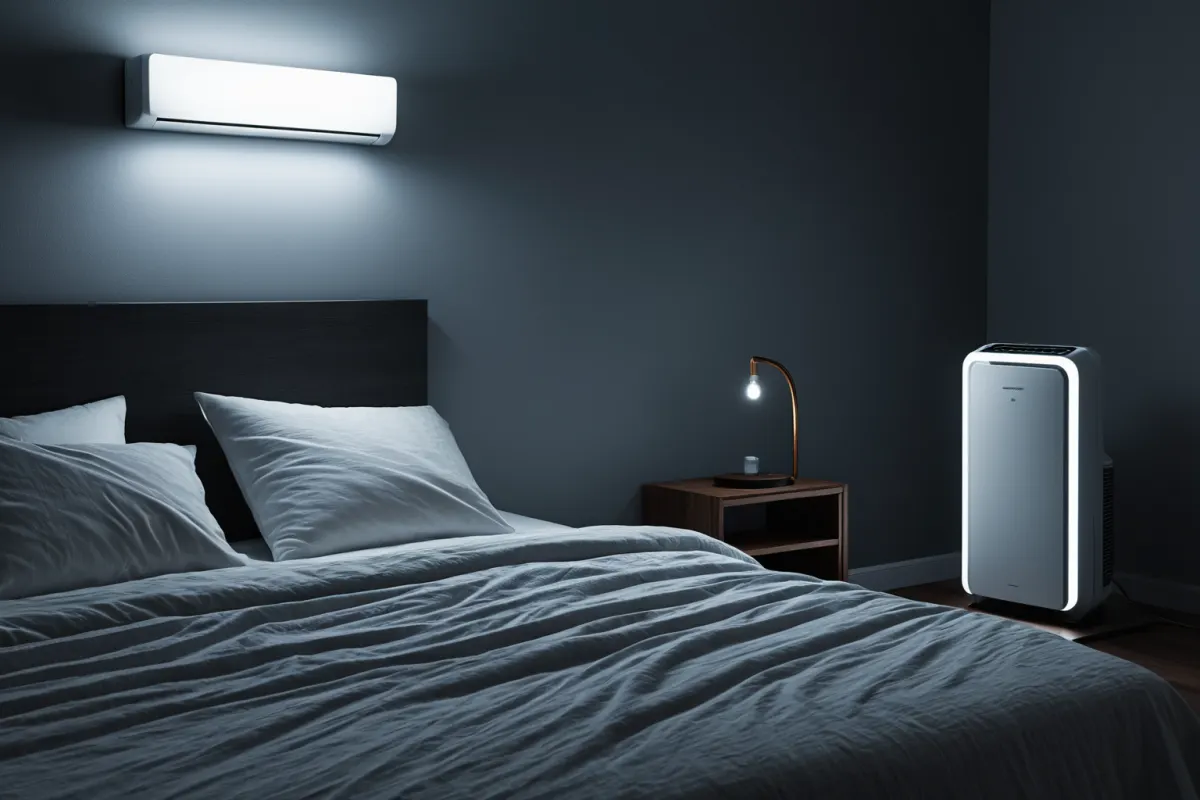
When comparing portable air conditioners, noise is often more important than cooling power. Even with similar cooling areas, actual user experience can vary greatly depending on noise levels, making the choice different for living rooms versus bedrooms.
Portable ACs don't have separate outdoor units, which makes installation easier but also means heat expulsion from inside the unit can create noticeable noise. Relying solely on specifications might lead to a noisier product than expected.
Why Noise Should Come First in Portable AC Comparisons
Noise from portable ACs isn't just about fans spinning. It includes compressor sounds, airflow noises, and vibrations from drainage systems, making the overall experience more noticeable.
Even at the same 50dB level, different sound qualities can make a big difference. Low-frequency hums may bother you even from afar, while high-pitched airflow sounds can feel tiring when close up.
So when comparing portable ACs, consider first "where and how long" you'll be using it. For quiet spaces like bedrooms, lower noise levels are essential. In noisier areas like kitchens or home offices, a bit more sound might not matter as much.
You can find similar articles on this topic in one place.
View Related ArticlesWhy the Same dB Level Can Feel Different
The dB rating on product descriptions is just a reference—it can vary based on measurement distance and mode. Whether it's set to low or high airflow, or during compressor operation, perceived noise changes significantly.
For example, even if a product looks like an energy-efficient model, rapid cooling might make initial startup louder. Conversely, while the baseline noise may be quiet, repeated compressor sounds over time can become bothersome at night.
For instance, when choosing an AC for sleeping in a studio apartment, focus on whether "sleep mode" is actually quiet rather than just looking at the lowest noise rating. Many users report that it's fine during the day but disruptive at night.
Key Factors to Check When Comparing Portable ACs
First, check cooling capacity. If it's too weak, the unit will run constantly at maximum power, increasing both noise and electricity use.
Next, examine the exhaust system. A stable window-based heat expulsion structure with appropriate hose length affects both noise and efficiency. Bent or loose hoses can increase noise and reduce cooling performance.
Finally, consider mobility. Wheels should be smooth to minimize vibrations on floors. On hardwood or thin flooring in apartments, unit vibrations may feel more like noise.
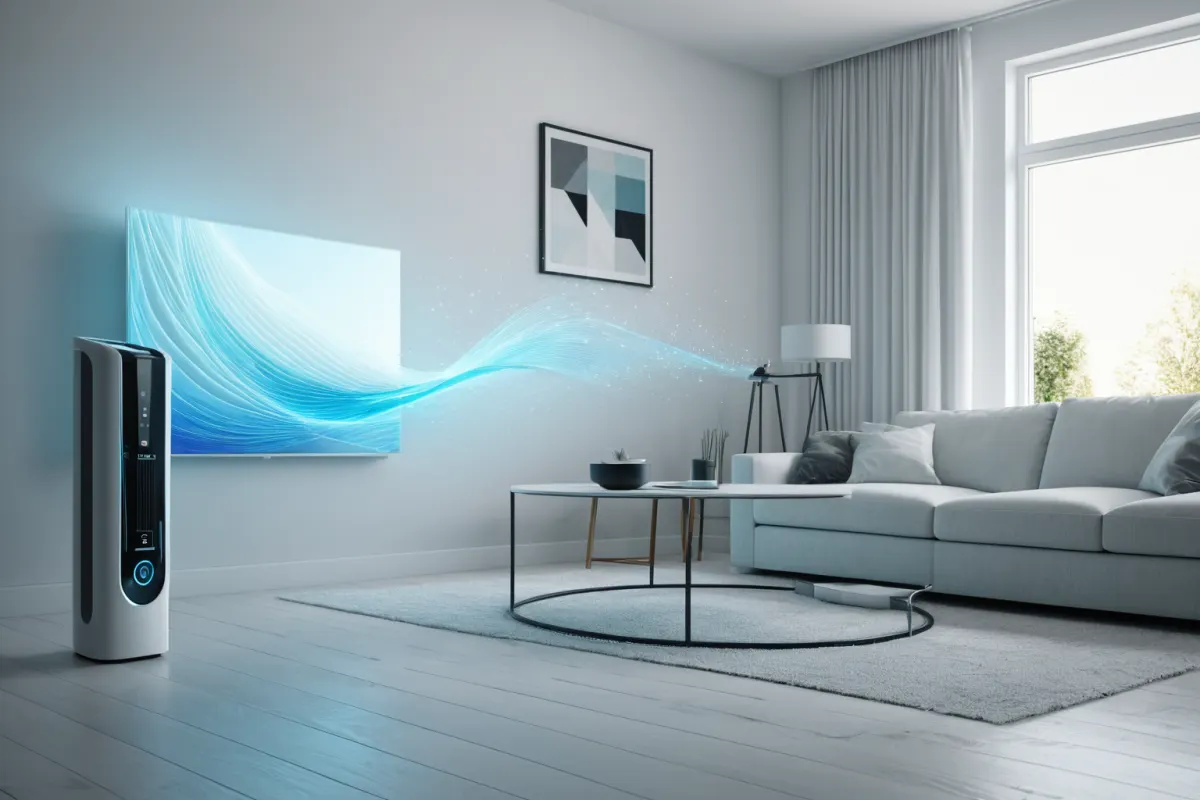
Portable vs. Window-Mounted ACs: Key Differences
Many compare portable and window-mounted ACs. While window units are slightly harder to install, their separate outdoor unit design often results in quieter operation.
Portable ACs offer easier installation and room mobility, making them ideal for temporary use. They're especially convenient if you're moving soon or living in a rental apartment where permanent installation is difficult.
For example, if you spend most of your day in the living room but sleep in another room, a portable unit might be practical. However, if someone sensitive to noise lives in one space long-term, a window-mounted AC may be better suited.
Common Noise Issues from User Reviews
User reviews often mention "the airflow sound is louder than expected." This isn't necessarily a defect but rather a structural characteristic worth considering before purchase.
Another common issue is water tank or drainage problems. If condensation isn't properly handled, you might hear dripping sounds or vibrations during operation. These small noises can be especially noticeable at night in quiet environments.
Installation also significantly affects noise levels. Gaps around windows let outside noise in, and if the unit touches walls or floors, it can create resonance. Checking installation before switching products is often more effective than just changing units.
Quick Comparison Tips Before Buying
When reading reviews, look for specific descriptions rather than vague claims like "quiet." Phrases such as "usable during sleep," "gentle airflow without noise," or "minimal vibration" are more reliable indicators.
If possible, compare based on your lifestyle. Homes with napping children, frequent remote work, or late-night TV watching have different noise requirements.
Here's a simple reference to help:
- Bedroom-focused: Lowest noise, sleep mode, minimal vibration
- Living room-focused: Cooling capacity, airflow adjustment, exhaust efficiency
- Studio apartment-focused: Ease of installation, mobility, balanced noise level
This shows that comparing portable ACs isn't just about numbers—it's about matching the product to your living environment.
What You Might Miss When Only Looking at Price
Lowers-priced models often have decent basic performance but may lack good noise control. Conversely, expensive models aren't always quieter, so price alone isn't a reliable indicator.
Especially if you're buying quickly in summer when inventory is limited, you might regret choosing without checking installation ease, noise levels, and exhaust compatibility with your space.
For example, in smaller rooms where doors are closed, slightly quieter models provide better satisfaction. In larger living areas used briefly, cooling speed may matter more than noise level.
FAQ
Q1: Are portable ACs always noisy?
No, they aren't completely silent but vary significantly by model. Perceived noise depends on compressor design, exhaust system, and installation conditions.
Q2: Should I only look at dB ratings when comparing portable ACs?
No. Consider whether it's set to low or high airflow, sleep mode capabilities, and what specific noises users find bothersome based on reviews.
Q3: Are window-mounted ACs always quieter than portable ones?
Not necessarily. However, depending on installation conditions, window units may feel more stable, so if noise sensitivity is high, comparing both types makes sense.
This article notes that perceptions can vary based on purchase timing and model differences, so checking the latest product information and noise ratings is recommended for final decisions.
Continue exploring similar topics.
View Category ArticlesFAQ
Are portable ACs always noisy?
No, they aren't completely silent but vary significantly by model. Perceived noise depends on compressor design, exhaust system, and installation conditions.
Should I only look at dB ratings when comparing portable ACs?
No. Consider whether it's set to low or high airflow, sleep mode capabilities, and what specific noises users find bothersome based on reviews.
Are window-mounted ACs always quieter than portable ones?
Not necessarily. However, depending on installation conditions, window units may feel more stable, so if noise sensitivity is high, comparing both types makes sense.
Korean Source
This article is an English localization of a Korean-language report from BlogScore. Original: 이동식에어컨비교 시 소음 차이부터 확인하기