
How to Choose Sunglasses: Polarized vs. Regular
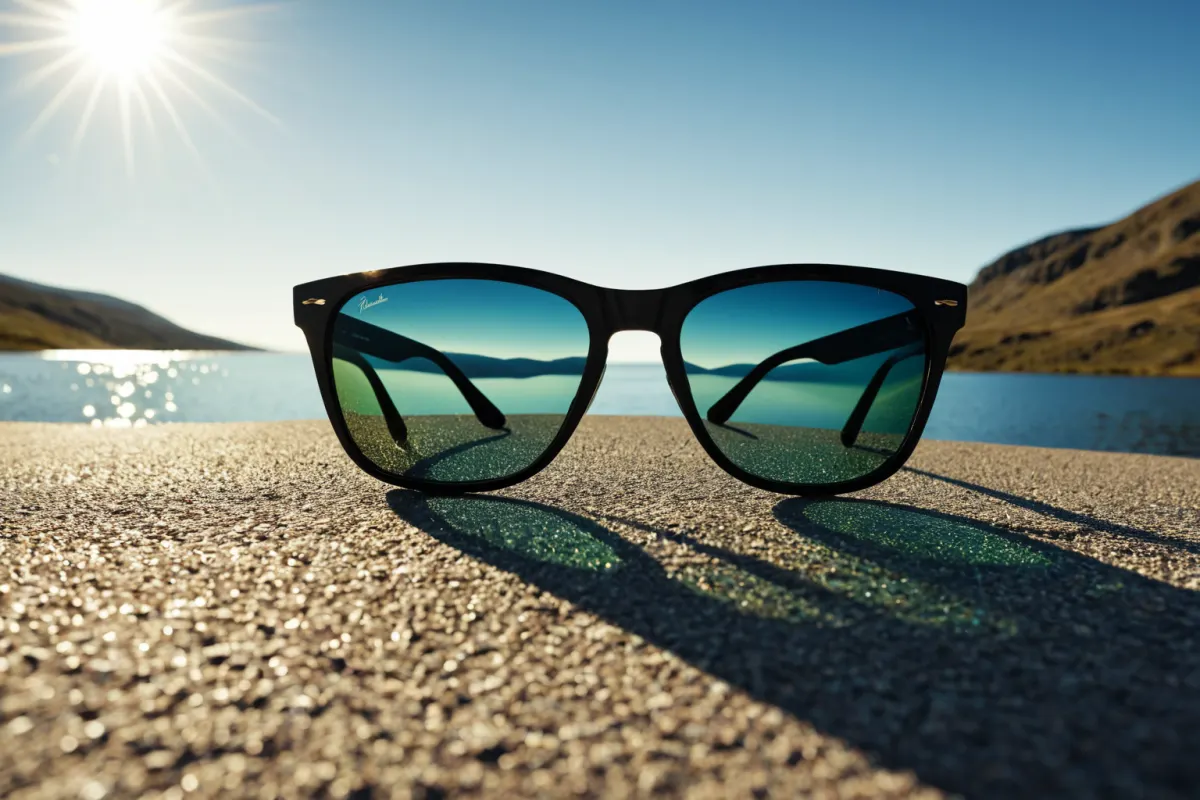
Polarized sunglasses reduce glare from reflective surfaces like water or roads, making them much more comfortable to wear in bright conditions. Regular sunglasses, on the other hand, primarily lower overall brightness, which can lead to varying levels of comfort depending on the situation.
So when choosing sunglasses, it's better to ask "Where will I be wearing these most?" rather than assuming polarized lenses are always superior. For activities like driving, fishing, or walking near water where glare is common, polarized sunglasses offer a clear advantage. For everyday use or situations where color accuracy matters, regular sunglasses may be more suitable.
The Science Behind Polarization
The key feature of polarized lenses is their ability to filter out horizontal glare from reflective surfaces like water, roads, glass, and car hoods. This reduces eye strain and provides a more stable visual experience.
For example, when driving in the afternoon, asphalt may appear unusually bright and glaring, or your eyes may tire quickly near rivers or beaches. In these situations, polarized lenses make a noticeable difference compared to simply darker lenses.
You can find more articles on similar topics in one place.
View Related ArticlesWhen Regular Sunglasses Are Better
Regular sunglasses excel at reducing overall sunlight exposure. Without a polarizing filter, they allow for clearer viewing of LCD screens and certain instrument panels.
This makes them ideal for situations like golf practice where you frequently check screens or when moving between indoor and outdoor environments. People who find the screen distortion from polarization bothersome often prefer regular lenses for everyday use.
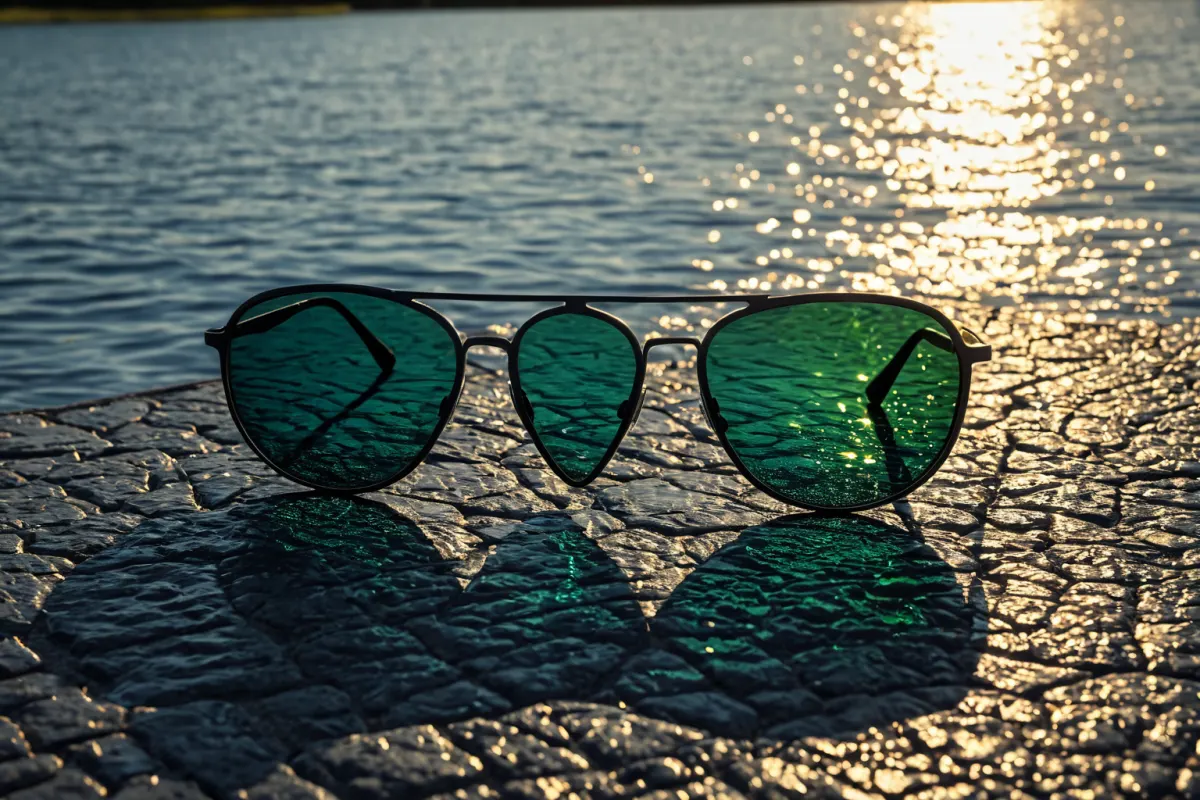
Key Factors in Choosing Sunglasses
When selecting sunglasses, prioritize UV protection over lens color. Darker lenses without proper UV protection offer little benefit to eye health.
Next, consider your primary use case: polarized for driving or fishing, lightweight and secure sports styles for outdoor activities, or classic designs that match your face shape for everyday fashion. Lens color should be chosen based on your environment rather than personal preference to avoid disappointment.
- Driving, fishing, water-based activities: Polarized
- Frequent indoor/outdoor movement with screen checks: Regular
- Running or cycling with lots of motion: Secure sports styles
- Style-focused casual wear: Everyday sunglasses
Pros and Cons of Polarized Sunglasses
The benefits are clear: reduced glare, sharper object outlines, and less eye fatigue during extended use. This is especially noticeable in seasons with strong UV rays and high reflectivity.
However, there are drawbacks. Polarized lenses can make screens appear darker or show color shifts depending on viewing angle, which may be inconvenient for those who frequently check devices. Additionally, lower-priced options may not deliver consistent polarization performance, so you might not notice the expected difference.
Driving Experience with Polarized Sunglasses
Polarized sunglasses are particularly helpful in reducing glare from reflective surfaces while driving, especially on bright days. With less glare from roads, front license plates and lane markings appear more stable and easier to see.
That said, they aren't universally perfect for all drivers. Some may find instrument panels or navigation screens appearing darker or with altered colors, so it's advisable to test them while checking the specific displays you use regularly. For example, if you frequently check your navigation system during commutes, regular sunglasses might be more comfortable.
Choosing Sports Sunglasses for Running
Sports sunglasses differ from regular ones in that they need to stay securely on your face with minimal movement. If they slip while running, it can cause visual instability and increase eye strain.
If you run frequently outdoors, prioritize features like nose bridge stability, weight, ventilation, and anti-fog properties over polarization. On windy days, how well the sunglasses stay firmly in place often matters more than lens performance for overall satisfaction.
Real-World Examples for Choosing
For example, if you go fishing regularly by car on weekends, polarized sunglasses will work well. They reduce glare from water surfaces, keeping your eyes less tired during extended periods looking at the water.
Conversely, if you wear sunglasses daily while moving between office and cafes with frequent phone screen checks, regular sunglasses may be more practical. They allow for better screen visibility without sacrificing style.
Essential Pre-Purchase Checks
Sunglasses are about functionality over fashion—your primary use case matters more than the color of the lenses. A stylish but heavy pair or one that fits poorly will likely end up unused.
If possible, try them on in-store by checking these key points:
- How much glare reduction is noticeable when looking at bright light sources
- Whether they stay securely in place when tilting your head down
- If instrument panels or phone screens appear too difficult to read
- Whether the lens size matches your face shape appropriately
Checking just these four factors can significantly reduce the chance of choosing the wrong pair.
FAQ
Q. Are polarized sunglasses always better than regular ones?
A. No, they're not universally superior. Polarized lenses are advantageous in high-glare environments but may be less suitable when frequent screen viewing or color accuracy is important.
Q. Do I need polarized sunglasses for driving?
A. They aren't essential, but they can be very helpful—especially on bright days with strong road reflections where glare reduction is noticeable.
Q. Is UV protection the same as polarization?
A. No, these are different features. UV protection shields your eyes from harmful ultraviolet rays, while polarization reduces glare and eye strain. Both should be considered when choosing sunglasses.
Sunglasses are ultimately about practicality over style. The difference between polarized and regular lenses becomes apparent based on whether you primarily drive, engage in active sports with lots of movement, or need to check screens frequently. Product features may vary by brand, so it's wise to double-check before purchasing.
Continue exploring similar topics.
Browse Category ArticlesFAQ
Are polarized sunglasses always better than regular ones?
No, they're not universally superior. Polarized lenses are advantageous in high-glare environments but may be less suitable when frequent screen viewing or color accuracy is important.
Do I need polarized sunglasses for driving?
They aren't essential, but they can be very helpful—especially on bright days with strong road reflections where glare reduction is noticeable.
Is UV protection the same as polarization?
No, these are different features. UV protection shields your eyes from harmful ultraviolet rays, while polarization reduces glare and eye strain. Both should be considered when choosing sunglasses.
Korean Source
This article is an English localization of a Korean-language report from BlogScore. Original: 선글라스 고르는 기준, 편광선글라스 vs 일반차이