
How to Choose the Best Seats for an Aespa Concert at Gocheok Dome: A Viewpoint Guide
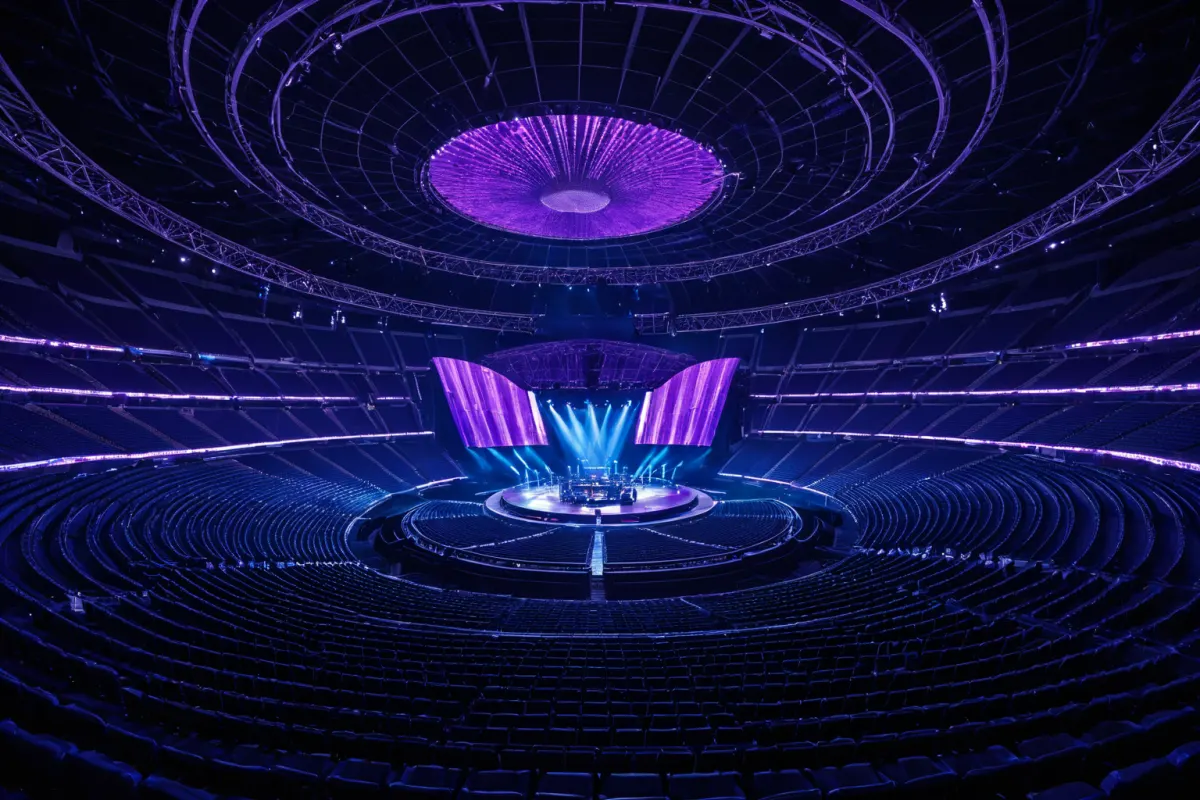
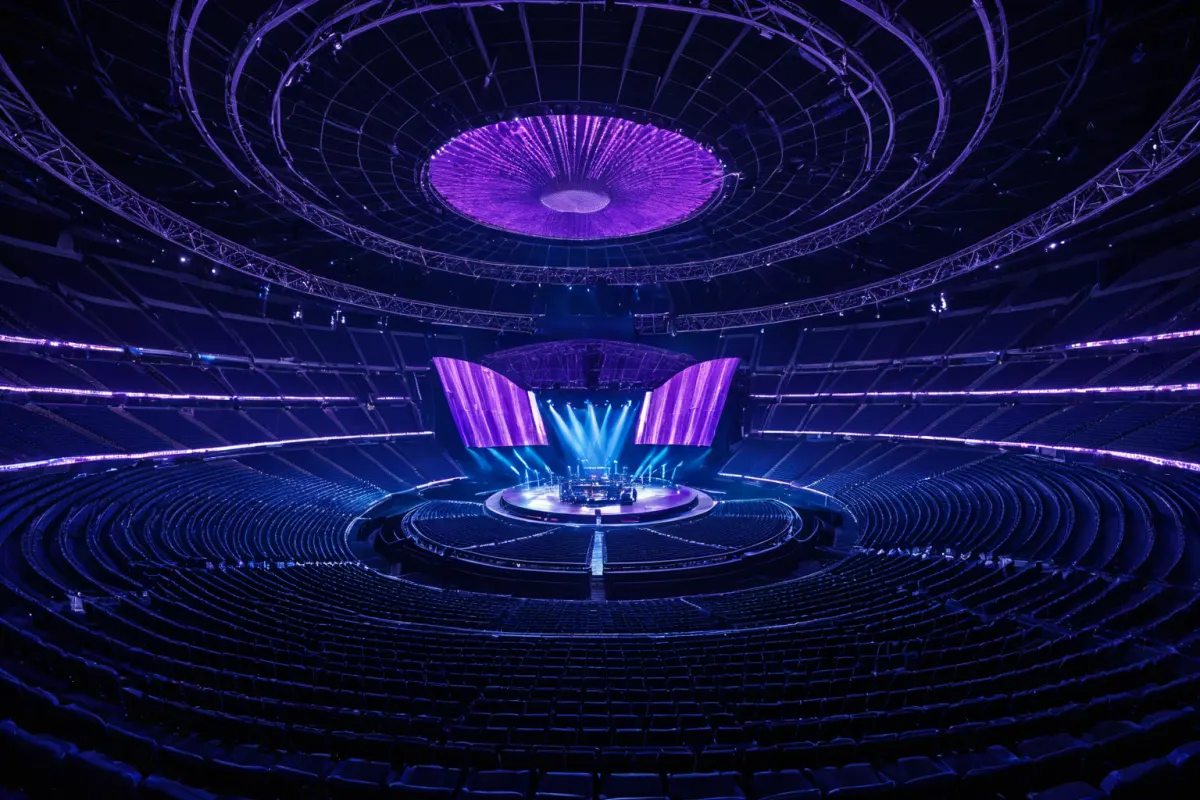
The key to a great view at an Aespa concert at Gocheok Dome isn't how close you are to the stage—it's whether you can see the entire stage without obstruction. Due to the dome's structure, even seats in the same price range can vary greatly in satisfaction.
In short, seats that are centrally located with tiered seating offer the most consistent experience. If you want to enjoy the full stage production, consider the front rows of the second tier—not too far to the sides. Conversely, being at the very front doesn't always mean a better view, as barriers like railings, speakers, or camera equipment can obstruct your sight.
Key Factors to Consider When Choosing Seats
When selecting seats, look beyond just the seat number and consider the level, row, angle, and potential obstructions. The ideal seat depends on whether the stage is centered or extended.
For example, even within the first tier, front blocks offer a better view of the entire stage, while side blocks may show member faces clearly but only partial stage production. Second-tier seats provide a greater distance but often offer unobstructed views for seeing choreography and visual effects, which can lead to higher satisfaction.
You can find more articles on similar topics here.
View Related ArticlesCommon Traits of Good View Seats
Seats with great visibility share several common features. First, seats closer to the center line offer a better view. Second, tiered seating helps avoid being blocked by people in front.
Third, they shouldn't be obstructed by stage-side structures. Fourth, avoiding speaker and camera equipment positions reduces face obstruction. In reality, highly satisfied fans often prefer seats that aren't too close but show the full stage over seats that are near but feel cramped.
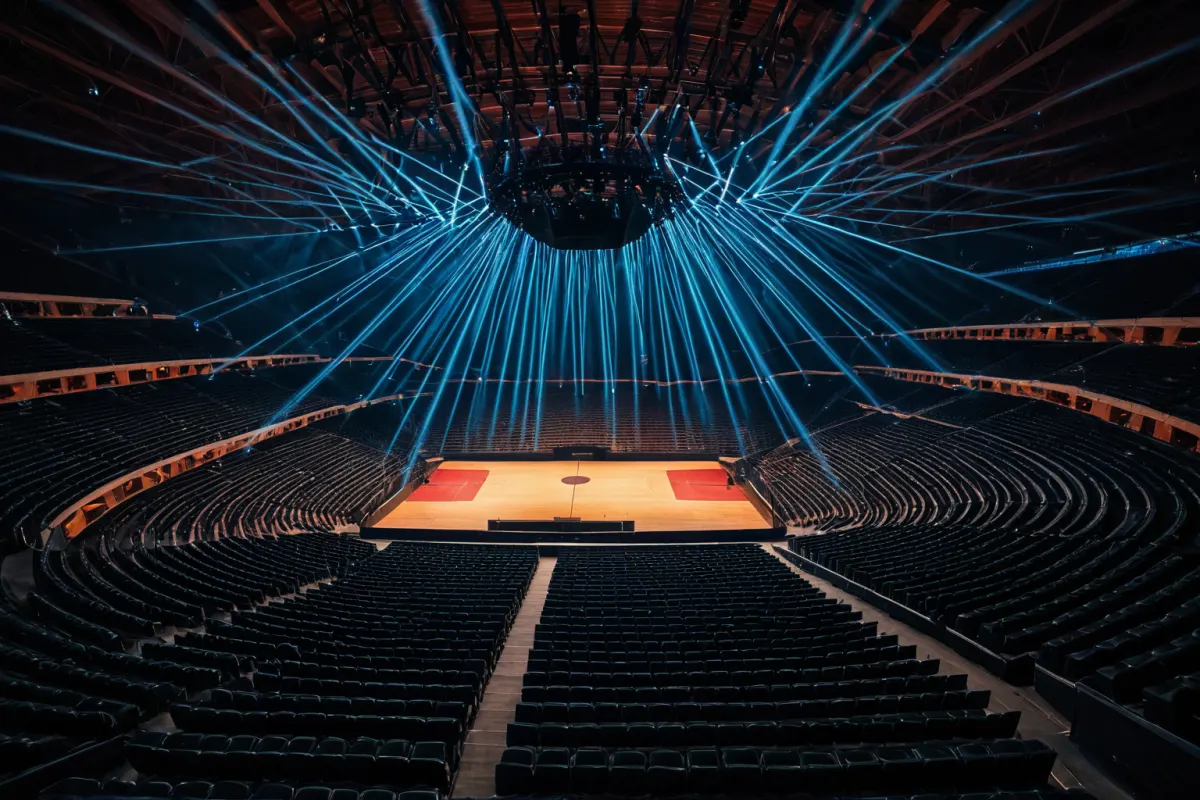
Best and Worst Views in the First Tier
The first tier offers proximity but comes with more variables. Front-center blocks provide clear views of artist expressions and movement, leading to high satisfaction and great cheering opportunities. However, being too close can result in not seeing below the stage or having your line of sight blocked by stage height.
Side-first-tier seats offer a closer distance but may cut off part of the stage setup. Especially with extended stages or runways, members might pass by without offering an ideal front view. So when choosing first-tier seats, don't just focus on proximity—consider how directly you face the stage.
For example, a middle row in Block B might be more satisfying than the front row of Block A. Block A may offer only side views of members, while Block B allows for a better frontal perspective even if slightly behind.
Why Second-Tier Seats Often Offer Great Views
The second tier may seem far at first glance, but it's often praised for its ability to see the full stage setup. This is ideal for fans who want to enjoy the entire performance, including lighting, visuals, and choreography.
Especially in the front rows of the second tier, views are surprisingly clear if you avoid railings. Conversely, back rows in the second tier increase distance significantly and focus more on atmosphere than detail. So when choosing second-tier seats, aim for the front but avoid extreme edges.
After concerts, fans often comment that "it wasn't as far as expected" from the second-tier front rows. On the other hand, complaints about being blocked frequently come from side-first-tier seats or areas near equipment.
Common Obstructions at Gocheok Dome
Gocheok Dome has several factors that can obstruct your view. Key culprits include railings, people in front, speakers, camera gear, and lighting towers. Due to the venue's design, some structures may feel much larger than expected once you're seated.
Another factor is the height difference between rows. If back rows aren't elevated enough compared to front rows, your view can become obstructed. Even within the same block, row differences affect perception—so just looking at seat numbers alone can lead to mistakes.
For instance, some fans thought they had a great view in the front row of a block but found railings blocking their sight. These seats may offer long stage views but come with visual stress. Conversely, being just one or two rows back but with proper tiering can make for much more comfortable viewing.
How to Choose Seats Before Booking
Before booking tickets for Aespa's Gocheok Dome concert, review the seating chart alongside past concert reviews and fan-shared views. The same block can offer different satisfaction levels based on stage setup.
The selection process is straightforward: First check if seats are centrally located, then confirm they have tiered seating. Next, verify there's no risk of railings or equipment blocking your view. Finally, decide whether you prioritize close-up member faces or the overall stage experience.
For example, if you want to see the entire stage and lighting, front-center seats in the second tier are ideal. If proximity is key, go for central blocks in the first tier. However, focusing solely on being at the very front may lead to obstructed views.
Fan-Asked Questions About View Perception
When considering Aespa's Gocheok Dome seating, fans often worry about how clearly they'll see members' faces. But in reality, stage movement and visuals matter more than close-up facial details. Gocheok Dome is large enough that following the performance flow offers greater satisfaction than chasing individual expressions.
Another common concern is whether there's an extended stage. A long runway can allow side seats to get closer views of members. Conversely, for center-stage performances, central seats offer a bigger advantage. So predicting the stage layout before booking helps greatly.
Seat Selection Examples
Example 1: For first-time attendees, second-tier front-center seats are often better than the very front of the first tier. They provide an overview for easier performance adaptation with less visual strain.
Example 2: If you want to see members' faces up close, middle rows in central blocks of the first tier work well. Prioritizing angle and tiering over being too far forward leads to higher satisfaction.
Example 3: For fans who want to see all stage elements—lighting, choreography, and visuals—the second-tier front-center seats are ideal. The slightly increased distance ensures you don't miss the performance flow, reducing regret later.
Final Takeaway from Fan Reviews
Reviews consistently show that at Gocheok Dome, "being close" doesn't mean "good seats." Instead, "being able to see well" is key. For Aespa's concert seating, focus on centrality, tiering, and obstruction factors to minimize disappointment.
When booking tickets, avoid setting just one priority—instead, prioritize as follows: 1st choice central first-tier, 2nd choice front-center second-tier, 3rd choice side seats with good tiering. This approach works best for quickly selling-out concerts where seat selection is critical.
Remember that seating layouts and stage setups vary by performance, so double-check the latest seating chart and event notices before purchasing tickets.
FAQ
Q1. Which tier offers the best view at Gocheok Dome?
A. It depends on your preference: For a full-stage view, front-center second-tier seats are ideal; for closer proximity, central blocks in the first tier work well.
Q2. Are front-row seats always better at Gocheok Dome?
A. No. Even front rows can be obstructed by railings, speakers, or equipment, so consider the structure alongside row number.
Q3. What should you check first when booking tickets?
A. Check centrality, tiering, and obstruction factors in that order. This approach significantly reduces the risk of an unsatisfactory view.
Continue exploring similar topics.
Browse CategoryFAQ
Q1. Which tier offers the best view at Gocheok Dome?
It depends on your preference: For a full-stage view, front-center second-tier seats are ideal; for closer proximity, central blocks in the first tier work well.
Q2. Are front-row seats always better at Gocheok Dome?
No. Even front rows can be obstructed by railings, speakers, or equipment, so consider the structure alongside row number.
Q3. What should you check first when booking tickets?
Check centrality, tiering, and obstruction factors in that order. This approach significantly reduces the risk of an unsatisfactory view.
Korean Source
This article is an English localization of a Korean-language report from BlogScore. Original: 에스파 고척돔 좌석 시야 후기 기준으로 고르는 법