
How to Choose a Shuffle Dance School: 5 Key Factors (Curriculum, Cost, Reviews)


When choosing a shuffle dance school, the first things to look at are curriculum structure, cost, and reviews. Shuffle dancing may seem flashy with its complex moves, but mastering the basics through repetition is crucial. Instead of just picking a place that looks fun, verify if it offers step-by-step instruction tailored for beginners.
If you're new to dance, check whether you can learn basic steps within a month, if trial classes are available, and how thoroughly instructors correct your posture. The actual teaching method matters more than flashy advertising.
Key Points to Check in Curriculum Structure
Look for schools with a structured curriculum rather than one that seems simple at first glance. Beginners should learn in stages: basic steps, rhythm, upper body movement, and connecting moves sequentially.
For example, the first week might focus on foundational steps like Running Man or T-step, followed by direction changes and movement patterns in the second week—this flow feels natural. Schools that jump straight into long routines during the first class may seem fun but can overwhelm beginners.
Class duration also matters. A 50-minute session with ample practice time is better than one filled mostly with explanations and little hands-on repetition. Ask during consultation how much actual practice time is included per session.
You can explore similar articles in one place.
View Related ArticlesHidden Costs to Watch Out For in Price Comparisons
Shuffle dance school fees can be tricky—don’t just look at monthly tuition. Consider additional costs like enrollment fees, studio usage charges, extra private lessons, and trial class fees.
For instance, a program advertised as 100,000 won per month might include 20,000 won for trial classes, plus materials or video resources, making the actual cost much higher. Conversely, slightly pricier options that offer small-group sessions and included review videos may provide better value.
Another important factor is refund policies. Check if full refunds are available within a certain period, and whether makeup classes are offered for missed sessions. These details often get overlooked but significantly impact satisfaction levels.
What to Look For in Student Reviews
When reading reviews, focus on specific feedback rather than vague statements like “It was fun.” Look for mentions of beginner-friendly approaches, detailed posture corrections by instructors, and a stress-free class atmosphere.
Shuffle dancing can look easy in videos but often proves challenging in practice due to footwork and rhythm. Positive reviews mentioning phrases like “The instructor explained again when I couldn’t follow” or “There was enough repetition time” indicate a beginner-friendly program.
If reviews are short, repetitive, or lack substance—just high ratings with little detail—it’s worth double-checking whether they’re genuine experiences.
Why Instructor Style Matters for Satisfaction
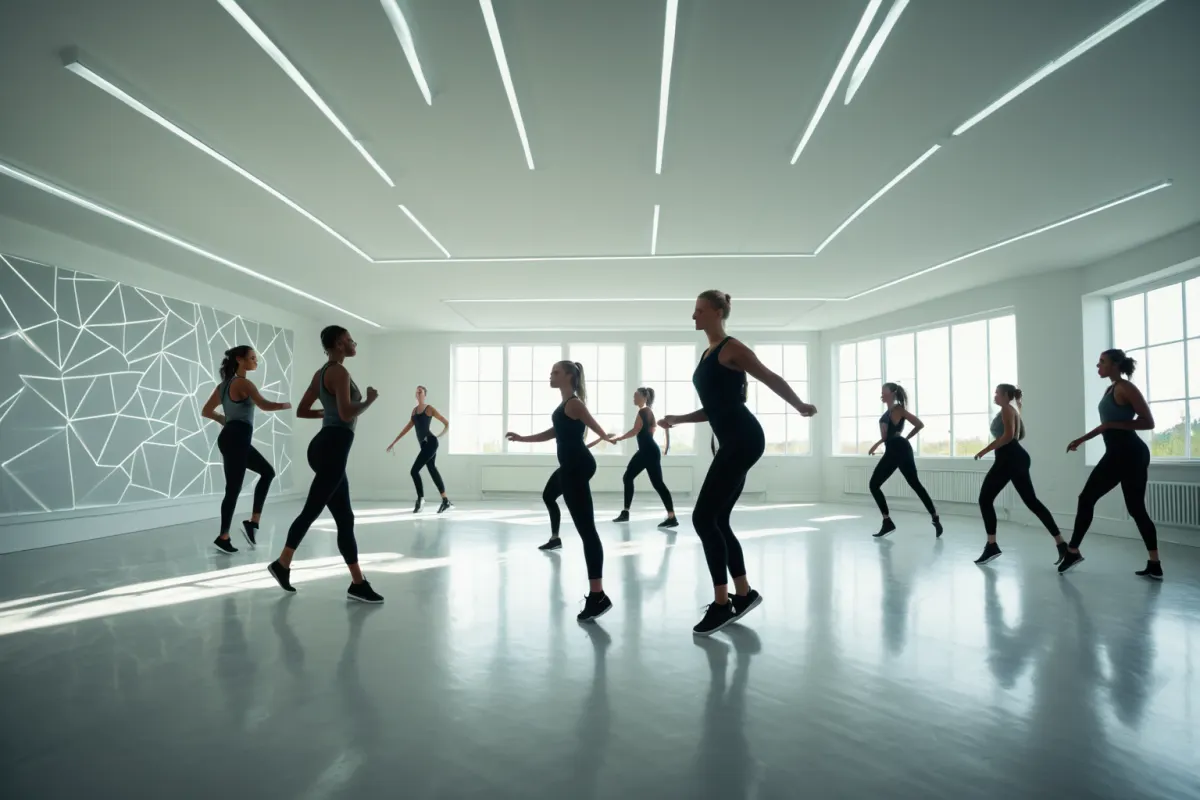
Shuffle dancing often feels challenging due to rhythm and timing more than large movements, making instructor style critical. A good instructor will clearly explain where to relax tension or which beat to shift your foot on.
During consultations, observe whether instructors demonstrate only or also check each student’s posture individually. Smaller classes generally allow for better personalized feedback, which is especially helpful for beginners who may struggle with body coordination.
For example, many beginners get their feet right but keep their upper body stiff. Instructors who guide both upper body movement and eye direction can make the overall motion feel more natural—something that varies based on class atmosphere and instructor personality.
Key Factors for Beginners Choosing a School
When first selecting a shuffle dance school, consider whether you’ll realistically stick with it long-term. If the location is too far from home or work, motivation might fade quickly, leading to mid-course dropouts.
For beginners, trial classes or one-time workshops are extremely helpful. Experiencing a class firsthand allows you to feel the pace, teaching style, and other students’ skill levels—something words alone can’t convey.
For example, if you have little prior dance experience, a school focusing on repeated basic steps will suit you better than one that jumps straight into complex sequences. Conversely, those with some dance background might prefer classes emphasizing full routine completion.
Difference Between Hobby Groups and Performance Teams
Some shuffle dance schools focus purely on hobbyist groups, while others aim to prepare students for performances or events. For casual enjoyment, fun and sustainability matter most; for performance goals, look for integrated team practices and stage movement training.
For instance, if your goal is participating in a festival stage or small event, the quality of group coordination and routine completion will be important. If you’re looking to relieve stress through exercise, a less intense class with good rhythm flow may suffice without needing advanced choreography.
As your goals differ, so should your criteria for choosing a school. Whether you want shuffle dancing as a hobby or are planning to pursue performance opportunities, the checklists will vary accordingly.
Top Questions to Ask During Consultation
Instead of vague questions during consultation, ask specific ones like: “How many weeks before beginners can connect basic steps?” “Do you offer class recordings or review materials?” and “Are makeup classes available for missed sessions?”
Schools that answer these clearly tend to have transparent operations. If they focus only on cost without explaining the curriculum structure, there’s a risk of mismatched expectations later.
Ultimately, shuffle dance schools should offer a curriculum matching your skill level and an environment where you can attend consistently. What looks impressive in ads matters less than whether you’ll enjoy coming back after one month.
The Final Check: Trial Class Evaluation Criteria
In a trial class, evaluate three things: First, if explanations are easy to follow; second, if mistakes don’t cause stress and you can relearn the moves easily; third, whether review materials or guidance are provided after class.
For example, if imagining your next class makes you feel confident about keeping up, it’s likely a good fit. If the structure still feels confusing after one session, consider comparing more schools before deciding.
Shuffle dancing relies heavily on repetition and rhythm—your first choice matters significantly. By carefully reviewing curriculum, cost, and reviews alone, you can greatly reduce the risk of choosing poorly.
FAQ
Q: Can complete beginners join shuffle dance schools right away?
A: Yes, but verify if they teach basic steps gradually and provide beginner guidance during trial classes.
Q: Are cheaper schools always better?
A: Not necessarily. Consider class duration, group size, review materials, and makeup policies to assess real satisfaction levels.
Q: Is it safe to choose based only on reviews?
A: No—reviews alone aren’t enough. Combine them with insights about curriculum structure, instructor feedback style, and trial class experiences for a safer choice.
Recent changes in teaching methods or operations may occur, so double-check current details before making your final decision.
Keep reading articles on similar topics.
View Category ArticlesFAQ
Can complete beginners join shuffle dance schools right away?
Yes, but verify if they teach basic steps gradually and provide beginner guidance during trial classes.
Are cheaper schools always better?
Not necessarily. Consider class duration, group size, review materials, and makeup policies to assess real satisfaction levels.
Is it safe to choose based only on reviews?
No—reviews alone aren't enough. Combine them with insights about curriculum structure, instructor feedback style, and trial class experiences for a safer choice.
Korean Source
This article is an English localization of a Korean-language report from BlogScore. Original: 셔플댄스학원 고르는 기준 5가지(수업 구성·비용·후기)