
How to Choose a Retroreflective Bollard: Understanding Daytime and Nighttime Visibility Differences
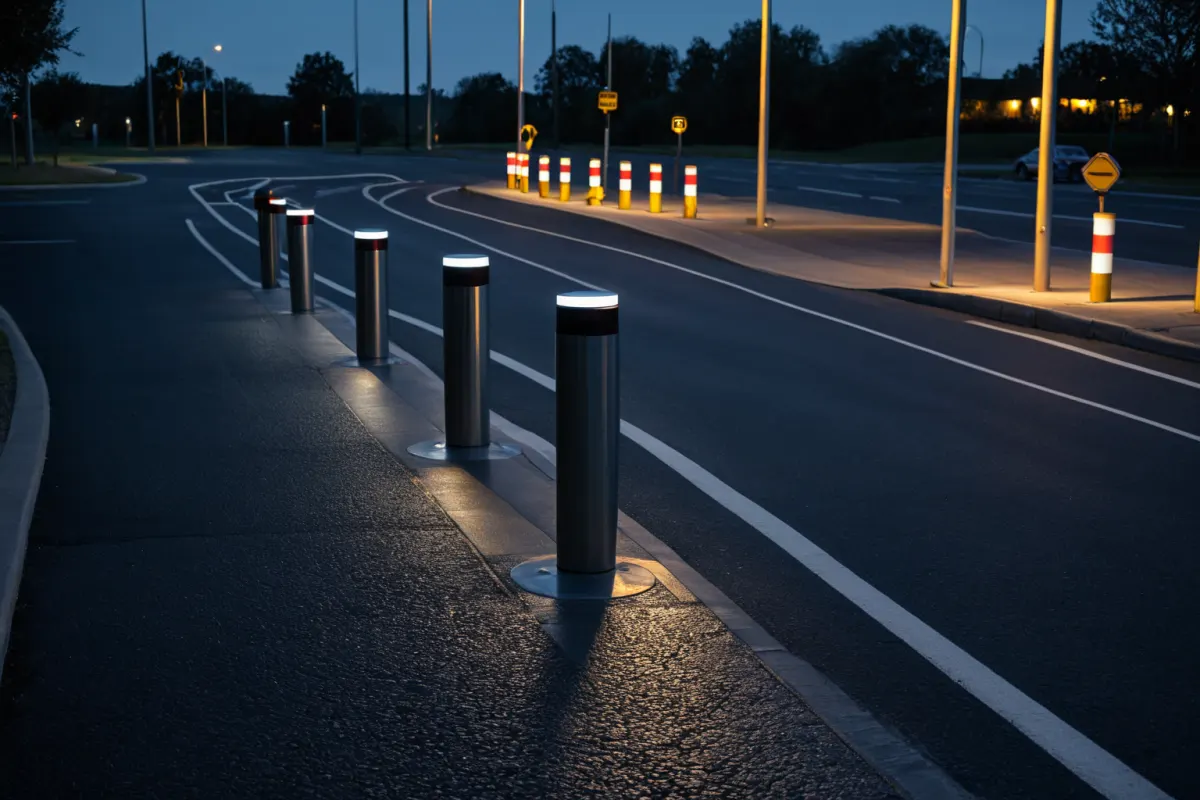
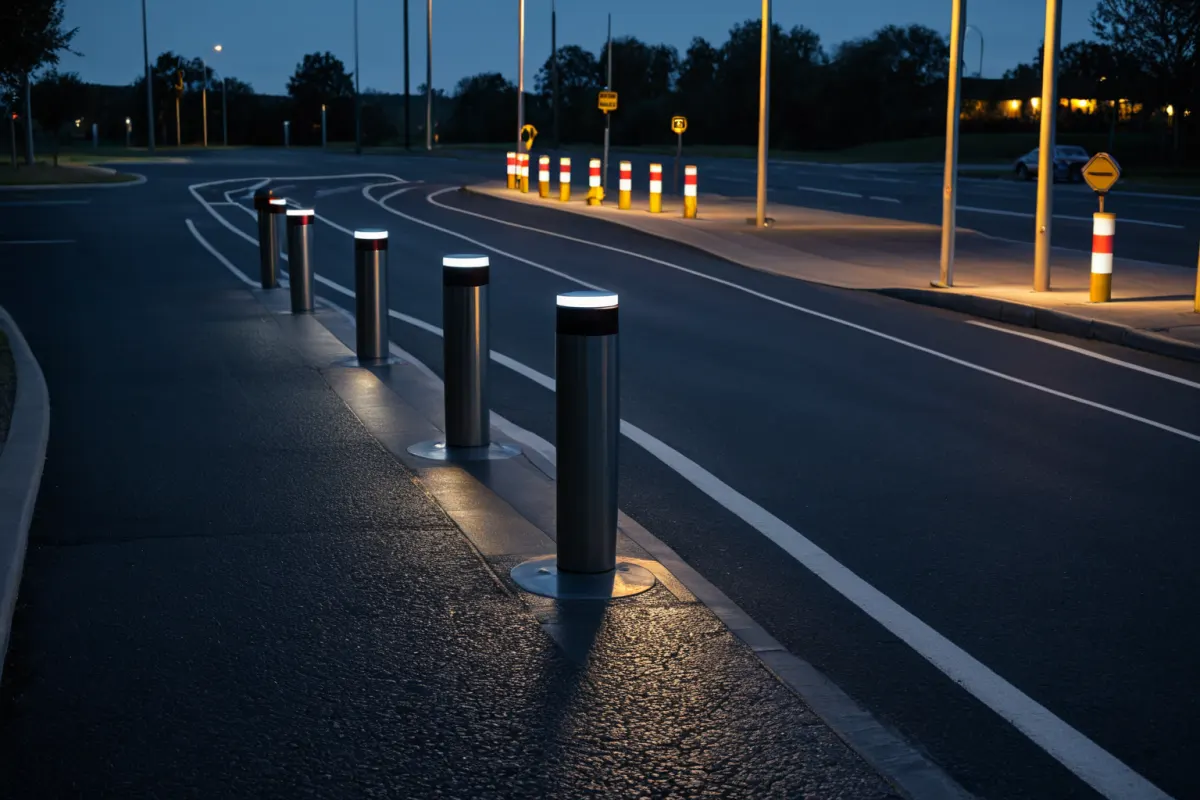
Retroreflective bollards are crucial for safety: during the day, their visible color and shape matter most, while at night, their reflective performance directly impacts safety. When choosing, prioritize factors like placement, reflective material, viewing angle, and durability over design.
Especially in areas where vehicles and pedestrians share space—like parking lot entrances, alleyways, or apartment complexes—the visibility differs between day and night. During the day, the bollard's color and size are most noticeable; at night, how well it reflects headlights becomes key.
Retroreflective Bollards: Where They're Needed
Retroreflective bollards guide vehicle direction and reduce collisions in tight spaces. They’re commonly used at parking lot corners, where roads meet sidewalks, on either side of slopes, and around columns—areas that are often ambiguous.
For example, installing them at the exit of an apartment underground parking garage helps drivers anticipate turns. They’re also frequently placed near children’s safety zones along pedestrian paths, where both daytime visibility and nighttime reflectivity matter equally.
You can find more articles on similar topics here.
View Related ArticlesDaytime Visibility Considerations
During the day, the bollard’s color contrast with its surroundings is most important. If the ground is gray concrete, yellow or orange stands out better; for darker surfaces, white or light colors are preferable.
For daytime use, the surface shouldn’t be overly shiny but should maintain clear shape. Too small a size may not be visible from afar, and being too low might delay vehicle bumper recognition. This is why checking height and width to match your space is essential.
Why Nighttime Reflectivity Varies
At night, the key factor is how strongly the reflective material bounces back light. Depending on the angle of car headlights, the visible range can vary—meaning even the same product might appear differently from front or side angles.
A wider, more three-dimensional reflective surface improves nighttime visibility. Conversely, products with narrow reflective tape are often only noticeable up close. In reality, it’s less about being “bright” and more about being clearly visible from multiple directions.

Selecting the Right Reflective Material
A common oversight when choosing retroreflective bollards is material. Terms like reflective film, reflective sheet, or high-reflectivity cap may differ in description but ultimately depend on how well they bounce back light. Even within the same color (e.g., yellow), reflectivity can vary significantly.
In indoor parking lots with consistent lighting, moderate reflectivity might suffice. For outdoor nighttime entryways, however, you’ll need more precise reflective materials that account for rain, dust, and headlight angles. It’s also advisable to check if the surface resists peeling easily.
Choosing Based on Installation Location
When selecting retroreflective bollards, your environment matters more than the product itself. In areas where vehicles frequently brush against them, you’ll need a durable material; for pedestrian paths, rounded edges are safer.
For example, in narrow alley parking spots, a bollard with moderate height is better than one that’s too tall. Conversely, wider entryways benefit from bollards with clearly visible reflective tops to ensure visibility from afar. In rainy or snowy areas, surfaces resistant to water stains should also be considered.
Practical Selection Examples
A simple approach is to first write down where the bollard will be installed, who uses it most often, and when it’s most active. If visibility during the day is key, color contrast matters more; if nighttime vehicle traffic is high, reflectivity should take priority.
For instance, a narrow driveway in front of a home needs a color that contrasts with surrounding walls during the day and a reflective surface that captures headlights at night. In contrast, a commercial parking lot with frequent turns would benefit from bollards with wide reflection and clear visibility from a distance.
Commonly Overlooked Checkpoints Before Buying
People often focus on color, but in reality, mounting method and durability are more critical. If the base isn’t secure, even the best reflective performance may degrade over time as the bollard tilts, altering visibility angles.
Another point to consider is how lighting affects reflectivity. Under very bright lights, the difference might not be noticeable, but in darker areas, the reflective surface can stand out more. It’s helpful to take photos of the location during both day and night before installation for better judgment.
Maintenance and Replacement Timing
After installation, maintenance isn’t complete—dust, dirt, or rain marks on the reflective surface can reduce visibility over time, so regular cleaning is recommended.
If the reflective surface cracks or fades, it’s time to replace. Products that have endured multiple impacts might look intact but could have internal cracks. In high-traffic areas, prioritize functional decline over visible damage for safety reasons.
Quick Reference: Key Factors for Choosing Retroreflective Bollards
- Daytime: Check the bollard’s color and size relative to surroundings
- Nighttime: Confirm the reflective surface’s width and directionality
- High vehicle traffic? Prioritize durability
- Pedestrian paths? Ensure visibility and rounded edges for safety
- After installation, test both day and night
FAQ
Q. Are retroreflective bollards necessary during the day?
A. Yes. During the day, color contrast and size are more noticeable than reflectivity. A poorly visible daytime bollard may reduce overall satisfaction despite good nighttime performance.
Q. What’s the difference between a retroreflective bollard and a regular one?
A. Regular bollards primarily serve as physical barriers, while retroreflective ones enhance nighttime visibility for drivers, making it easier to identify their location in advance.
Q. Where are retroreflective bollards most effective?
A. They work best in tight entryways, parking lot corners, and areas where pedestrians and vehicles mix—especially places with limited sightlines or frequent driver errors.
Retroreflective performance varies depending on installation conditions, so it’s always best to verify both day and night conditions before purchasing.
Continue exploring similar topics.
View Category ArticlesFAQ
Are retroreflective bollards necessary during the day?
Yes. During the day, color contrast and size are more noticeable than reflectivity. A poorly visible daytime bollard may reduce overall satisfaction despite good nighttime performance.
What's the difference between a retroreflective bollard and a regular one?
Regular bollards primarily serve as physical barriers, while retroreflective ones enhance nighttime visibility for drivers, making it easier to identify their location in advance.
Where are retroreflective bollards most effective?
They work best in tight entryways, parking lot corners, and areas where pedestrians and vehicles mix—especially places with limited sightlines or frequent driver errors.
Korean Source
This article is an English localization of a Korean-language report from BlogScore. Original: 반사경 볼라드 고르는 법, 주간·야간 반사 차이 알아보기