
How to Check Water Safety During South Korea's Severe Drought in Gyeongnam
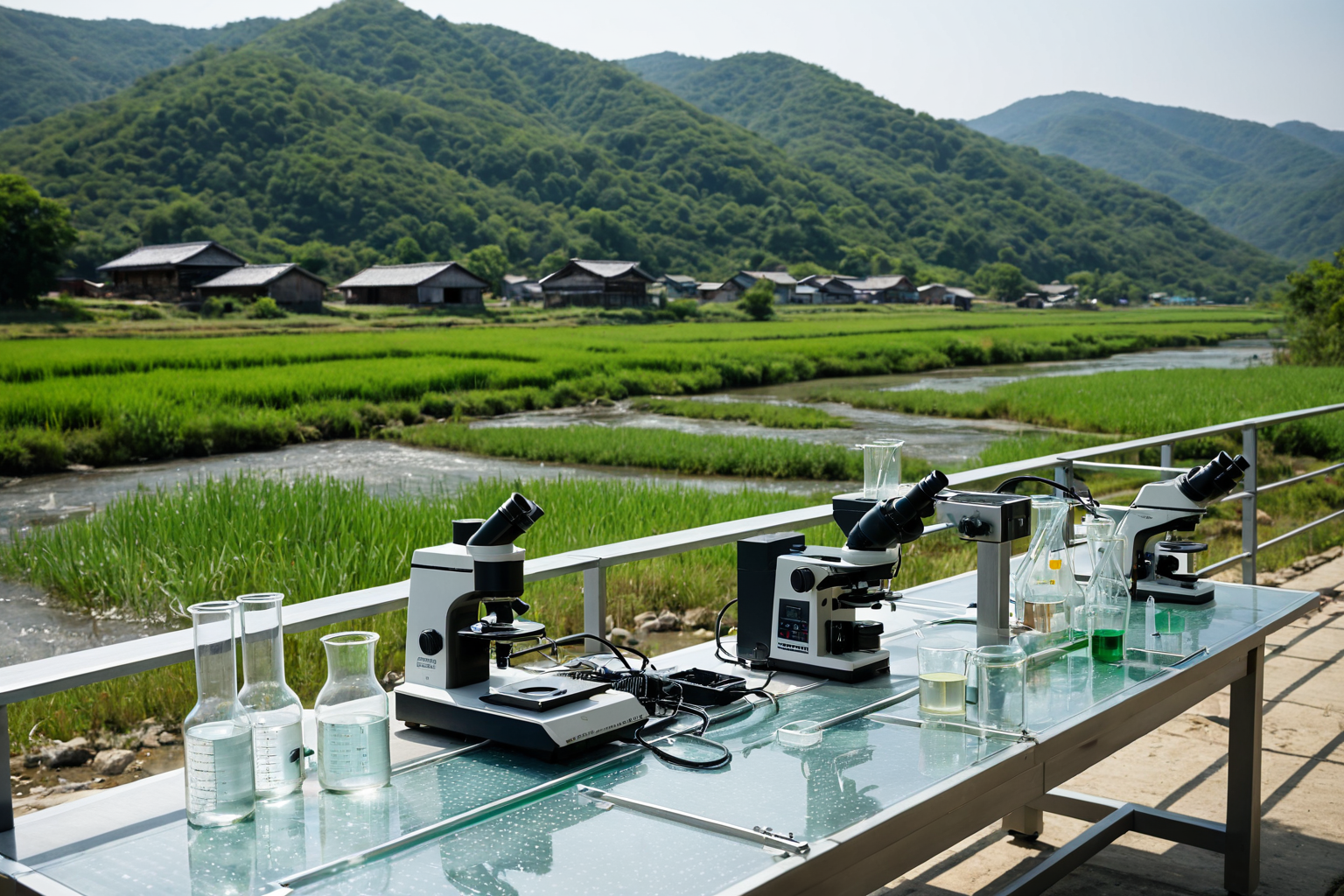
Concerns about water quality safety are growing due to Gyeongnam Province's severe drought. However, the provincial government has strengthened water safety management from intake sources to household taps, and all tests at Nakdong River water treatment plants have confirmed no detection of algal toxins. While citizens in Changwon City have expressed anxiety over insufficient information disclosure, Jinju City is preparing a plan to address discolored tap water.
Relationship Between Gyeongnam's Severe Drought and Water Safety
Gyeongnam Province is inspecting the entire process from intake sources to household taps to address water quality issues in the Nakdong River basin. Following a 'warning' level algae bloom alert on June 23, 2025, Governor Park Wan-su issued special directives to enhance tap water safety management.
All tests at Nakdong River water treatment plants have confirmed no detection of algal toxins. According to data released by Gyeongnam Health and Environmental Research Institute on July 15, 2026, all 50 water treatment plants passed testing with results meeting safety standards. This demonstrates the effectiveness of the Nakdong River basin's water quality management system.
Specifically, Gyeongnam Province continues regular water quality inspections and monitors for harmful substances beyond algal toxins to respond promptly to any changes in water quality caused by drought.
Information Disclosure Issues in Changwon City
In Changwon City, public anxiety has increased due to insufficient disclosure of water quality information. As of July 23, 2026, Changwon City has not adequately shared water quality data, leading citizens to question tap water safety.
Conversely, Sokcho City and Gangwon Province have both received 'pass' ratings in water quality tests. Sokcho City passed all 59 test items across 372 household taps, while Gangwon Province's drinking water quality was also confirmed as 'pass'. This comparison highlights how Changwon City's lack of information disclosure is exacerbating public anxiety.
Changwon City has decided to start publishing monthly reports on water quality inspection results from mid-August 2026. Citizens will then be able to regularly check water quality status, alleviating concerns caused by insufficient information.
Water Safety Standards Gyeongnam Residents Should Check
To assess tap water safety, it's important to regularly review inspection results. The Gyeongnam Health and Environmental Research Institute provides technical support to 50 water treatment plants, contributing to the credibility of water quality management.
Especially in Changwon City, where anxiety has increased due to insufficient information disclosure, residents should periodically check official reports on treatment plant inspections. Water quality inspection reports provided by the Gyeongnam Health and Environmental Research Institute are updated monthly on the 15th and are easily accessible to citizens.
Jinju City is preparing a plan to address discolored tap water, which can occur due to algal growth or fine sediments. This demonstrates Jinju's direction in future water quality management, as it establishes regular inspections and rapid response systems for such situations.
Practical Ways to Verify Water Safety
Gyeongnam residents can verify water safety through the following methods: First, refer to inspection results published by the Gyeongnam Health and Environmental Research Institute. Second, Changwon City will provide additional information disclosure to address public anxiety.
The Nakdong River basin maintains stable water supply through cooperation between the Korea Water Resources Corporation and Gyeongnam Province. Mr. Yun Seok-dae, President of the Korea Water Resources Corporation, is focusing on Millyang Dam inspections to ensure stable water supply in the Nakdong River basin. This strategy aims to prevent water supply disruptions even if drought continues long-term.
Additionally, Gyeongnam Province has strengthened its real-time water quality monitoring system from August 2026, allowing for immediate detection of changes in water quality. The system is based on data collected from major treatment plants across the Nakdong River basin and initiates immediate response measures when anomalies are detected.
News Reports and Investigation Results on Water Quality
While water quality issues have emerged due to Gyeongnam's severe drought, the provincial government has strengthened tap water safety management. All tests at Nakdong River treatment plants confirmed no detection of algal toxins as of July 15, 2026.
However, a report suggested potential risks from carcinogenic substances in Changwon City, though this remains unconfirmed and Gyeongnam Province is conducting additional investigations. The Gyeongnam Health and Environmental Research Institute will review the report to provide accurate information to citizens.
Gyeongnam Province is responding promptly to water quality reports and plans to publish a weekly newsletter on water management status starting late July 2026, helping citizens monitor water quality in real time.
Role of Residents in Ensuring Water Safety
Residents should regularly check water inspection results and contact relevant authorities if concerns arise. While public anxiety has increased in Changwon City due to insufficient information disclosure, more information will be provided in the future.
Gyeongnam Province is implementing water bill reductions for residents in coastal areas like Geoje and Tongyeong affected by drought and flooding through cooperation with the Korea Water Resources Corporation. This aims to alleviate economic burdens on citizens impacted by both drought and floods. Additional support is expected in flood-affected areas to address daily inconveniences caused by water shortages.
Residents should also take personal precautions to improve tap water safety, such as checking color or odor before use—a simple method to assess water quality.
Frequently Asked Questions
All algal toxin tests at Nakdong River treatment plants have confirmed no detection. This is based on testing across all 50 treatment plants meeting safety standards.
Changwon City's public anxiety has increased due to insufficient water quality information disclosure. Gyeongnam Province plans to enhance information disclosure, with additional details available in future reports.
The standard for judging tap water safety is regular inspection results. Residents should refer to the treatment plant inspection results provided by the Gyeongnam Health and Environmental Research Institute.
You can view similar articles in one place.
View Related ArticlesFAQ
Are Nakdong River treatment plants safe from algal toxins?
All tests at Nakdong River treatment plants confirmed no detection of algal toxins, with results meeting safety standards across all 50 facilities as of July 15, 2026.
Why is there public anxiety in Changwon City?
Changwon City has faced public anxiety due to insufficient disclosure of water quality information. The city plans to publish monthly reports starting mid-August 2026 to address this issue.
How can residents check tap water safety?
Residents should refer to the Gyeongnam Health and Environmental Research Institute's monthly reports, updated on the 15th of each month, which provide inspection results for treatment plants.
Korean Source
This article is an English localization of a Korean-language report from BlogScore. Original: 경남 극한 가뭄, 수질 안전성 확인 방법