
How to Check the Weather in South Korea's Heatwave Alert Areas


In areas like Chungnam, Chungbuk, Gangwon, and Gyeongbuk where severe heatwave alerts are in effect, checking the weather every morning can help adjust outdoor plans safely. The key is to look beyond just temperature numbers—consider heat index, time of alert announcement, and regional forecast changes.
Even within the same province, temperatures can vary significantly by city or county. Instead of asking "What's today's high temperature?" it's more important to confirm if your specific location is under a heatwave alert. This guide outlines the quickest and most practical way to check weather conditions during heatwaves.
Heat Index Matters More Than Temperature Numbers
On days with enhanced heatwave alerts, relying solely on temperature readings like 33°C or 35°C isn't enough. Direct sunlight and high humidity make it feel much hotter than the actual temperature.
Check not just the high and low temperatures but also humidity levels and wind speed. For example, a forecast of 34°C with high humidity and light winds can make outdoor activities significantly more difficult.
Realistically, mornings often start feeling oppressive even before reaching peak afternoon heat. Avoid assuming "it'll be hot only in the afternoon"—this can disrupt schedules. Those commuting to work, school, or doing delivery or fieldwork should check weather conditions early in the morning.
You can find similar articles on this topic all in one place.
View Related ArticlesCheck Regional Forecasts and Alerts Together
First, check the regional forecast. Even within Chungnam, coastal areas may feel different from inland or mountainous regions. Gangwon Province's terrain causes even greater variation between locations.
Next, confirm what level of heatwave alert is active—heatwave warnings versus severe alerts have different implications for daily routines. If a severe alert is in place, minimize midday outdoor activities and take more frequent breaks if necessary.
A common oversight is the timing of announcements. Morning forecasts may differ from updated afternoon alerts, so checking before leaving for work and again around lunchtime is safer than just one check per day.
Fastest Check Sequence
New users will find this sequence most convenient—no need to scroll through multiple screens; you'll quickly get the essential information:
- Confirm your current location or city/district
- Check today's and tomorrow's high temperature and heat index
- Verify if a heatwave alert is active
- Check for rain and possibility of thunderstorms
- Adjust outdoor schedule times accordingly
For example, if heading to inland Gangwon in the morning, check the forecast for your specific destination district rather than just "Gangwon weather." Conditions can vary significantly between Chuncheon, coastal areas, and mountainous regions on the same day.
The same applies to Chungbuk and Gyeongbuk. While province-level forecasts are convenient, checking at the city/district level provides more accurate information for daily life. Adjust your check based on whether you're going out briefly for shopping or staying outdoors for several hours.
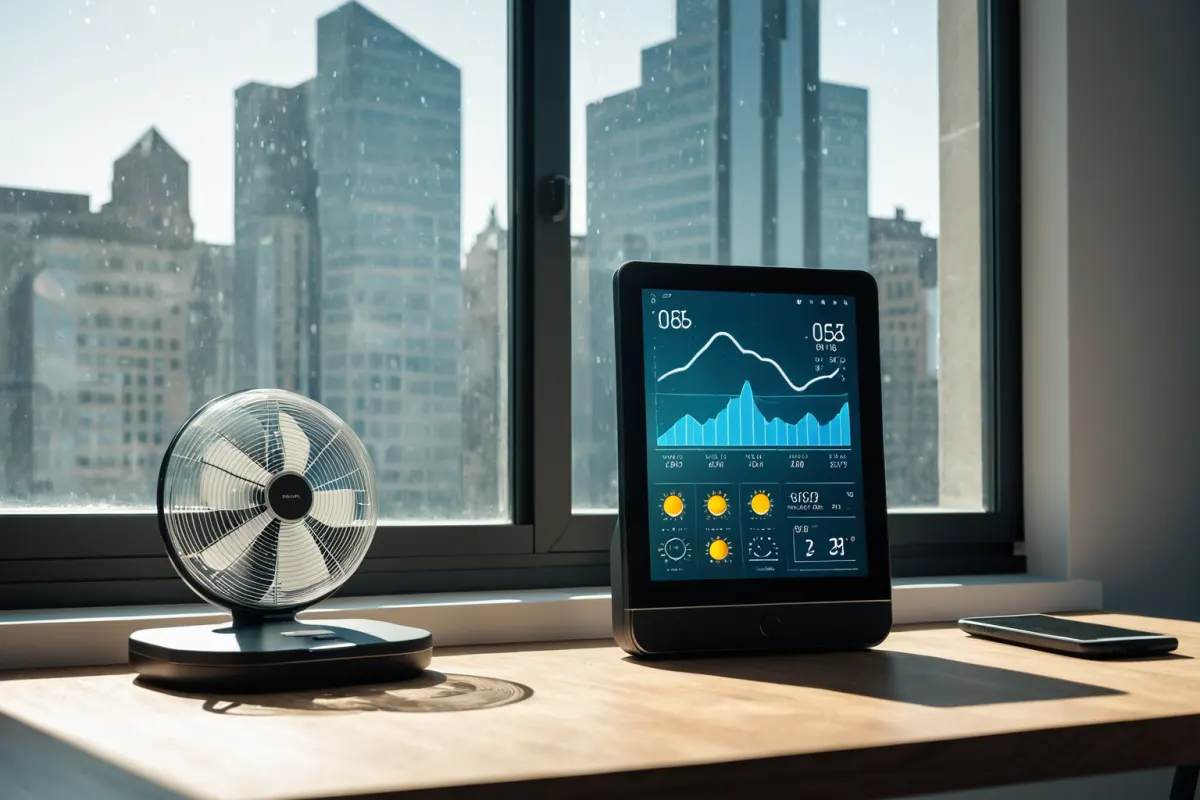
Common Mistakes When Checking Weather on Mobile
The most common mobile weather mistake is stopping at current temperature. Current temperature is just a reference—during heatwaves, you should also check the afternoon's high temperature, UV index, and possibility of heat waves.
The second error is checking without location permission enabled. Inaccurate location data can show forecasts for the wrong area, leading to poor decisions. This is especially important when traveling or on business trips in unfamiliar areas—verify that your phone has correctly identified your location first.
The third common mistake is assuming "it won't be as hot if it rains." After a shower, humidity may rise, making conditions feel stickier and more oppressive. Rain doesn't mean heatwave precautions are over.
Practical Daily Examples
For commuters checking before leaving home, spending just one minute reviewing today's high temperature and heat index can make a difference. On days with lunchtime outdoor plans, check temperature changes between 11 AM and 3 PM for better safety.
If you're a student or traveling with children, focus on school dismissal times. Afternoon hours between 2 PM and 4 PM often feel more intense than midday, so reducing outdoor waiting time or walking during this period can help reduce discomfort.
For those working outdoors for extended periods—like farming or fieldwork—don't rely solely on weather checks; plan rest breaks in advance. Bring sufficient water and identify shaded areas ahead of time to stay comfortable.
Checking When Multiple Regions Are Listed
When alerts mention multiple regions like "Chungnam, Chungbuk, Gangwon, Gyeongbuk," the critical question is whether your specific city or district falls under the alert. Even within a province, only certain areas may be affected.
Assuming all areas covered by news headlines are equally impacted can lead to misunderstandings. Instead, check both your administrative district and the alert wording for accuracy.
For example, temperatures in northern versus southern Chungbuk can differ significantly, while Gangwon's inland areas, coastlines, and mountains each have unique conditions. Similarly, Gyeongbuk's western inland regions may feel different from eastern coastal areas—double-checking at a more detailed level is safer.
Making Weather Checks a Daily Habit
The simplest method is to check twice daily: once in the morning for alerts and high temperatures, and again in the evening for tomorrow's forecast and possibility of heat waves. This routine minimizes effort while keeping you informed.
Another useful habit is bookmarking frequently visited locations—your home, workplace, parents' house, or children's school. Checking these specific areas saves time compared to searching each time.
Whether using a weather app or checking portal forecasts, the key is consistent repetition at the same reference points. Even if there's no alert today, conditions can change rapidly tomorrow—so double-checking before heading out remains a summer safety standard.
FAQ
Q1. Do I need to avoid all outdoor activities when a heatwave alert is issued?
No, but minimize prolonged midday exposure. For short trips, carry water and choose shaded routes for safer travel.
Q2. What's the difference between a Heatwave Warning and a Severe Heatwave Alert?
Both indicate need for caution, but a severe alert represents higher risk levels. With a severe alert in place, adjust outdoor activity times more proactively.
Q3. Should I check regional forecasts or alerts first?
Check the alert level to assess risk first, then review the regional forecast for specific timing adjustments. Both are needed for accurate decisions.
Weather alerts and forecasts change frequently—always verify the latest information before heading out.
Continue exploring similar topics in this category.
View Category ArticlesFAQ
Do I need to avoid all outdoor activities when a heatwave alert is issued?
No, but minimize prolonged midday exposure. For short trips, carry water and choose shaded routes for safer travel.
What's the difference between a Heatwave Warning and a Severe Heatwave Alert?
Both indicate need for caution, but a severe alert represents higher risk levels. With a severe alert in place, adjust outdoor activity times more proactively.
Should I check regional forecasts or alerts first?
Check the alert level to assess risk first, then review the regional forecast for specific timing adjustments. Both are needed for accurate decisions.
Korean Source
This article is an English localization of a Korean-language report from BlogScore. Original: 폭염경보 강화 지역(충남·충북·강원·경북) 날씨 체크 방법