
How to Check the Timing of Falling Meteors
How to Check When Meteors Are Falling
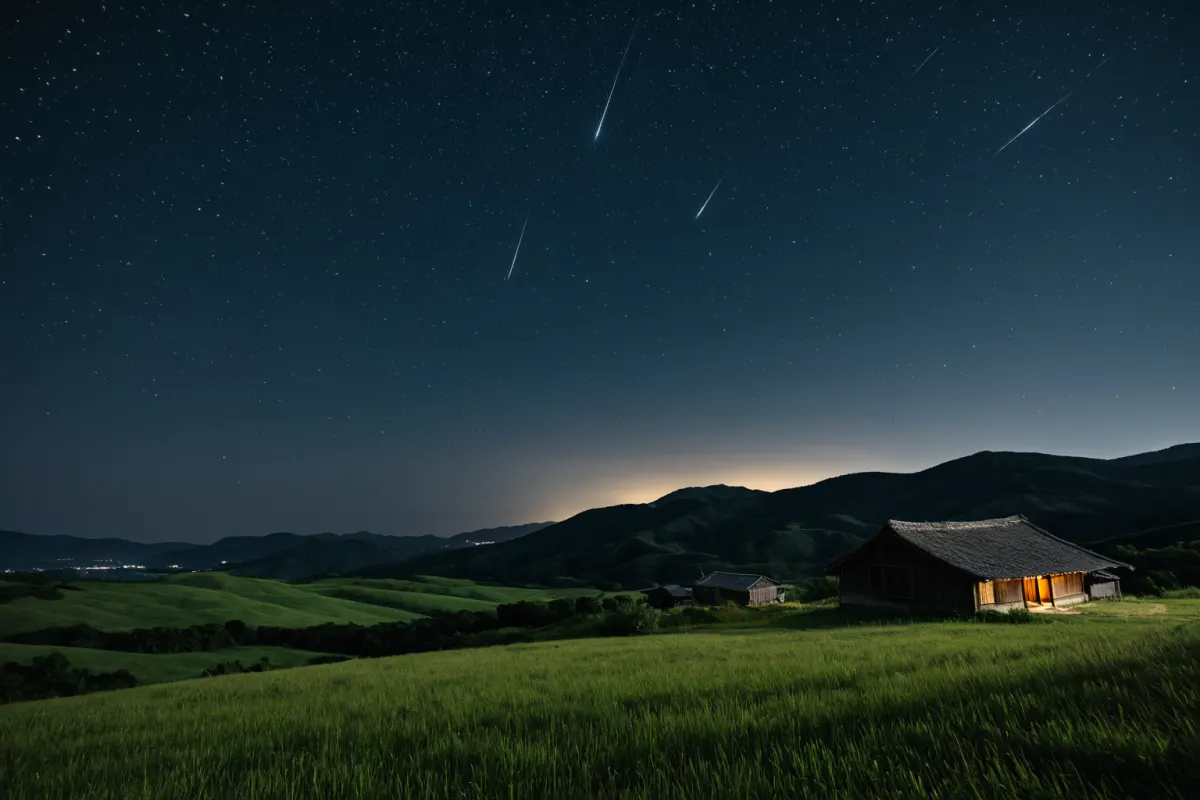
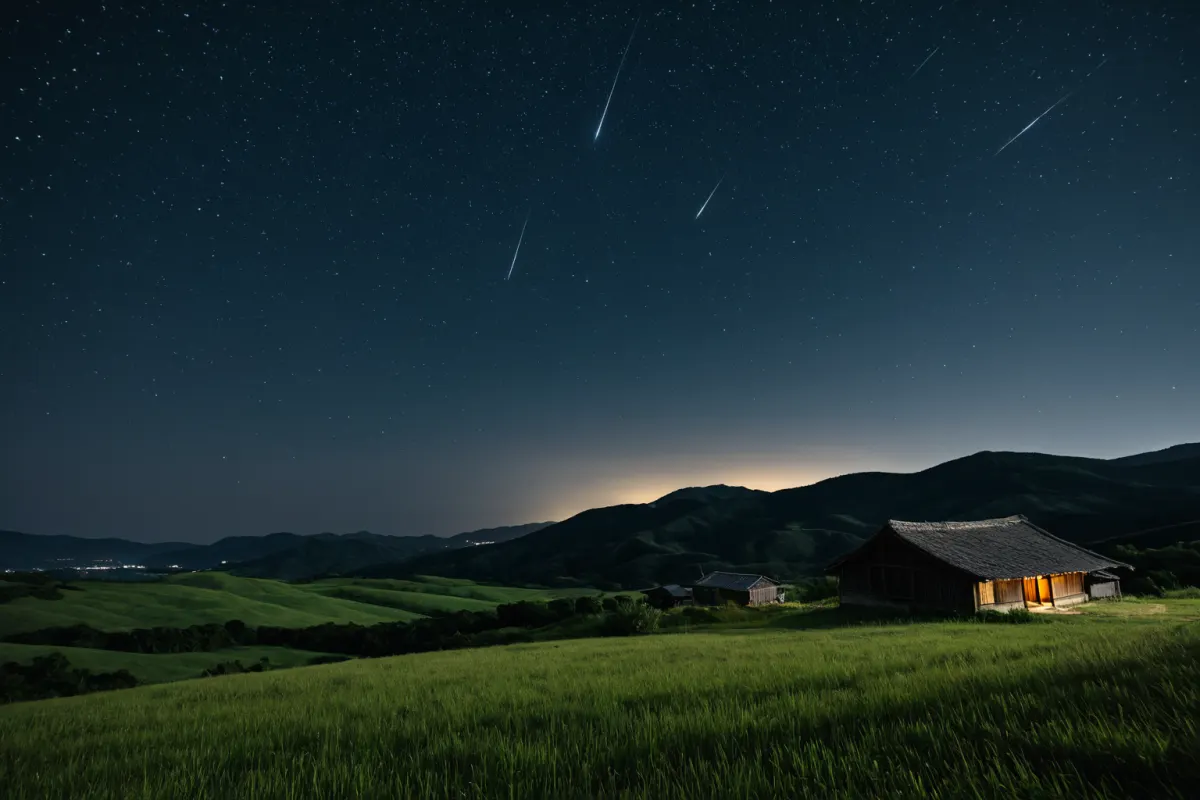
To observe meteors, it's essential to accurately identify the main meteor shower periods. The Perseid meteor shower will peak from August 12 to 13, 2026, with up to 100-110 meteors visible per hour. The Geminids meteor shower is expected to be observable in mid-December 2025, and the Lyrids meteor shower will peak on April 22, 2026, with about 18 meteors per hour.
Main Meteor Shower Periods and Viewing Conditions
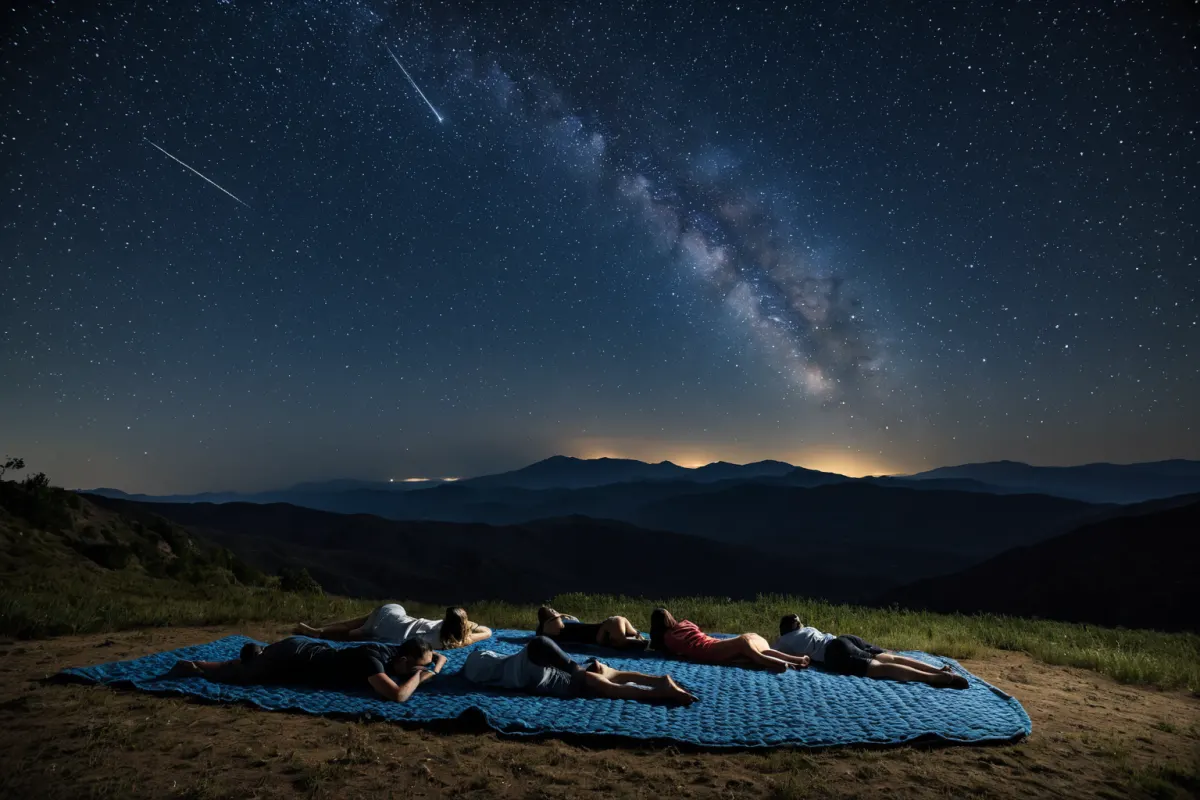
The key to successful meteor observation is watching from a dark area without moonlight throughout the night. The Perseid shower peaks in mid-August, with the optimal viewing time being the early morning of August 12-13, 2026, when there will be no moonlight, making meteors more visible.
The Geminids meteor shower will peak around mid-December 2025, and again, the best viewing times are during moonless nights. The Lyrids meteor shower will be observable on April 22, 2026, with about 18 meteors visible per hour.
Important Tips for Viewing
Meteor observation is most effective in dark areas without light pollution. It's difficult to see meteors in places with heavy city lighting or streetlights. Therefore, it's best to choose quiet locations like rural areas or coastal regions. Also, be sure to prepare appropriate clothing and warmth before observing.
On the morning of August 12, 2026, not only will the Perseid meteor shower occur, but a planetary alignment and a solar eclipse are also expected simultaneously. This is an extremely rare astronomical event that is likely to attract many observers. Therefore, it's important to secure your spot early and ensure you have enough time.
How to Observe and Recommended Locations
No special tools are needed for meteor observation. You can view them directly with the naked eye or use a smartphone app to check the timing of meteor showers. To accurately determine when meteors are falling, it's recommended to consult astronomy apps or websites.
Ideal locations for observing include dark areas away from cities, such as mountains, beaches, or parks. For the Perseid shower in particular, if you plan to observe during the early morning of August 12-13, 2026, choose a location with minimal light pollution.
Important Notes and What to Bring
To prepare for meteor observation, bring comfortable clothing, gloves, hats, and other items that allow you to regulate your body temperature. It's also helpful to sit comfortably on a bed or chair to observe for extended periods.
During observation, minimizing surrounding noise and light can help maintain focus. If observing in a city, it's best to move to a location farther away from sources of light pollution to avoid interference.
Timing and Number of Observable Meteor Showers
The main meteor showers can be summarized as follows: The Perseids will peak on August 12-13, 2026, with about 100-110 meteors per hour. The Geminids will peak around mid-December 2025, and the Lyrids will be observable on April 22, 2026, with approximately 18 meteors per hour.
Additionally, the Leonids meteor shower is scheduled for November 2026. During this time, it's expected that about 5-10 meteors can be observed per hour.
Tips for Successful Viewing
Meteor observation may require patience as you wait for them to appear. Therefore, it's important to have sufficient patience during your viewing session. For the Perseid shower, which peaks from mid-August through August 13, planning your observations around this period is recommended.
It can also be helpful to familiarize yourself with the constellation positions before observing. For example, when watching the Perseids, looking toward the direction of the Perseus constellation will make it easier to spot meteors.
Frequently Asked Questions
How do I find out when meteors are falling?
Meteor observation timing is based on astronomical data. The main meteor shower periods include the Perseids, which peak from August 12 to 13, 2026.
Do I need special tools to observe meteors?
Meteors can be observed with the naked eye. It's recommended to check constellation positions or use astronomy apps to determine meteor shower timing.
Where is the best place to observe meteors?
The ideal location is a dark area without moonlight and minimal light pollution. Choose places like rural mountains, beaches, or parks away from city lights.
Frequently Asked Questions
To observe meteors effectively, accurately identify the main meteor shower periods and view from a dark area without moonlight throughout the night. The Perseid meteor shower will peak on August 12-13, 2026, with up to 100-110 meteors visible per hour. Additionally, the Geminids will peak around mid-December 2025, and the Lyrids will be observable on April 22, 2026.
When observing, avoid light pollution and prepare appropriate clothing and gear. On August 12, 2026, a rare astronomical event is expected where the Perseid meteor shower, planetary alignment, and solar eclipse will occur simultaneously. This is very rare, so many people are likely to gather at viewing locations.
If planning an observation, securing your spot early and ensuring you have enough time is important. While meteor watching may require patience, the beauty of witnessing meteors falling is an unforgettable experience.
You can find similar articles all in one place.
View Related ArticlesFAQ
How do I find out when meteors are falling?
Meteors can be observed during peak meteor shower periods, such as the Perseids from August 12-13, 2026. Use astronomy apps or websites to check exact timing.
Do I need special tools to observe meteors?
No special tools are needed; meteors can be seen with the naked eye. Astronomy apps help identify shower periods and constellation positions.
Where is the best place to observe meteors?
Dark, light-pollution-free areas like rural mountains, beaches, or parks are ideal for observing meteors without moonlight interference.
Korean Source
This article is an English localization of a Korean-language report from BlogScore. Original: 별똥별 떨어지는 시간 확인하는 방법 알려드려요