
How to Check Seoul's River Control Status at a Glance
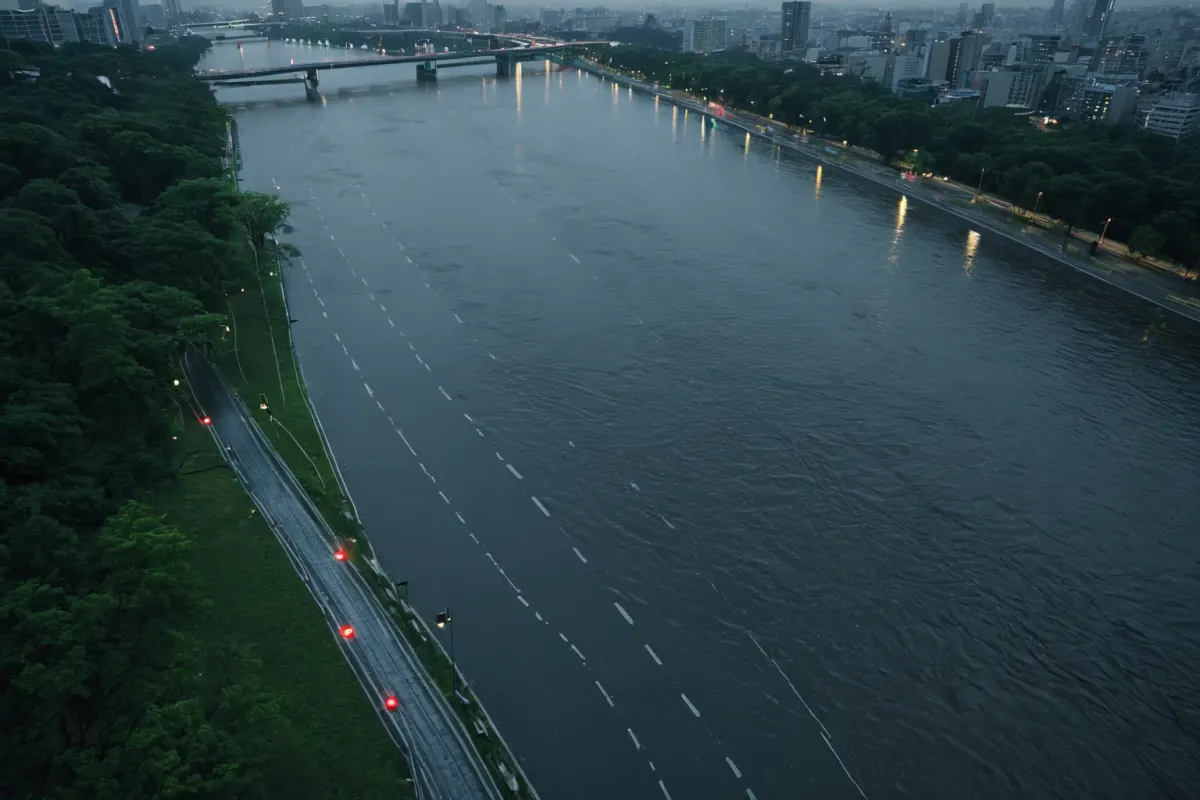
You can typically find updates on Seoul's river control status through the city's disaster safety announcements or individual district office notices. When heavy rain is expected or water levels rise, walking paths along the Han River, confluence points of smaller streams, and sections of bike paths may be closed sequentially. It's crucial to check before heading out.
Especially, river control isn't a one-time closure—it can open and close repeatedly based on rainfall and water level changes. So, rather than just checking news updates, it's better to know how to access near real-time information about which sections are currently under restrictions.
How to Check Seoul's River Control Status
The most common method is to check both the city-wide disaster safety announcements and district-specific notices. City-wide alerts often appear first, while more detailed information about specific river sections comes from individual district offices managing those areas.
For example, if you plan to use the Jungnangcheon Stream, checking only the city-wide notice may not be sufficient—you should also check the relevant district office's river control announcement for accuracy. Even on the same river, upper and lower sections might have different conditions; one part could be closed while another remains accessible.
Here’s a simple way to approach it:
- Check city-wide disaster safety announcements for an overview of restrictions
- Look at the website or notifications from the district where the river flows through
- Verify specific restricted sections like walking paths, bike lanes, and access stairs
You can find more articles on similar topics in one place.
View Related ArticlesWhy River Control Information Changes Frequently
River control changes more often than road closures. Even after rain stops, restrictions may not lift immediately because water from upstream can take time to reach downstream areas, causing rising water levels.
Additionally, rivers are often closed for safety reasons even before flooding occurs—slippery surfaces, sudden current changes, or poor nighttime visibility might lead to early closures of walking paths. Once conditions stabilize, restrictions are lifted sequentially.
This means a path that was clear in the morning could be blocked by afternoon. Especially if you're planning to commute or exercise after work, double-check just before leaving home.

Key Information to Check When Monitoring River Control
When checking river control status, don't just look for whether it's restricted—also check which specific sections are blocked and why. This helps you plan detours immediately.
When searching, look for these details:
- Name of the river
- Start time of restriction
- Restricted section
- Expected release or next update
- Specific areas affected (bike paths, pedestrian walkways, parking lots)
For instance, a notice saying "Han River Park fully restricted" might only mean certain access points are closed. Conversely, walking paths could be open while bike lanes remain blocked—so check based on your intended route.
Frequently Blocked Areas During Rain
Riverside lowlands along the Han River, confluence points of smaller streams, stair-step walking paths, and riverbank bike paths are common areas that get restricted during rain. These sections often close proactively to ensure safety as water levels rise quickly.
Especially, access routes connected to underground passages can be blocked more rapidly. What seems like a convenient shortcut on normal days might require detouring when it rains.
For example, if you plan to ride your bike along Jungnangcheon Stream near Eungbong Station after work, check the river control status before leaving. If restricted, take an alternative route around the station immediately rather than trying to adjust direction once blocked—this saves time and avoids frustration.
When You Should Check River Control Status
Many people think they only need to check during heavy rain, but even light showers can trigger control notices. This is because previous rainfall might still affect morning conditions.
Especially consider checking in these situations:
- When commuting by bike
- When walking with children or pets
- Before planned events, running, or jogging
- When using Han River Park parking lots or river access points
A quick check can prevent unnecessary detours. While riverside areas seem easy to navigate normally, restrictions can block entry entirely—forcing last-minute route changes.
Common Search Term Confusions
You might notice search results with similar terms like "Seoul River Control," "Seoul City River Control," or "Seoul River Control Status." While these phrases are nearly identical in meaning, they can mix city-wide announcements with district-specific details, leading to confusion if you only look at the title.
Therefore, when reviewing search results, check first whether both the river name and district name appear together. For example, "Jungnangcheon Control Status" or "Anyangcheon Stream Seoul Section Control" are more precise than vague terms like "Han River Park Entry Control." If you need to check quickly, prioritize recent announcements—river control status can change between morning and afternoon, or even overnight.
Quick Tips for Real-Time Checking
The easiest way is to refine your search just 10 minutes before departure. Instead of searching "Seoul River Control Status," try adding the river name: "Seoul River Control Status Jungnangcheon." This helps you find relevant notices faster.
For frequently used routes, bookmarking these specific searches can save time. Also, it's better to check from home before heading out on rainy days—arriving at the entrance only to find a closure will make your route longer as you backtrack.
FAQ
Q. Where is the fastest source for Seoul River Control Status?
A. Checking both city-wide announcements and district-specific notices provides the most timely information. City-wide alerts often show broader changes first, while district offices give more detailed updates on specific sections.
Q. Does river control lift immediately after rain stops?
A. Not usually—restrictions often remain until water levels stabilize from upstream flow, leading to a time lag.
Q. Can only bike paths be restricted while walking paths are open?
A. Yes. Sometimes pedestrian walkways remain open while bike lanes are blocked, or certain access points close without affecting others—so checking specific sections is essential.
Finally, since river control status changes frequently with weather and water levels, always double-check the most recent notice right before heading out for the safest trip possible.
Continue exploring similar topics.
View Category ArticlesFAQ
Where is the fastest source for Seoul River Control Status?
Checking both city-wide announcements and district-specific notices provides the most timely information. City-wide alerts often show broader changes first, while district offices give more detailed updates on specific sections.
Does river control lift immediately after rain stops?
Not usually—restrictions often remain until water levels stabilize from upstream flow, leading to a time lag.
Can only bike paths be restricted while walking paths are open?
Yes. Sometimes pedestrian walkways remain open while bike lanes are blocked, or certain access points close without affecting others—so checking specific sections is essential.
Korean Source
This article is an English localization of a Korean-language report from BlogScore. Original: 서울시 하천 통제 현황 한눈에 보는 방법