
How to Check Real-Time Traffic Conditions During Chuseok Holiday Travel
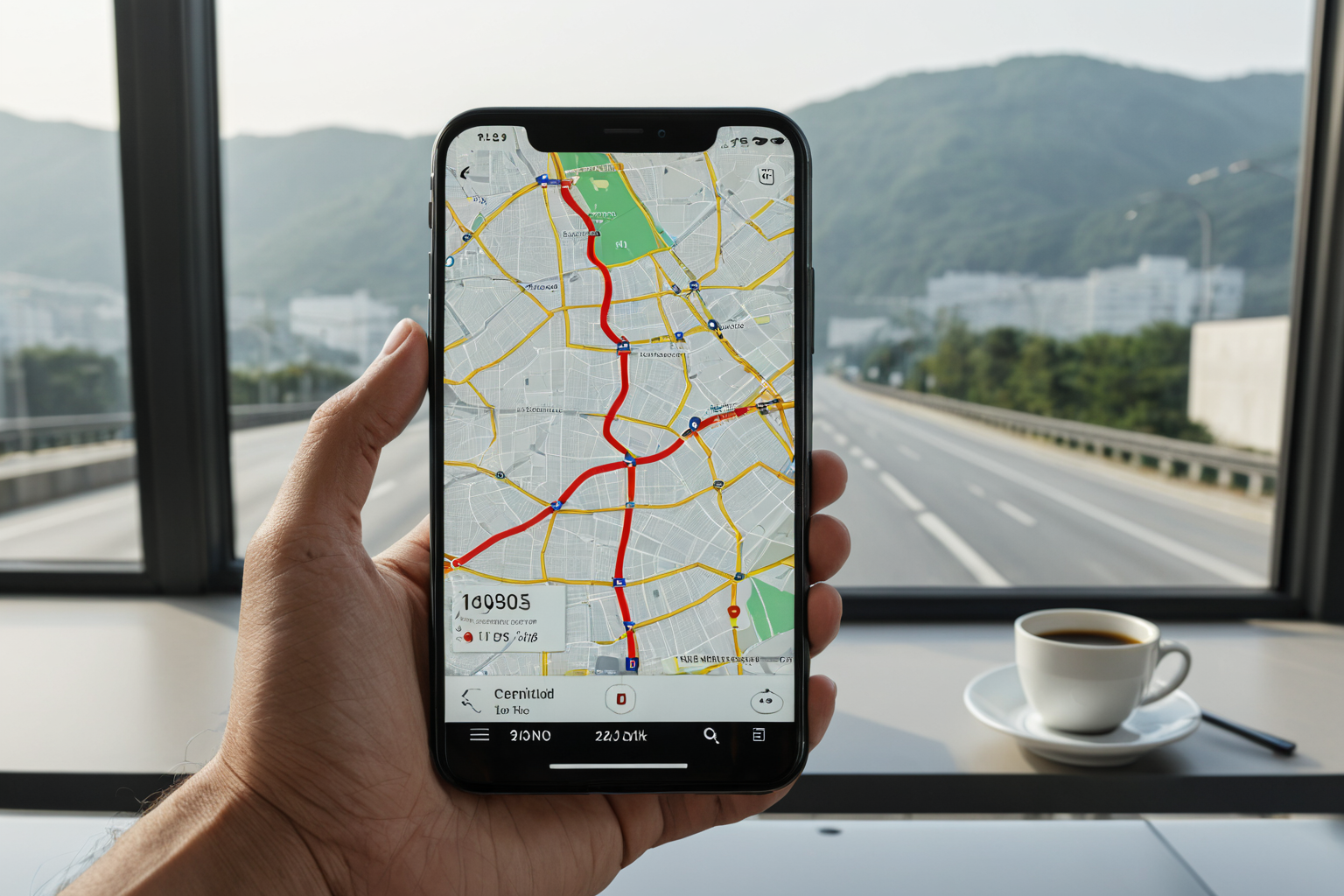
How to Check Real-Time Traffic Information During Chuseok Holiday Commuting
Chuseok holiday commuting is particularly congested on highways, with the worst traffic occurring between 3-5 PM on September 25. Travel time from Busan to Seoul is estimated at 6 hours and 10 minutes (on the 27th), 9 hours (on the 24th). According to Tmap data, while returning home (going back to hometown) is spread out, returning to work cities (commuting back) peaks on the 25th, causing heavy congestion. This reflects that highway traffic jams occur in both directions on Chuseok day, making it the busiest travel period of the holiday.
Real-time traffic information is provided by Busan Traffic Broadcasting every 15 minutes through live broadcasts. Additionally, regional traffic broadcasters such as TBN Daegu Traffic, TBN Jeonbuk Traffic, and TBN Chungnam Traffic are also offering special Chuseok holiday broadcasts. These broadcasts deliver real-time updates on highway congestion points and alternative routes, providing valuable information for drivers.
Apps like Tmap, Naver, and Kakao Maps allow you to check real-time route changes and predictions. Specifically, Tmap predicted a travel time of 8 hours from Busan to Seoul on Chuseok day, while Naver and Kakao provide various real-time information including hospitals open during the holiday. Navigation apps help you identify congested highway sections in advance and adjust your route accordingly, saving valuable time.
Gyeonggi Province has implemented special transportation measures including increased intercity bus services and extended train schedules to manage congestion on Chuseok day. The Gyeonggi Transportation Agency added extra bus routes and extended the last train times to increase capacity, particularly in preparation for the peak congestion on September 25.
Peak traffic begins to ease early morning on the final day of the holiday, with dispersed movement starting during the afternoon. Therefore, to avoid congestion, it's better to travel before or after September 24-25 rather than on the last day (the 27th). Travel time from Seoul to Busan on September 24 is estimated at 9 hours, while the return trip from Busan to Seoul on the 25th is expected to take about 8 hours. Given that the return journey from Busan to Seoul takes approximately 7 hours during peak congestion, planning ahead is crucial.
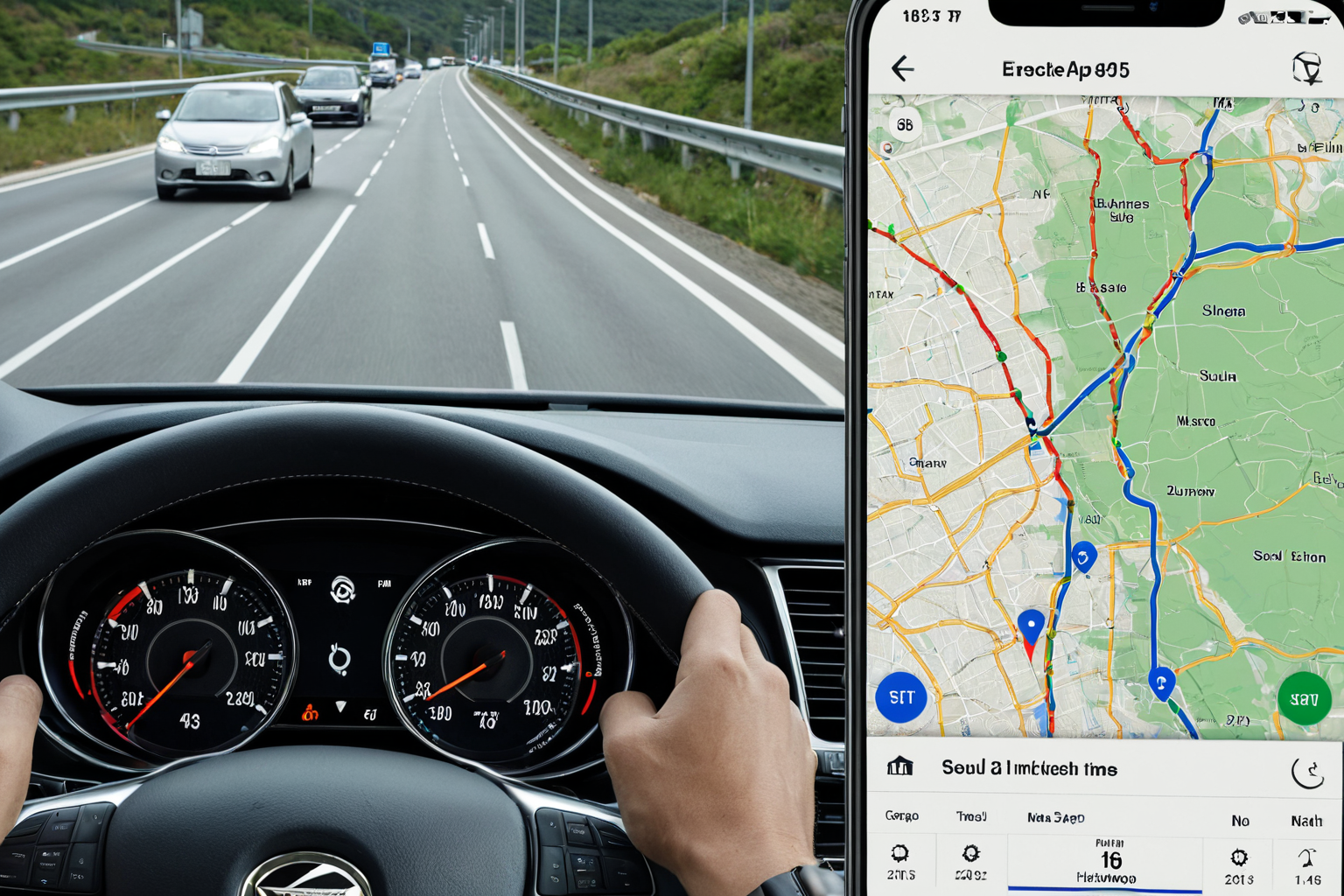
Using Navigation Apps for Real-Time Traffic Information
Tmap, Naver, and Kakao Maps provide real-time route adjustments and predictions. According to Tmap data, while returning home (going back to hometown) is spread out, returning to work cities (commuting back) peaks on the 25th, causing heavy congestion. This reflects that highway traffic jams occur in both directions on Chuseok day.
Through these apps, you can check congested highway sections in advance and adjust your route. Navigation apps also provide information from commuting routes to hospitals open during holidays. It's important to verify real-time traffic conditions when deciding whether taking a national road detour would be faster during holiday travel.
Considering that highways experience two-way congestion on Chuseok day, it is recommended to avoid traveling between 3-5 PM on September 25. The return trip from Busan to Seoul takes approximately 7 hours during peak times, so early departure or late evening travel can help you avoid the worst of the traffic.
Special Transportation Measures and How to Check Real-Time Information
Busan Traffic Broadcasting provides real-time traffic updates every 15 minutes during the Chuseok holiday. Regionally, TBN Daegu Traffic, TBN Jeonbuk Traffic, and TBN Chungnam Traffic are also offering special broadcasts. These broadcasts deliver real-time information on highway congestion points and alternative routes, providing useful information for drivers.
Gyeonggi Province has implemented special transportation measures including increased intercity bus services and extended train schedules to ease commuting congestion. The Gyeonggi Transportation Agency added extra bus routes and extended the last train times to increase capacity, particularly in preparation for the peak congestion on September 25.
Peak traffic begins to clear early morning on the final holiday day, with dispersed movement starting during the afternoon. Therefore, it's better to travel around September 24-25 rather than on the last day (the 27th). Additionally, traffic is expected to be particularly heavy on the return trip from Busan to Seoul on September 26, taking approximately 7 hours.
Chuseok Holiday Commuting Traffic Information FAQ
When is peak congestion during Chuseok holiday commuting?
Between 3-5 PM on September 25.
What is the estimated travel time from Busan to Seoul?
9 hours on the 24th, 8 hours on the 25th, and 6 hours 10 minutes on the 27th.
Where can I check real-time traffic information?
Busan Traffic Broadcasting provides live broadcasts every 15 minutes, and you can also use Tmap, Naver, and Kakao Maps apps for real-time updates.
You can view a collection of similar articles on this topic all at once.
View Related ArticlesFAQ
When is peak congestion during Chuseok holiday commuting?
Between 3-5 PM on September 25.
What is the estimated travel time from Busan to Seoul?
9 hours on the 24th, 8 hours on the 25th, and 6 hours 10 minutes on the 27th.
Where can I check real-time traffic information?
Busan Traffic Broadcasting provides live broadcasts every 15 minutes, and you can also use Tmap, Naver, and Kakao Maps apps for real-time updates.
Korean Source
This article is an English localization of a Korean-language report from BlogScore. Original: 추석연휴 귀경길 교통 상황 실시간 확인 방법