
How to Check Compatibility Before Buying Used Wheels: A Complete Guide for Beginners


Used wheels are a popular choice for drivers looking to save money compared to new ones. However, choosing based solely on appearance can lead to installation issues or even safety hazards while driving. It's crucial to verify compatibility before purchasing, as wheels directly impact vehicle safety—not just aesthetics or price.
This guide breaks down everything beginners need to know about checking wheel compatibility, key selection criteria, and common pitfalls. We'll explain how to confirm your vehicle's specifications and what to look for when inspecting used wheels, making it easy for first-time buyers to make informed decisions.
Why You Should Check Wheel Compatibility First
Wheels aren't just cosmetic—they're a critical component supporting your tires. If the specs don't match, you could face brake interference, hub misalignment, or reduced driving stability. For used wheels, compatibility matters more than price.
For example, even if two wheels are both 17 inches, they may differ in bolt pattern, center bore, wheel width, and offset. What looks similar on the surface might not fit your vehicle at all—or could cause issues like protruding beyond the fender or rubbing against the body. That's why you must verify compatibility with your specific car model.
Check Your Vehicle’s Specifications First for Safe Compatibility
Before buying used wheels, confirm your vehicle's original wheel specifications. Key details include inch size, rim width, PCD (pitch circle diameter), center bore, and offset. While this might seem complex at first, understanding these terms makes the process straightforward.
Inch refers to the wheel's diameter; rim width is how wide the wheel is. PCD indicates bolt hole spacing, center bore is the size of the central hole that fits your hub, and offset measures how far the wheel sits in or out from the vehicle's centerline. For instance, two 17-inch wheels may differ in width (e.g., 7J vs. 8J), affecting tire selection and mounting position. Check your owner’s manual, factory sticker on the original wheels, or manufacturer resources for accurate details—especially for newer models where online forums might not provide up-to-date information.
The most reliable way to confirm specifications is by using your vehicle identification number (VIN) at a service center or through official manufacturer materials. Avoid relying only on internet community advice; instead, verify the exact specs matching your car's model year and trim level.
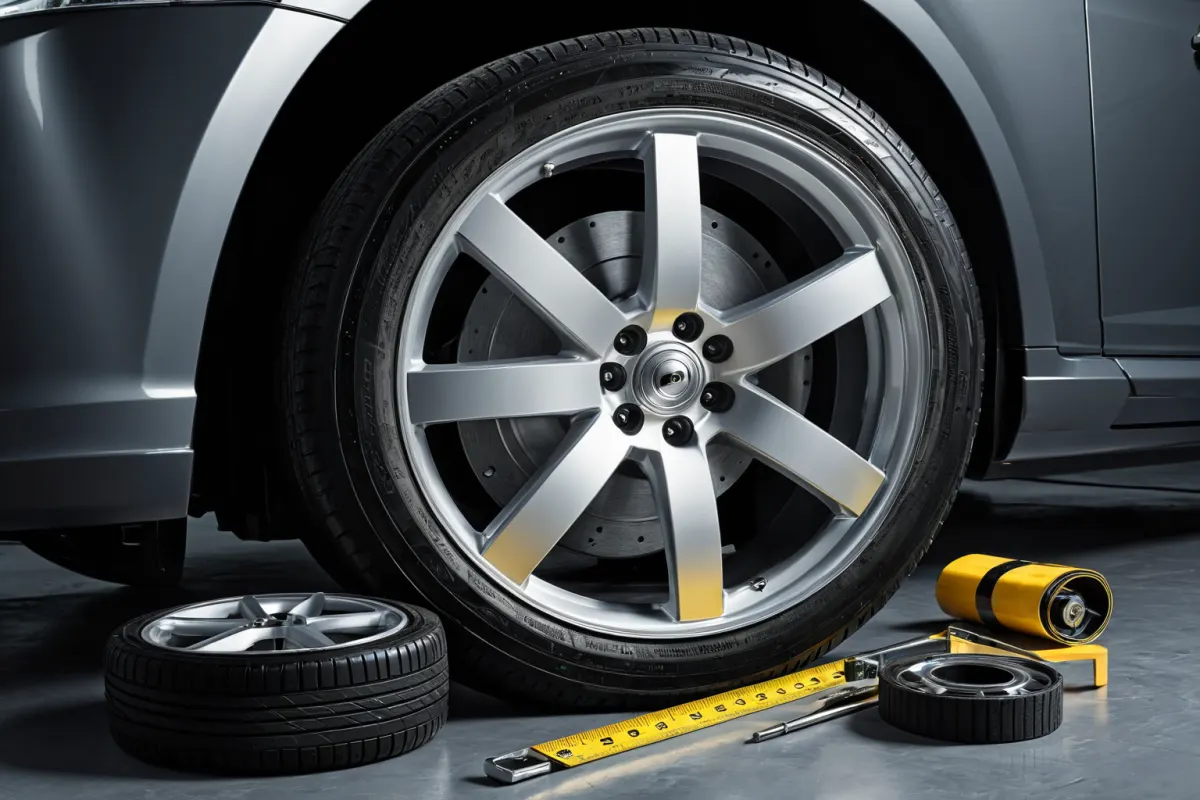
Inspect Both Compatibility and Condition Before Purchasing
Compatibility isn't the only factor—used wheels can have hidden issues like bends or cracks, even if they look intact. Always check for visible damage, deformation, repair history, and paint condition.
Start by looking for cracks and warping, especially on the inner rim area. If you see fractures or significant dents, it's safer to avoid those wheels. Thick paint might also hide scratches or repairs, so request both front and back photos from the seller. If possible, ask whether the wheel has been balanced checked.
For example, a wheel labeled "17 inches, 5-hole, PCD 114.3, offset 45" might still not fit due to differences in your hub bore or brake caliper interference. Always double-check with the seller using your vehicle details before finalizing the purchase.
Step-by-Step Guide for Beginners Choosing Used Wheels
To minimize mistakes, follow a clear sequence when selecting used wheels: First, confirm your car's original wheel specs and current tire size. Next, compare candidate wheels' inch size, width, PCD, center bore, and offset. Finally, factor in condition, price, and installation costs.
For instance, if your car uses 18-inch, 5-hole wheels, a matching inch size isn't enough—excessive width or incorrect offset will disqualify the option. Similarly, even if specs align closely, you might need a hub ring (a part that compensates for center bore differences). While not inherently bad, beginners should prioritize ease of installation and stability over convenience.
Also, consider total costs when buying tires alongside wheels. A used wheel may seem affordable, but additional expenses like tire replacement, balancing, removal/installation, and alignment can add up quickly. Always evaluate the overall cost—not just the wheel price—before deciding.
Common Mistakes Beginners Make When Buying Used Wheels
The most common error is prioritizing design over compatibility checks. Just because a wheel looks premium and in good condition doesn't mean it fits your vehicle—it could lead to costly returns or exchanges. Online transactions make this mistake more likely since buyers only see photos.
Another frequent oversight is assuming all 5-hole wheels are the same. Even with identical bolt counts, different PCD values can prevent proper installation. A center bore too small won't fit at all; one too large may require additional parts to stabilize it. Always verify exact specs—not just general descriptions.
Lastly, many skip thorough condition checks. Used wheels might have internal damage from prior use, so inspecting them in person (or requesting detailed photos) is essential. If a seller only sends a few pictures due to being busy, proceed with extra caution.
Used Wheels Can Be a Smart Choice When You Follow the Right Steps
When chosen carefully, used wheels offer cost savings without compromising on style or safety. But since they're critical for vehicle safety, compatibility must come first. Verify inch size, width, PCD, center bore, and offset before checking appearance or repair history.
To reduce failure risks, follow this sequence: "Confirm your car’s specs → Compare candidate wheel specs → Inspect condition → Calculate total cost." While it may seem complicated initially, mastering these steps once makes future decisions much simpler. For added confidence, consult a mechanic or wheel specialist with your vehicle details to recheck compatibility.
FAQs for Quick Reference
Q1: Are used wheels always riskier than new ones?
No—they can be a smart choice if they're in good condition and match your specs. Just verify no cracks, warping, or repair marks exist.
Q2: Is it okay to use a wheel with slightly different offset?
This depends on the vehicle model. Small differences might not cause issues, but significant variations could lead to brake interference or wheels protruding beyond the fenders. Stick to factory specifications for safety.
Q3: Can I safely buy used wheels online without seeing them in person?
You can, but it's not recommended for beginners. At minimum, confirm front/back photos, exact specs, and repair history. If possible, inspect the wheel personally before purchasing.
FAQ
Are used wheels always riskier than new ones?
No—they can be a smart choice if they're in good condition and match your specs. Just verify no cracks, warping, or repair marks exist.
Is it okay to use a wheel with slightly different offset?
This depends on the vehicle model. Small differences might not cause issues, but significant variations could lead to brake interference or wheels protruding beyond the fenders. Stick to factory specifications for safety.
Can I safely buy used wheels online without seeing them in person?
You can, but it's not recommended for beginners. At minimum, confirm front/back photos, exact specs, and repair history. If possible, inspect the wheel personally before purchasing.
Korean Source
This article is an English localization of a Korean-language report from BlogScore. Original: 중고휠 구매 전 호환성 확인 방법과 선택 조건 총정리