
How to Check and Prepare for Tomorrow's Air Pollution Forecast
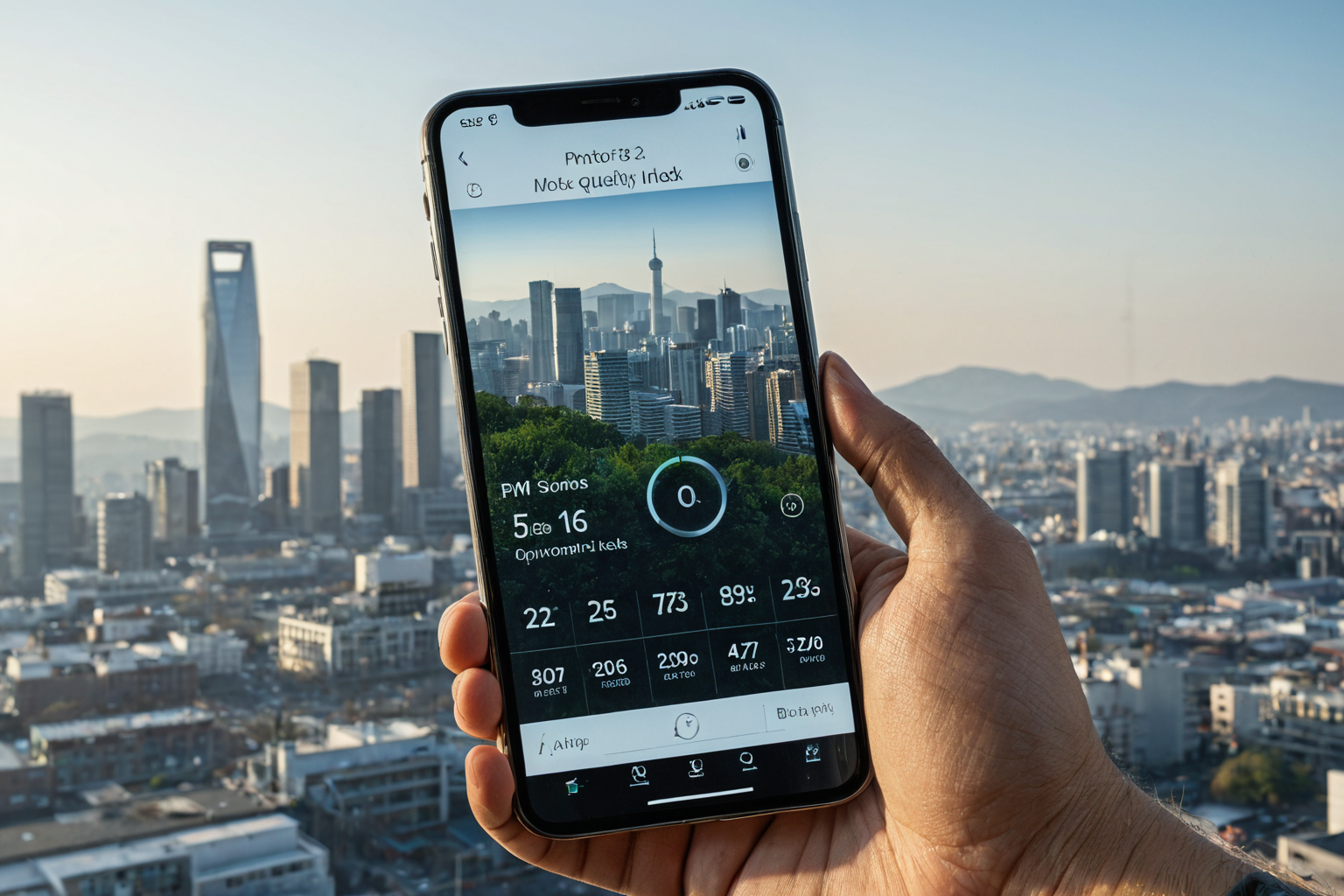
How to Check Tomorrow's Air Pollution Forecast
You can check real-time air pollution forecasts through the Korea Meteorological Administration (KMA), Ministry of Environment, and public institution apps. In areas forecasted to have 'poor' levels of fine particulate matter (PM2.5), such as Jeollanam-do, Gyeongsangnam-do, and Jeju Island, it is recommended to avoid going outside and wear masks. According to recent KMA reports, air pollution levels mainly fluctuate based on atmospheric circulation patterns and temperature changes, with yellow sand events in spring and high pollution levels in winter being the most severe conditions throughout the year. You can check detailed regional information on the KMA's 'Air Pollution Forecast' page, which also provides a nationwide map showing real-time concentration changes.
Apps and Services for Real-Time Forecasts
The Ministry of Environment publicly shares real-time fine particulate matter levels at subway stations. This service, implemented starting December 9, 2024, allows commuters to immediately check pollution levels while using public transportation. It is particularly available at major stations on Seoul Subway Lines 1 and 2, and detailed concentration data and forecasts can be viewed in the 'Air Quality Information' tab of the Ministry's app. This service helps reduce exposure to air pollution for public transport users, especially during rush hours when pollution levels tend to rise.
Seoul City has provided air quality and ozone alerts via Kakao Alarm since April 13, 2023. When air pollution is forecasted at 'poor' or 'very poor' levels, you can receive automatic notifications to help plan your outings in advance. This service is free for those who subscribe to the 'Seoul Air Pollution Alerts' channel on Kakao, and it provides detailed alerts based on specific air quality levels. For example, during a 'poor' level alert, it recommends avoiding outdoor activities and wearing masks; during a 'very poor' level, it encourages staying indoors as much as possible.
Precautions During High Pollution Levels
Spring yellow sand events and winter high pollution periods lead to increased respiratory issues. People with pre-existing conditions or allergies should be especially cautious, as fine particles tend to accumulate on the skin and in the eyes. Recent studies suggest that prolonged exposure to air pollution can trigger chronic respiratory illnesses and cardiovascular problems, making preventive measures essential for at-risk groups. Children and elderly individuals are particularly sensitive to air pollution, so wearing protective gear when going outside is recommended.
How to Manage Pollution Indoors
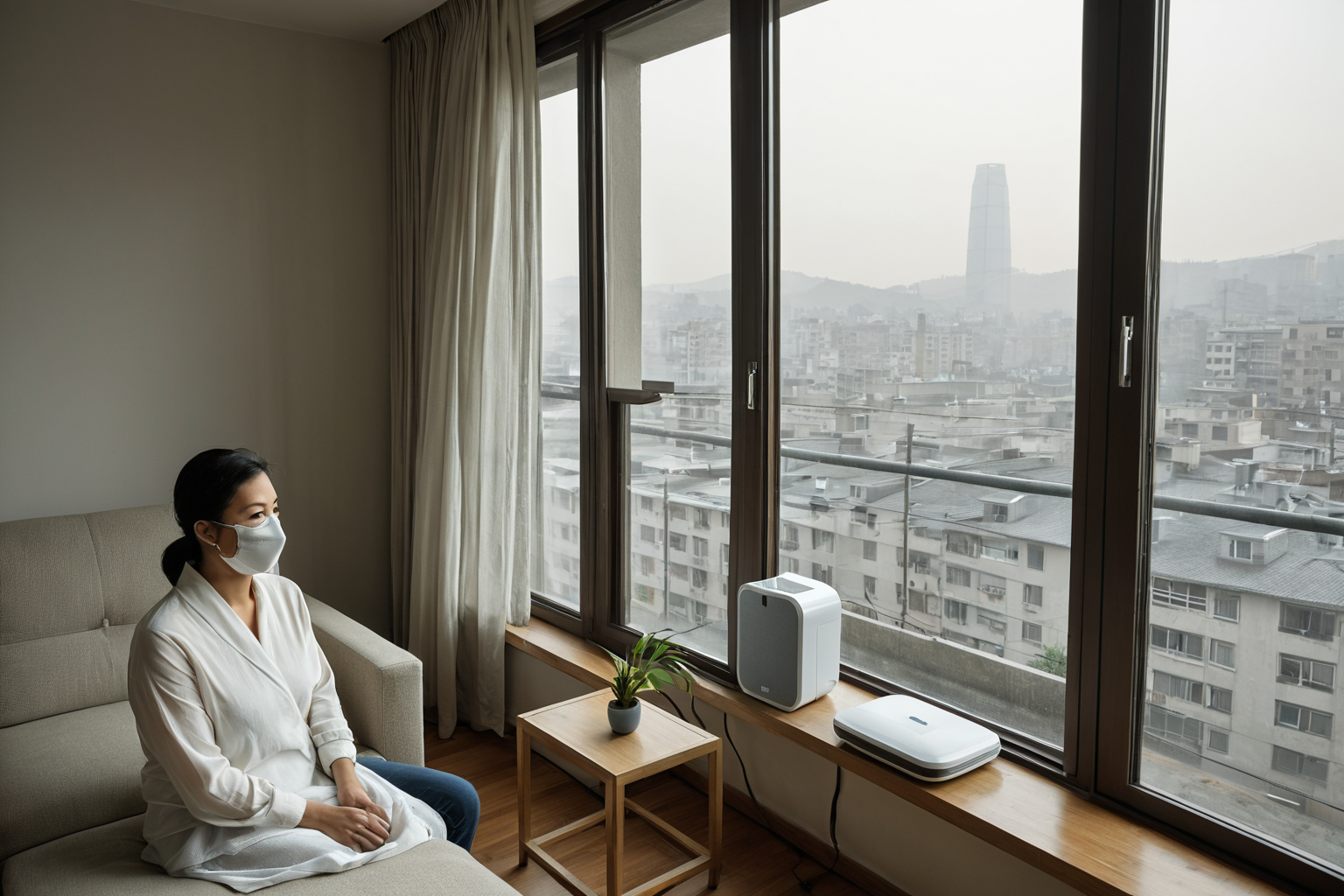
It's best to stay indoors on days with high air pollution levels. You can enhance respiratory protection by using air purifiers and wearing masks. Especially indoors, avoid opening windows frequently and regularly replace your air conditioning filters to prevent particle entry. Air purifiers are effective at removing fine particles like PM2.5 and work most efficiently in spaces under 30m². Additionally, indoor plants can help absorb pollutants, but be cautious of overwatering as it may lead to mold growth due to excess moisture.
If fine particles accumulate on your eyes, rinsing with water is the most effective method. Skin is also prone to pollution buildup, so washing your face immediately after going outside is recommended. Especially when pollution levels are 'poor,' it's best to wash your face within 10 minutes of returning indoors, using gentle cleansers to minimize skin irritation.
Protective Gear for Outdoor Activities
If you must go outside in areas with a 'poor' air quality rating, wear N95 or KF94 masks. Regular masks do not effectively block fine particles, so professional protective gear is recommended. N95 masks filter out 95% or more of particles 0.3 micrometers and larger, while KF94 masks meet the same standard. Proper fit is crucial for these masks to be effective, so adjust them to fit your face snugly.
Especially during spring yellow sand events, wear glasses to protect your eyes and wash clothes immediately after going outside to prevent particle buildup. Yellow sand can linger in the air for extended periods, making it advisable to increase indoor activities. When cycling or walking on roads with high pollution levels, consider avoiding those areas if possible.
National Air Pollution Forecast
Air pollution levels across South Korea are forecasted as 'good' or 'moderate,' with some regions expected to reach 'poor.' Areas forecasted for tomorrow's 'poor' level of fine particulate matter include Jeollanam-do, Gyeongsangnam-do, and Jeju Island. According to KMA forecasts, these areas are expected to see increased pollution due to changes in atmospheric circulation patterns. In particular, Jeollanam-do and Gyeongsangnam-do often experience higher concentrations as pollutants move northward from southern regions.
The Ministry of Environment provides real-time air pollution forecasts, working alongside the KMA to share accurate information. If pollution levels rise, you can receive instant notifications through related apps. For example, the Ministry's 'Real-Time Air Pollution Monitoring' app offers regional concentration data and 24-hour forecasts, with customizable alert settings.
Response Strategies and Safety Information
On high pollution days, increase indoor activities and wear protective gear when going outside. Children, elderly individuals, and those with pre-existing conditions are especially vulnerable to air pollution, so extra caution is needed. When pollution levels reach 'poor,' it's recommended to double the amount of time spent indoors and limit outdoor exposure as much as possible.
Air purifiers help reduce indoor pollution levels. They effectively remove fine particles like PM2.5, while indoor plants can aid in pollutant absorption but require careful watering to avoid mold growth from excess moisture. It's also important to minimize ventilation indoors and regularly replace air conditioning filters.
Key Information to Check
When checking air pollution forecasts, pay close attention to the following details: Air quality levels are categorized as 'good,' 'moderate,' 'poor,' or 'very poor,' with different response strategies for each level. While 'good' levels allow normal activities, it's recommended to avoid going outside and wear protective gear during 'poor' or higher categories.
Real-time forecasts can be checked through the KMA app, Ministry of Environment official website, and Seoul City Kakao Alarm service. If pollution is forecasted at a 'poor' level, it's best to limit outdoor activities and stay indoors. The KMA's 'Air Pollution Forecast' page provides detailed regional information and 24-hour changes, which you can use to plan your schedule accordingly.
Frequently Asked Questions
N95 masks are more effective at blocking fine particles than regular masks. During a 'poor' air quality rating, it's advisable to wear an N95 or KF94 mask.
If fine particles accumulate on your eyes, rinsing with water is the most effective method. Wearing glasses can help protect your eyes, and washing your face immediately after going outside is recommended.
Air purifiers are helpful for reducing indoor pollution levels. Using air purifiers or placing indoor plants to improve indoor air quality is beneficial.
You can view similar articles all at once.
View Related ArticlesFAQ
Are N95 masks more effective than regular masks?
Yes, N95 masks filter out 95% or more of particles 0.3 micrometers and larger, while regular masks do not effectively block fine particulate matter.
How should I handle pollution on my eyes?
Rinse your eyes with water immediately if fine particles accumulate. Wearing glasses can help protect your eyes during outdoor activities.
Do air purifiers help reduce indoor pollution?
Yes, air purifiers effectively remove fine particles like PM2.5 and work best in spaces under 30m². Indoor plants can also aid in pollutant absorption but require careful watering to avoid mold.
Korean Source
This article is an English localization of a Korean-language report from BlogScore. Original: 내일 미세먼지 예보 확인 방법과 대처법