
How to Calculate Protein Ratio for Diet Bento: A Practical Guide
Accurately calculating protein ratio is key to managing your diet. Properly adjusting protein intake can effectively reduce body fat while maintaining muscle mass. As seen in Song Gaye-yeon's 6kg weight loss case, bento boxes with higher protein ratios increase satiety during meals and reduce snacking urges. However, issues like high sodium content in convenience store bentos and inaccurate protein levels in chicken breast products make precise calculation even more important.
Basic Principles of Protein Ratio Calculation
In diet bento, the ideal protein ratio is 30% of total calories. For example, for a meal with 500 calories, protein intake should be approximately 37g (calculated based on 4 calories per gram). As demonstrated in Song Gaye-yeon's diet plan, properly adjusting this ratio can lead to a 6kg weight loss within two weeks.
The calculation process follows these steps: First set your total calorie goal, calculate protein's calorie percentage (30%), then divide that number by 4 to determine protein intake in grams. For example, for a 500-calorie meal, 150 calories would come from protein. Dividing 150 by 4 gives approximately 37.5g of protein.
Diet Bento Recipe: Practical Application
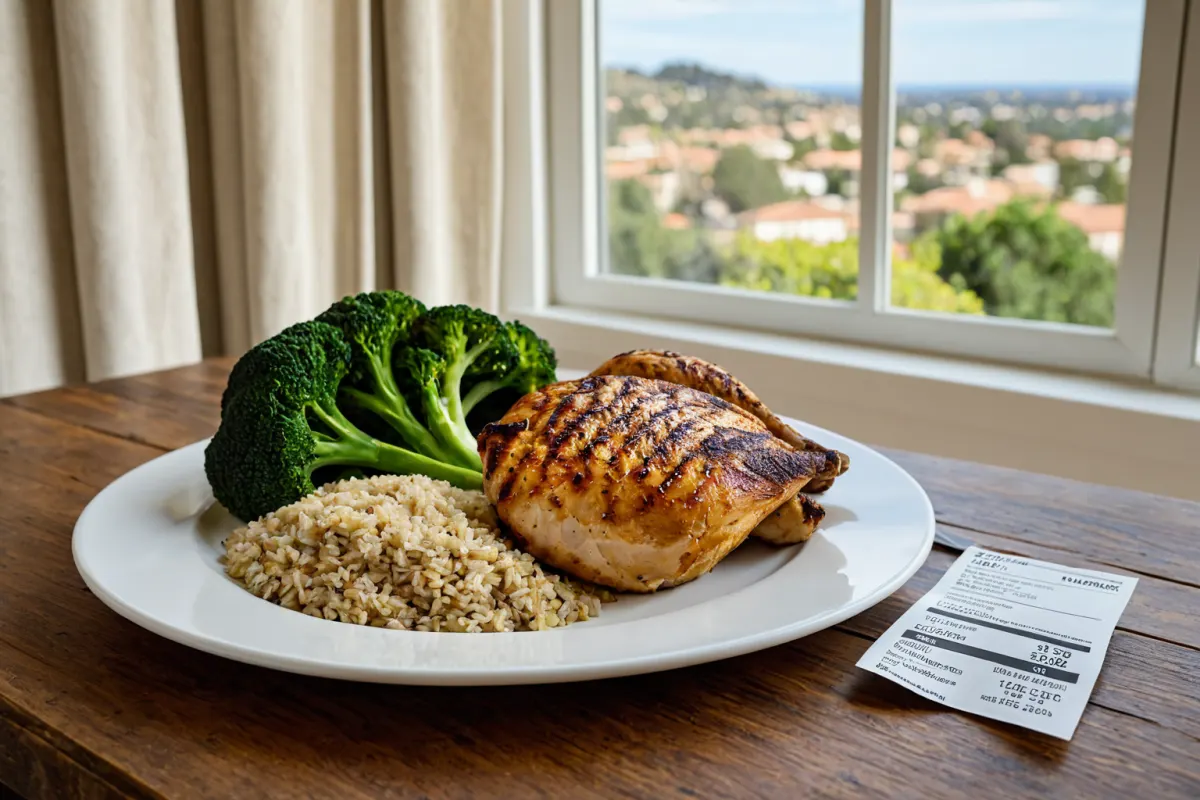
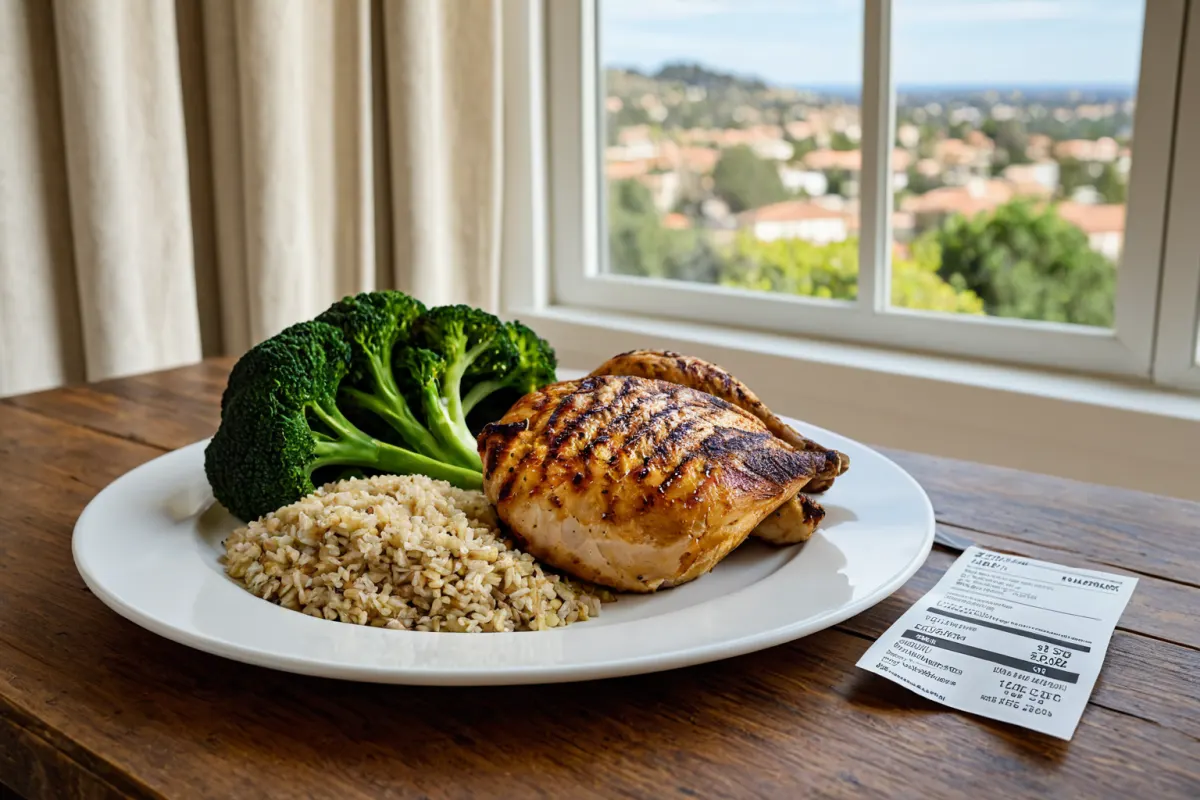
To accurately calculate protein ratio in actual cooking, consider combining chicken breast (100g = 31g protein), brown rice (100g = 5g protein), and vegetables (200g = 3g protein) for a single meal. This combination provides approximately 39g of total protein, making it suitable for a 500-calorie meal.
The diet bento brand 'Dakgoya' won first place in Korean customer satisfaction rankings for fitness meals due to its accurate protein ratio and low-sugar cooking method. Their single-meal bento contains approximately 299 calories with over 30% protein, while minimizing sodium content to support healthy management.
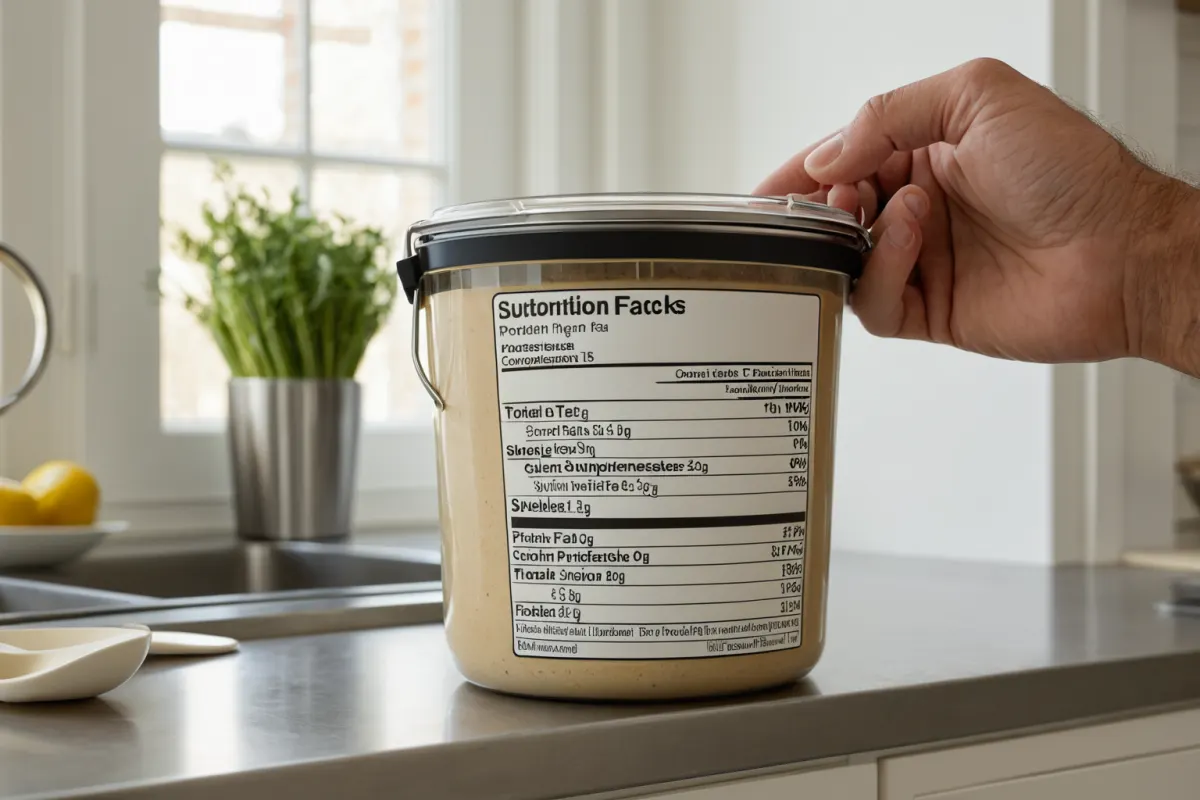
To avoid issues with convenience store bentos, preparing your own is recommended. For example, chicken breast typically contains about 31g of protein per 100g, but some products may show lower levels than advertised. Therefore, checking the nutritional label after purchasing directly is essential.
Nutritional Label Errors and High Sodium Warning
Convenience store bentos can contain up to 86% of daily sodium requirements. Consuming them with ramen increases risk of excessive sodium intake, requiring caution. Additionally, some chicken breast products have lower protein content than advertised, leading to disappointment for dieters.
The growing popularity of low-sugar bentos reflects changing consumer preferences for meal formulas. Diet bentos that balance low calories with taste and nutrition are particularly popular among office workers. This trend is possible through accurate protein ratio calculation supporting healthy diet management.
Following celebrity examples can be effective too. Song Gaye-yeon successfully lost 6kg in two weeks using a diet plan based on accurately calculated protein ratios. Similarly, Rosé and So-hee achieved weight loss success with meals that were 'full' of these carefully calculated portions.
Practical Methods for Calculating Protein Ratio
Calculating protein ratio is simple but requires accurate information. First set your meal calorie goal, then determine 30% as the protein percentage. For a 500-calorie meal, this means 150 calories from protein (approximately 37g when divided by 4).
Next, verify actual nutritional content of ingredients. Chicken breast provides about 31g protein per 100g, brown rice offers 5g per 100g, and vegetables provide about 2-3g. Adjust your combination to get close to the 30% ratio.
Convenience store bentos often have high sodium content that can burden health. Therefore, preparing your own is preferable. Brands like 'Dakgoya' are designed with low-sugar cooking methods and balanced protein ratios for optimal nutrition.
Trends in Diet Bento Popularity and Development
The diet bento market is growing rapidly. 'Dakgoya's' win as Korea's top customer satisfaction brand in fitness meal category reflects consumer preference for accurate protein ratios and low-sugar cooking methods. As seen in comparison articles of diet bentos sold on Market Kurly, consumers carefully check calories and nutritional content before choosing products.
Low-sugar bentos are changing the formula for single meals as they gain consumer attention. Diet bentos that combine low calories with taste and nutrition are particularly popular among office workers, thanks to their accurate protein ratio calculations.
Diet bento recommendations on Market Kurly cover everything from main meals to snacks. However, preparing your own allows you to confirm nutritional content precisely and calculate protein ratios for more effective diet management.
Warnings About Protein Ratio Calculation Errors
A key consideration when making diet bentos is potential nutritional label errors. Some chicken breast products contain less protein than advertised, leading to disappointment for dieters. Therefore, checking the nutritional label after direct purchase is essential.
Convenience store bentos can include up to 86% of daily sodium requirements, risking excessive intake when consumed with ramen. To avoid this, choose homemade bentos or select products with low sodium content by checking labels.
As seen in Song Gaye-yeon's 6kg weight loss case, accurately calculated protein ratios effectively support body fat reduction and muscle maintenance. Therefore, considering protein ratio calculation when preparing diet bento is essential.
Frequently Asked Questions
How do I accurately calculate protein ratio in diet bento? Protein ratio should be 30% of total calories. For a 500-calorie meal, this means approximately 37g of protein.
How can I address high sodium content in convenience store bentos? Choose homemade bentos or select products with low sodium content by checking nutritional labels. Convenience store bentos may contain up to 86% of daily sodium requirements.
Which diet bento brand has accurate protein ratios? 'Dakgoya' won first place in Korean customer satisfaction for fitness meals and is popular due to its accurate protein ratio and low-sugar cooking method.
What should I watch out for when calculating protein ratio in diet bento? Chicken breast products may contain less protein than advertised, so checking nutritional labels directly is necessary.
What role do vegetables and brown rice play in diet bento? Vegetables provide vitamins and minerals, while brown rice supplies carbohydrates to balance the meal. Both contribute to maintaining proper protein ratio calculation.
Frequently Asked Questions
Accurately calculating protein ratio in diet bento is essential for effective body fat reduction and muscle maintenance. Song Gaye-yeon's 6kg weight loss case demonstrates the effectiveness of properly adjusted protein ratios. Due to sodium content issues in convenience store bentos and nutritional errors in chicken breast products, preparing your own is recommended.
Protein ratio calculation is simple but requires accurate information. For a single meal with 500 calories, aim for approximately 37g of protein by combining chicken breast (100g = 31g), brown rice (100g = 5g), and vegetables (200g = 3g). This approach aligns with the successful method used by brands like 'Dakgoya'.
The growing popularity of low-sugar bentos shows consumers want healthy diet management. By accurately calculating protein ratios in homemade bentos, you can avoid excessive sodium intake and focus on body fat reduction and muscle maintenance.
You can view similar articles all at once.
View Related ArticlesFAQ
How do I accurately calculate protein ratio in diet bento?
Protein ratio should be 30% of total calories. For a 500-calorie meal, this means approximately 37g of protein.
How can I address high sodium content in convenience store bentos?
Choose homemade bentos or select products with low sodium content by checking nutritional labels. Convenience store bentos may contain up to 86% of daily sodium requirements.
Which diet bento brand has accurate protein ratios?
'Dakgoya' won first place in Korean customer satisfaction for fitness meals and is popular due to its accurate protein ratio and low-sugar cooking method.
What should I watch out for when calculating protein ratio in diet bento?
Chicken breast products may contain less protein than advertised, so checking nutritional labels directly is necessary.
What role do vegetables and brown rice play in diet bento?
Vegetables provide vitamins and minerals, while brown rice supplies carbohydrates to balance the meal. Both contribute to maintaining proper protein ratio calculation.
Korean Source
This article is an English localization of a Korean-language report from BlogScore. Original: 다이어트 도시락 조리법, 단백질 비율을 정확히 계산하는 방법