
How to Calculate National Pension Insurance Premiums and Use Automatic Calculation Sites
How National Pension Insurance Premiums Are Calculated
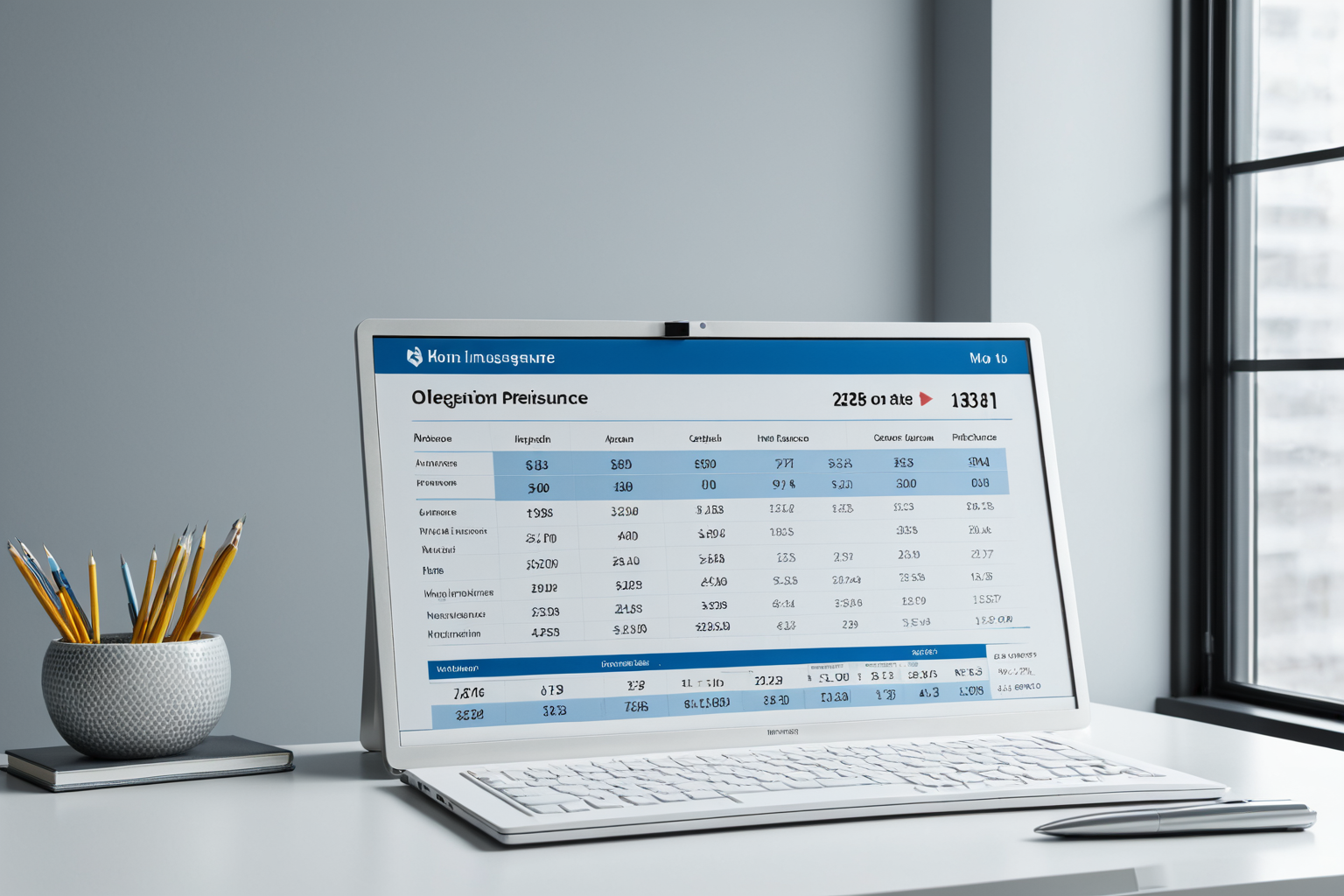
National pension insurance premiums are calculated at 9.5% of monthly income, with a standard rate of 285,000 won for those earning 3 million won per month. This is confirmed by the 10th National Retirement Security Panel Survey conducted by the National Pension Research Institute, showing that premiums are based on income levels.
The premium calculation is based on annual income, and even those earning below 3 million won must pay the minimum rate of 285,000 won per month. This minimum payment requirement applies regardless of income level, as it reflects the ceiling for national pension insurance premiums. Additionally, the national pension system calculates premiums annually, requiring all individuals with an annual income below 3 million won to pay this fixed amount.
Retirement age can be adjusted; delaying retirement until age 70 instead of 65 increases total lifetime benefits when adjusted for inflation. According to a Chosun Ilbo analysis, waiting until 70 to start receiving payments results in higher cumulative benefits after approximately 13 years and 11 months compared to starting at 65. However, delayed retirement benefits do not factor into survivor pensions, so family circumstances should be considered when making this decision.
How to Use the Automatic Calculation Site
The National Pension Service website offers an automatic calculation tool that allows users to check payment history and estimated benefit amounts. This is particularly useful for tax refund strategies after job changes during year-end tax settlements. As highlighted in SBS Biz's 'Tax Savings with Pensions' program, using the automatic calculator can help reduce tax burdens and increase total benefits received.
As of 2026, single households earning less than 247,000 won monthly or married couples earning under 395,200 won may qualify for basic pensions. Income recognition amount is calculated by summing employment/pension income and general/financial assets, according to the National Pension Research Institute's 10th National Retirement Security Panel Survey.
The national pension system remains application-based, with automatic payments expected within a short timeframe. This aligns with global trends toward 'digital welfare states,' where many countries are working to automate welfare benefit disbursements for greater convenience. This initiative aims to simplify the application process for basic pensions and national pensions, improving citizen accessibility.
Tax Savings Strategies
The average monthly pension payout is 600,000 won, covering only about 60-70% of the estimated monthly retirement living expenses (3.37 million won). This was discussed in an MBN Press Room LIVE program titled 'The Era of 3.5 Million Won Monthly Retirement Expenses.' To reduce tax and health insurance burdens, pension savings, IRP, and ISA products can be utilized.
ISA accounts offer tax exemption on profits up to 2 million won per year. However, investors should consider potential tax burdens (up to 49.5%) and increased health insurance premiums when investing in monthly dividend ETFs. These points were emphasized by MBN Press Room LIVE and SBS Biz reports. Specifically, financial income exceeding 20 million won annually is taxed at a maximum rate of 49.5%, while health insurance costs may increase if annual financial income surpasses 10 million won.
Checking Pension Amounts and Important Considerations
Pension amounts vary depending on when retirement begins, with delaying until age 70 resulting in higher cumulative benefits after approximately 13 years and 11 months. This was confirmed by a Chosun Ilbo analysis. However, the increased pension amount from delayed retirement does not factor into survivor pensions.
Those who served in the military may also qualify for enhanced national pension benefits. SBS Biz's 'Tax Savings with Pensions' program highlighted strategies to secure additional pension coverage starting at age 18 for those who have completed military service, providing a specific approach for veterans to maximize their pension benefits.
After changing jobs, tax refund strategies can be optimized by using the automatic calculation site to check payment history and expected benefit amounts. This was featured in SBS Biz's 'Tax Savings with Pensions' program.
Ranking Changes and Future Outlook
What is the basis for calculating national pension insurance premiums?
National pension insurance premiums are calculated at 9.5% of monthly income, with a standard rate of 285,000 won for those earning 3 million won per month.
Does delaying retirement increase benefit amounts?
Yes, delaying until age 70 increases cumulative benefits when adjusted for inflation.
What products can be used for tax savings?
Pension savings, IRP, and ISA can be utilized. ISA offers tax exemption on profits up to 2 million won per year.
You can view similar articles in one place.
View Related ArticlesFAQ
What is the standard monthly premium for national pension insurance?
The standard rate is 285,000 won per month for those earning 3 million won in monthly income.
How does delaying retirement until age 70 affect benefits?
Delaying retirement until 70 increases cumulative benefits after approximately 13 years and 11 months compared to starting at 65, adjusted for inflation.
What tax savings products are available for pension recipients?
Pension savings, IRP (Individual Retirement Plan), and ISA (Investment Savings Account) can be used. ISA offers tax exemption on profits up to 2 million won annually.
Korean Source
This article is an English localization of a Korean-language report from BlogScore. Original: 국민연금보험료계산 방법과 자동 계산 사이트 활용법