
How to Buy Used Refrigerators and TVs Together: Tips for Saving Money and Avoiding Costs
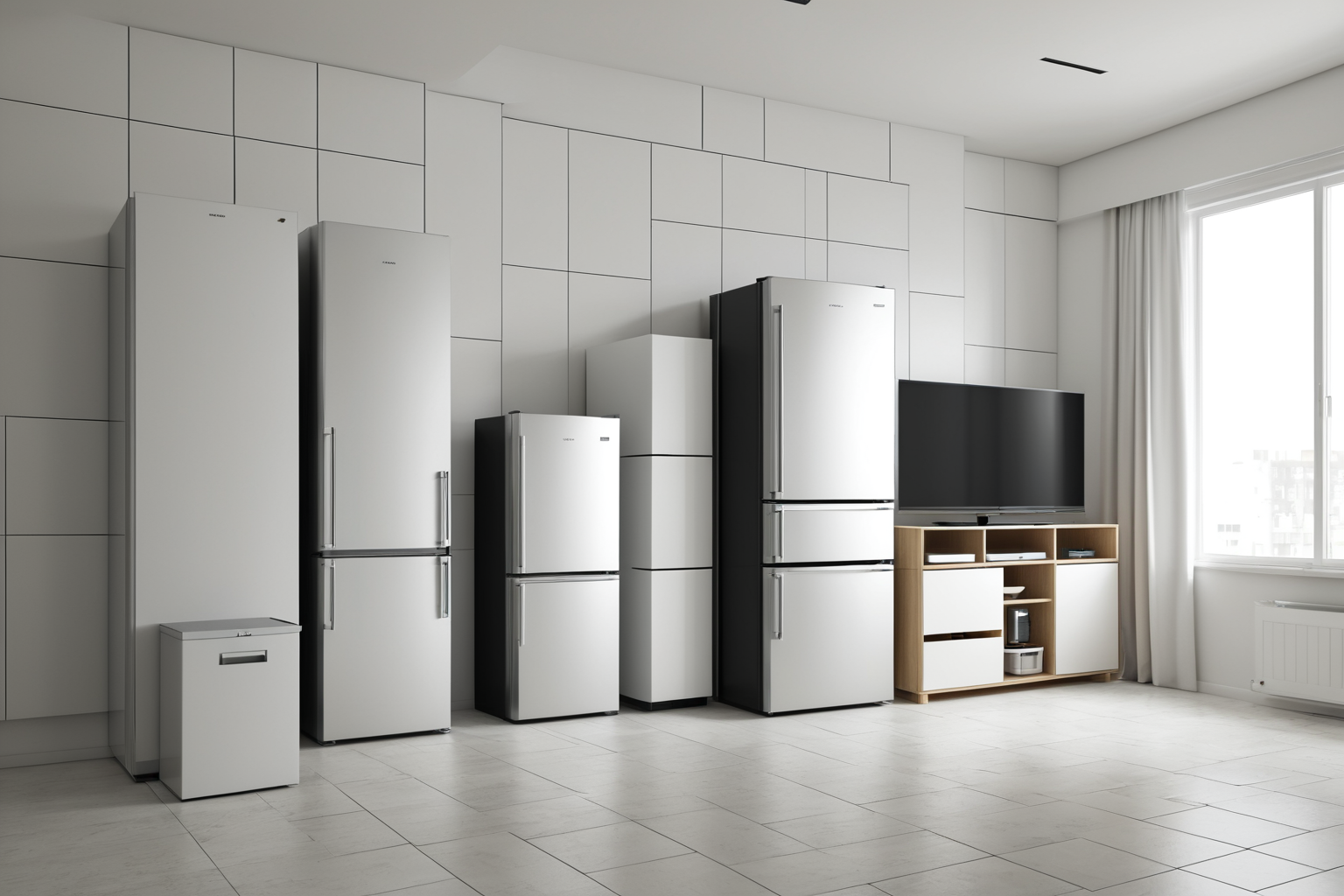
Purchasing a used refrigerator and TV together can significantly reduce initial costs compared to buying new appliances. This approach is especially practical when moving into a new home and needing to outfit your living space with essential electronics all at once. However, focusing only on the purchase price without considering delivery fees, installation charges, and potential repair risks could end up costing more.
For beginners, it's crucial to calculate the total cost rather than just the product price. Factors like condition, size, installation environment, and whether removal is possible all play a role in avoiding unnecessary expenses. This guide outlines key points to check when buying used refrigerators and TVs together, as well as practical ways to save money.
Key Points to Consider When Buying Used Refrigerators and TVs Together
The condition of secondhand appliances can vary greatly even for the same model. For refrigerators, cooling performance, noise levels, and door seal integrity are important; for TVs, screen uniformity, brightness consistency, and port functionality matter most. Even if an appliance looks good on the outside, internal components may have deteriorated, so relying solely on photos for decision-making is risky.
Another critical point is that refrigerators and TVs should be prioritized differently when purchasing. Since refrigerators directly impact daily life, performance verification should come first. For TVs, focus on size, picture quality, and suitability for your intended use—such as a 32-43 inch model being practical for a studio apartment or larger screens needed for living rooms. Current market prices and product specifications should be confirmed through the seller or official websites.
When searching for both items together, check whether they can be delivered on the same day to avoid separate delivery fees. Secondhand deals may seem cheap, but additional costs for moving and installation can add up quickly. Confirming details like elevator availability, entrance width, and stair access in advance helps prevent unexpected expenses.
Calculate Total Costs Before Purchasing to Avoid Budget Surprises
A common mistake beginners make is budgeting only for the product price. In reality, shipping fees, ladder truck costs, installation charges, removal fees, and whether old appliance pickup is included must all be factored in. Refrigerators are heavy and difficult to move manually, while TVs require professional handling due to breakage risks.
For example, if you see a refrigerator for 200,000 won and a TV for 150,000 won (totaling 350,000 won), additional costs like delivery (70,000 won), installation assistance (30,000 won), and accessories like power strips or mounts (20,000 won) could raise the total to 470,000 won. Conversely, choosing a better-condition refrigerator and opting for a slightly smaller TV within the same budget can lower overall spending.
Purchasing both items together has advantages too—coordinating with one seller once simplifies scheduling, and bundled delivery may reduce shipping costs. However, don't assume it's a discount; poor product condition could turn savings into losses, so prioritize value over price alone.
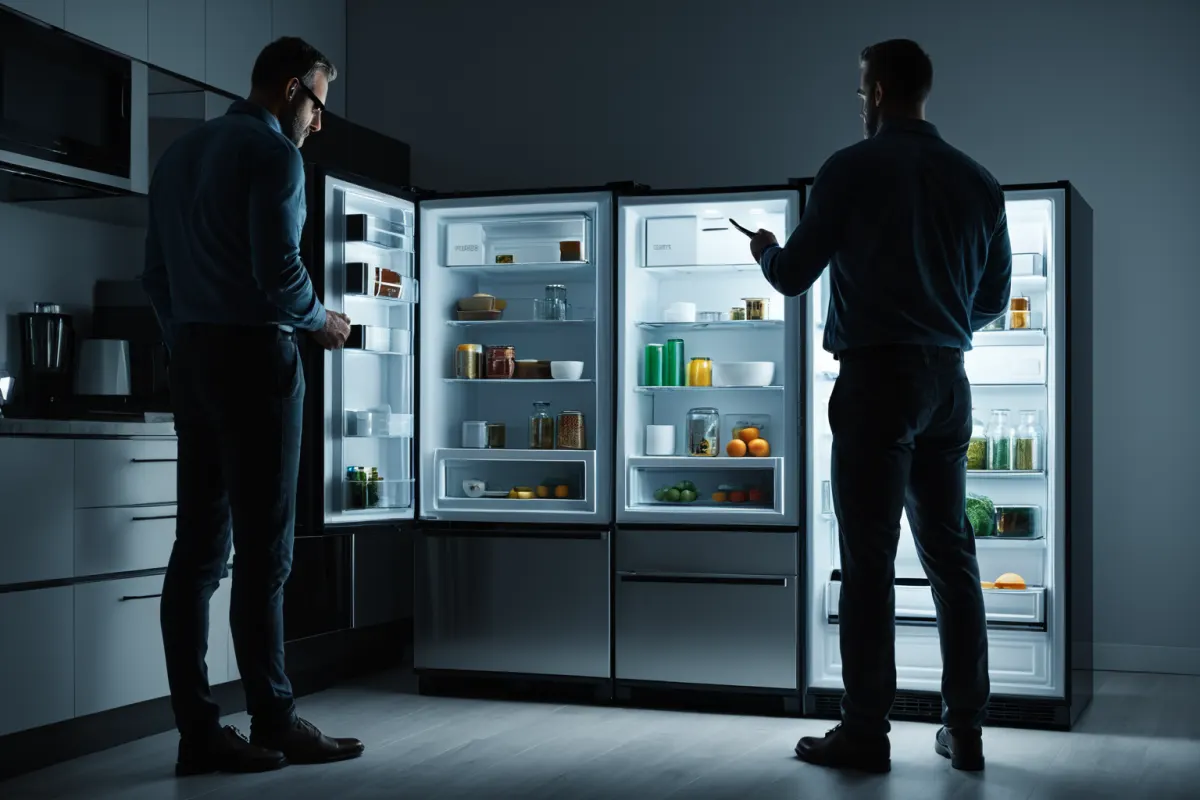
Check Refrigerators and TVs Separately Before Buying
For refrigerators, start by connecting power to verify proper cooling. Slow temperature changes in freezer or fridge compartments, or unusually loud motor noise, are red flags. Also check that the door seals tightly and shelves remain intact.
For TVs, screen condition is critical. After powering on, switch between bright and dark scenes to look for spots, stains, or streaks. Test HDMI ports, USB connectivity, and confirm if a remote control is included. Many secondhand TVs are sold without necessary cables or stands, leading to additional costs later.
For example, when moving into a studio apartment, choosing a refrigerator under 300 liters and a 32-inch TV can optimize space and cost. For larger living rooms, consider screens over 50 inches—but factor in installation space and viewing distance. Oversized products, even secondhand, may lead to higher maintenance costs and take up more room than needed.
Save Money by Choosing the Right Time and Transaction Method
Saving money isn't just about finding cheap items—it's also about timing and transaction methods. After moving seasons or during seasonal changes, secondhand listings often increase, expanding your options. However, popular models sell quickly, so act fast when you find something suitable.
Transaction method matters too. Direct transactions allow price negotiation but require personal inspection; delivery-based purchases are convenient but may include shipping fees. When buying both items together, compare whether to purchase from one seller for bundling or buy separately from different places. If better conditions can be found individually, buying apart might save money long-term.
Also ask about repair history and usage duration. For refrigerators, inquire how many years it was used and if recent refrigerant refills or part replacements occurred. For TVs, check for panel replacement history, burn-in issues, or whether wall mounting is feasible. These questions may seem tedious but prevent costly repairs down the line.
Common Mistakes Beginners Make When Buying Used Appliances
The most frequent error is deciding based solely on clean photos without checking internal condition. Even if a refrigerator or TV looks good externally, internal performance can vary greatly—refrigerators are sensitive to usage environment, and defective panels in TVs often lead to expensive repairs.
A second common mistake is buying without measuring your space first. Refrigerators require clearance for door opening and surrounding space; TVs need compatible mounts or wall brackets. For example, a fridge larger than your entrance width may prevent delivery, and an oversized TV could cause discomfort from being too close during viewing.
The third error involves overlooking accessories and consumables like power cords, remotes, mounts, cables, and power strips. These missing items lead to extra costs later, so confirm exactly what's included before purchasing and factor in any missing parts' prices.
Summary: Focus on Total Cost and Condition When Buying Used Refrigerators and TVs
When buying used refrigerators and TVs together, don't just look at the product price—include delivery, installation, accessories, and disposal fees in your calculation. For refrigerators, prioritize cooling performance and noise; for TVs, focus on screen condition and port functionality. Since each item has different checklists, inspect them separately to reduce failure risk.
Beginners should choose based on suitability for their space and long-term usability rather than just price. Optimal size, verified condition, clear accessory inclusion, and predictable delivery terms will help you fully benefit from secondhand shopping. Always double-check current prices, delivery policies, and product specifications with the seller or manufacturer's official website.
FAQ: Common Questions About Buying Used Refrigerators and TVs
Q1. Is buying used refrigerators and TVs together always cheaper?
A1. Not necessarily. While the purchase price may seem low, added delivery and installation fees could make it more expensive overall. Always compare total costs first.
Q2. What should I check first when buying a used refrigerator?
A2. Verify proper cooling performance, noise levels, and door seal tightness. If possible, test the unit by powering it on before purchasing.
Q3. What’s most important when buying a used TV?
A3. Check for screen defects, port functionality, and whether a remote control is included. Don't just focus on size—consider installation space and viewing distance too.
FAQ
Is buying used refrigerators and TVs together always cheaper?
Not necessarily. While the purchase price may seem low, added delivery and installation fees could make it more expensive overall. Always compare total costs first.
What should I check first when buying a used refrigerator?
Verify proper cooling performance, noise levels, and door seal tightness. If possible, test the unit by powering it on before purchasing.
What’s most important when buying a used TV?
Check for screen defects, port functionality, and whether a remote control is included. Don't just focus on size—consider installation space and viewing distance too.
Korean Source
This article is an English localization of a Korean-language report from BlogScore. Original: 중고냉장고와 TV를 같이 살 때 주의할 점과 비용 절약 방법