
How to Best Observe the Perseid Meteor Shower in Dark Locations
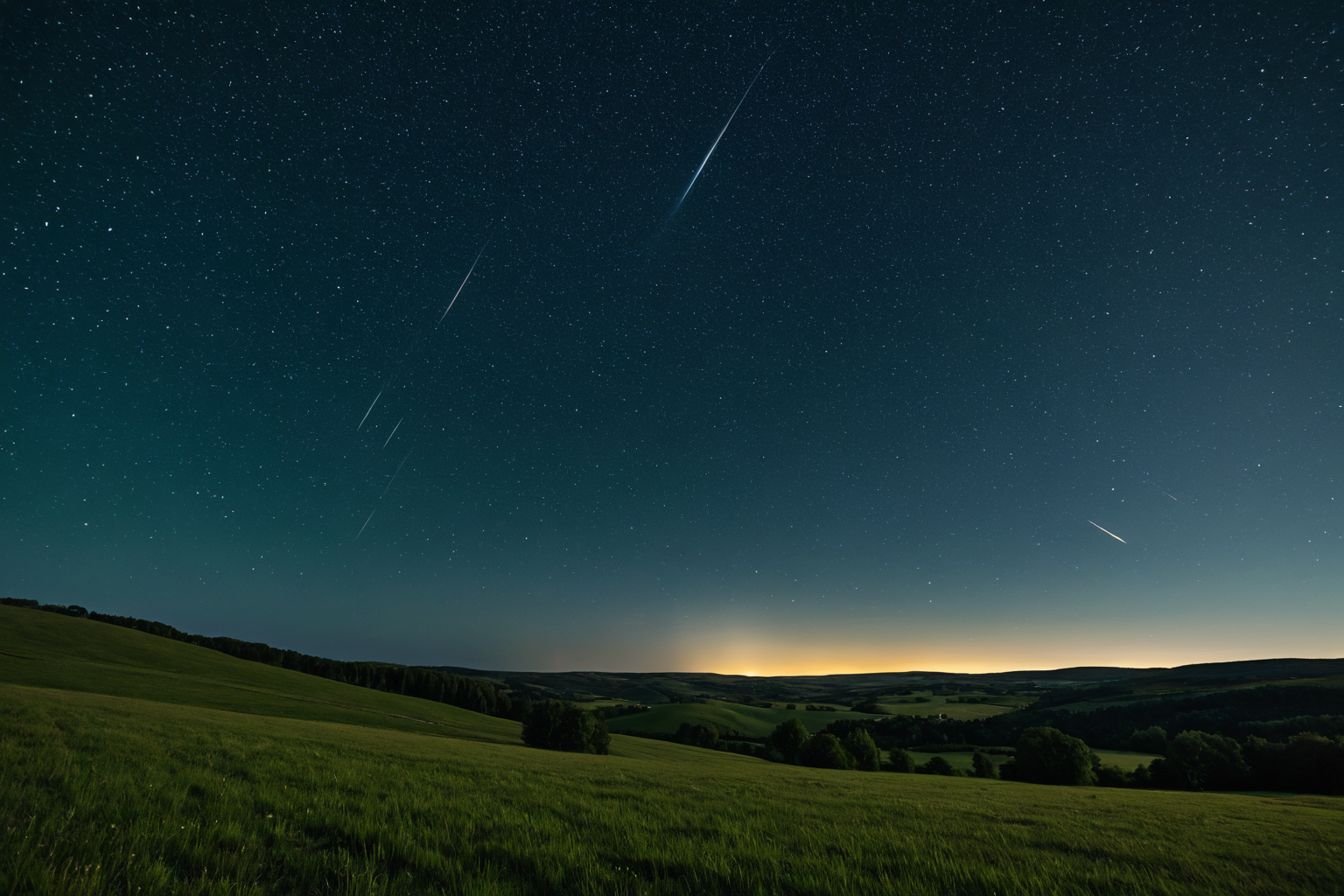
Perseid Meteor Shower Viewing Period and Optimal Conditions
The Perseid meteor shower is visible annually from late July to mid-August, with its peak occurring between the evening of August 12 and early morning of August 13, 2026. Observing in dark locations allows for clearer visibility of meteors, especially when coinciding with a new moon (when the moon is not visible), which provides optimal viewing conditions. The shower appears most prominently in the northern sky between 9 PM and 4 AM.
Advantages of Observing in Dark Locations
Viewing the Perseid meteor shower from dark locations is essential for clear visibility. Bright moonlight can obscure meteors, so it's best to observe during a new moon period when the moon isn't visible. The period from August 12 to early morning of August 13, 2026, coincides with both the peak and new moon phase, making it an ideal time for observation.
Choosing Viewing Time and Location
The Perseid meteor shower is best observed between 9 PM and 4 AM. For optimal viewing, choose outdoor locations with unobstructed views toward the northern sky. Clear skies without clouds significantly increase the chances of successful observation.
Relationship Between Moonlight and Viewing Conditions
Moonlight can interfere with meteor shower observations when a 'new moon' (when the moon is not visible) occurs. This is because bright moonlight obscures the faint glimmer of meteors. From August 12 to early morning of August 13, 2026, the new moon phase aligns with the peak period, creating dark skies ideal for viewing.
Preparation Before Observation
To enhance observation, minimize surrounding light sources. Allow your eyes 15-30 minutes to adjust to darkness before starting. Bring a portable chair or mat to avoid standing for extended periods. Check weather forecasts and postpone observations if clouds are expected.
Important Considerations During Observation
When observing the meteor shower, be mindful of your surroundings. It's recommended not to observe alone in dark areas for safety reasons. Limit observation time to short intervals to avoid physical fatigue. Also, during moonless periods, even minimal surrounding light can be noticeable, so minimize it as much as possible.
Tips to Increase Observation Success Rate
The Perseid meteor shower is easier to observe in the northern sky. Directing your gaze toward the north will help you spot more meteors. Allow about 20 minutes for your eyes to adjust to darkness before starting observation.
Peak Period Information for the 2026 Perseid Meteor Shower
The peak period of the Perseid meteor shower in 2026 will be from the evening of August 12 to early morning of August 13. During this time, there will be no moonlight, creating dark skies ideal for observing meteors falling from the northern sky. The most optimal viewing window is between the evening of August 12 and early morning of August 13.
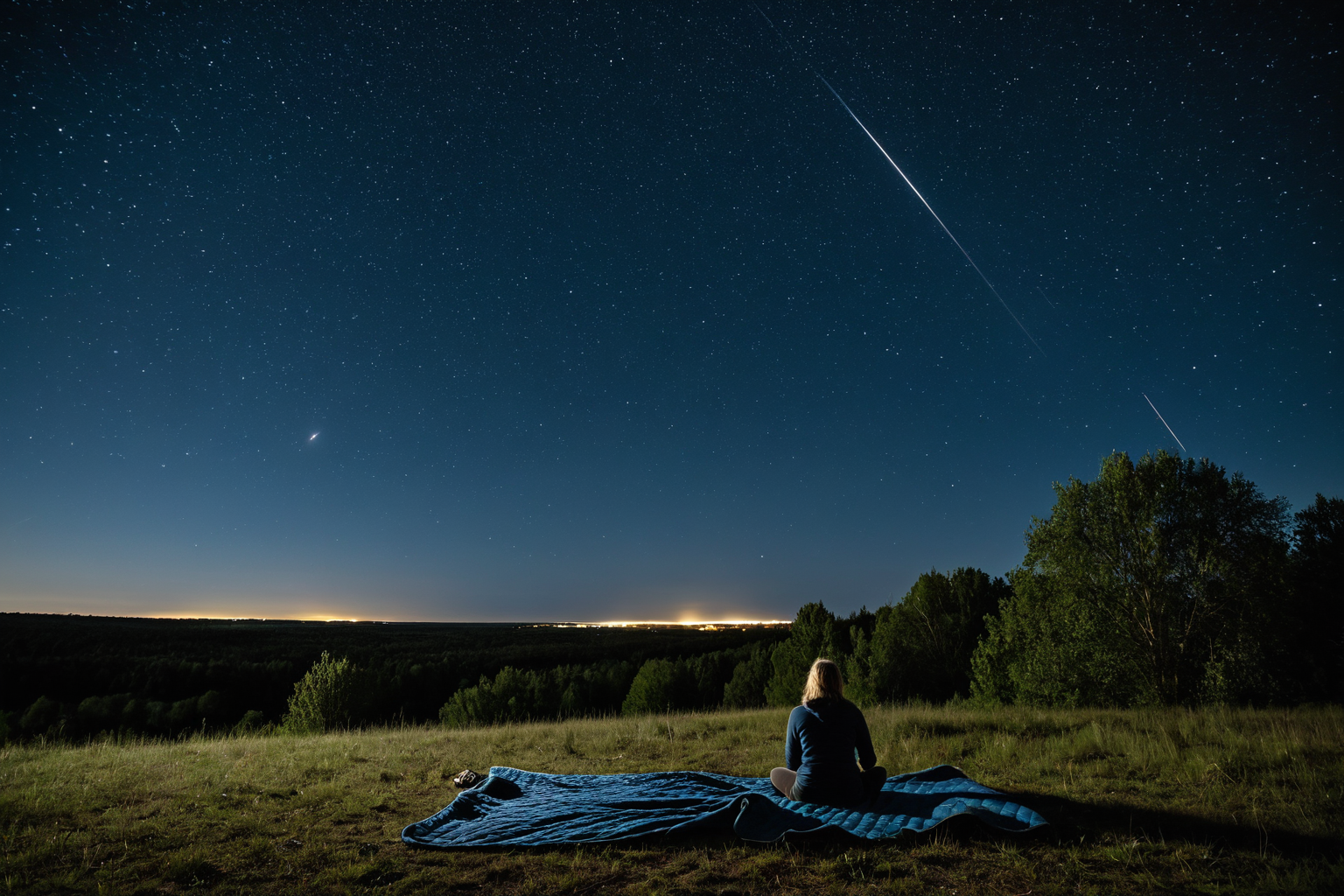
Optimizing Viewing Environment
To observe the Perseid meteor shower in dark locations, choose a time when there is no moonlight. The new moon period (when the moon is not visible) occurs around August 12-13, 2026, providing ideal conditions for viewing.
Viewing Time and Weather Forecast
The best time to observe the Perseid meteor shower is between 9 PM and 4 AM. This period corresponds with when meteors are most active in the northern sky. Checking weather forecasts before observing ensures clear skies without clouds.
Location Selection Tips
Choose open areas like rural regions or walking paths with unobstructed views for optimal observation. To avoid light pollution from cities, select outdoor spaces with minimal surrounding lighting. Bring a chair or mat for comfort during extended viewing sessions.
Enjoying and Documenting After Observation
After observing the meteor shower, recording the number and location of meteors can help preserve memories. While photography requires a camera and tripod, direct observation with the naked eye is often more effective. If you notice many meteors during your observation, check if your surroundings are sufficiently dark.
Understanding Viewing Periods Accurately
The Perseid meteor shower is visible annually from late July to mid-August, with its peak occurring between August 12-13. This period offers optimal conditions as it coincides with moonless nights and dark skies. The year 2026 provides particularly favorable conditions for observation.
Additional Tips for Successful Observation
Allowing your eyes to adjust to darkness takes approximately 15-30 minutes before observing, which significantly improves visibility. Minimize surrounding light and face northward during observation. The key to successful observation is timing it with a moonless period on clear nights.
Post-Observation Considerations
After observation, remain aware of your surroundings, especially in dark areas where prolonged stays may pose safety risks. To avoid physical fatigue, focus observations during shorter time intervals.
Frequently Asked Questions
When can the Perseid meteor shower be observed? The peak period is from the evening of August 12 to early morning of August 13, 2026. During this time, there will be no moonlight, providing ideal viewing conditions.
Why is observing in dark locations important? Bright moonlight can obscure meteors, making it harder to see them clearly. Observing in dark areas allows for clearer visibility of the meteor shower.
What is the best time to observe the Perseid meteor shower? The best viewing window is between 9 PM and 4 AM. Facing north during this period will help you spot more meteors.
Frequently Asked Questions
The optimal conditions for observing the Perseid meteor shower include dark locations with no moonlight, specifically during the new moon phase from August 12-13, 2026. The best viewing time is between 9 PM and 4 AM, facing northward. Ensure clear skies without clouds and minimize surrounding light to allow your eyes to adjust to darkness.
You can find similar articles on this topic in one place.
View Related ArticlesFAQ
When can the Perseid meteor shower be observed?
The peak period is from the evening of August 12 to early morning of August 13, 2026. During this time, there will be no moonlight, providing ideal viewing conditions.
Why is observing in dark locations important?
Bright moonlight can obscure meteors, making it harder to see them clearly. Observing in dark areas allows for clearer visibility of the meteor shower.
What is the best time to observe the Perseid meteor shower?
The best viewing window is between 9 PM and 4 AM. Facing north during this period will help you spot more meteors.
Korean Source
This article is an English localization of a Korean-language report from BlogScore. Original: 어두운 곳에서 페르세우스 유성우를 더 잘 관측하는 방법