
How to Assess Cat Food Safety: A 7-Point Checklist
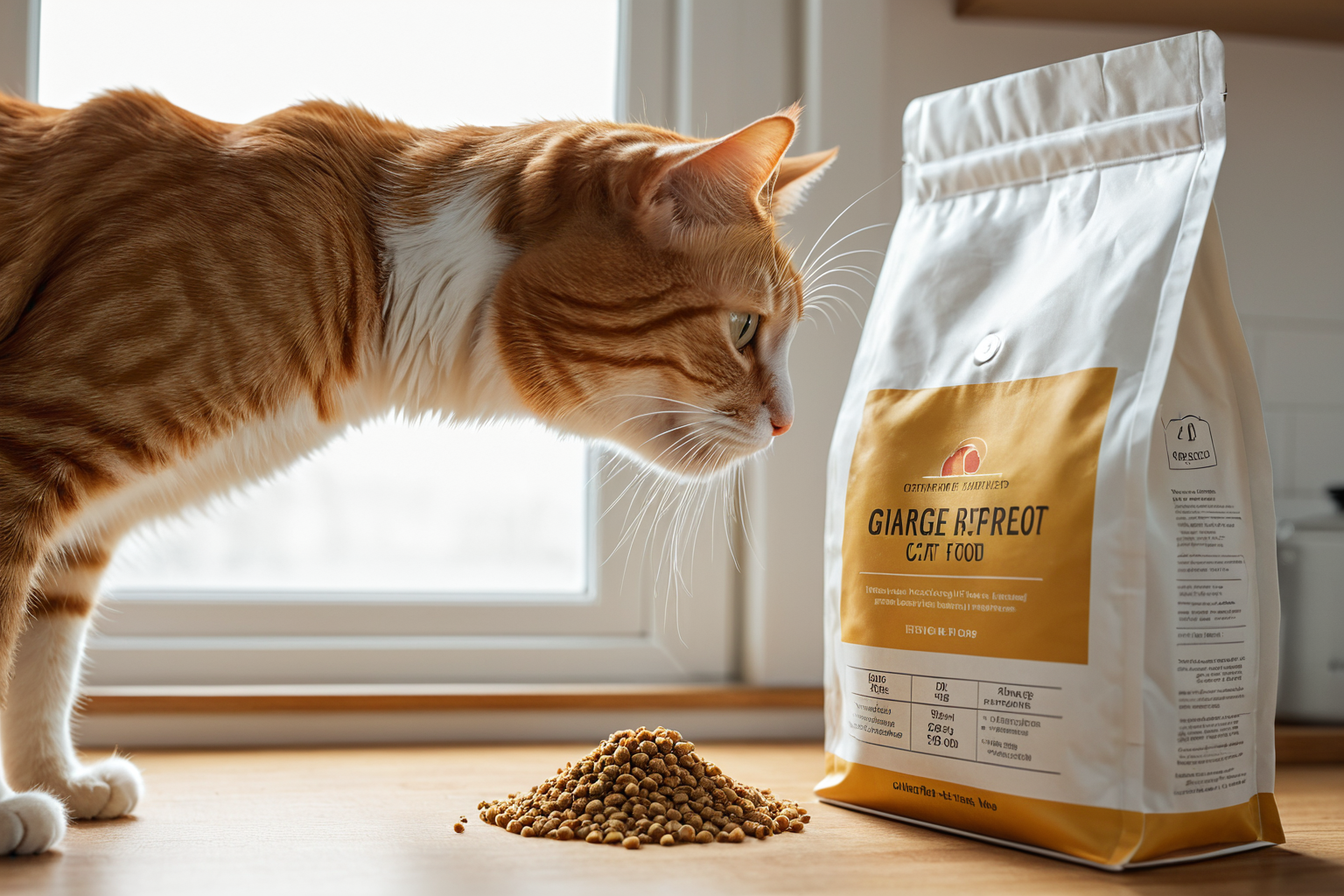
How to Assess Cat Food Safety: A 7-Point Checklist
To determine the safety of cat food, it's essential to check seven key factors. Recently, the Rural Development Administration (RDA) developed a new technology that simultaneously analyzes nutrition and toxins, allowing for 1000 times more precise feed testing. This marks a significant shift in managing cat food safety.
Check Ingredients: Avoid Meat By-Products
Avoid cat foods containing meat by-products. Some products use by-products from processing, which can be harmful to cats' health. Specifically, meat by-products often have inconsistent nutrients and a higher risk of toxic substances being mixed in.
Be Cautious About Preservatives
Preservative-free cat foods may still pose safety concerns. Without preservatives, products are more prone to spoilage during long-term storage, making freshness management even more critical. Therefore, when choosing preservative-free options, always check the manufacturing date and expiration date.
New 'Complete Feed' Labeling System Coming in 2028
Starting in 2028, a new standard for 'complete feed' will be fully implemented. This policy strengthens nutrition and toxin management for cat food, addressing the current lack of comprehensive pet feed regulations in South Korea.
Larger online shopping platforms will mandate unit price display starting July 2025. This aims to make it easier for consumers to compare prices, allowing them to consider nutritional content relative to cost when choosing cat food.
Regulatory Gaps and International Brands
South Korea currently lacks a specific pet feed law, resulting in insufficient safety standards. As a response, some international brands have introduced products adhering to stricter standards. For example, German brand 'Dr. Claunder' launched four cat food varieties in South Korea in February 2024.
A proposed 'Pet Feed Safety Management Act' aims to strengthen residue pesticide testing for pet foods, following the recent cat neuromuscular disease incident. To date, claims about cat food containing mouse brain components have been confirmed as false.
Key Considerations When Choosing Cat Food
When selecting cat food, be sure to check these points: First, review the nutritional label. Second, determine if meat by-products are used. Third, recognize that preservative-free products require careful freshness management. Fourth, consider upcoming changes before 2028 when the 'Complete Feed' labeling system will take effect.
The cat food market continues to grow, with projections indicating expansion through 2034. This makes safety management increasingly important. The government plans to introduce a 'Pet Food Nutritional Standard' in April 2026, aiming to improve product quality and safety.
Key points for choosing safe cat food: First, avoid meat by-products listed on the ingredient list. Second, check manufacturing date and expiration date for preservative-free products. Third, use unit price comparisons (per 100g) available on major online platforms starting July 2025. Fourth, consider international brands with strict standards before the 'Complete Feed' labeling system takes effect in 2028.
Currently, South Korea's lack of legal regulation for cat food means consumers must rely on their own judgment to assess safety. The RDA's new simultaneous nutrition-toxin analysis technology enables 1000 times more precise testing, so until this technology is widely applied, careful selection remains important.
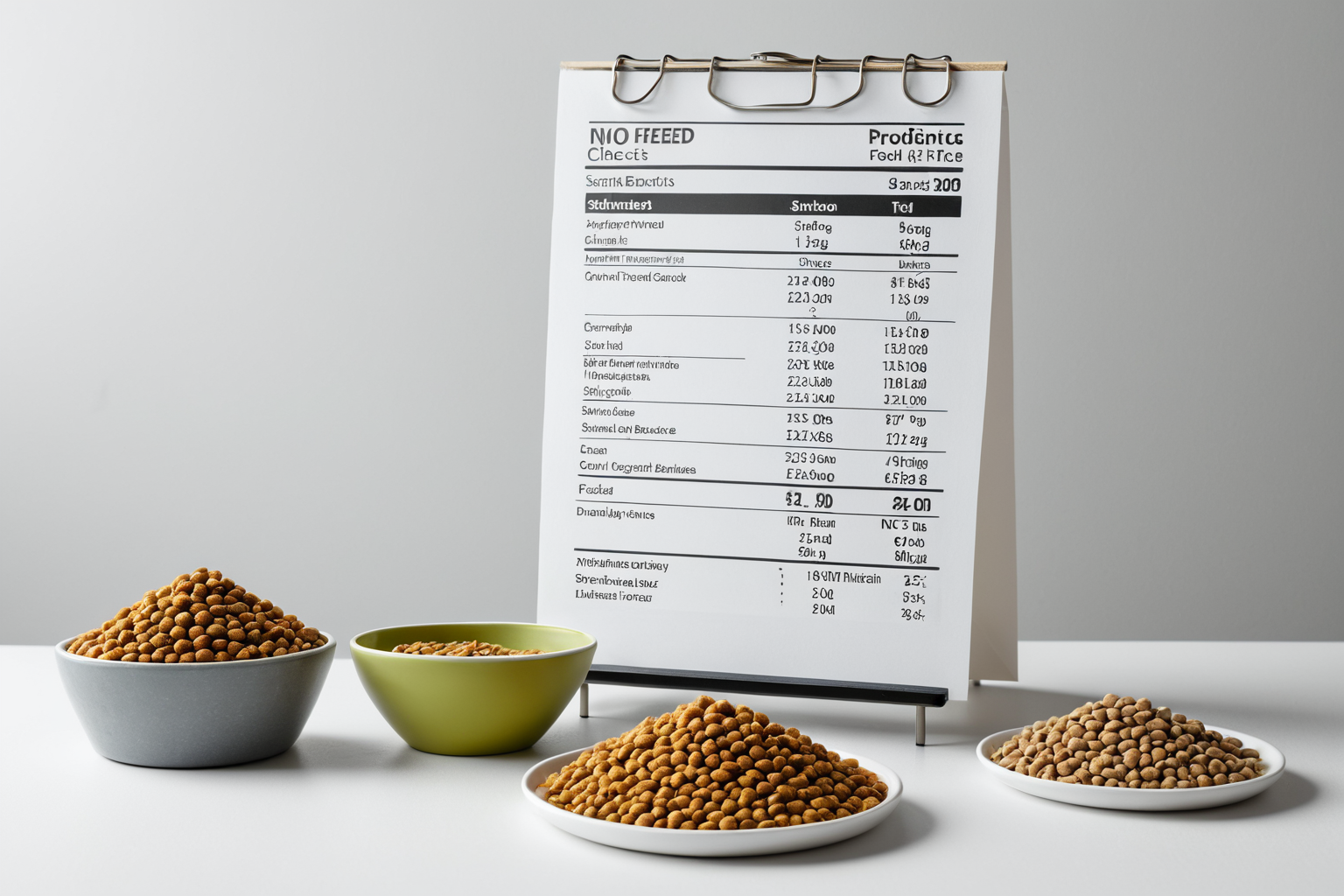
Laws and Regulations for Cat Food Safety
The government plans to introduce a 'Pet Feed Nutritional Standard' in April 2026. This will establish clear nutritional guidelines for cat and dog food, marking the first step toward improved safety management. Starting January 1, 2028, the 'Complete Feed' standard will be fully implemented, providing comprehensive management of both nutrition and toxins in pet food.
Major online shopping platforms will mandate unit price display starting July 2025, showing prices per 100g to help consumers compare costs relative to nutritional content more easily.
Pesticide Residue Testing for Pet Food
Rigorous pesticide residue testing is conducted on pet food as part of ensuring cat health. Thanks to technological advancements by the Rural Development Administration (RDA), this testing has become increasingly accurate.
A proposed 'Pet Feed Safety Management Act' aims to strengthen pesticide residue testing and toxin management, contributing to better protection for cats following recent neuromuscular disease incidents in cats.
Safe Cat Food Selection Guide: 7-Point Checklist
To choose safe cat food, follow this seven-point checklist:
- Check Ingredient List: Always verify whether meat by-products are used.
- Preservative Status: Be aware that preservative-free products require careful freshness management.
- Nutritional Standards: Confirm nutritional standards according to the upcoming 'Complete Feed' labeling system.
- Unit Price Comparison: Use the per 100g price displayed on major online platforms for comparison.
- Domestic vs International Brands: Consider international brands with strict standards due to South Korea's lack of pet feed regulations.
- Manufacturing Date & Expiration: Check freshness especially for preservative-free products.
- Regulatory Updates: Stay informed about the proposed Pet Feed Safety Management Act and related developments.
Frequently Asked Questions
What happens if cat food contains meat by-products?
Meat by-products often have inconsistent nutrients and a higher risk of toxic substances, potentially harming cats. It's best to avoid them based on the ingredient list.
Are preservative-free cat foods safe?
Preservative-free options require careful freshness management as they're more prone to spoilage. Always check manufacturing date and expiration dates.
When will the 'Complete Feed' labeling system start?
The 'Complete Feed' standard will be fully implemented starting January 1, 2028, strengthening nutrition and toxin management for cat food products.
Frequently Asked Questions
Evaluating cat food safety has become more precise due to the RDA's new technology, while remaining cautious about current regulatory gaps. Consumers can assess safety by checking ingredient lists, avoiding meat by-products, understanding preservative status, and monitoring upcoming legal changes through 2028. The mandatory unit price display on major online platforms since July 2025 makes it easier to compare cost versus nutritional content.
When choosing cat food, consider South Korea's regulatory gaps regarding safety standards, and look to international brands with strict criteria. Future government actions include introducing a pet feed nutritional standard in April 2026 and fully implementing the 'Complete Feed' standard by 2028 to further enhance safety.
Explore more articles on similar topics.
View Related ArticlesFAQ
What happens if cat food contains meat by-products?
Meat by-products often have inconsistent nutrients and a higher risk of toxic substances, potentially harming cats. It's best to avoid them based on the ingredient list.
Are preservative-free cat foods safe?
Preservative-free options require careful freshness management as they're more prone to spoilage. Always check manufacturing date and expiration dates.
When will the 'Complete Feed' labeling system start?
The 'Complete Feed' standard will be fully implemented starting January 1, 2028, strengthening nutrition and toxin management for cat food products.
Korean Source
This article is an English localization of a Korean-language report from BlogScore. Original: 고양이 사료 안전성 판단법: 7가지 필수 체크리스트