
How to Apply for Compensation After Ukraine Bombing Damage
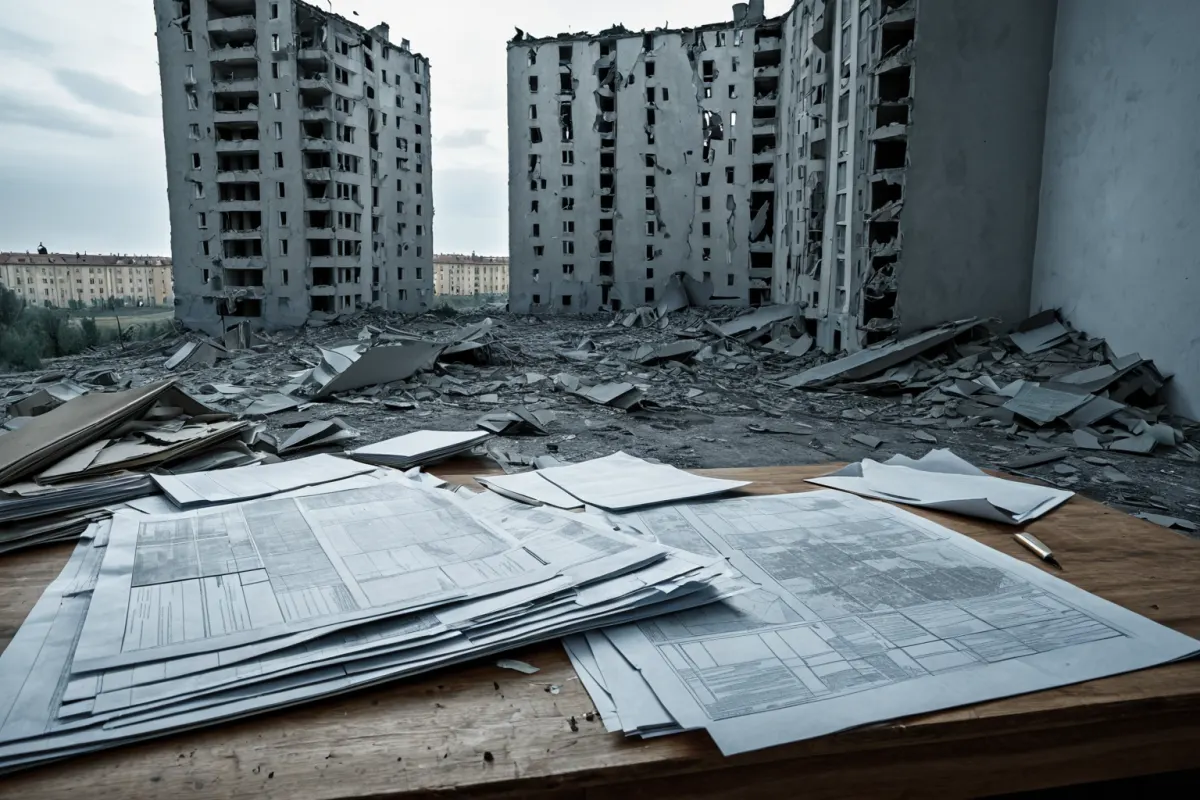
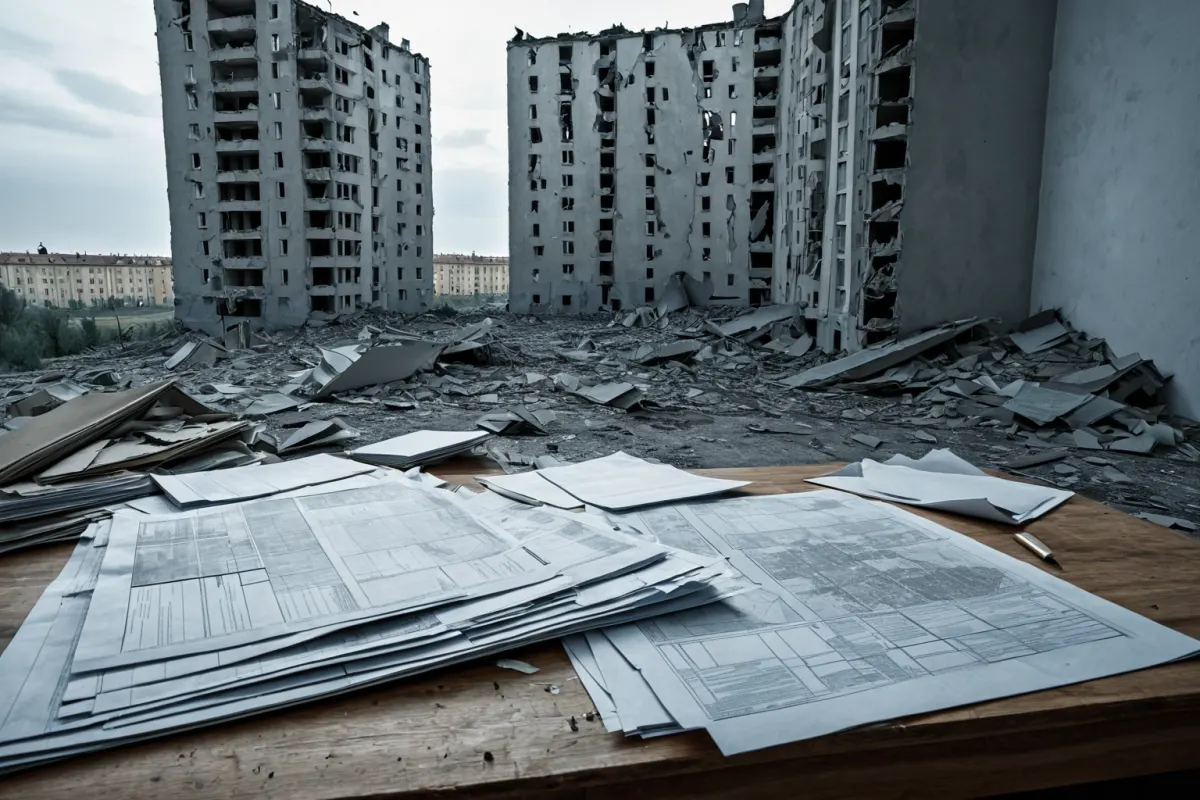
Applying for compensation after a bombing in Ukraine isn't a one-time procedure. The applicable channels vary depending on the affected area, current residence status, and available evidence. Compensation typically involves government or local support, international aid organizations, insurance claims, or legal claims.
So, the first step is to determine what type of compensation you're eligible for. Damage to property like homes and belongings, personal injury or death, whether it's a Korean citizen's overseas assets or local resident assistance—all require different documentation.
Basic Categories for Ukraine Bombing Compensation Claims
Many people refer to it simply as 'compensation application,' but in reality, the claims fall into distinct categories. Common types include property damage, personal injury, temporary living support, relocation or shelter assistance, insurance compensation, and war damage claims.
For example, if an apartment was destroyed by bombing, photos, location details, and timing are crucial. For injuries, medical records and treatment history are key. If a family member has died, a death certificate and family relationship documents are necessary.
In short, you need to identify what type of compensation applies before you can find the right application channel or prepare the required documents. Skipping this step often leads to wasted time as applicants may end up at the wrong office.
You can view similar articles on this topic all in one place.
View Related ArticlesEssential Documents to Prepare Before Applying
The most important thing is objective evidence of the damage. Take photos from multiple angles if possible, and keep them with dates visible. If you have video footage, include exterior building views, interior damage, and surrounding road conditions for better clarity.
Next, you'll need identity verification documents like passports, ID cards, residence permits, or family relationship certificates to confirm personal or family damages. For property damage, ownership records, lease agreements, utility bills, or other documents proving residency or ownership are helpful.
If you received medical treatment, gather diagnosis reports, receipts for medical expenses, prescriptions, and hospital admission/discharge records. Without these, it's very difficult to accurately assess the extent of your damages later on.
Practical Steps to Find the Right Application Channel
Applications are typically processed through local government offices, municipal administrative agencies, disaster relief centers, international organizations or humanitarian aid groups, insurance companies, or legal support services. For Korean citizens, it's safest to first check with the embassy or consulate for guidance.
For example, if a Korean citizen named A lived in Kyiv and lost their home due to bombing, they should first organize details of their evacuation and damage status before checking both local administrative procedures and insurance coverage. Waiting at only one location could cause you to miss out on timely support.
Conversely, if a local resident B needs medical assistance after a bombing, the fastest route might be finding humanitarian aid programs using medical diagnosis reports and identity documents. The key is matching your damage type with the right application channel.

How to Supplement Missing Documents
Document completeness is often an issue in war-related damages. For instance, lease agreements may be lost when homes are destroyed, or medical receipts might get misplaced during hospital visits. In such cases, gather as many alternative documents as possible.
For example, before-and-after photos, neighbor testimonials, messages from landlords or property managers, bank transfer records, pharmacy receipts, or reservation confirmations can all serve as supplementary evidence. A combination of multiple supporting materials is more convincing than a single document.
Practically speaking, organizing documents by time sequence—'pre-damage condition,' 'immediate aftermath,' and 'current status'—helps reviewers better understand your situation.
How to Fill Out the Application Form
The application form should be filled out thoroughly rather than written at length. Be sure to include details like location of damage, date of incident, type of damage, presence of casualties, extent of property damage, and current contact information.
For example, instead of emotional language, write factually: 'On March 12, 2025, an explosion damaged the exterior walls and windows of my residence, making it uninhabitable.' Specific details matter more than emotional appeals.
When stating amounts, clearly distinguish between estimated figures and confirmed costs. For medical expenses, use actual receipts; for repair costs, include quotes from contractors to keep things clear.
Key Factors That Affect Compensation Scope
The compensation scope varies even for the same bombing damage. Ownership status of residence, whether it's civilian damage, insurance coverage, government registration, and the designated war zone status all play significant roles.
Insurance is particularly important—check if your policy covers war-related incidents as many exclude such events. Just having insurance doesn't guarantee automatic compensation; you must verify the terms first.
International aid programs often focus on emergency relief rather than full property compensation, so it's wise to understand the difference between expected and actual support to avoid disappointment.
What to Check After Submission
After submitting your application, keep the reference number or contact information of the responsible officer. Without this, you may have to start over if you need to check on progress later.
If additional documents are requested, respond quickly. You might be asked for original photos, updated medical records, translations, or notarized copies—so keep track of any notifications with notes.
Compensation reviews can take time as disaster and war-related claims aren't resolved in one step. Rejection at one stage doesn't mean the end; you can often resubmit after making improvements. Keeping your documents organized makes it easier to move forward.
Practical Example: Step-by-Step Preparation
Take Korean citizen C, who was temporarily residing in Ukraine and lost their accommodation due to bombing as an example. The first step should be confirming safety after evacuation, followed by collecting photos of property damage and lease-related documents. Then check embassy guidance and local disaster registration offices.
After that, if medical treatment was received, gather diagnosis reports and receipts. Save messages exchanged with landlords or managers regarding the accommodation. Finally, verify insurance coverage and submit applications to available support programs in order.
This approach—grouping by damage type rather than trying to apply everywhere at once—minimizes omissions. When stressed from an emergency, breaking tasks into small lists is actually more efficient.
FAQ
Q1. Can I apply for Ukraine bombing compensation from South Korea?
It depends on the type of damage and eligibility. If your property is in Ukraine, you'll likely need to register locally or contact local authorities directly. From South Korea, support will mostly be limited to consultations and document preparation.
Q2. Can I apply with just photos?
Photos are important but rarely sufficient on their own. Submitting identity documents, residency proof, medical records, and statements alongside photos increases your chances of approval.
Q3. Does having insurance guarantee compensation?
No. Many policies exclude war-related incidents like bombings or military actions, so you must check the terms carefully. Simply having coverage doesn't mean automatic payment will be issued.
Applying for compensation after Ukraine bombing damage starts with categorizing your type of claim and gathering supporting evidence. Since application channels and support conditions change frequently, double-check the latest guidelines before submitting your application.
Continue exploring similar topics.
View Category ArticlesFAQ
Can I apply for Ukraine bombing compensation from South Korea?
It depends on the type of damage and eligibility. If your property is in Ukraine, you'll likely need to register locally or contact local authorities directly. From South Korea, support will mostly be limited to consultations and document preparation.
Can I apply with just photos?
Photos are important but rarely sufficient on their own. Submitting identity documents, residency proof, medical records, and statements alongside photos increases your chances of approval.
Does having insurance guarantee compensation?
No. Many policies exclude war-related incidents like bombings or military actions, so you must check the terms carefully. Simply having coverage doesn't mean automatic payment will be issued.
Korean Source
This article is an English localization of a Korean-language report from BlogScore. Original: 우크라이나 폭탄피해 보상 신청 방법 정리