
How to Accurately Predict Meteor Shower Timing for Optimal Viewing in 2026
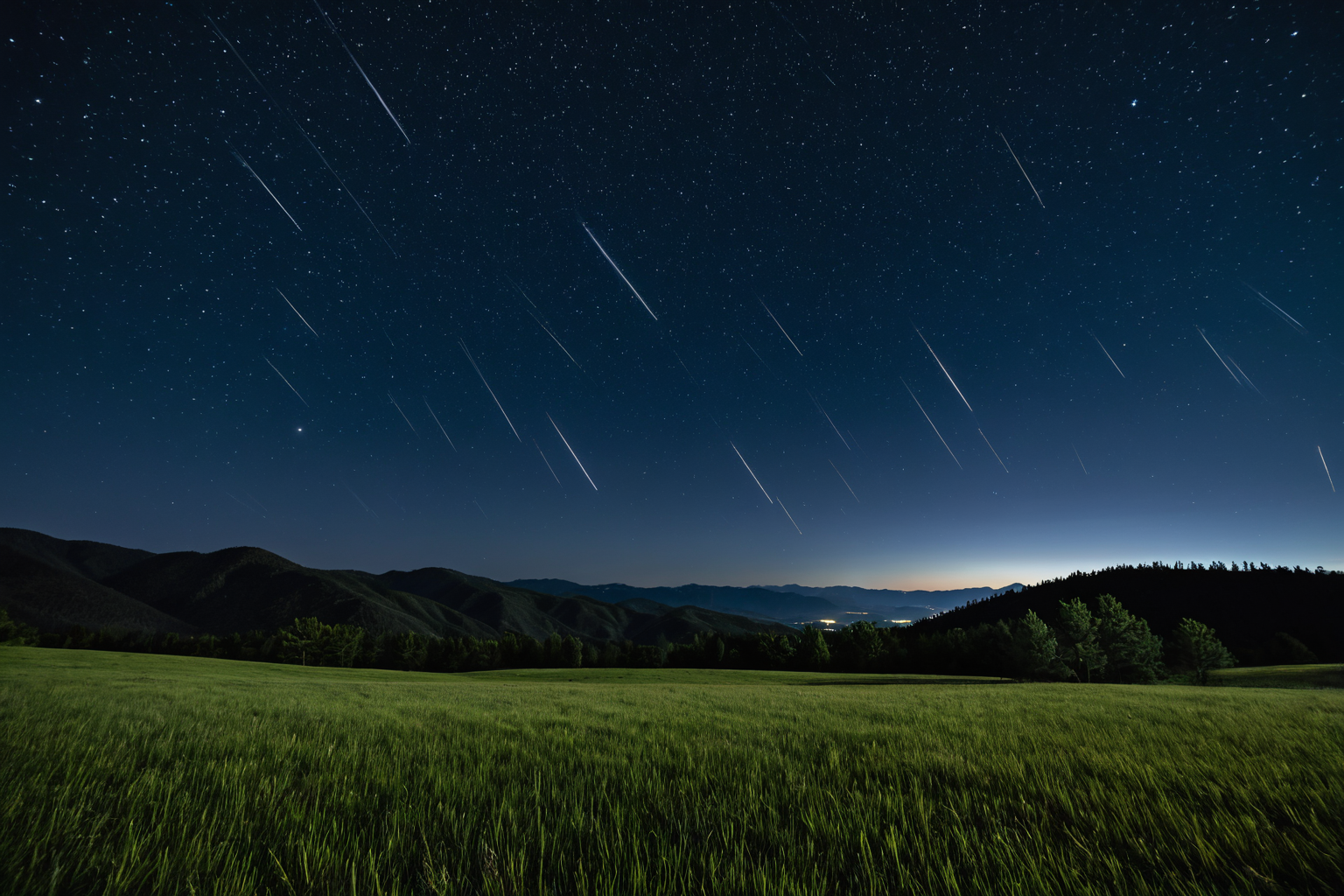
How to Accurately Predict Meteor Shower Timing
To successfully observe meteor showers, it's essential to know their exact timing and location in advance. In 2026, several meteor showers are scheduled: Lyrids (April 23 early morning), Perseids (August 12-13), Leonids (November), and Geminids (December). The Lyrids are particularly important as missing them means waiting a full year, while the Perseids can produce up to 100-110 meteors per hour.
Major 2026 Meteor Shower Schedules and Observability
The Lyrid meteor shower peaks at 3:00 AM on April 23, 2026. Missing this time means waiting until next year, so be sure to mark your calendar. The Perseids reach their peak between August 12-13, with an estimated 100-110 meteors per hour—this is key information for successful observation.
The Leonids will offer optimal viewing in November 2026, while the Geminids provide the best opportunity in December. Notably, the Geminids will have a public viewing event at the Yecheon Astronomical Space Center, offering accessible opportunities for the general public.
Importance of Weather and Location Selection
The first consideration when observing meteor showers is weather conditions. Cloudy or rainy nights make observation difficult. Therefore, check astronomical apps or websites in advance to confirm clear skies and choose a night with minimal cloud cover.
Location is also crucial. In urban areas with significant light pollution, it's hard to see meteors. It's best to go outside the city to a quiet, dark location. For example, outdoor spaces like mountains or beaches are ideal observation spots.
You can also observe in real-time through online streaming services if weather conditions aren't favorable. However, this may miss out on the personal experience, so observing directly at the site is recommended when possible.
Pro Tips to Increase Observation Success Rate
Remember that during the Perseids, you can see about 100-110 meteors per hour—this key detail significantly increases your chances of success. Minimize surrounding light pollution and allow your eyes to adjust to the dark.
To help your eyes adapt to darkness, avoid bright lights for 20-30 minutes before observation. This adjustment improves visibility during meteor showers. Additionally, planning your timing in advance is crucial to accurately pinpoint peak activity periods.
By pre-planning your location and time, you can focus on the observation without unnecessary worry. For example, prepare for the Lyrids by aiming for 3:00 AM on April 23, as missing this window means waiting until next year.
Potential Issues During Observation and Solutions
The most common issue during meteor shower observation is unfavorable weather preventing visibility. In such cases, online streaming services offer an alternative. Another problem can be light pollution at your chosen location, making observation difficult.
To address these issues, use astronomical apps in advance to check weather and light pollution levels. Having multiple potential locations prepared allows you to switch if the weather turns bad.
Eye fatigue is also common during observations due to exposure to bright lights before dark adaptation. To prevent this, avoid bright lights for 20-30 minutes before observing and spend time in darkness to adjust your vision.
Addition Information on Meteor Shower Observation
The 2026 meteor shower schedule includes: Lyrids (April 23 at 3:00 AM), Perseids (August 12-13), Leonids (November), and Geminids (December). Among these, the Perseids are notable for producing up to 100-110 meteors per hour, offering higher observation success rates.
Choose locations with minimal light pollution, such as outside city limits or in mountainous areas. For the Perseids specifically, focus on observing between August 12-13 for optimal results.
The Leonids and Geminids provide their best viewing opportunities in November and December respectively—these are accessible periods for general audiences, so consider planning ahead using astronomical apps.
Key Information to Verify
When observing meteor showers, verify the following: First, weather conditions. Cloudy or rainy nights make observation difficult. Second, location selection. Choose outdoor areas with minimal light pollution. Third, timing. The Lyrids peak at 3:00 AM on April 23, while the Perseids peak between August 12-13.
Confirming this information in advance and planning accordingly will increase your success rate. Especially for the Lyrids, which require waiting a full year if missed, accurately identifying the peak time is essential.
Frequently Asked Questions
How can I confirm the peak timing of a meteor shower?
Check astronomical apps or websites for the 2026 meteor shower schedule. The Lyrids peak at 3:00 AM on April 23, and the Perseids reach their maximum activity between August 12-13.
How many meteors can be observed per hour during a meteor shower?
The Perseids can produce up to 100-110 meteors per hour—this is higher than most other showers, making them more observable.
If I miss a meteor shower, when will the next opportunity be?
Missing the Lyrids means waiting until April 2027 for the next occurrence. Other showers follow similar annual cycles, returning to their usual timing each year.
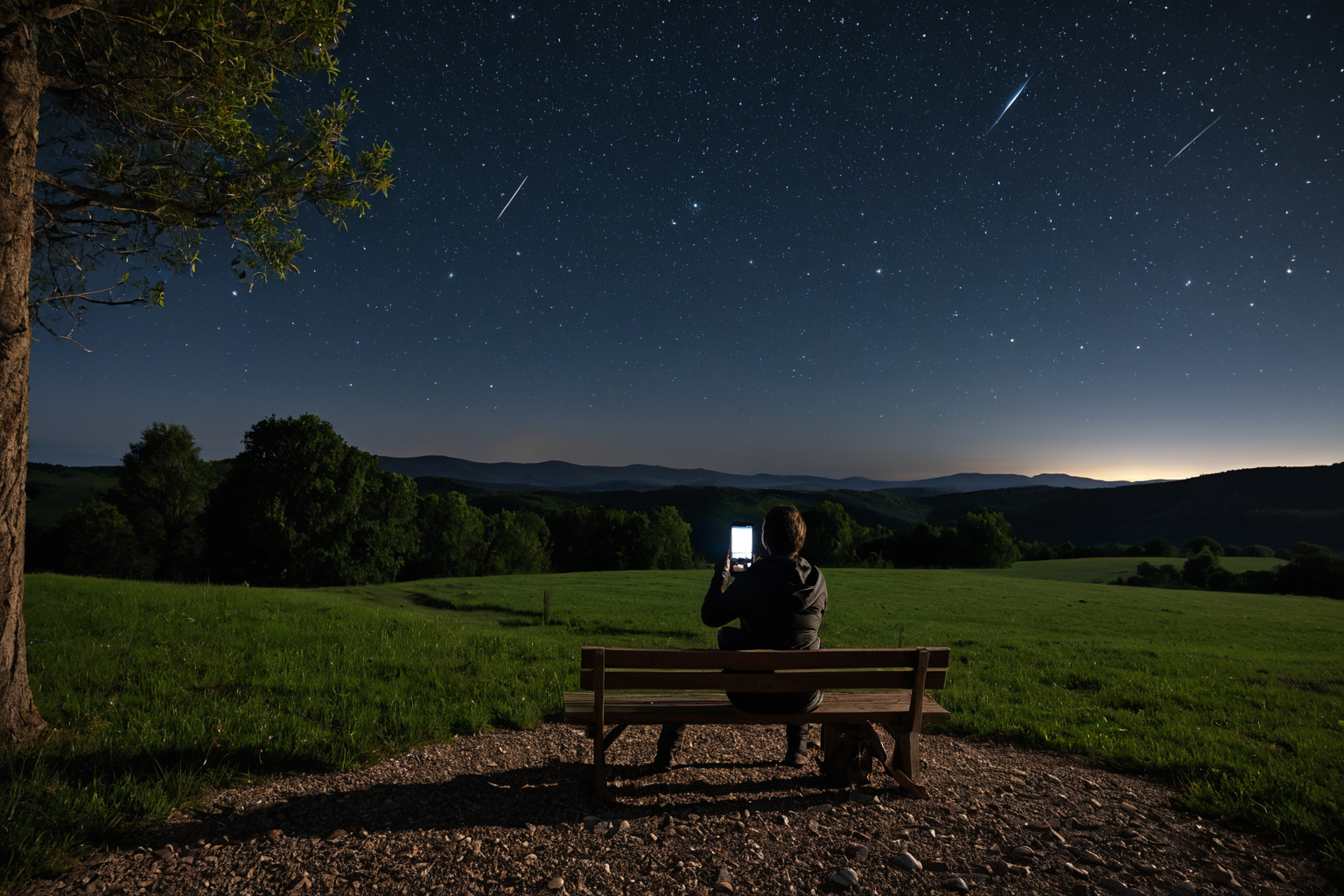
Final Tips for Successful Observation
Meteor shower observation requires more than just timing and location—it needs preparation. First, check the weather in advance and choose a night with minimal clouds. Second, observe from locations with low light pollution. Third, allow your eyes to adapt to darkness.
Specifically, the Perseids offer up to 100-110 meteors per hour, significantly increasing observation success rates compared to other showers. This makes them an excellent target for viewing in 2026.
By confirming the 2026 meteor shower schedule and planning ahead, you can greatly increase your chances of a successful observation. Remember that missing the Lyrids means waiting a full year, so accurate timing is crucial.
Prepare for your meteor shower observation using this information. Additional details are available through astronomical apps or websites.
You can find similar articles in one place.
View Related ArticlesFAQ
How can I confirm the peak timing of a meteor shower?
Check astronomical apps or websites for the 2026 meteor shower schedule. The Lyrids peak at 3:00 AM on April 23, and the Perseids reach their maximum activity between August 12-13.
How many meteors can be observed per hour during a meteor shower?
The Perseids can produce up to 100-110 meteors per hour—this is higher than most other showers, making them more observable.
If I miss a meteor shower, when will the next opportunity be?
Missing the Lyrids means waiting until April 2027 for the next occurrence. Other showers follow similar annual cycles, returning to their usual timing each year.
Korean Source
This article is an English localization of a Korean-language report from BlogScore. Original: 유성우 관측 시 주의사항: 떨어지는 시간 정확히 파악하는 법