
How the People Power Party Selects Committee Chairpersons
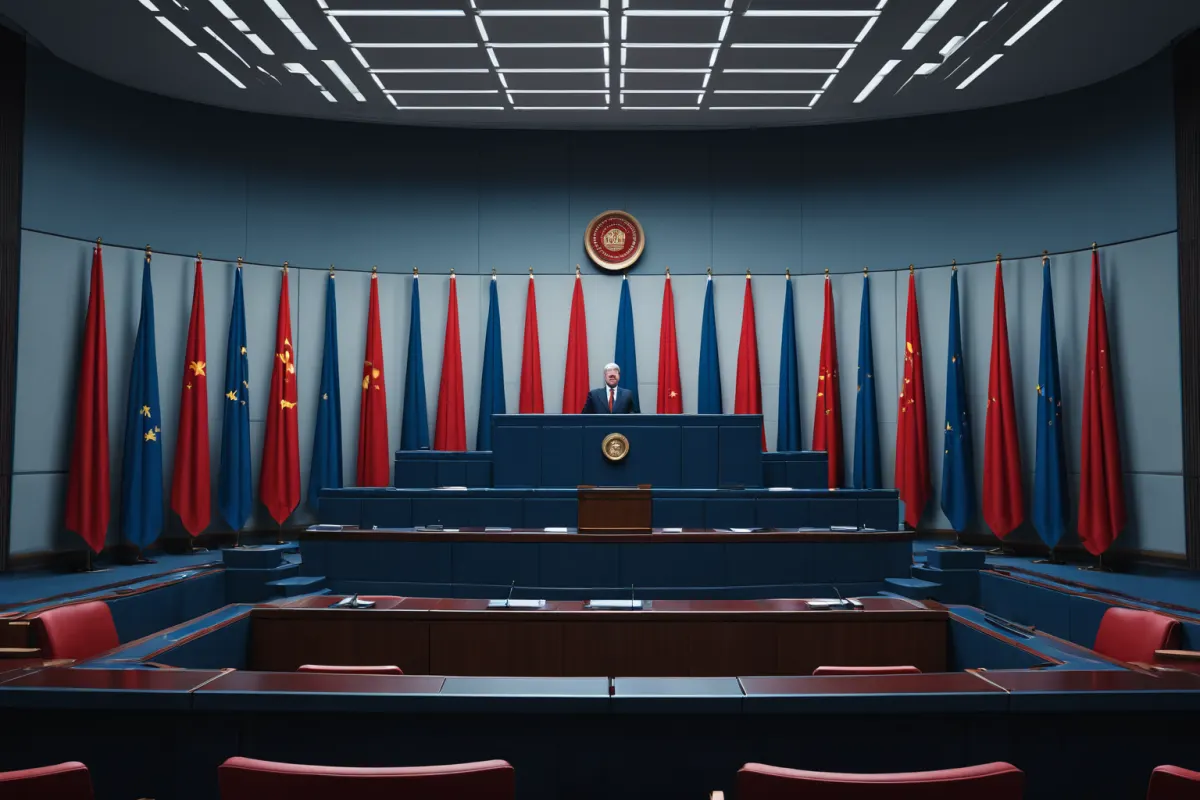
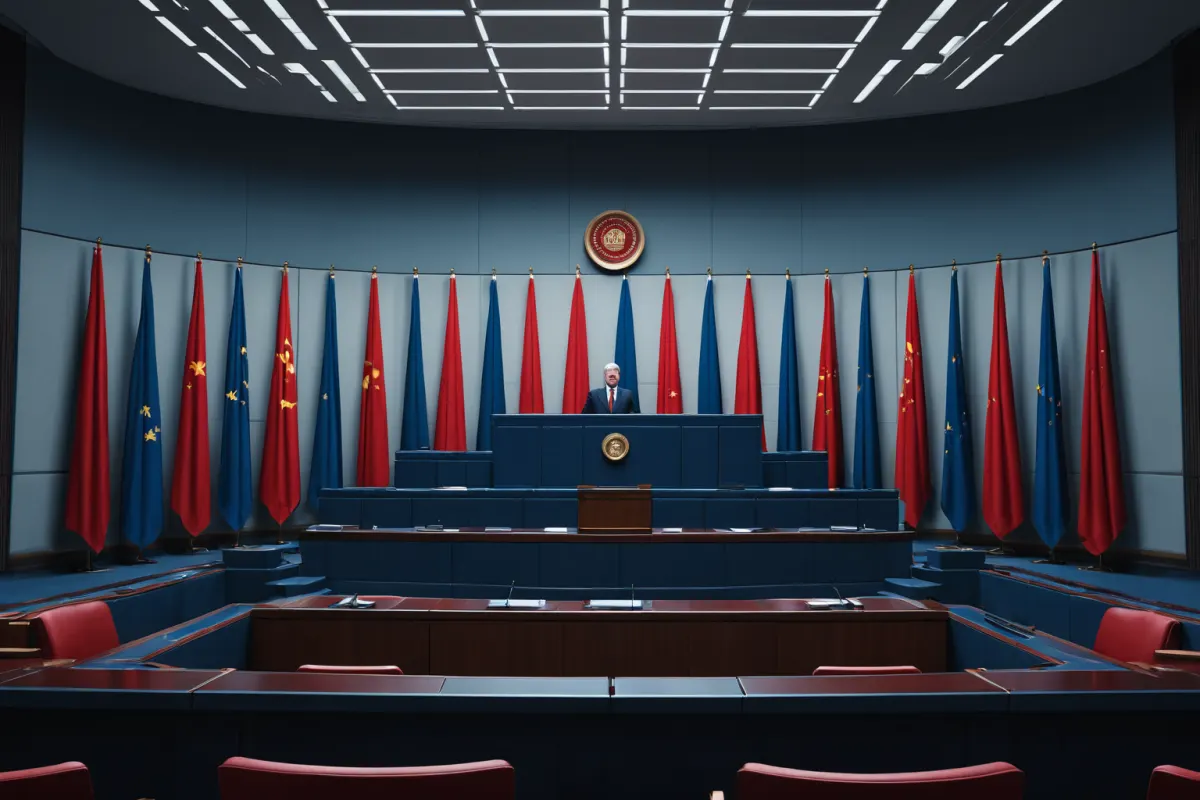
The selection of committee chairs for the People Power Party (PPP) typically follows a process involving internal party discussions, approval by the parliamentary group, and allocation based on committee distribution. It's important to understand that this isn't just about the parliamentary procedure—it begins with determining which members will take on these roles within the party itself.
However, the specific chairperson positions can vary depending on the composition of the National Assembly and the current negotiations between parties. Therefore, it's more useful to focus on 'how the allocation is determined' and 'how the party reaches consensus,' rather than assuming certain individuals are automatically selected.
The Basic Structure of Committee Chair Selection
Committee chairs lead the operation of parliamentary committees, making this role more than just an honorary position—it carries significant practical authority. Chairs influence legislative schedules, meeting procedures, witness attendance, and document requests.
Many people searching for 'PPP committee chair selection' are primarily interested in who gets chosen by the party. In reality, the process involves both internal party decision-making and parliamentary procedures. The party first identifies candidates, then secures these positions through the National Assembly's allocation system.
For example, if a specific committee is allocated to the PPP in Parliament, members with relevant experience or expertise are typically considered first. The process often involves reviewing potential candidates internally before finalizing a recommendation at a parliamentary group meeting.
You can find more articles on similar topics here.
View Related ArticlesInternal Candidate Selection Process
Candidates for committee chairs are usually narrowed down by considering input from the floor leadership, senior members, and committee members themselves. Rather than focusing on regional or factional differences, factors like legislative experience, expertise, negotiation skills, and internal party balance are taken into account.
Within the party, this process is more about coordination than open competition. Multiple members express interest, followed by behind-the-scenes adjustments by the leadership team before final approval at a parliamentary group meeting.
For instance, for committees related to land or infrastructure, members with expertise in construction, real estate, or transportation might be prioritized. Similarly, legal and justice-related committees would focus on members with legal backgrounds or experience in legislative review. The key is matching the committee's focus with a member's professional background.
Parliamentary Procedure Sequence
The selection of PPP committee chairs doesn't end with internal agreement—it requires first securing committee allocations between parliamentary groups, followed by each party recommending their candidates through internal procedures.
After that, the process moves to formal approval in plenary sessions or other parliamentary procedures. However, due to political circumstances, this can sometimes be delayed, leading to vacancies.
Simplified, the sequence is: committee allocation agreement → internal candidate coordination → parliamentary group approval → formal parliamentary confirmation. For beginners, understanding these four steps provides a clear overview of the process.

Why Committee Chairs Matter
Committee chairs significantly influence whether legislation moves quickly or requires further discussion—especially when contentious bills are involved. The chair's approach can directly affect outcomes in noticeable ways.
Beyond simply convening meetings, chairs also serve as key points of coordination between parties for committee scheduling and negotiations. For the party, this position is strategically important during oversight hearings, budget reviews, and legislative processes.
For example, a chair who strictly manages meeting procedures might speed up proceedings, while one favoring more deliberation could extend discussions. These differences are often highlighted in media coverage.
Common Points of Controversy
Disputes about committee chair selection usually center on whether the allocation was fair and if expertise was adequately considered. When certain individuals receive preferential treatment, other members may express dissatisfaction.
Additionally, prolonged negotiations between parties can delay committee operations, affecting the overall legislative schedule. Thus, this position isn't just about one person—it plays a crucial role in the smooth functioning of parliamentary operations.
In practice, internal party dynamics involve balancing regional interests, committee experience, prior roles within the party, and future strategic plans. What may appear as a straightforward appointment to outsiders often involves considerable behind-the-scenes coordination.
Understanding Through Real Examples
For instance, when the PPP takes control of certain committees, they first identify members most suited for each role based on their experience. The key criterion is determining who has relevant expertise within the committee's focus area.
If a member has long-standing involvement in budget or financial issues, they might be considered ideal for the Committee on National Budget and Finance. Similarly, someone with legal expertise would likely be nominated for justice-related committees. Ultimately, professional background and internal trust matter more than mere reputation.
When reading news coverage, it's helpful to look beyond just the candidate's name and consider their committee experience—this makes it easier to understand why they were chosen.
Key Points to Note When Reading News
When following news about PPP committee chair selections, focus on three key points: First, which party has been allocated the specific committee. Second, whether the selection involved internal party approval or a competitive process. Third, whether negotiations between parties have concluded.
Focusing on these elements helps distinguish between simple announcements and political negotiation outcomes. Even though the term 'selection' is used broadly, it often involves a mix of allocation agreements, recommendations, and formal parliamentary procedures.
For example, if coverage mentions that committee allocations are complete, it indicates the parliamentary framework has been established. If a recommendation was made at the parliamentary group meeting, it means internal party selection has concluded.
Frequently Asked Questions
Q1. Are PPP committee chairs directly elected by citizens?
A. No. Committee chairs are selected through internal party decision-making and recommendations among members of the National Assembly, not through direct elections.
Q2. What's the difference between a committee chair and a committee rapporteur?
A. The committee chair leads meetings and sets procedures, while the rapporteur handles internal coordination and negotiations within the party. Their roles are distinct.
Q3. Is committee chair selection always quick?
A. No. It can be delayed if inter-party negotiations take longer or if internal party consensus requires additional time.
Committee assignments and personnel decisions can vary based on regular sessions, the formation of parliamentary groups, and internal party circumstances—so it's best to follow the latest news for accurate updates.
Continue exploring similar topics below.
View Category ArticlesFAQ
Are PPP committee chairs directly elected by citizens?
No. Committee chairs are selected through internal party decision-making and recommendations among members of the National Assembly, not through direct elections.
What's the difference between a committee chair and a committee rapporteur?
The committee chair leads meetings and sets procedures, while the rapporteur handles internal coordination and negotiations within the party. Their roles are distinct.
Is committee chair selection always quick?
No. It can be delayed if inter-party negotiations take longer or if internal party consensus requires additional time.
Korean Source
This article is an English localization of a Korean-language report from BlogScore. Original: 국힘 상임위원장 선출 방식과 절차는 어떻게 진행되나