
How the New Tax Policy Affects Homeownership Plans in South Korea


Main Points of the Property Tax Reform Plan
The government has shifted the basis for calculating property tax from the number of homes to their market value, excluding single-family residences valued under 2 billion won (approximately $1.5 million) from taxation. Tax rates for properties over 3 billion won will be increased, leading to higher burdens for owners of luxury homes.
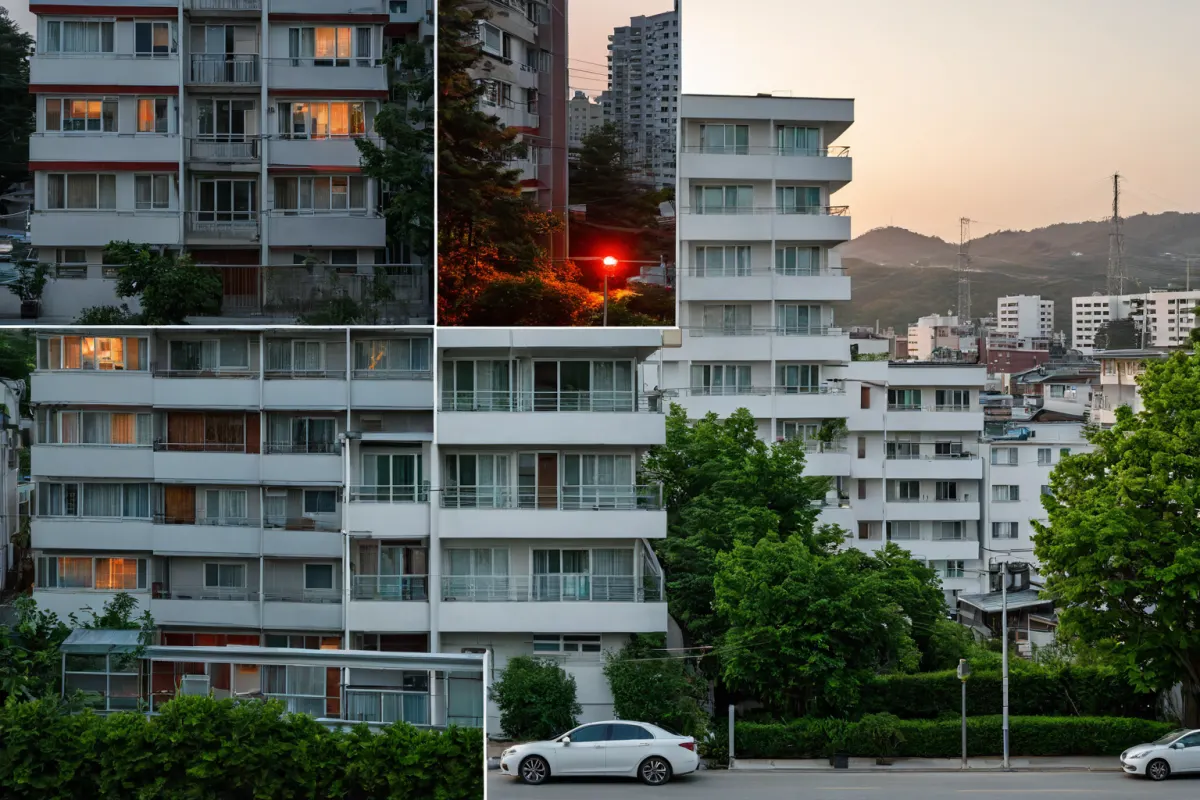
Change in Tax Basis: Introduction of Valuation-Based System
The property tax calculation has changed from a per-unit basis to one based on market value. This means taxes will now be calculated according to the total market value of properties rather than the number of homes owned.
For example, multi-homeowners with three 1 billion won properties may see reduced tax burdens compared to before. However, owners of a single property valued at over 3 billion won could face significantly higher taxes.
Expanded Exemption for Primary Residences
Single-family residences valued under 2 billion won used as primary homes will be completely exempt from property tax. This policy aims to reduce the financial burden on homeowners while encouraging residential ownership.
For instance, a homeowner with a 1.5 billion won apartment will no longer pay property tax. This represents an expansion of previous exemptions for single-family primary residences.
Increase in Tax Rates for Luxury Properties
Taxes on properties valued at over 3 billion won will increase, particularly for those exceeding 5 billion won, where taxes could rise from 4.54 million won to 9.79 million won annually.
This policy aims to strengthen financial burdens on luxury property owners. Some experts have criticized the reform as "tax hikes without consideration" and called for reconsideration.
Reduced Benefits for Non-Residential Single-Houseowners
The tax exemption for non-residential single-homeowners will be reduced, aiming to curb housing speculation and non-residential property ownership while strengthening policies focused on genuine homebuyers.
This could lead to higher tax burdens for non-residential single-homeowners, potentially reducing speculative property holdings.
Changes in Tax Burden for Multi-Homeowners
Owners of multiple properties will pay more tax for a single 3 billion won home than for three 1 billion won homes. This shift from per-unit taxation to valuation-based calculation is the reason behind this change.
For example, owning three 1 billion won homes results in lower property tax compared to owning one 3 billion won home. This reflects the transition to a value-based taxation system.
Announcement Schedule and Government Direction
The government announced plans to revise property and transfer taxes on July 12, 2026, with the detailed tax reform plan released on August 3, 2026. The reform includes changing taxation to a market value basis and increasing rates for luxury properties.
Alongside the property tax changes, the government is also considering easing loan regulations and expanding new housing supply to maintain market stability and create a more favorable environment for genuine homebuyers.
Analysis of Real-Life Impact
The reform will affect primary residents differently than those holding properties speculatively. Homeowners with single-family residences valued under 2 billion won will see their tax burden eliminated, while luxury property owners face significantly higher costs.
Areas like Seoul and Gyeonggi Province, where high-value homes are more common, are expected to experience more pronounced changes compared to regions such as Gyeongsangnam-do with lower concentrations of expensive properties.
Expert Opinions and Social Debate
Some experts have labeled the property tax reform as "tax hikes without consideration" and called for government reconsideration. This criticism stems from concerns that luxury property owners may face excessive tax increases.
On the other hand, the government is pushing for a tax system focused on genuine homebuyers, aiming to curb speculative housing ownership and stabilize the market. This could lead to increased volatility in the real estate market.
Using Property Tax Calculators and Checking Your Tax Burden
The method of calculating property tax will change with this reform. Instead of basing calculations on the number of homes, the new system will use market value, making it important for individuals to check their potential tax burden in advance.
The government plans to provide a property tax calculator related to this reform, allowing homeowners and multi-homeowners to accurately assess their tax obligations.
Real-Life Impact
The reform benefits genuine homebuyers but increases burdens for luxury property owners. Those owning properties over 3 billion won may see significant tax increases.
The government plans to ease loan regulations and expand new housing supply to stabilize the market, aiming to reduce speculative transactions while providing more opportunities for genuine homebuyers.
Reversal of Transfer Tax Increase
The government has reversed its decision to implement a transfer tax increase. This means previously planned higher taxes on property sales have been canceled in favor of adjusting the property tax system instead.
This reversal may lead to reduced tax burdens for homebuyers during transactions, which is seen as favorable for genuine homebuyers.
Future Outlook of Property Tax Reform
The government aims to reduce speculative elements in the housing market and create a market focused on genuine homebuyers through this reform. This could lead to greater long-term stability in South Korea's real estate market.
However, increased taxes for luxury property owners may cause investor anxiety, so additional measures may be needed to minimize market volatility.
Key Information to Verify
The property tax reform takes effect based on the government's official announcement on August 3, 2026. It is important to review the specific details of this reform and estimate individual tax burdens accordingly.
The government will provide a property tax calculator related to this reform, enabling homeowners and multi-homeowners to accurately assess their tax obligations.
Frequently Asked Questions
Can someone who owns three 1 billion won homes pay less in taxes under the new system?
Yes, with the shift from a per-unit basis to market value, owning three 1 billion won homes results in lower property tax compared to owning one 3 billion won home. Therefore, multi-homeowners may see reduced tax burdens.
Do primary residents of single-family homes valued under 2 billion won need to pay property tax?
No, properties used as primary residences and valued under 2 billion won will be exempt from taxation. Homeowners in this category will not have to pay property tax.
How much will luxury property owners see their tax burden increase?
Tax rates for properties over 3 billion won will increase, with those exceeding 5 billion won seeing taxes rise from 4.54 million won to 9.79 million won annually.
Frequently Asked Questions
The property tax reform shifts taxation from a per-unit basis to market value and exempts single-family primary residences under 2 billion won from taxation. While this is beneficial for genuine homebuyers, it increases burdens for luxury property owners.
The government plans to ease loan regulations and expand new housing supply alongside the tax reform to increase market stability. It's important for individuals to check their potential tax burden in advance and plan their homeownership strategy based on accurate information.
You can find more articles on similar topics.
View Related ArticlesFAQ
Can someone who owns three 1 billion won homes pay less in taxes under the new system?
Yes, with the shift from a per-unit basis to market value, owning three 1 billion won homes results in lower property tax compared to owning one 3 billion won home. Therefore, multi-homeowners may see reduced tax burdens.
Do primary residents of single-family homes valued under 2 billion won need to pay property tax?
No, properties used as primary residences and valued under 2 billion won will be exempt from taxation. Homeowners in this category will not have to pay property tax.
How much will luxury property owners see their tax burden increase?
Tax rates for properties over 3 billion won will increase, with those exceeding 5 billion won seeing taxes rise from 4.54 million won to 9.79 million won annually.
Korean Source
This article is an English localization of a Korean-language report from BlogScore. Original: 종부세 개편안 공개! 내 집 마련 계획에 미치는 영향