
How Students Use AI-Generated Images to Enhance Math Learning
Real-Life Examples of Students Using AI-Generated Images
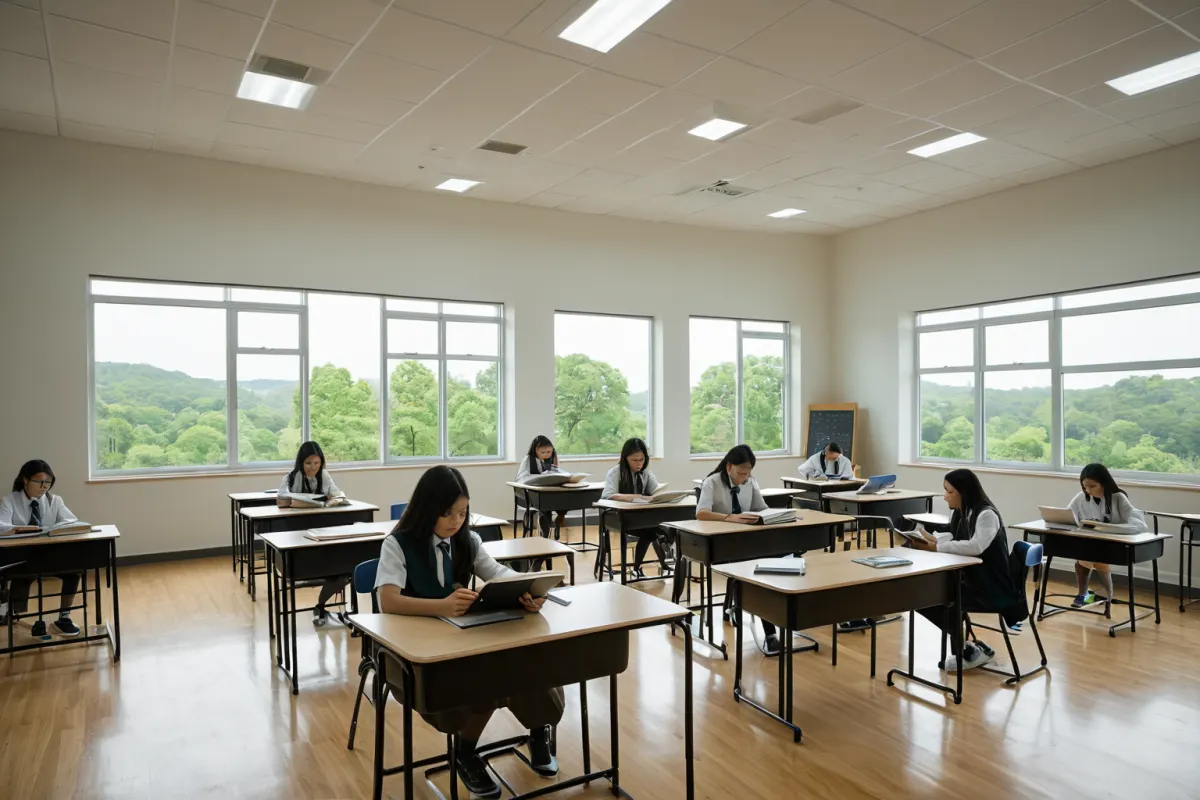
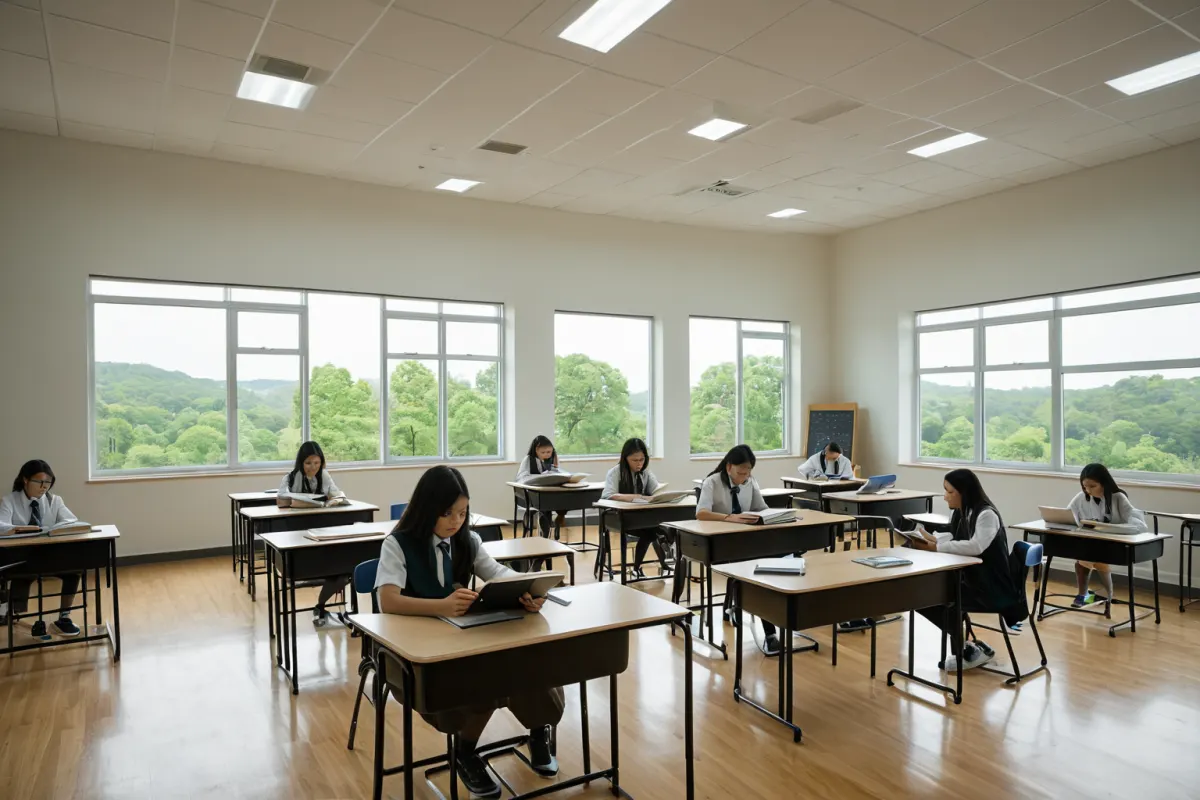
The Image Teacher textbook introduces an educational program where students use AI and Vibecoding to solve problems directly. At Seoul Jangpyeong Middle School, teacher Lee Seung-up conducted a club class combining AI technology with Vibecoding. On July 10, 2026, he led a project where students transformed complex geometry problems into 3D models using AI-generated images, significantly improving their visual thinking skills.
Students use AI-generated images to visualize math problems and implement creative ideas. For example, they convert intricate geometry problems into 3D models or manipulate function graphs to better understand concepts. This approach goes beyond simply finding answers—it allows students to experience and explore mathematical principles firsthand, enhancing both understanding and interest.
Important Considerations When Choosing Educational AI Tools
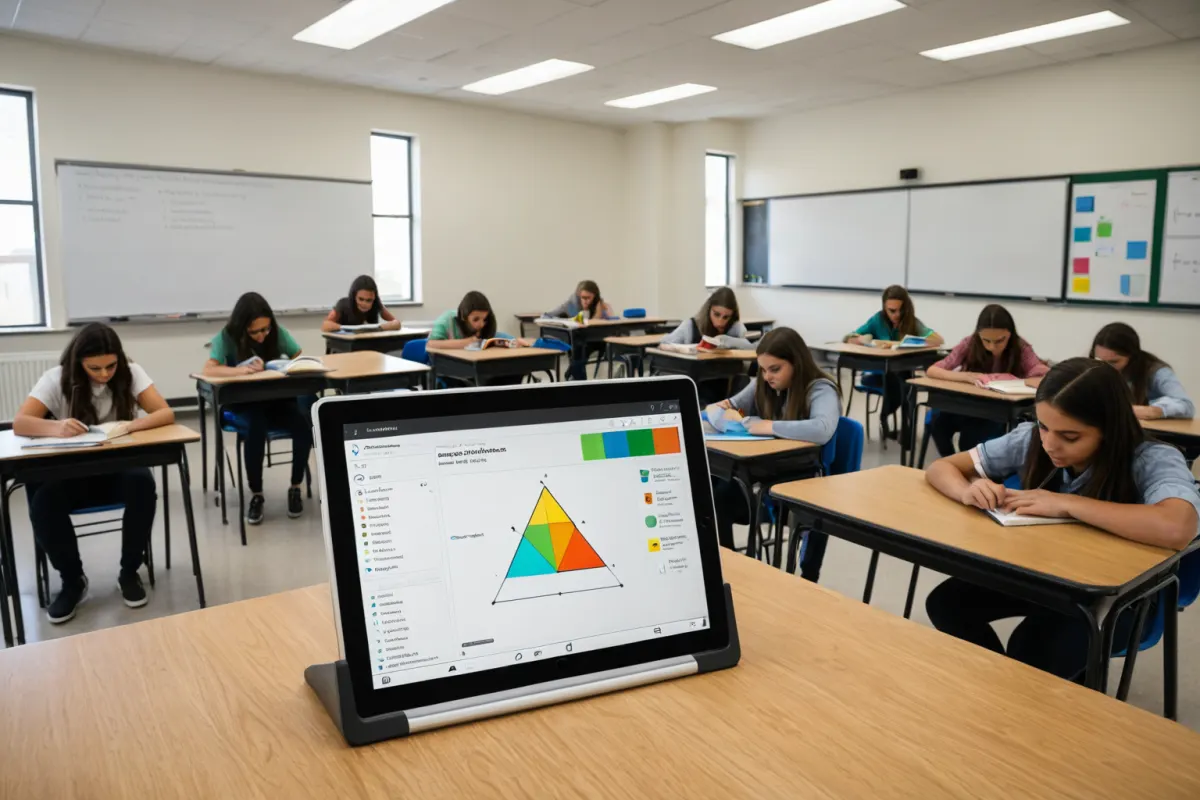
In educational settings, it's recommended to use professional tools that prioritize student safety and data protection rather than general-purpose AI services. Selecting platforms designed specifically for education is crucial. The Image Teacher textbook emphasizes this point, offering guidance on how to safely integrate AI technology into learning.
EBS reported on 'How to Develop Children's True Skills in the Age of AI Agents' on March 23, 2026, highlighting examples where students effectively used AI to foster creative thinking. Meanwhile, an OECD report published January 21, 2026, warned that 'learning with AI makes you stupid,' emphasizing the necessity of human-led learning. The report cautioned that increased reliance on AI could lead to a decline in creative thinking abilities.
Media Education and Image Utilization
Since November 3, 2025, Shinseong Elementary School has been conducting media education through environmental video production and book trailers. This program uses image generation technology for students to create content themselves, developing their visual thinking skills. The school's initiative focuses on helping students express math concepts through animations or use data visualization tools to better understand statistical problems.
The Image Teacher textbook connects with this media education by presenting methods to represent math problems visually. For instance, creating animations of mathematical concepts or using data visualization tools helps students grasp statistics more easily. This approach promotes creative thinking rather than simple problem-solving.
Math Image Utilization Tips
When converting math problems into images, clear and concise visual representation is key. Instead of illustrating complex formulas, focusing on core concepts yields better results. For example, when explaining triangle properties, using 3D modeling allows students to manipulate angles and sides directly for deeper understanding. This method encourages creative thinking beyond traditional problem-solving.
Additionally, involving students in the image generation process helps them reinterpret concepts for a more profound understanding. By manipulating function graphs to observe changing patterns, students can intuitively grasp mathematical principles.
Rank Changes and Future Outlook
Can using AI-generated images help students achieve genuine understanding of math?
Students use AI-generated images to visualize problems and implement creative ideas. This approach aids conceptual understanding rather than just finding answers, as evidenced by real-world examples like those featured in EBS reporting.
What is the most important factor when selecting educational AI tools?
The top priority should be professional tools that ensure student safety and data protection. Using platforms designed specifically for education—rather than general-purpose AI—is recommended, as emphasized by the Image Teacher textbook.
Why did OECD warn that 'learning with AI makes you stupid'?
The OECD report cautioned that over-reliance on AI for learning could weaken human-led critical thinking abilities. Therefore, AI should be used as a tool and auxiliary means to support creative problem-solving, not as a substitute for active learning.
You can view similar articles in one place.
View Related ArticlesFAQ
Can using AI-generated images help students achieve genuine understanding of math?
Yes, by visualizing problems and implementing creative ideas, students gain deeper conceptual understanding rather than just finding answers.
What is the most important factor when selecting educational AI tools?
Using professional tools designed for education that prioritize student safety and data protection.
Why did OECD warn that 'learning with AI makes you stupid'?
The report cautioned against over-reliance on AI, emphasizing the need for human-led critical thinking to avoid weakening creative problem-solving abilities.
Korean Source
This article is an English localization of a Korean-language report from BlogScore. Original: 이미지선생님 교재와 수학 이미지 활용 팁